









Designing a Space for Performance and Profit
Embarking on the journey of building a commercial gym is an ambitious venture that blends the art of interior design with the cold hard logic of business operations. It is a project that requires a deep understanding of human movement, community dynamics, and architectural flow. When you first sit down to sketch out the vision for your facility, it is easy to get swept up in the aesthetic of high-end weights and sleek machines, but the foundation of a successful enterprise lies in the meticulous planning of the infrastructure behind the scenes. You are not just creating a room full of equipment; you are constructing an ecosystem where motivation thrives and memberships are retained.
The initial phase of building a commercial gym should always begin with a crystal clear definition of your target demographic. A powerlifting basement requires a vastly different structural integrity and layout compared to a high-end boutique wellness club or a general-purpose fitness centre. Before a single floor mat is laid or a squat rack is ordered, you must ask yourself who your ideal member is and what their daily ritual looks like. This clarity will dictate every subsequent decision, from the thickness of the acoustic flooring to the temperature of the ventilation system. Without a defined niche, a commercial gym risks becoming a jack-of-all-trades that fails to resonate deeply with any specific community.
Location Strategy and Structural Suitability
Finding the right shell for your business is perhaps the most significant hurdle in the early stages. The physical location of a commercial gym acts as its primary marketing tool, but the internal specifications of the building are what truly matter for long-term viability. You need to consider ceiling heights, particularly if you plan on installing functional rigs or providing space for overhead Olympic lifting. Low ceilings can make a space feel claustrophobic and limit the types of equipment you can house. Furthermore, the structural load-bearing capacity of the floor is a non-negotiable safety concern. Commercial gyms subject floors to immense repetitive stress, and ensuring the slab can handle dropped weights without cracking is essential.
Accessibility and parking are the silent killers of gym retention. In an era where convenience is king, if a member has to spend ten minutes circling for a parking spot, they will eventually find a competitor with a more accessible lot. When building a commercial gym, you must also look at the local competition and the general footfall of the area. A secluded industrial unit might offer cheaper rent, which is tempting for your bottom line, but it requires a much higher marketing spend to lure people off the beaten path. Conversely, a high-street location offers visibility but brings challenges regarding noise complaints from neighbouring businesses, which necessitates high-grade soundproofing.
The Psychology of Layout and Member Flow
Once you have secured a premises, the internal layout becomes the heartbeat of the facility. A poorly planned commercial gym feels cluttered and intimidating, whereas a well-designed one guides the user through their workout instinctively. You should aim to create distinct zones that separate high-intensity areas from recovery or stretching spaces. Placing the heavy lifting platforms right next to the entrance might look impressive, but it can create a bottleneck and intimidate newcomers. Ideally, the flow should move from the reception and changing areas into a cardio or warm-up zone, transitioning into resistance machines and finally the free-weights area.
Consider the "dead zones" that often plague larger facilities. These are corners where equipment is squeezed in without thought, often leading to them being underutilised or becoming a trip hazard. By keeping the centre of the gym floor relatively open, you maintain a sense of space and allow for functional movements like lunges or sled pushes. Lighting also plays a massive role in the psychology of the space. Natural light is always preferred to keep energy levels high, but if your building is a windowless box, you should invest in smart lighting systems that can transition from bright, invigorating hues in the morning to slightly warmer tones in the evening to match the human circadian rhythm.
Investing in Durable and Scalable Equipment
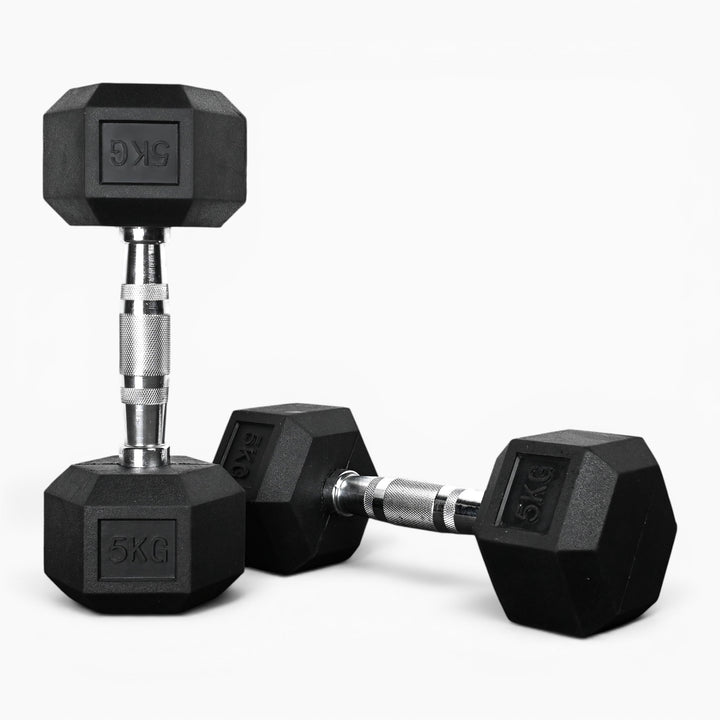
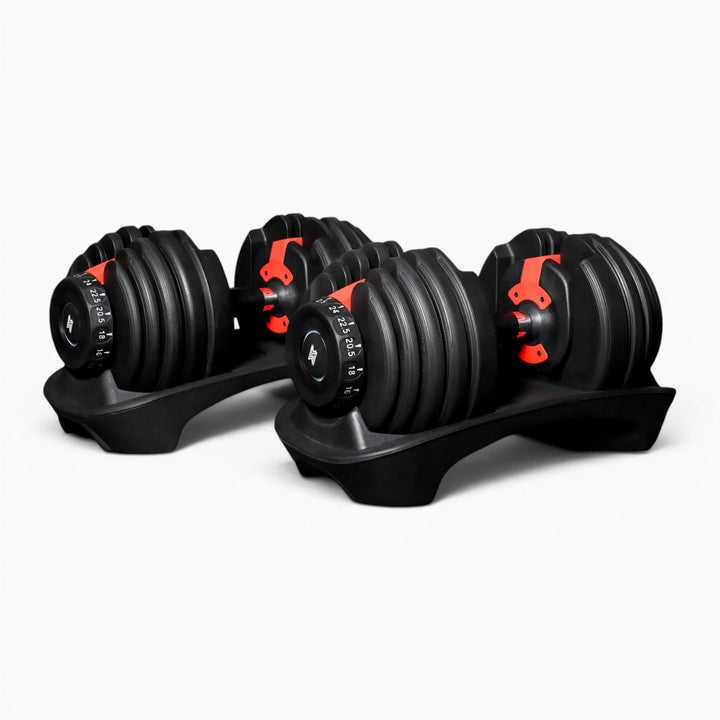
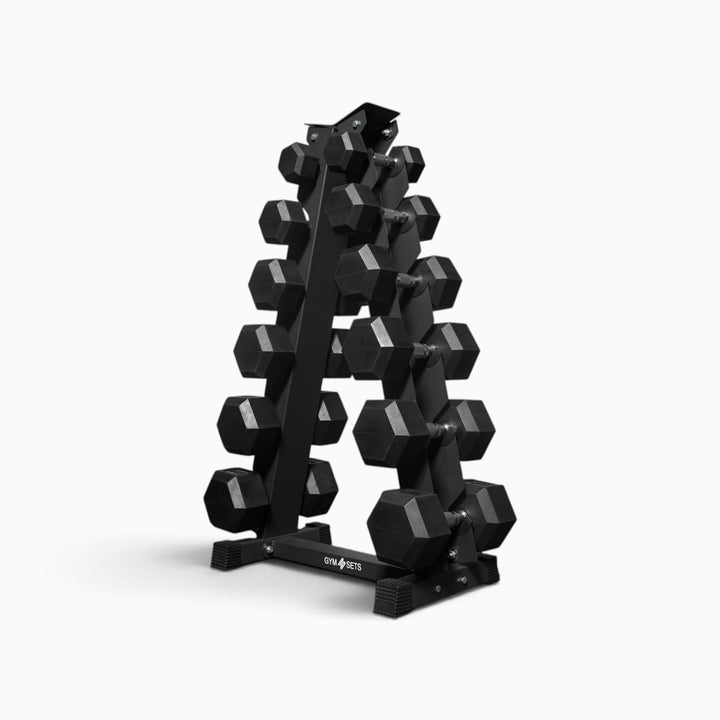
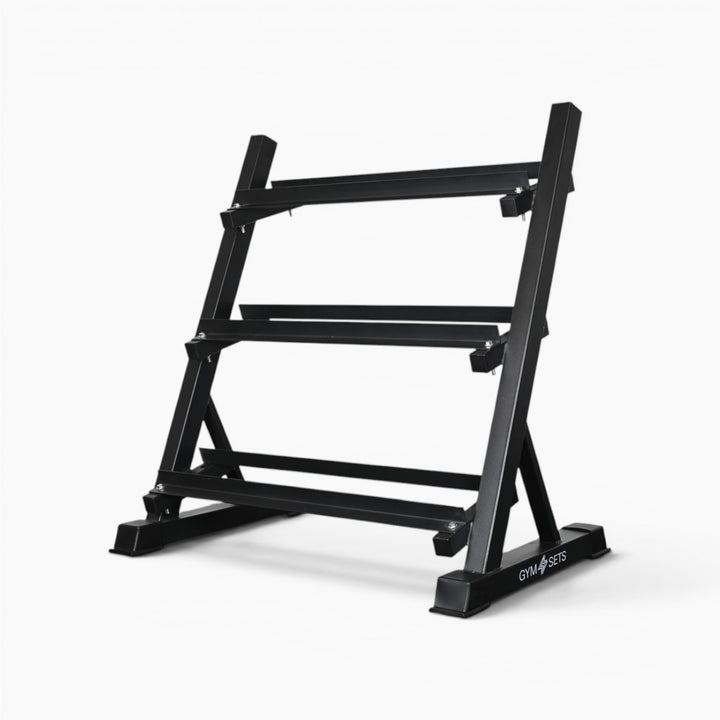
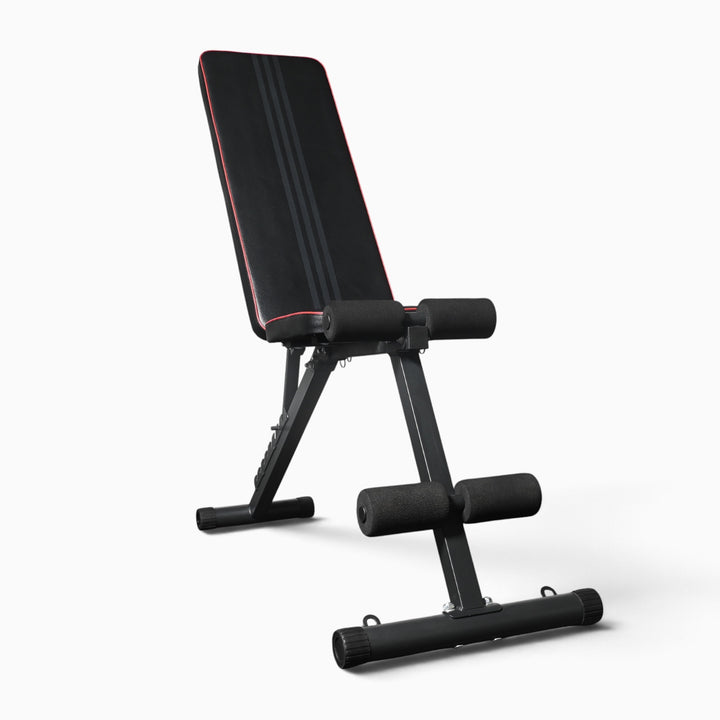
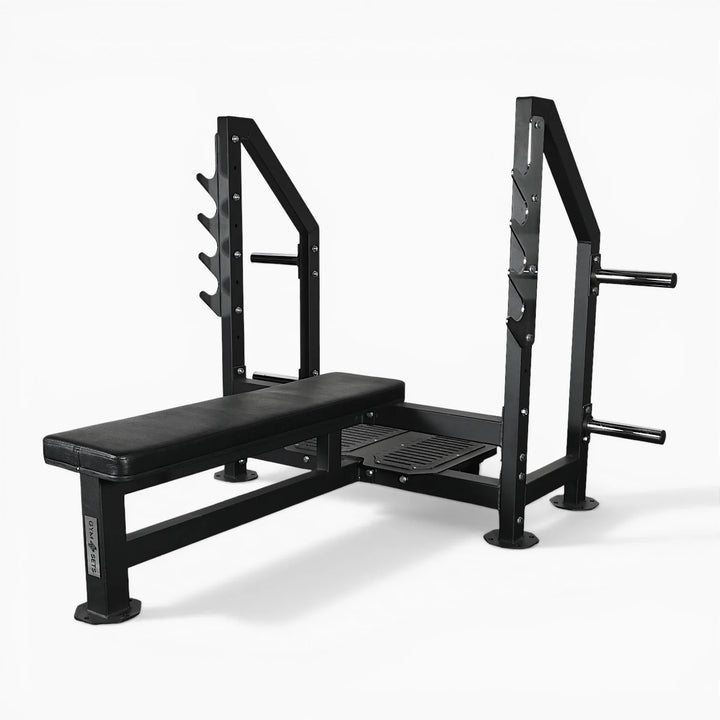
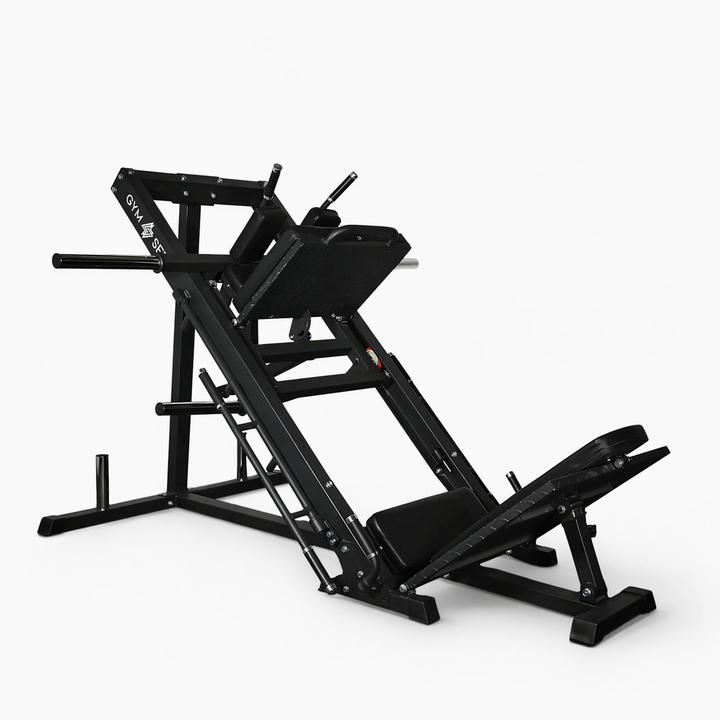
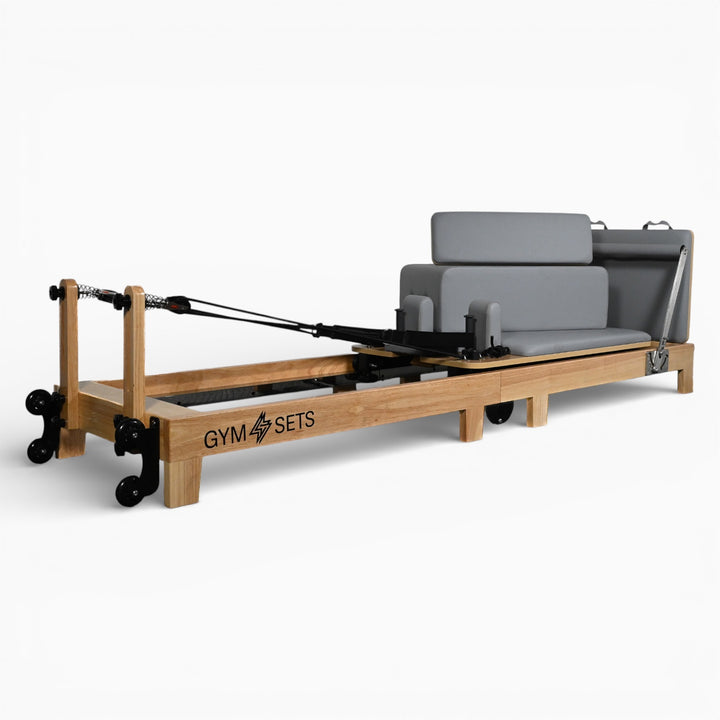
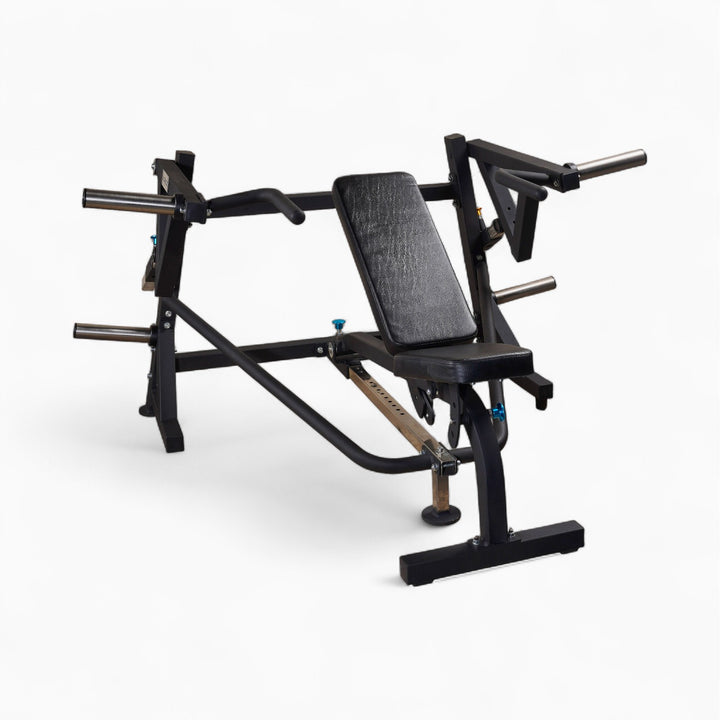
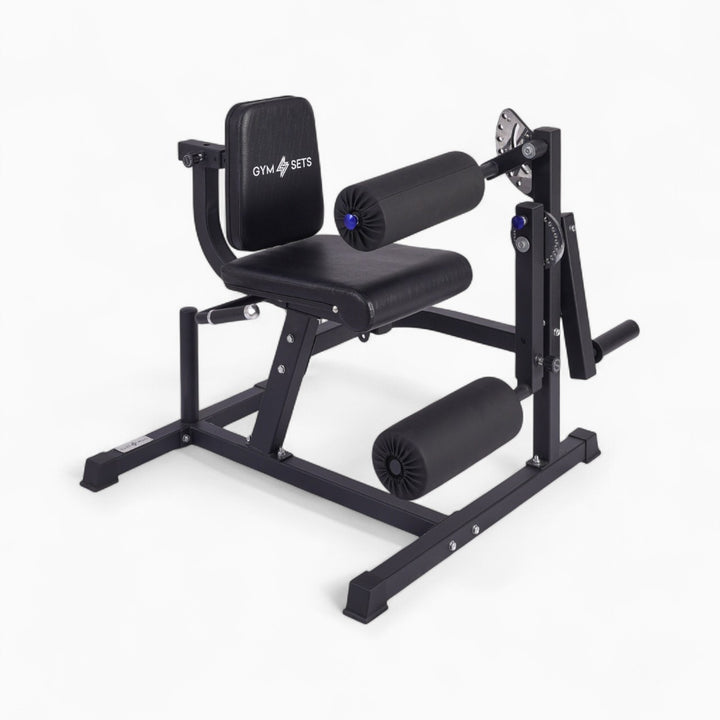
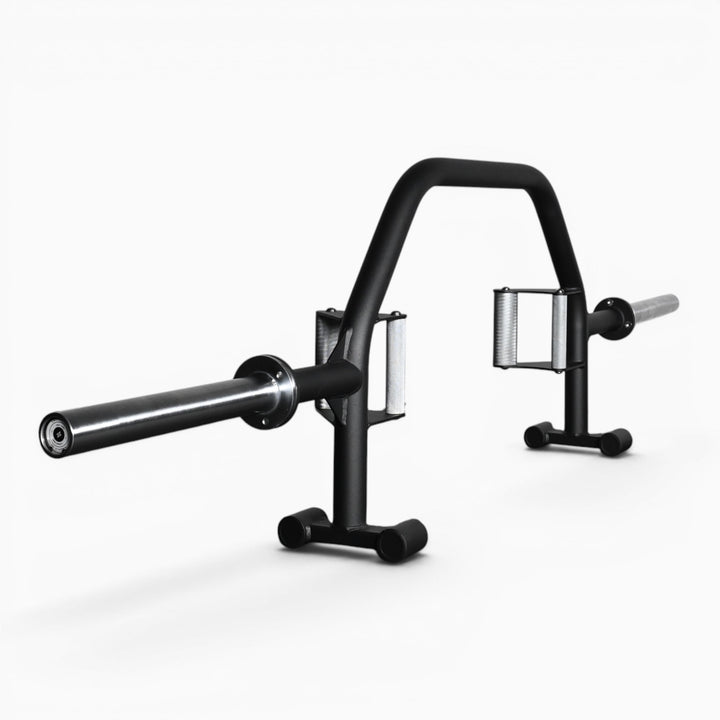
The temptation when building a commercial gym is to fill the floor with every machine imaginable to show off a diverse offering. However, seasoned operators know that quality beats quantity every time. Commercial-grade equipment is a significant capital expenditure, but it is built to withstand sixteen hours of daily use, which domestic or light-commercial gear simply cannot handle. When selecting your kit, prioritising biomechanical integrity and ease of maintenance is vital. Machines that are constantly out of order because parts are hard to source will frustrate your members and tarnish your reputation before you have even established a brand.
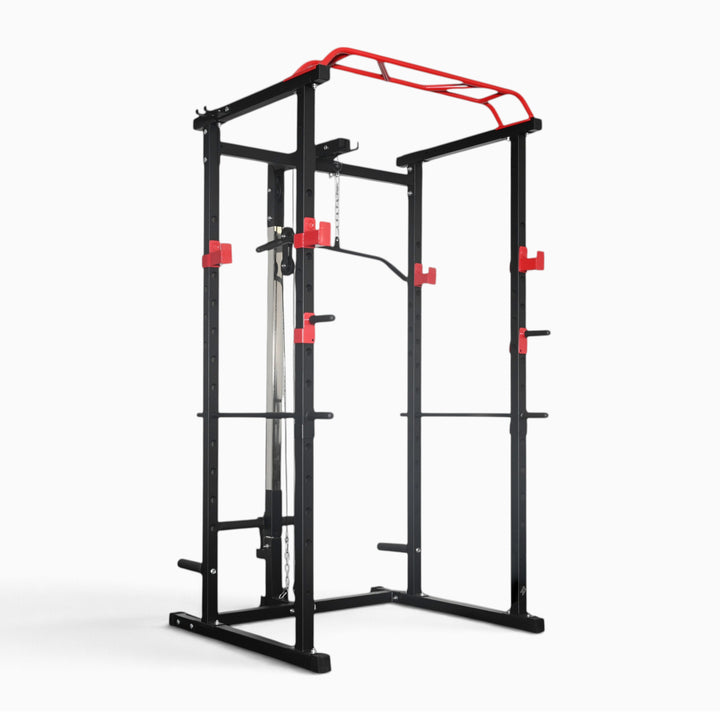
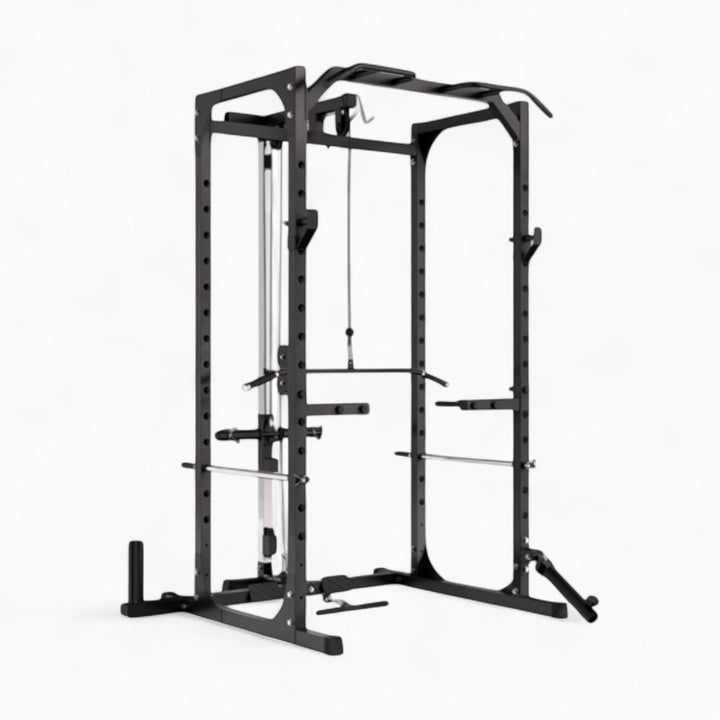
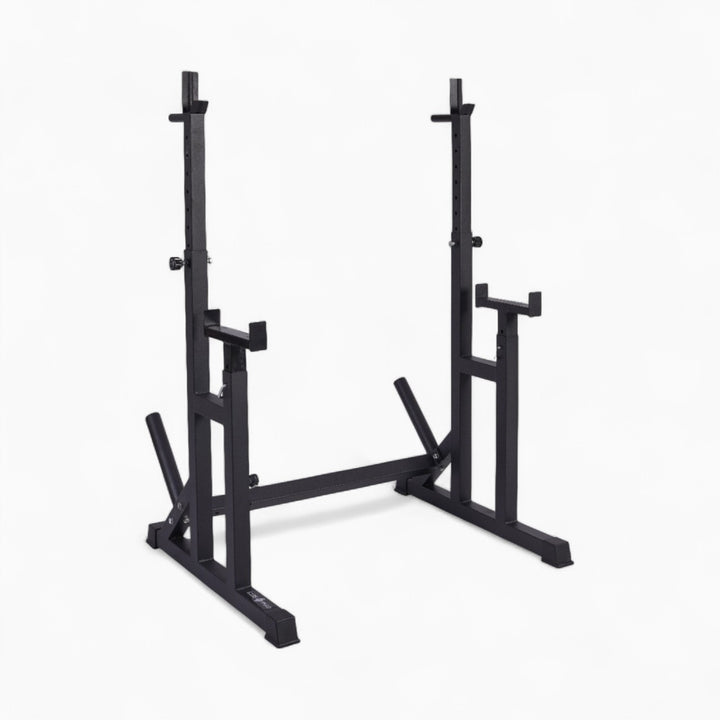
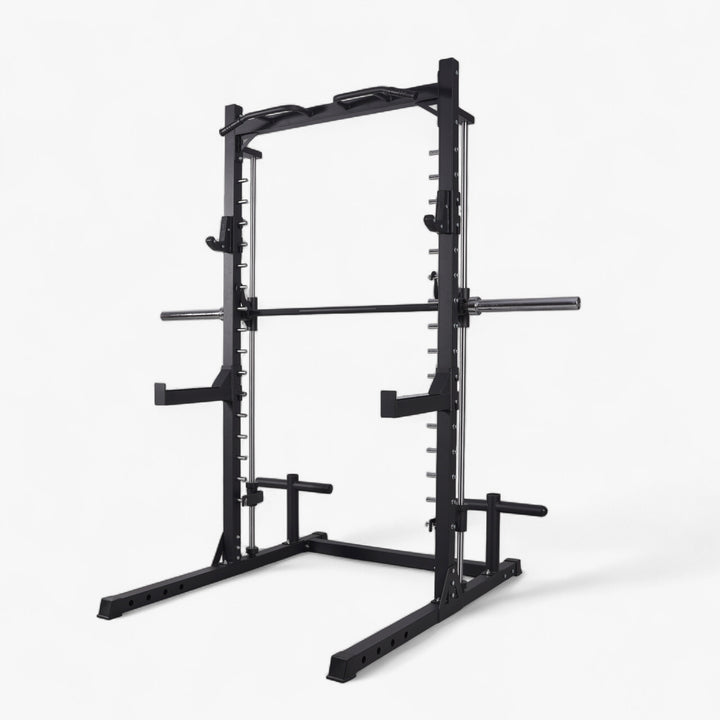
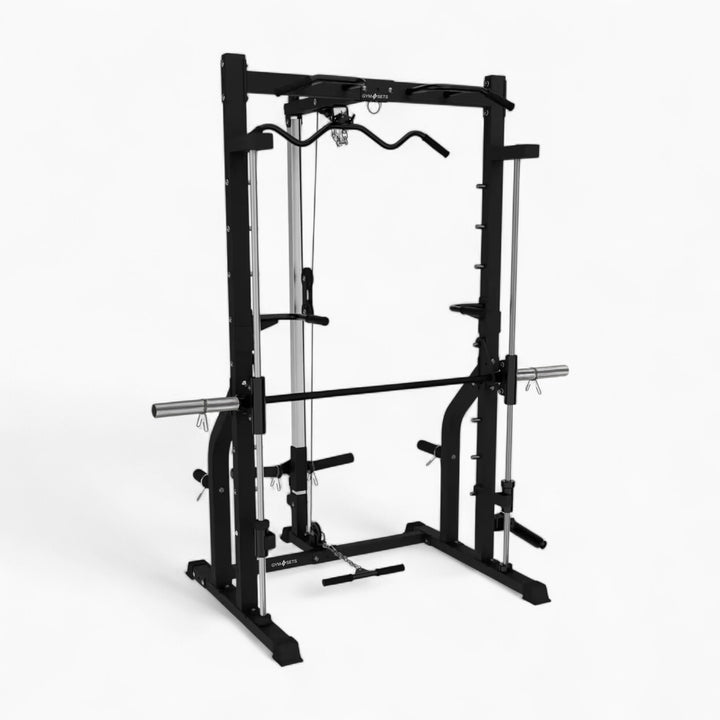
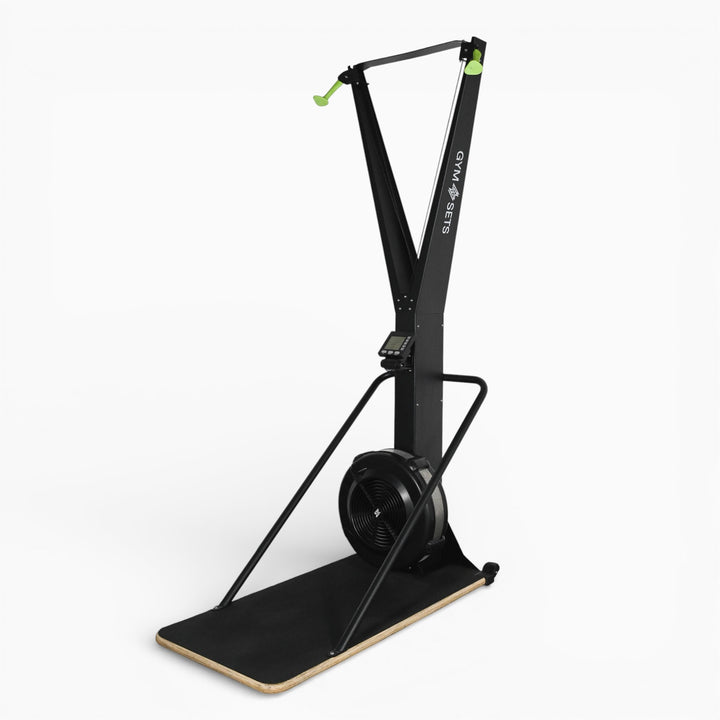
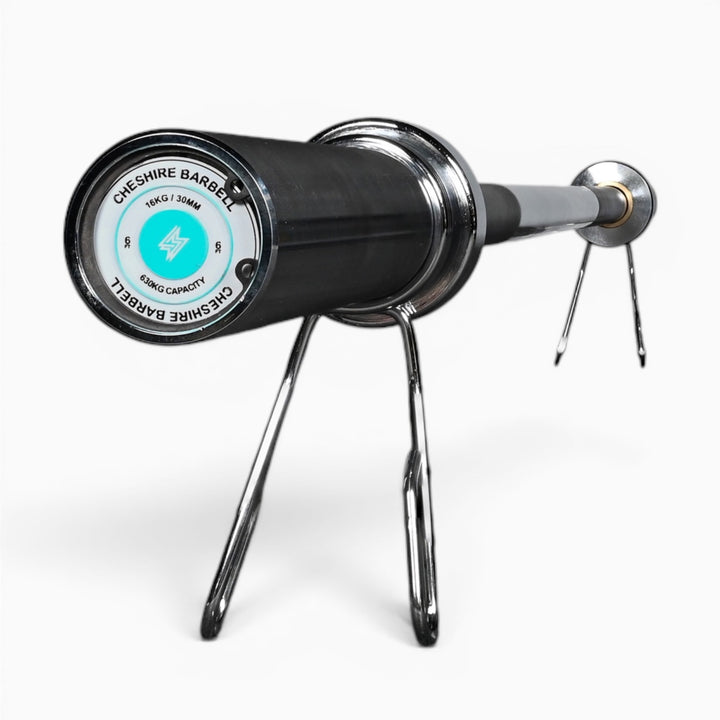
A smart way to approach equipment procurement is to focus on a "hero" range that defines your gym’s identity. If you are positioning yourself as a strength-focused facility, your racks and bars should be the best money can buy. If you are leaning towards weight loss and general health, your cardio suite should feature the latest integrated technology for tracking progress. It is also wise to consider the footprint of each piece of equipment. In a commercial gym, every square metre has a rental value attached to it. Multi-functional equipment that allows for several different exercises within a small footprint is often a better investment than a single-use machine that takes up a large amount of floor space.
The Invisible Essentials of Air and Sound
One of the most overlooked aspects of building a commercial gym is the mechanical and electrical engineering, specifically HVAC and acoustics. Gyms are high-moisture environments; without industrial-grade air conditioning and ventilation, the air will quickly become stagnant, humid, and unpleasant. This isn't just about comfort; it is about hygiene and the longevity of your equipment, as moisture can lead to premature rusting. You need a system that can handle rapid temperature changes as the gym fills up during peak hours. Budgeting for a high-spec climate control system is often the difference between a premium feel and a budget basement atmosphere.
Acoustics are equally critical. A commercial gym is naturally noisy, filled with the clanging of iron, high-tempo music, and the thud of treadmills. If your facility is located near residential units or offices, sound leakage can lead to legal headaches and forced closures. Investing in thick, high-density rubber flooring is the first line of defence against vibration. Beyond the floor, wall treatments and acoustic baffling on the ceiling can prevent echo, making the environment more pleasant for staff who spend all day in the building. A well-managed soundscape keeps the energy high without causing auditory fatigue for the members.
Changing Rooms and the Third Space Concept
In the modern fitness landscape, the gym is often a "third space"—the place between home and work where people spend a significant portion of their lives. Because of this, the quality of your changing rooms and social areas can be just as important as the gym floor itself. When building a commercial gym, do not treat the bathrooms as an afterthought. High-pressure showers, ample locker space, and premium vanity areas can justify a higher membership price point. The goal is to make the transition from a workout to the office as seamless as possible for your clients.
Creating a social hub, whether that is a small coffee bar or a simple seating area with charging ports, encourages community. Members who make friends at the gym are statistically much less likely to cancel their subscriptions. This communal aspect transforms your business from a utility—a place to move weights—into a lifestyle destination. When designing these areas, use materials that are durable but feel "residential" or "hospitality-led" to soften the industrial feel of the workout zones. This contrast helps members mentally switch gears from the intensity of their training to a state of recovery and socialisation.
Compliance and Safety Regulations
The legalities of building a commercial gym in the UK are stringent and require careful navigation. You must ensure that your facility complies with all building regulations, particularly regarding fire safety and emergency exits. A commercial gym often has a high occupancy load, meaning you need wide corridors, clearly marked exit routes, and adequate fire suppression systems. Furthermore, the Equality Act requires that your facility be accessible to people with disabilities. This includes everything from the width of your entrance doors to providing accessible changing facilities and ensuring there is enough space between equipment for wheelchair users to navigate.
Insurance is another pillar of your business foundation. You will need comprehensive public liability insurance, and your equipment should be covered under a policy that understands the specific risks of a commercial fitness environment. Health and safety protocols must be integrated into the design phase; for example, ensuring that mirrors are made of safety glass and are securely mounted, and that there are no sharp corners in high-traffic walkways. Regular maintenance schedules for every piece of equipment should be established from day one, not only to protect your investment but to ensure the safety of every person who walks through your doors.
Digital Integration and the Member Experience
We are living in an era where the digital and physical worlds are inextricably linked. Building a commercial gym in the current market requires a robust digital infrastructure. This starts with high-speed Wi-Fi throughout the building, but it extends into how members interact with your services. Integrated access control systems that allow members to enter using their smartphones or RFID tags provide a modern, frictionless experience. Furthermore, many members now expect their workout data to sync automatically from the machines to their personal fitness apps.
Your backend management software is the engine that keeps the business running. It should handle everything from membership billing and class bookings to lead management and automated marketing. When you are planning the physical layout, remember to include a dedicated space for staff to manage these systems effectively. A sleek, modern front desk that acts as a concierge point rather than just a barrier creates a more welcoming first impression. By weaving technology into the fabric of the gym, you provide a level of service that feels personalised and professional, helping you stand out in a crowded market.
Financial Forecasting and Sustainable Growth
The final, and perhaps most vital, consideration when building a commercial gym is the financial framework. It is easy to overspend on the "shiny" things and find yourself with a beautiful facility but no remaining capital for marketing or payroll. A realistic business plan should account for the "ramp-up" period—the months it takes to grow your membership base to a break-even point. Most new gyms do not turn a profit in their first year, so having a cash reserve is essential for survival.
Consider your recurring costs beyond just rent and rates. Electricity bills in a commercial gym can be staggering, especially with 24-hour lighting and climate control. Marketing should be viewed as a continuous investment rather than a one-off launch expense. As you build, keep an eye on scalability. Leave room in your budget and your floor plan to adapt to new fitness trends. Whether it is adding a dedicated recovery zone with infrared saunas or expanding your group functional training area, your gym should be a living, breathing entity that can evolve alongside the needs of your members. Building a commercial gym is a marathon, not a sprint, and those who plan with longevity in mind are the ones who ultimately cross the finish line of success.


