




If you have ever stepped foot in a commercial gym or scrolled through a home gym forum, you have likely noticed that not all weight plates are created equal. Some are small, thin, and fit on skinny bars, while others are massive, colourful, and look like they belong in a professional competition. Choosing between the two isn't just about aesthetics; it’s one of the most critical decisions you will make when building a strength routine or a home setup.
Understanding what is the difference between Olympic and standard plates is the first step toward spending your money wisely and training safely. In this guide, we are going to break down the technical specifications, the practical pros and cons, and exactly which set-up is right for your specific fitness goals. Let’s dive into the heavy lifting of gym gear.
The Core Technical Difference: It’s All About the Hole
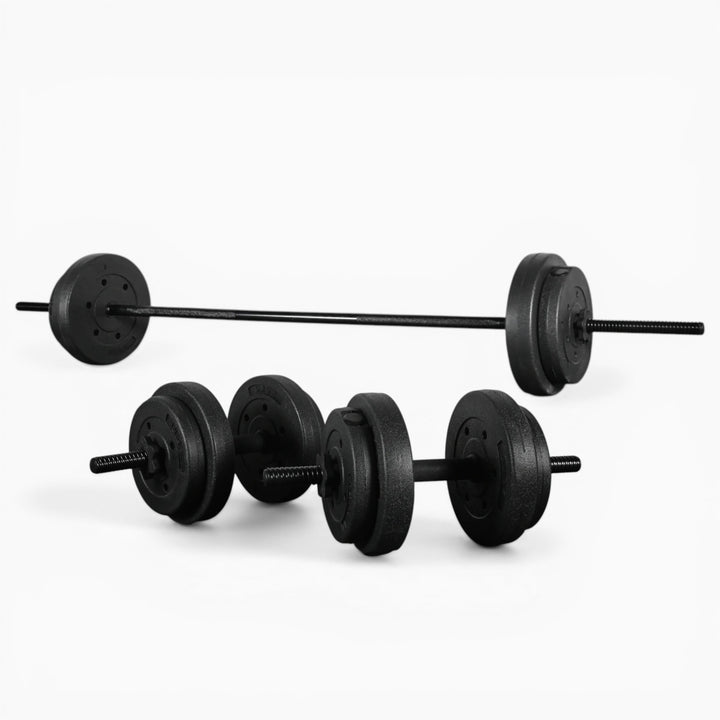
The most fundamental difference between these two types of plates is the diameter of the centre hole. This might seem like a minor detail, but it dictates every other piece of equipment you can use. Standard plates are designed with a 1-inch (25mm) centre hole. They are the "traditional" home gym choice, often found in starter kits at local sports shops.
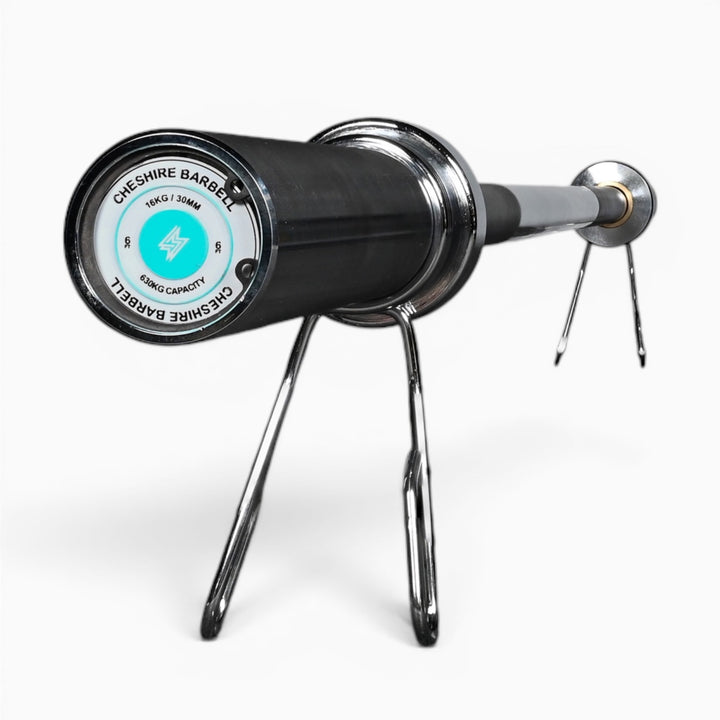
Olympic plates, however, feature a 2-inch (50mm) centre hole. This larger opening allows them to slide onto an Olympic barbell, which has thicker rotating "sleeves" at the ends. Because of this size discrepancy, the two are not interchangeable. You cannot fit a standard plate onto an Olympic bar, and while an Olympic plate would physically fit over a standard bar, it would wobble dangerously, making it completely unusable for safe lifting.
Dimensions and Weight Accuracy
When you buy a 10kg plate, you expect it to weigh 10kg. However, in the world of manufacturing, there is always a margin of error. Standard plates are typically mass-produced for the casual consumer market. This means their weight tolerance can vary significantly—sometimes by as much as 5% to 10%. If you are trying to hit a Personal Best (PB), having one side of the bar 1kg heavier than the other is a recipe for an imbalanced lift.
Olympic plates, particularly those used in competition, are held to much higher standards. High-quality Olympic plates often have a weight tolerance within 10 grams of the stated weight. Furthermore, Olympic plates have a universal outer diameter of 450mm for the heavier sizes (usually 15kg and up). This ensures that when the bar is on the floor, it sits at a consistent height, which is vital for movements like the deadlift.
Quick Comparison Table
| Feature | Standard Plates | Olympic Plates |
| Centre Hole Diameter | 1 inch (25mm) | 2 inches (50mm) |
| Barbell Compatibility | Standard Bars only | Olympic Bars only |
| Weight Tolerance | Higher (Less accurate) | Lower (Very accurate) |
| Max Load Capacity | Typically up to 150kg | Up to 750kg+ |
| Common Use Case | Home gyms, beginners | Commercial gyms, Powerlifting |
Why Barbell Stability Matters
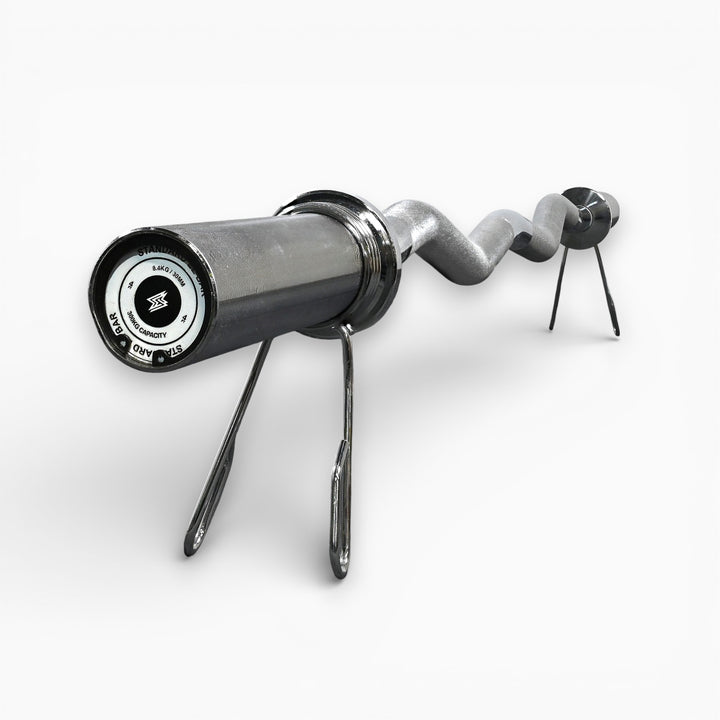
One of the biggest reasons serious lifters gravitate towards Olympic setups is the bar itself. Standard bars are usually solid pieces of steel with no moving parts. When you perform a curl or a press, the weight plates may spin slightly on the bar, creating torque that travels into your wrists and elbows. Over time, this can lead to joint strain or "golfer’s elbow."
Olympic bars are engineered with sleeves that rotate independently of the shaft using bearings or bushings. This allows the plates to spin freely while the bar remains stable in your grip. This is non-negotiable for "dynamic" lifts like the clean and jerk or the snatch. If you tried a heavy power clean with standard plates, the centrifugal force of the spinning weights would likely rip the bar out of your hands or tweak your wrists.
Durability and Material Construction
Standard plates are often made from "vinyl" or "sand-filled" plastic in cheaper sets, or solid cast iron in mid-range sets. While cast iron is durable, the thinner 1-inch bars they sit on are prone to bending once you start loading more than 100kg. If you are planning on getting significantly stronger, a standard set might only last you the first year of your training journey before it becomes a limitation.
Olympic plates are built for punishment. Beyond standard cast iron, you can find Bumper Plates, which are made of high-density rubber. These are designed to be dropped from overhead without cracking the floor or the plate itself. Because the Olympic bar is also much thicker and made of higher-grade spring steel, the entire system is designed to survive decades of heavy use in a high-traffic commercial gym environment.
The Versatility of Olympic Plates
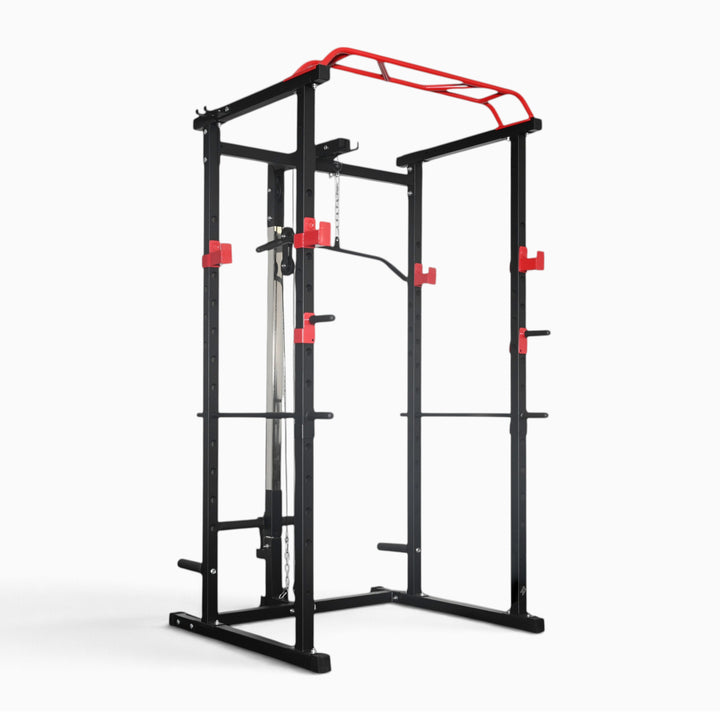
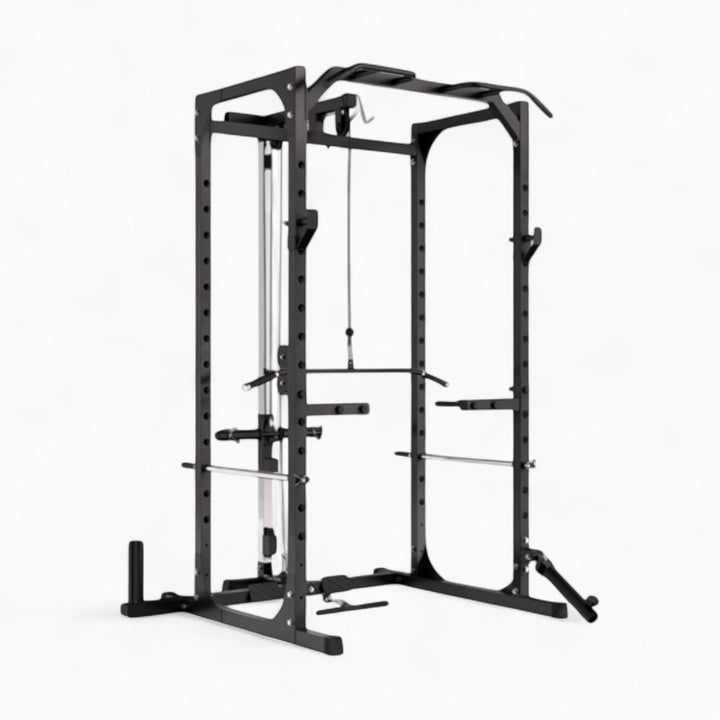
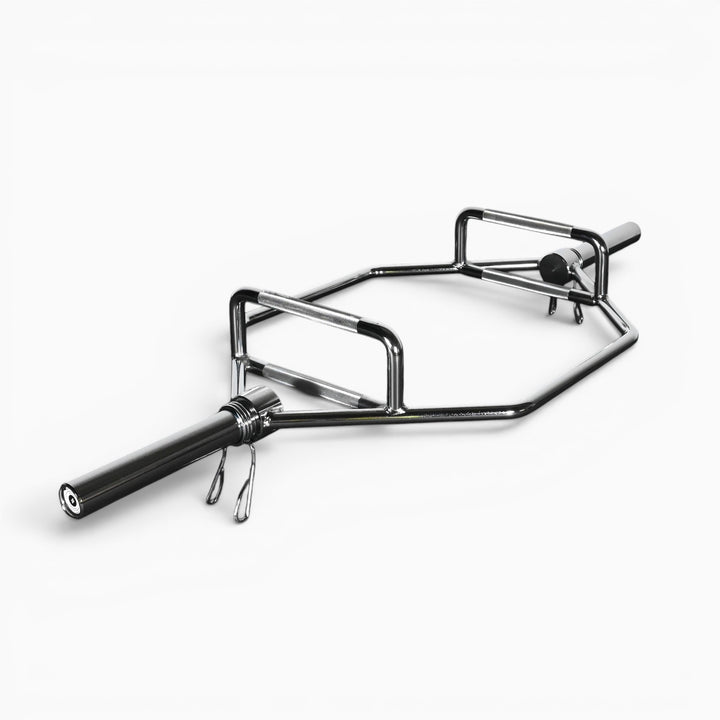
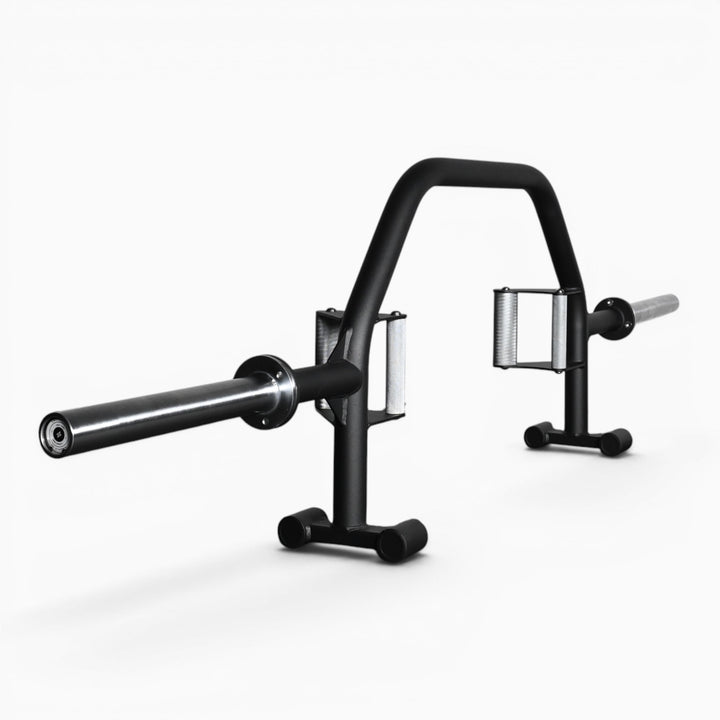
If you are looking for "future-proofing," Olympic plates win every time. Because the 2-inch sleeve is the global gym standard, you can use these plates on a massive variety of equipment. This includes power racks, plate-loaded lat pulldown machines, leg presses, and even specialised bars like trap bars (hex bars) or safety squat bars. Almost all high-end gym machinery is built for 2-inch Olympic holes.
Standard plates are much more limited. If you buy a standard bench press set today and decide next year that you want a high-end plate-loaded leg press for your garage, you will likely find that your standard plates won't fit. You would be forced to sell your entire collection and start again. Starting with Olympic plates might cost a bit more upfront, but it saves you from "buying twice" in the long run.
Aesthetics and "Gym Feel"
It might sound vain, but the "feel" of your equipment affects your motivation. Standard plates often look like toys compared to their Olympic counterparts. They are smaller in diameter, which means for exercises like deadlifts, the bar starts much closer to the floor. This forces you into a deeper, often more awkward squat position to pick the weight up, which can be tough on the lower back if your mobility isn't perfect.
Olympic plates provide that "big gym" feel. The 450mm diameter of a 20kg Olympic plate puts the bar at the perfect mid-shin height for optimal pulling mechanics. There is also a distinct sound—the "clink" of iron Olympic plates or the satisfying "thud" of rubber bumpers—that signals a serious training session. If you want your home gym to feel like a sanctuary of strength, Olympic is the way to go.
When Should You Choose Standard Plates?
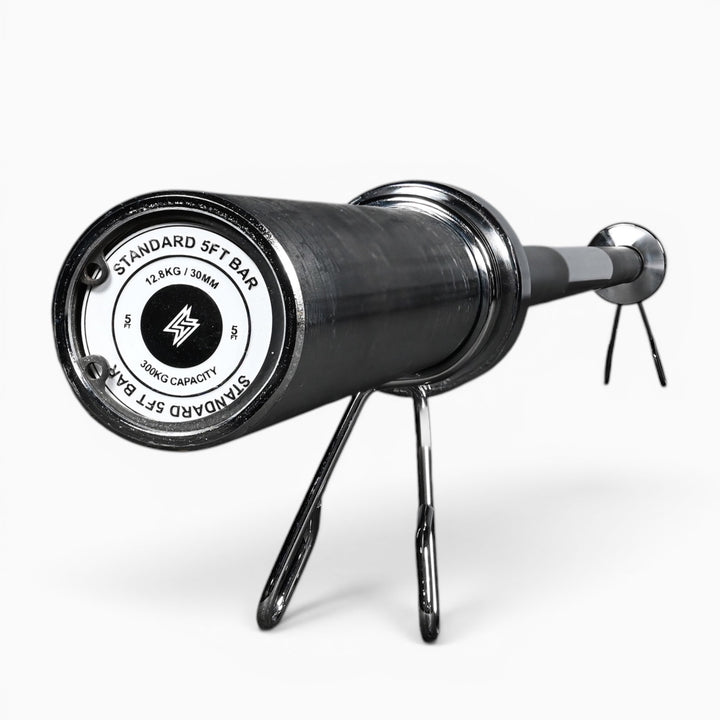
Despite the advantages of Olympic gear, standard plates do have a place. Their primary selling point is price and space. If you are on a very tight budget and just want to do some basic bicep curls, overhead presses, and rows in a spare bedroom, a standard set is significantly cheaper. The bars are also shorter (usually 5ft or 6ft) compared to the 7ft length of a standard Olympic bar, making them easier to manoeuvre in cramped flats.
-
Budget-conscious beginners: Just looking to get moving.
-
Junior lifters: Children or young teens who don't need heavy loads.
-
Space-limited users: Living in small apartments where a 7ft bar won't fit.
-
Specific isolation work: Some people prefer standard dumbbells because they are less bulky for high-rep lateral raises.
When Is It Time to Go Olympic?
If your goal involves the "Big Three" (Squat, Bench, Deadlift) or any form of CrossFit or Olympic Weightlifting, you should skip the standard plates entirely. The moment you aim to lift more than your own body weight, the safety and stability of the Olympic system become paramount. The 2-inch sleeve is designed to handle loads upwards of 500kg, whereas a standard bar may start to visibly "bow" or bend permanently at just 120kg.
Furthermore, if you ever plan on joining a local powerlifting or weightlifting club, training on Olympic equipment at home ensures that your "gym lifts" translate perfectly to "competition lifts." The grip diameter of an Olympic bar (28mm-29mm) is the global standard for testing strength. Training on a skinny standard bar can actually make your grip feel weaker when you finally switch to the thicker Olympic version.
Weight Ranges and Increments
Both styles offer a wide range of weights, but the increments usually differ. Standard sets often come in "spinlock" varieties where you can add very small 0.5kg or 1.25kg plates easily. This is great for "progressive overload," the practice of adding a tiny bit of weight each week to keep getting stronger. While Olympic sets also have 1.25kg plates, they often start at a heavier "base" weight (the bar itself is 20kg, whereas a standard bar might only be 5kg to 7kg).
For beginners, a 20kg Olympic bar can actually be too heavy for some exercises, like the strict overhead press. In this case, you might need to look for a "technique bar" (which is an Olympic bar made of aluminium weighing 7kg to 10kg) so you can still use your Olympic plates while building up your initial strength. This allows you to maintain the 2-inch standard while accommodating lower starting strengths.
Storage Solutions and Organisation
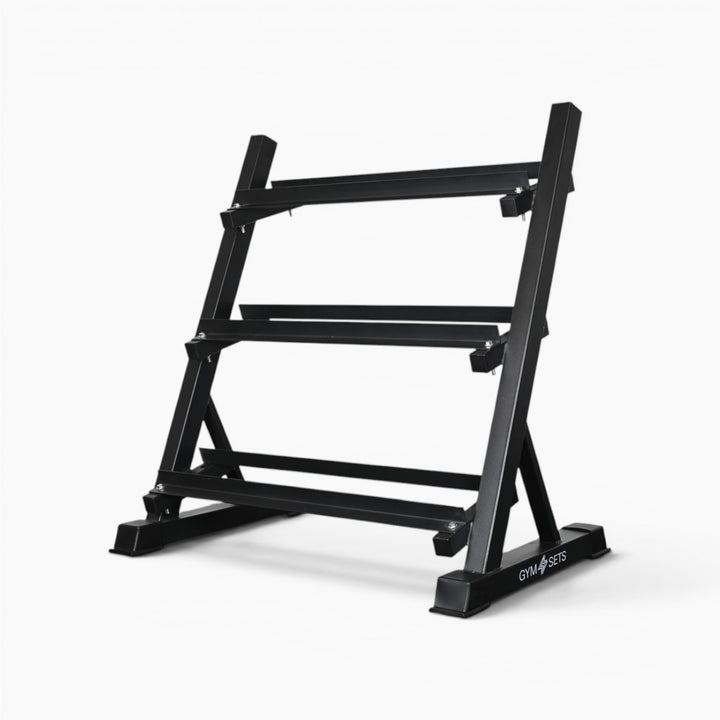
Because Olympic plates have a uniform size for the heavier weights, they are much easier to store on "weight trees" or "toasters." Standard plates come in all sorts of weird and wonderful shapes and sizes depending on the brand, which can make your home gym look cluttered. Most professional storage racks are built specifically for 2-inch pegs, meaning your organisation options are much better with Olympic gear.
Furthermore, if you opt for colour-coded Olympic plates (Red = 25kg, Blue = 20kg, Yellow = 15kg, Green = 10kg), it becomes incredibly easy to see at a glance exactly how much weight is on the bar. This prevents "maths errors" during a heavy session—something every lifter has experienced at least once when they’ve accidentally loaded one side heavier than the other!
Final Verdict: Which One Should You Buy?
In the debate of what is the difference between Olympic and standard plates, the winner depends entirely on your horizon. If you see fitness as a lifelong pursuit and you want to build a serious physique or high levels of strength, Olympic plates are the only logical choice. They offer better safety, higher weight capacities, and better resale value if you ever decide to upgrade your kit.
However, if you are simply looking for a cheap way to stay toned and have very little space, a standard set will do the job for basic resistance training. Just be aware that if you catch the "lifting bug," you will likely find yourself browsing for Olympic sets within six months. As the old saying in the fitness world goes: "Buy once, cry once." Investing in quality Olympic equipment now will serve you for the rest of your life.


