




Welcome to the ultimate, science-backed guide to building broader, more defined shoulders. If you have been lifting heavy but find your upper body still looks narrow, you are likely hitting the wrong volume targets.
In this blog, we will break down exactly how many weekly sets you need to spark growth, how to split that volume between the three distinct parts of your shoulder, and how to structure your workouts using high-quality gym equipment to get the best results.
We will also look at the difference between compound overhead presses and isolation raises so you can design a routine that actually works. Let us dive straight into the numbers.
The Short Answer: Your Weekly Shoulder Volume Sweet Spot
For most lifters, the optimal volume range is 10 to 20 weekly sets specifically dedicated to your shoulders. This total volume should be spread across two to three workouts per week rather than blasted all in a single "shoulder day" session.
If you are a complete beginner, starting at the lower end with 10 to 12 sets per week will give your joints and muscles plenty of stimulus to grow. Your body will adapt quickly to this new stress without leaving you too sore to train.
Intermediate and advanced lifters will find they need to push closer to 15 to 20 weekly sets to force the muscles to adapt and grow. Going beyond 20 sets is rarely necessary and often leads to "junk volume," where you are simply tiring yourself out without building any extra muscle.
Understanding Your Shoulder Anatomy
To understand why we break our sets down the way we do, we need to take a quick look at how the shoulder muscle is built. The shoulder, or deltoid, is not just one single muscle that you can train with a single exercise.
Your shoulders are made of three distinct heads, and each one requires a slightly different movement to target. If you only perform one type of exercise, you will end up with unbalanced shoulders that look flat from the side or back.
-
The Anterior Deltoid (Front Delts): This is the front part of your shoulder that pushes things overhead. It gets a massive amount of indirect work whenever you do incline dumbbell presses, flat bench presses, or push-ups.
-
The Lateral Deltoid (Side Delts): This is the middle portion of the muscle that is responsible for giving you that wide, "V-taper" look. It is activated when you raise your arms out to the sides, which means isolation movements are essential here.
-
The Posterior Deltoid (Rear Delts): Located at the back of your shoulder, this head pulls your arms backward. It is vital for posture, shoulder joint health, and creating a thick, three-dimensional look from the side and rear.
Breaking Down Your 15-Set Weekly Routine
Because the front delts get so much work during your chest press workouts, you do not need to train them with as many direct sets as your side and rear delts. A balanced, 15-set weekly routine should be split logically to ensure no area is left behind.
-
Front Delts (3 to 4 sets weekly): Since these are highly active during bench pressing, a few heavy sets of overhead presses or front raises per week are usually more than enough to trigger growth.
-
Side Delts (6 to 8 sets weekly): Because these muscles are rarely used in daily life or heavy compound lifts, they need direct, focused work. You should dedicate a significant portion of your weekly volume to lateral raises.
-
Rear Delts (5 to 6 sets weekly): These are crucial for joint stability and structural balance. Hitting them with face pulls or rear delt flyes will keep your shoulders healthy and looking fully rounded.
Why More Is Not Always Better: The Trap of Junk Volume
In the fitness world, it is incredibly easy to fall into the trap of thinking that doing 30 or 40 sets per workout will lead to faster muscle growth. However, scientific research shows that our muscles have a limit to how much growth stimulus they can absorb in a single session.
Once you pass around 8 to 10 high-effort sets for a single muscle group in a single workout, any extra sets you perform are considered junk volume. These extra sets do not trigger any more muscle growth, but they do dramatically increase the time it takes for your body to recover.
Instead of doing one massive shoulder workout on a Monday, you will get much better results by splitting those 15 sets across two separate training days. For example, you could do 8 sets on Tuesday and 7 sets on Friday.
The Role of High-Quality Equipment in Shoulder Training
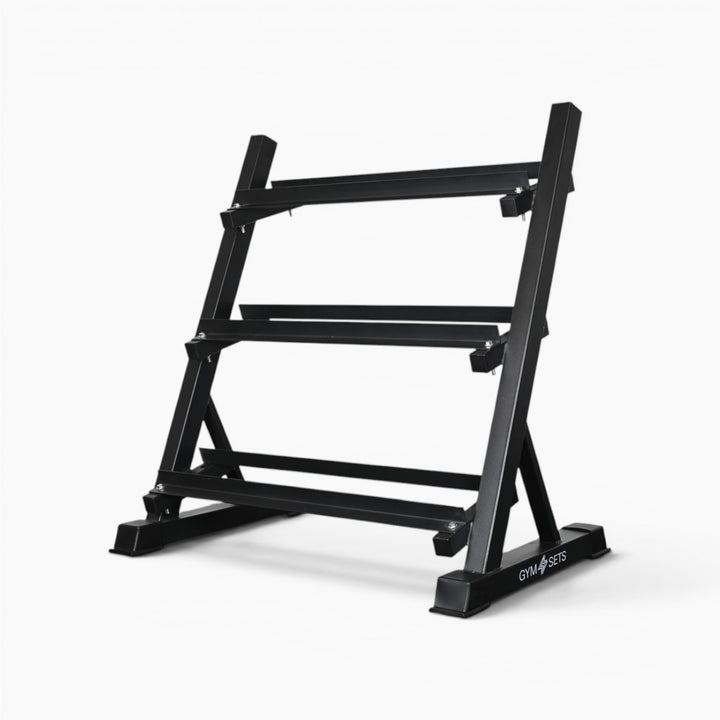
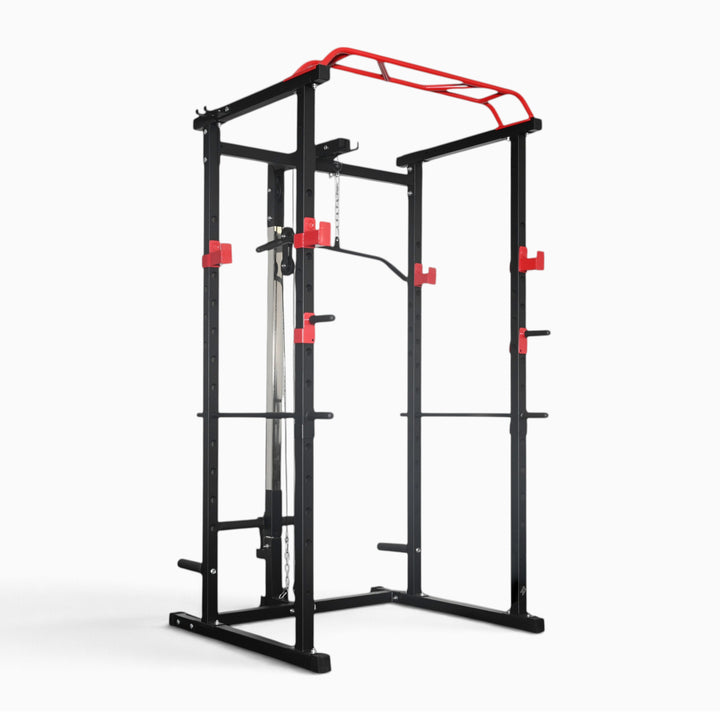
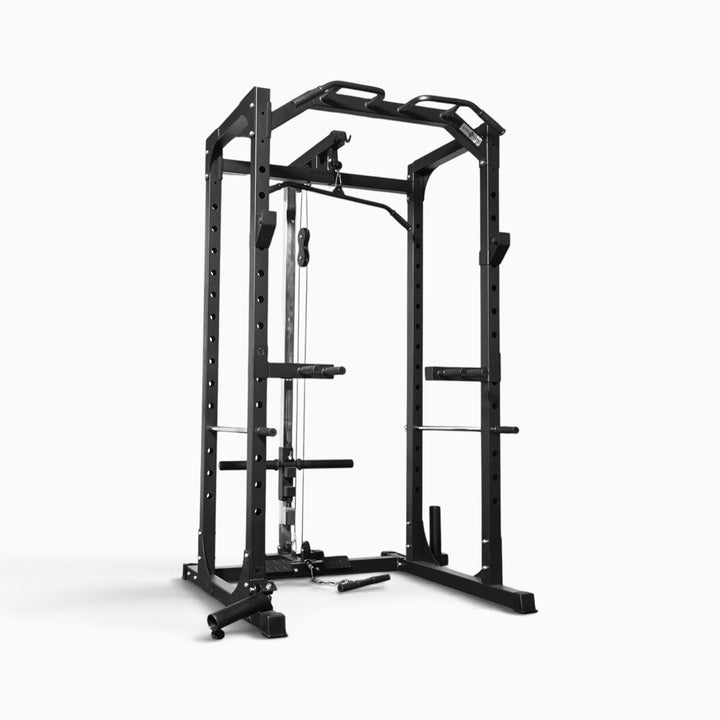
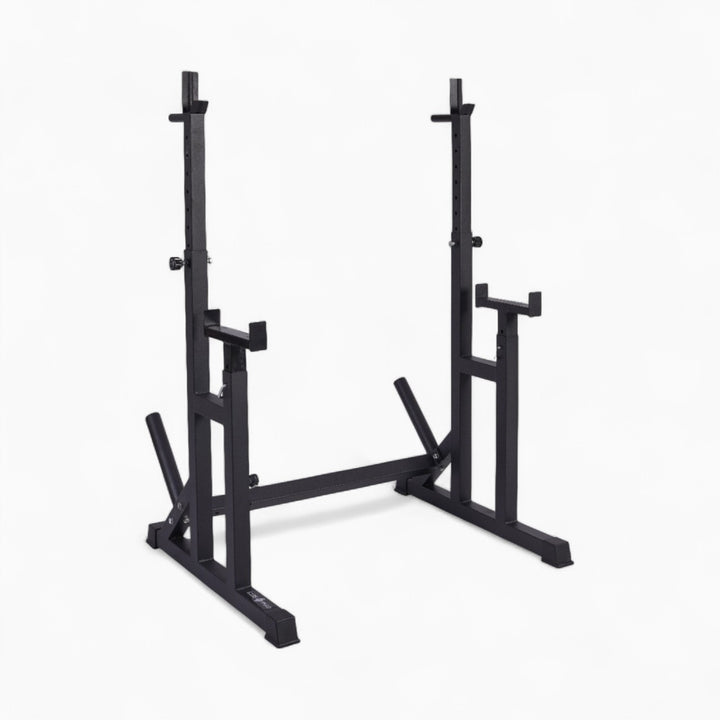
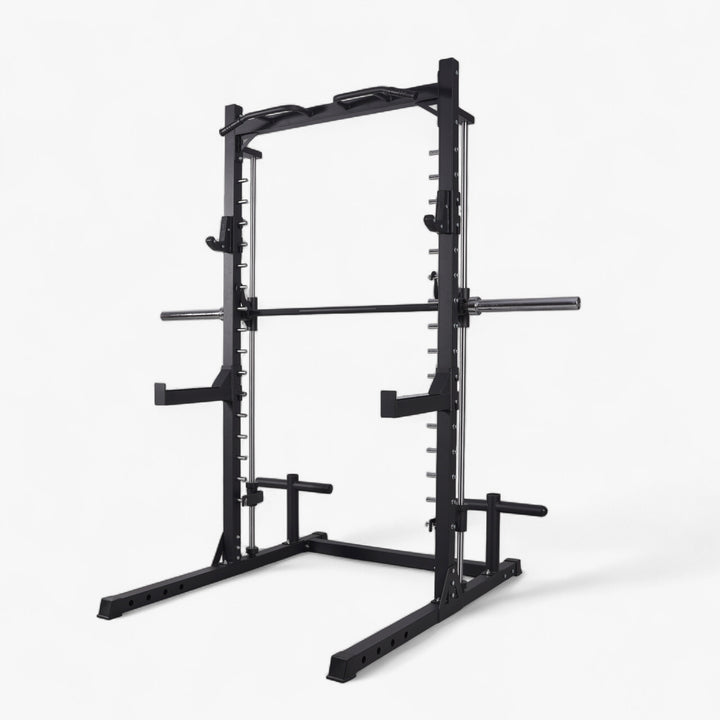
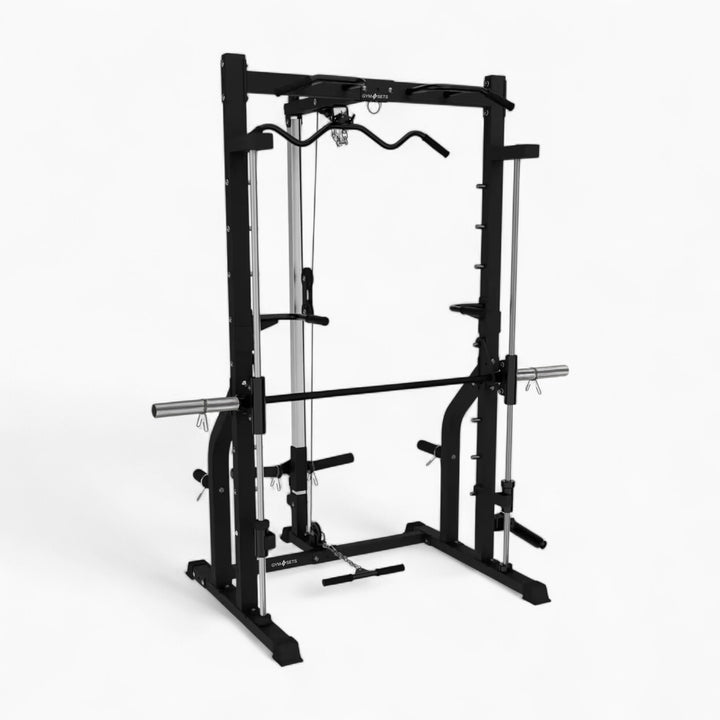
When you are aiming to hit 15 high-quality sets a week, the gear you use matters. Training with cheap, unbalanced weights can put unnecessary stress on your rotator cuffs and wrists, which can easily lead to frustrating joint injuries.
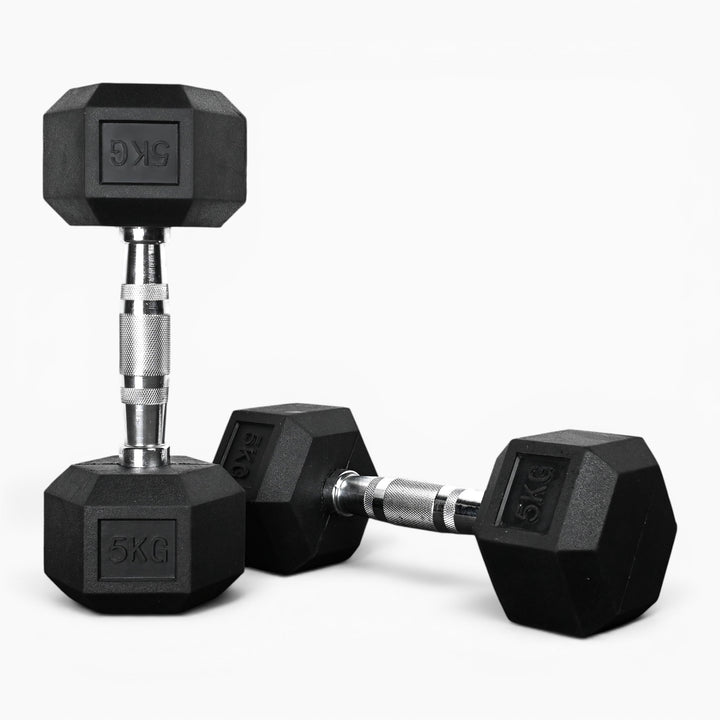
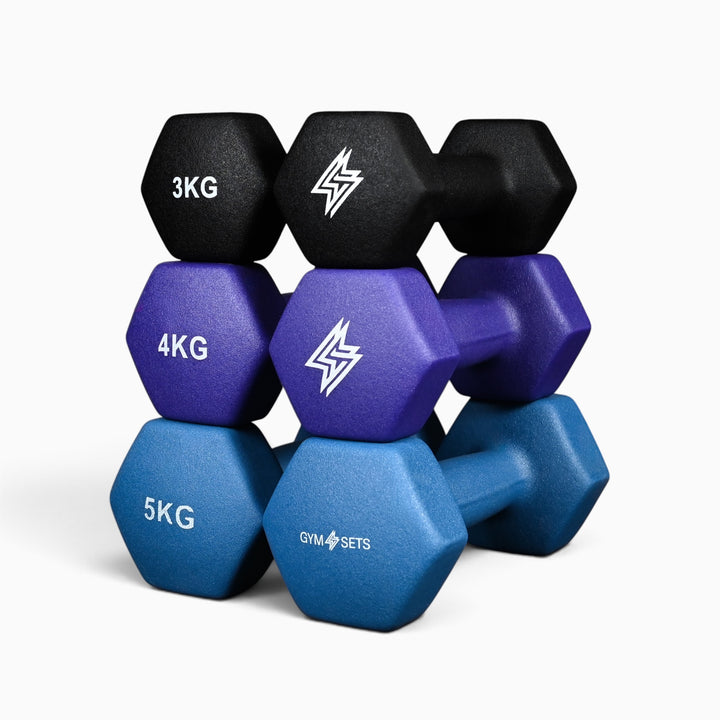
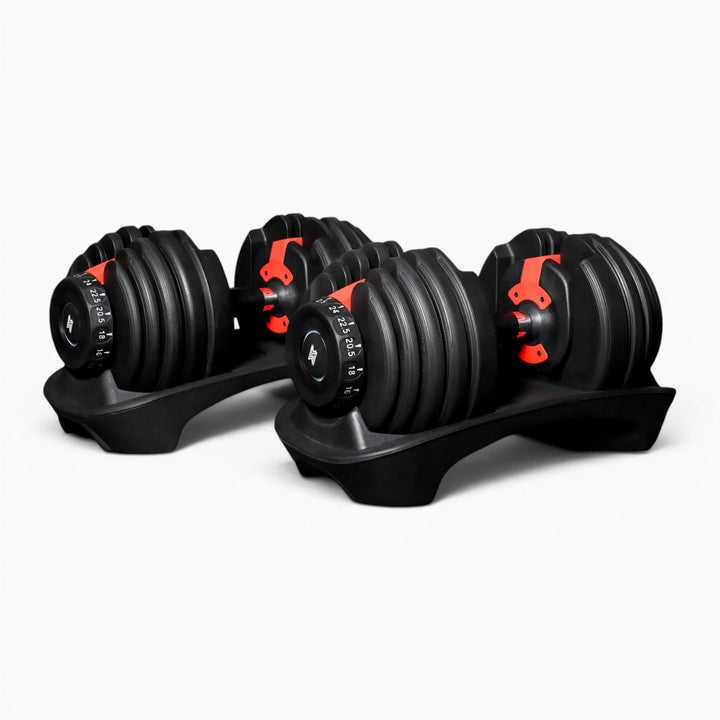
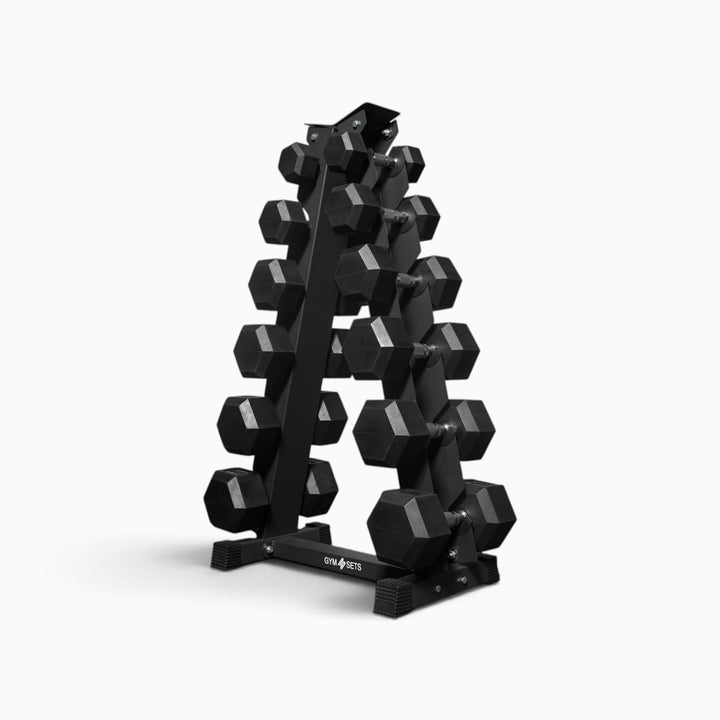
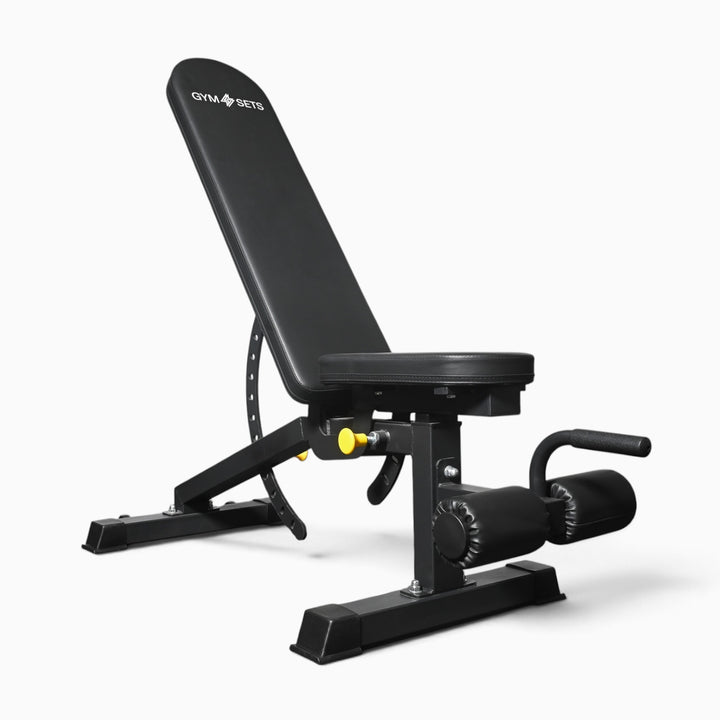
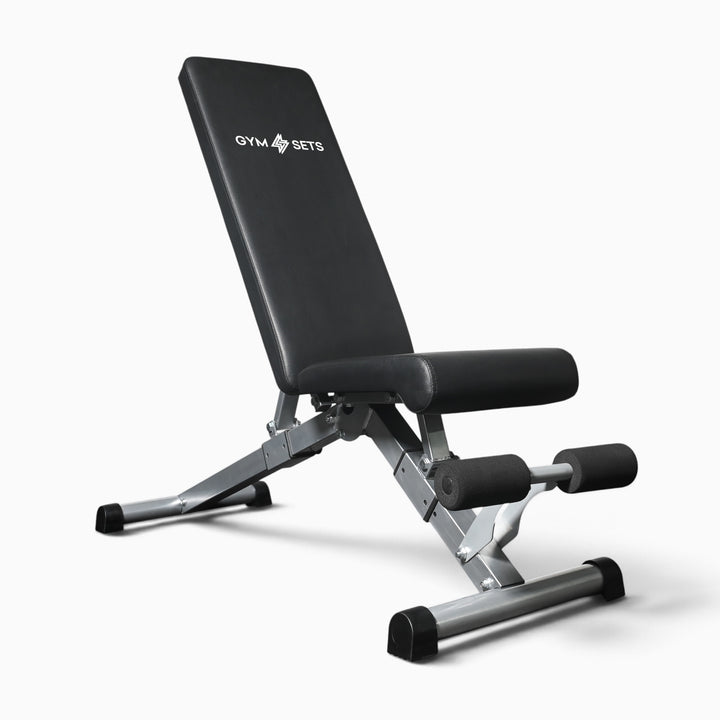
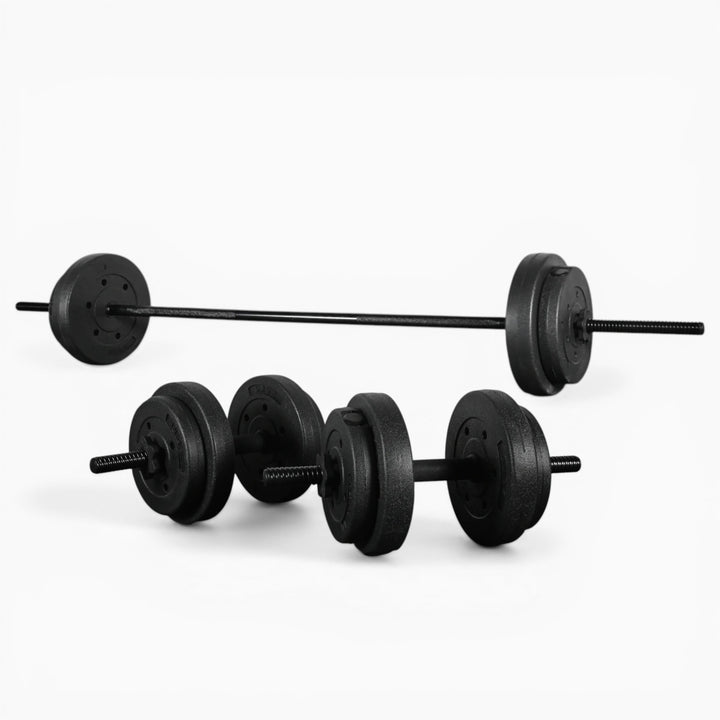
Using premium dumbbells, adjustable benches, and resistance bands ensures that the load remains smooth and consistent throughout the entire range of motion. This constant tension is exactly what your side and rear delts need to grow.
Investing in solid home gym gear allows you to maintain perfect form, which is far more important than simply throwing heavy weights around. If you want to explore professional-grade gear designed to help you hit your weekly set targets safely, check out the premium collections at Gymsets.
Designing Your Weekly Shoulder Workout Plan
To build big shoulders, you should do 10 to 20 weekly working sets targeted across all three deltoid heads. Beginners should start with 10 to 12 sets per week, while advanced lifters can scale up to 15 to 20 sets to break through plateaus.
To help you put this information into action, here is an example of how you can structure your 15 weekly sets across a two-day split. This setup ensures all three heads of the shoulder are hit with maximum intensity.
Workout A (Typically performed early in the week)
-
Seated Dumbbell Shoulder Press: 3 sets of 8 to 10 repetitions. This compound movement targets your front delts and allows you to load the muscle with heavier weights safely.
-
Dumbbell Lateral Raises: 4 sets of 12 to 15 repetitions. Focus on lifting the dumbbells out to the sides rather than swinging them up with momentum.
Workout B (Typically performed 3 to 4 days later)
-
Cable or Dumbbell Rear Delt Flyes: 4 sets of 15 repetitions. Keep your shoulder blades spread wide to ensure the tension stays directly on the back of the shoulder.
-
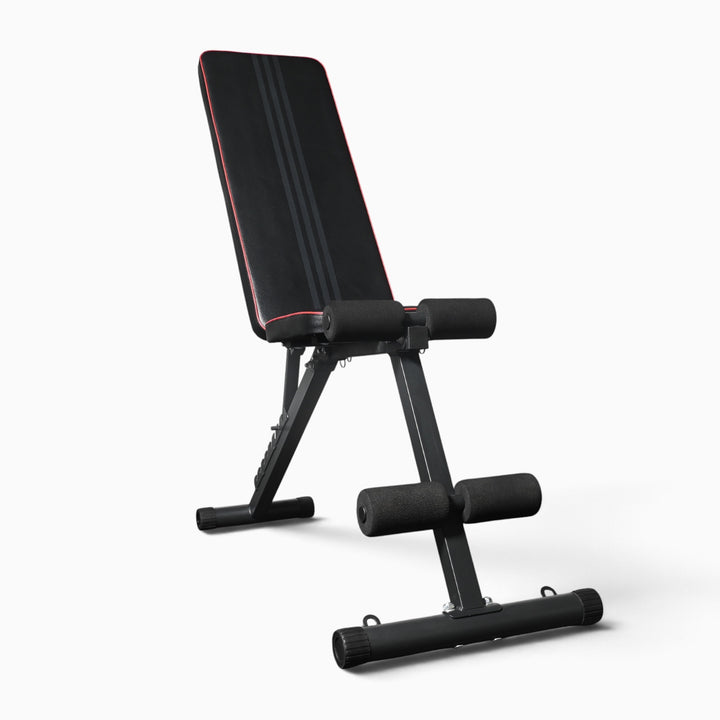
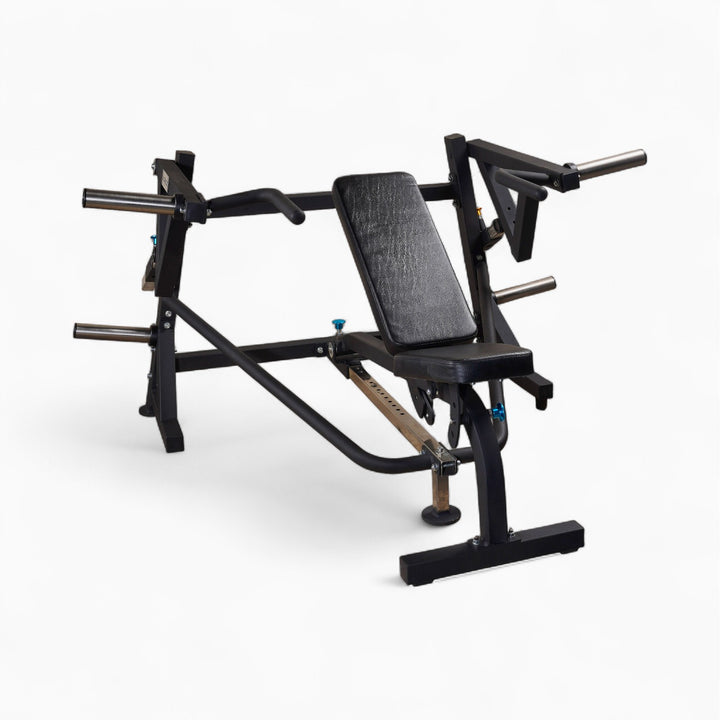
Incline Bench Lateral Raises: 4 sets of 12 repetitions. Lying sideways on an incline bench places maximum tension on the lateral delt at the very start of the movement where it is usually easiest.
Progressive Overload: The Secret to Making Sets Count
Simply doing 15 sets every single week will eventually stop working if you do not challenge your muscles over time. To keep growing, you must apply the principle of progressive overload.
This means you need to find ways to make those 15 sets more challenging as the weeks go by. You can do this by slightly increasing the weight, performing more repetitions with the same weight, or improving your lifting technique.
-
Increase the weight: If you can comfortably complete 12 repetitions on all of your lateral raise sets, it is time to move up to the next dumbbell size.
-
Increase the repetitions: If you cannot increase the weight without ruining your form, try to perform 13 or 14 reps per set instead of 12.
-
Improve your control: Slow down the lowering phase of each lift to three seconds. This increases the time your muscles spend under tension, which is a powerful trigger for hypertrophy.
Common Shoulder Training Mistakes to Avoid
Even if you are doing the exact right number of sets, your shoulders will not grow if you are making these common gym errors. Let us look at what might be holding your progress back.
-
Using too much momentum: Because the side and rear delts are relatively small muscles, they do not require massive weights. Swinging your body to lift heavy dumbbells shifts the work to your traps and lower back.
-
Neglecting the rear delts: Many lifters spend all their time pressing and completely ignore the back of their shoulders. This leads to an unbalanced, rolled-forward posture that makes your chest and shoulders look smaller.
-
Flaring your elbows during presses: When performing overhead presses, flaring your elbows directly out to the sides puts immense pressure on your rotator cuffs. Keep your elbows tucked slightly forward at a 30-degree angle for safer pressing.
Fueling and Recovering for Maximum Growth
No matter how hard you train in the gym, your body cannot build new muscle tissue without the right fuel and rest. Your 15 weekly sets are simply the trigger; the actual growth happens while you are resting and eating.
To support muscle repair, ensure you are eating enough protein every day. Aim for roughly 1.6 to 2.2 grams of protein per kilogram of body weight, spread out across your meals.
Sleep is also your ultimate recovery tool. During deep sleep, your body releases human growth hormone, which repairs the micro-tears created in your shoulder muscles during your workouts. Aim for 7 to 9 hours of quality sleep each night to maximize your gains.
Frequently Asked Questions About Shoulder Training
Can I build big shoulders using only dumbbells?
Yes, dumbbells are actually one of the absolute best tools for building shoulders because they allow your wrists and shoulders to move through a natural, pain-free path of motion.
Should I train shoulders before or after my chest workout?
If your main goal is to grow your shoulders, you should train them at the beginning of your workout when your energy levels are highest, or on a completely separate training day.
How long does it take to see noticeable shoulder growth?
With a consistent routine of 12 to 15 sets per week, proper nutrition, and progressive overload, you can expect to see noticeable changes in your shoulder shape within 6 to 8 weeks.
Conclusion: Take Action on Your Shoulder Training
Building impressive, wide shoulders does not require hours of endless lifting every single day. By targeting the optimal range of 10 to 20 sets per week and distributing that work evenly across the front, side, and rear heads, you will unlock steady and consistent growth.
Remember to prioritize clean technique, focus heavily on your lateral and rear delts, and give your body the rest and nutrition it needs to rebuild. Grab a high-quality set of weights, stick to your plan, and watch your upper body transform over the coming months.