



Building a home gym is one of the most empowering investments you can make for your health. It removes the barriers of travel time, gym anxiety, and monthly fees, leaving you with just one thing: the opportunity to move. But once you’ve decided to commit to a home setup, the first question is almost always the same: “What weights should I actually buy?”
At Gym Sets, we believe fitness should be accessible to everyone. Whether you are looking to tone up, build serious muscle, or simply keep your joints healthy, choosing the right resistance is critical. Go too light, and you won’t stimulate change; go too heavy, and you risk injury.
In this guide, we’ll break down how and where to find your ideal weight—specifically focusing on the versatile lower-to-mid range options that form the backbone of most high-repetition and metabolic conditioning workouts.

Why Dumbbells Are the Ultimate Home Gym Staple
Before we dive into the numbers, let’s talk about why dumbbells are the hero of the home gym. Unlike bulky machines that lock you into a fixed range of motion, dumbbells require you to stabilise the weight yourself. This engages more muscle fibres, improves your balance, and mimics real-life movements.
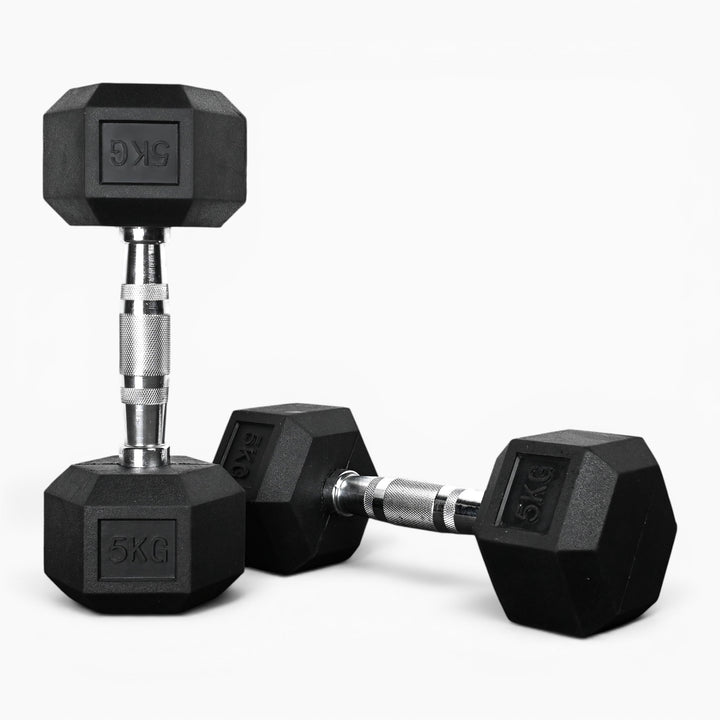
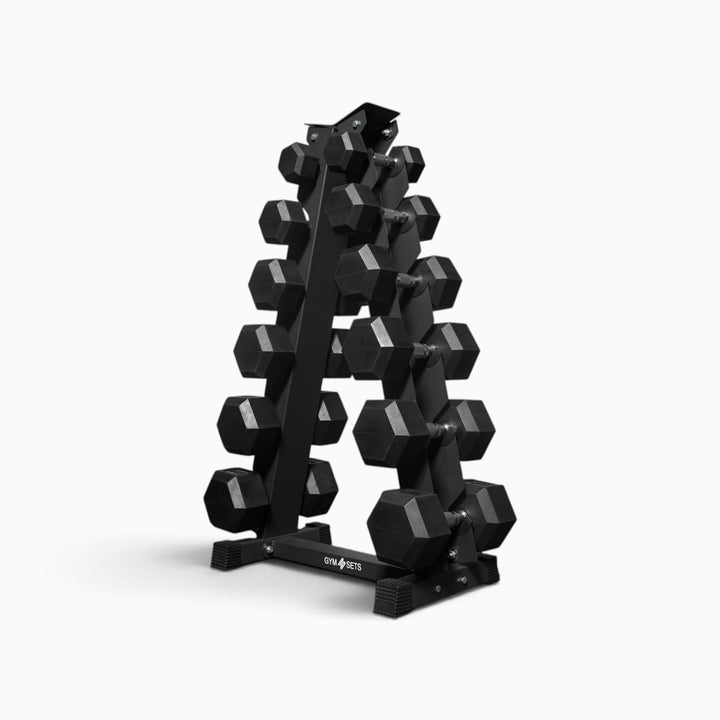
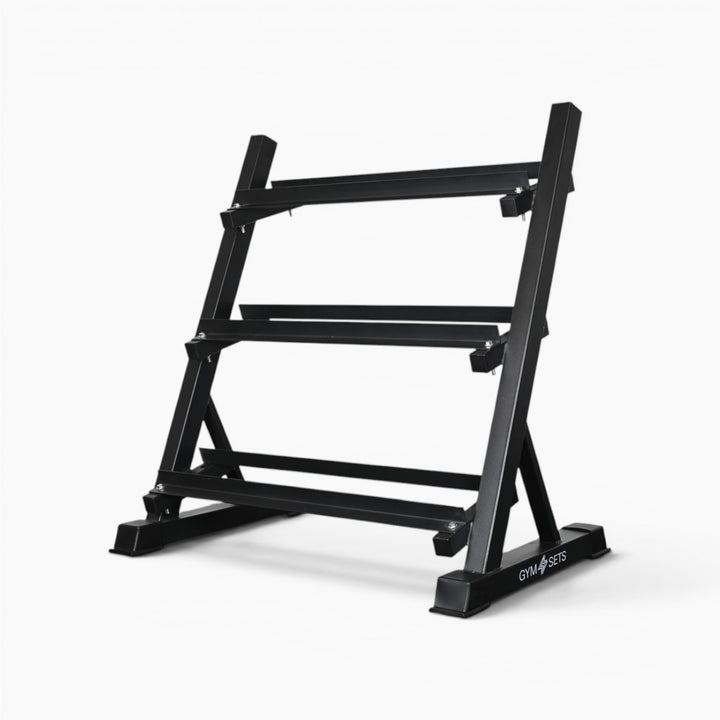
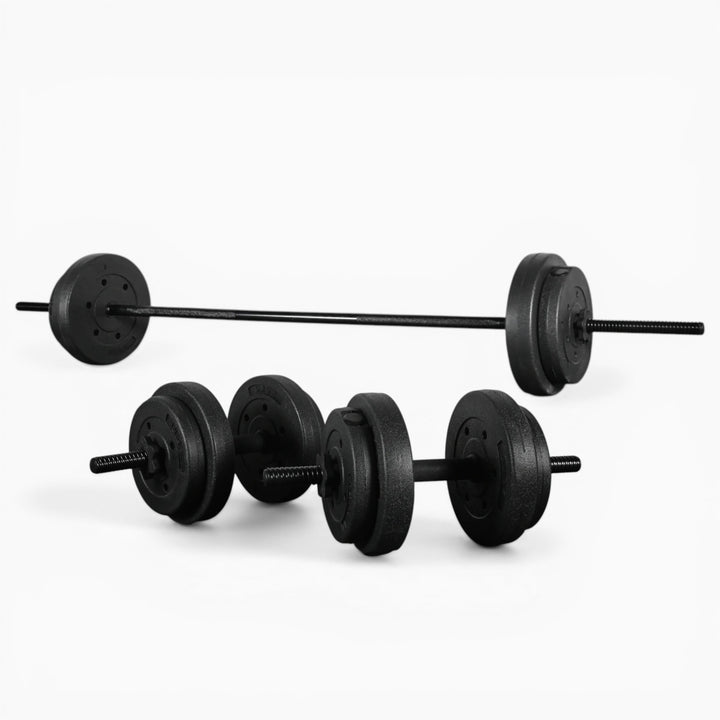
Plus, look at the versatility. A pair of our Hex Dumbbells or Neoprene Dumbbells can be used for everything from squats and lunges to renegade rows and overhead presses. They are compact, easy to store (especially with our tree racks), and durable enough to last a lifetime.

The "Reps in Reserve" Rule
How do you know if a weight is right for you? A good rule of thumb is the "Reps in Reserve" (RIR) method.
If you are aiming for a set of 12 repetitions:
Too Heavy: You can’t complete the 12th rep with good form.
Too Light: You finish 12 reps and feel like you could easily do 10 more.
Just Right: You finish the 12th rep feeling like you could maybe do 2 more with perfect form, but definitely not 5.
Let’s break down the specific weight categories and who they are best for.
The Entry Point: Stability and High-Rep Toning
2kg Dumbbells: The Foundation
Do not underestimate the power of lighter weights. 2kg dumbbells are an essential tool for specific goals. They aren't just for "easy" days; they are critical for:
Rehabilitation: If you are coming back from a shoulder injury or haven't exercised in years, this is your safe starting block.
Small Muscle Isolation: Exercises like lateral raises, rear delt flyes, and rotator cuff rotations often require lighter loads because these muscles are small and easily fatigued.
Barre and Pilates: If you enjoy high-repetition pulses typical in Barre or Pilates classes, a 2kg weight provides that crucial "burn" without compromising your posture.
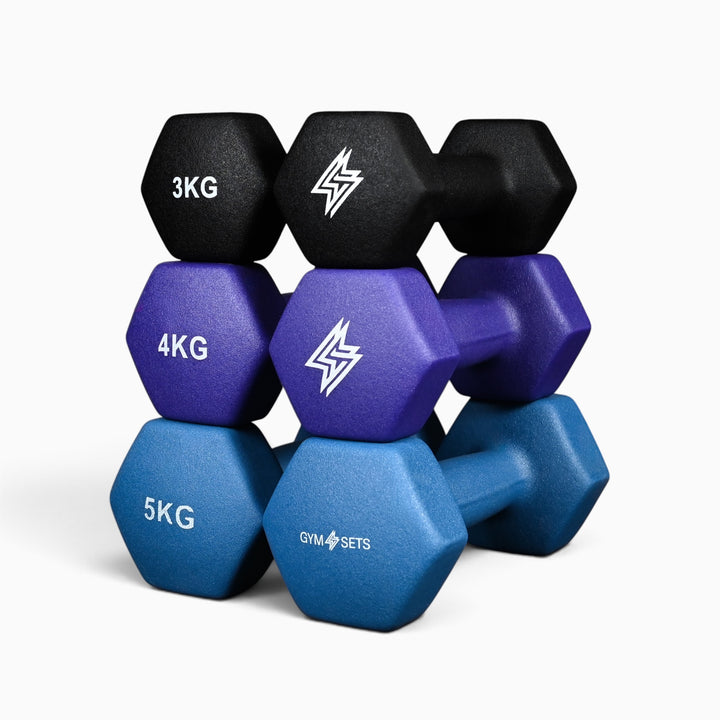
Our Neoprene Dumbbells in this weight class are particularly popular because the soft, non-slip coating makes them comfortable to hold for extended periods during aerobic-style workouts.
3kg Dumbbells: The "Toning" Sweet Spot
Moving up slightly, 3kg dumbbells are arguably the most popular starting point for group fitness enthusiasts. If you follow along with YouTube HIIT workouts or cardio-strength classes, this is often the standard weight used.
High-Volume Conditioning: Perfect for weighted shadow boxing or high-rep overhead presses where endurance is the goal.
Beginner Compound Movements: For someone completely new to resistance training, 3kg is a safe weight to learn the mechanics of a bicep curl or a tricep kickback.
The Progression: Building Definition
4kg Dumbbells: The Bridge
The jump from 2kg to 5kg can feel massive. That’s where 4kg dumbbells come in. They serve as the perfect "bridge" weight.
Progressive Overload: If 3kg feels too light for your bicep curls but 5kg makes you swing your hips to get the weight up, the 4kg is your solution.
Shoulder Work: For many, 4kg is the ceiling for strict lateral raises. It provides enough resistance to build visible definition in the shoulders (deltoids) without forcing you to cheat the movement.
5kg Dumbbells: The Versatile Standard
If you could only buy one pair of light-to-medium weights, 5kg dumbbells would be a top contender for many. This is a milestone weight.
Upper Body Strength: For many women and beginners, 5kg is where "toning" shifts into "strength building" for arms and shoulders.
Weighted Cardio: Holding a pair of 5kg weights during step-ups or walking lunges adds significant intensity to your heart rate without overloading your spine.
Hex vs. Neoprene: At this weight, you might want to consider our Hex Dumbbells. The rubber-encased heads prevent rolling and protect your floors, which is great if you're dropping them down between sets of burpees.
The Strength Zone: Compound Movements & Muscle Growth
As we move into heavier weights, the focus often shifts from isolation exercises (moving one joint) to compound exercises (moving multiple joints).
6kg Dumbbells: The Challenger
6kg dumbbells are where things start to get interesting. This is often a "reality check" weight. You might be able to curl 5kg for 15 reps, but 6kg might drop you down to 8 or 10 reps.
Triceps and Biceps: This is a fantastic weight for building genuine arm size and strength.
Single-Leg Work: If you are doing Bulgarian split squats or single-leg deadlifts, 6kg provides enough counterbalance to help stability while challenging the leg muscles.
7kg Dumbbells: The Unsung Hero
Much like the 4kg, 7kg dumbbells are an often-overlooked intermediate step. Many commercial gyms skip this size, jumping straight from 6kg to 8kg or even 10kg.
Why you need them: A 2kg jump (from 6 to 8) is a 33% increase in load. That is huge! The 7kg dumbbell allows you to smooth out that progression curve.
Overhead Pressing: Pushing weight over your head is demanding. You might be stuck at 6kg for months. A set of 7kg dumbbells allows you to break through that plateau without risking shoulder impingement.
8kg Dumbbells: The Entry to "Heavy"
For many home gym users focusing on high-rep fitness, 8kg dumbbells represent the heavy end of the spectrum.
Lower Body Basics: This is a great starting weight for Goblet Squats (holding one dumbbell at chest height) and lunges.
Back Strength: A single 8kg dumbbell is excellent for single-arm rows (using a bench or sofa for support), helping to combat the "desk posture" by strengthening the upper back.
Grip Strength: Holding 8kg in each hand for a Farmer’s Carry walk across your living room is a simple, effective way to build core stability and grip strength.

Hex vs. Neoprene: Which Style Should You Choose?
When browsing our collection, you’ll notice two main styles. Your choice depends on how you plan to train.
1. Neoprene & Vinyl (Best for 2kg - 5kg) These are colorful, smooth, and comfortable. They are designed for high-repetition workouts where you might be holding the weight for 20 minutes straight. They don’t get slippery when you sweat, and they are friendly on the hands.
Verdict: Best for aerobics, Pilates, and light toning.
2. Rubber Hex Dumbbells (Best for 5kg - 30kg+) As you get heavier (5kg, 6kg, 7kg, 8kg and beyond), the Hex Dumbbell becomes king.
Anti-Roll: The hexagonal shape means you can place them on the floor and they won’t roll away. This is safer for home environments (especially if you have pets or kids).
Push-Up Handles: Because they don't roll, you can use them as handles for push-ups to reduce wrist strain.
Durability: The rubber coating is designed to take a beating.
Building Your Set Over Time
You don't need to buy the entire rack at once. A smart strategy is to buy three pairs to cover your bases:
A Light Pair (e.g., 2kg or 3kg): For warm-ups and small muscle groups.
A Medium Pair (e.g., 5kg): For your main upper body lifting.
A Heavy Pair (e.g., 8kg): For leg days and back exercises.
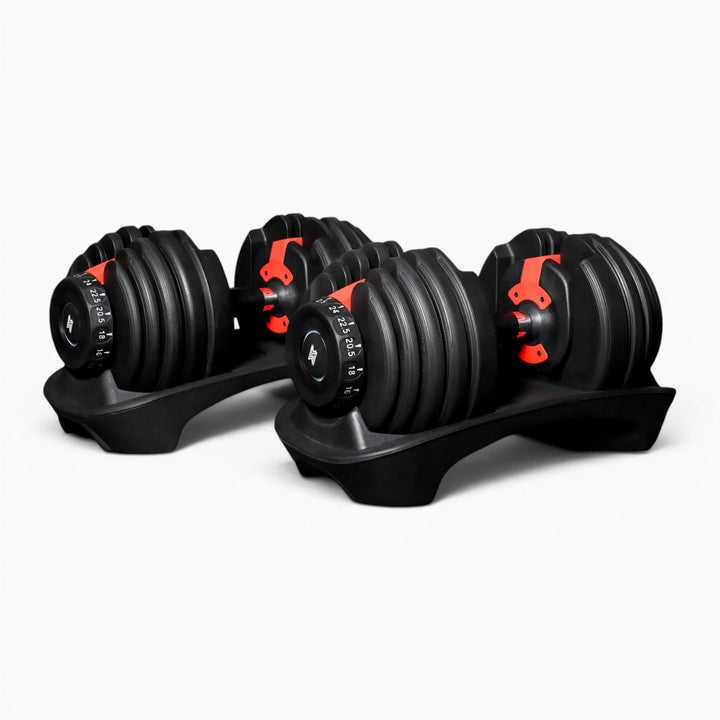
Alternatively, if you are short on space, check out our Adjustable Dumbbells. These allow you to dial in the weight from 2kg up to 24kg or even 40kg with a simple click, effectively replacing 15 pairs of dumbbells with one unit.
Conclusion
Finding your ideal weight is a journey, not a destination. As you get stronger, the 4kg dumbbells that used to feel heavy will become your warm-up weights. That is the beauty of progressive overload—it’s tangible proof that you are levelling up.
At Gym Sets, we are here to support that journey. Whether you are grabbing a pair of 2kg dumbbells for rehab or a set of 8kg dumbbells to start building your squat strength, our gear is crafted to help you push further.
Ready to start building your home setup? Explore our full collection of Hex, Neoprene, and Adjustable dumbbells today and invest in the only piece of equipment that truly grows with you.