



When most people start their fitness journey, their initial goal usually revolves around a specific question: how to get big arms? Whether you want to fill out your t-shirt sleeves or build a balanced, powerful physique, developing your upper arms requires more than just mindless bicep curling.
Many lifters spend months, or even years, chasing a pump without seeing any actual changes in their measurements. This happens because building significant muscle mass requires a strategic blend of structural anatomy knowledge, progressive overload, specific training volume, and structured nutritional recovery.
This comprehensive guide breaks down the precise mechanics of upper body hypertrophy (muscle growth) to reveal exactly how to get big arms safely and efficiently.
The Anatomy of the Upper Arm
To build impressive arm size, you must first understand the muscular structures you are trying to stimulate. Relying entirely on basic curls ignores a significant portion of your arm's mass. The upper arm is primarily divided into two main muscle groups, alongside the supporting muscles of the forearm.
The Triceps Brachii
The triceps brachii sit on the back of your upper arm and actually make up roughly 60 percent of your total upper arm mass. If your main objective is learning how to get big arms, prioritizing your triceps is the quickest path to success. The triceps muscle consists of three distinct segments.
-
The Long Head: This is the largest segment of the triceps, running down the back of the arm. It is heavily taxed during overhead extension movements.
-
The Lateral Head: This segment sits on the outside of the arm and creates the visible width or outer sweep when viewed from the front.
-
The Medial Head: Located lower down on the inside of the arm, this segment acts as a stabilizing muscle near the elbow joint.
The Biceps Brachii
The biceps brachii sit on the front of the arm. While they are smaller than the triceps, they are highly visible and play a massive role in the aesthetic shape of the arm. The biceps consist of two heads.
-
The Long Head: This forms the outer portion of the bicep and is responsible for creating the muscle peak when you flex.
-
The Short Head: This forms the inner portion of the bicep, giving the muscle its overall thickness and mass when viewed straight-on.
The Brachialis and Forearms
The brachialis is a deep muscle that sits directly underneath the lower portion of your bicep. When developed, it pushes the bicep upwards, making the entire arm look wider. Below the elbow, the forearms provide the foundational grip strength required to hold heavy weights and ensure your physique looks proportional.
The Principles of Hypertrophy for Arm Growth
Before looking at specific exercises, you need to understand the physiological laws that govern muscle growth. You cannot simply lift the same weights for the same reps every week and expect your body to adapt. Your body requires a specific stimulus to build new muscle tissue.
1. Progressive Overload
Progressive overload is the most important law of muscle building. It requires you to gradually increase the amount of stress placed on your muscles over time. You can achieve this by adding weight to the barbell, performing more repetitions with the same weight, or decreasing your rest times between sets. If you do not track your workouts and strive to beat your past performance, your arms will remain the same size.
2. Training Volume and Frequency
Research shows that optimal muscle growth generally occurs when you target a specific muscle group with 10 to 20 working sets per week. For smaller muscle groups like the biceps and triceps, it is highly beneficial to split this total volume across two or three training sessions per week rather than doing it all on a single day. This approach ensures your muscles remain stimulated frequently without suffering from extreme fatigue during a single workout.
3. Mind-Muscle Connection
Because the arms are smaller muscle groups, it is incredibly easy for your shoulders, back, and momentum to take over during an exercise. To avoid this, you must focus on the mind-muscle connection. This means consciously focusing on the specific muscle contracting and extending through its entire range of motion, rather than simply moving a weight from point A to point B.
Top Bicep Exercises for Max Thickness and Peak
To fully develop the front of your arms, you must select exercises that target both the long and short heads of the bicep, as well as the deep brachialis muscle.
1. The Standing Barbell Curl
The barbell curl is the undisputed king of bicep mass builders. Because it allows you to overload the biceps with heavier weights than dumbbells, it should form the foundation of your bicep training routine.
-
Stand upright with your feet shoulder-width apart, holding a barbell with an underhand grip.
-
Keep your elbows tucked tightly against your ribs to prevent your shoulders from helping.
-
Squeeze your biceps to curl the bar up toward your chest, stopping just before your elbows flare forward.
-
Lower the barbell slowly over a three-second countdown until your arms are completely straight.
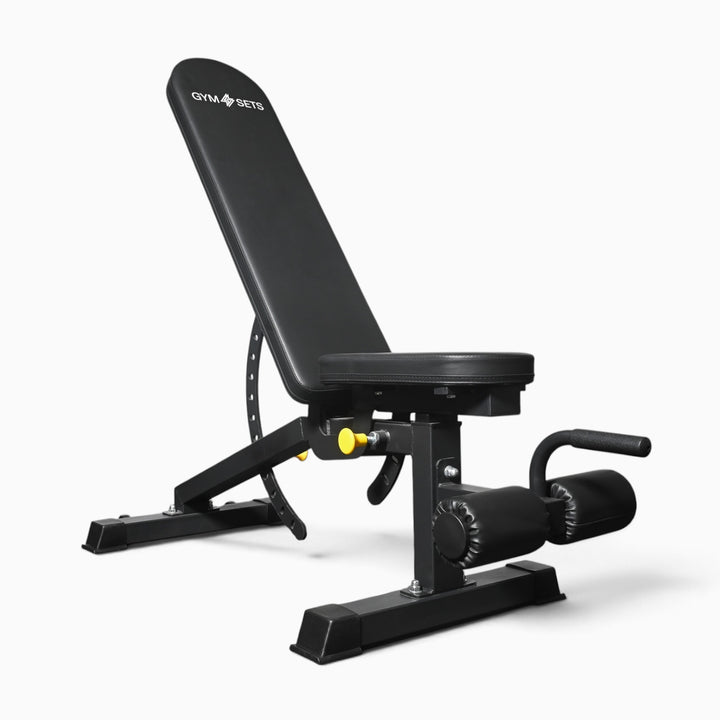
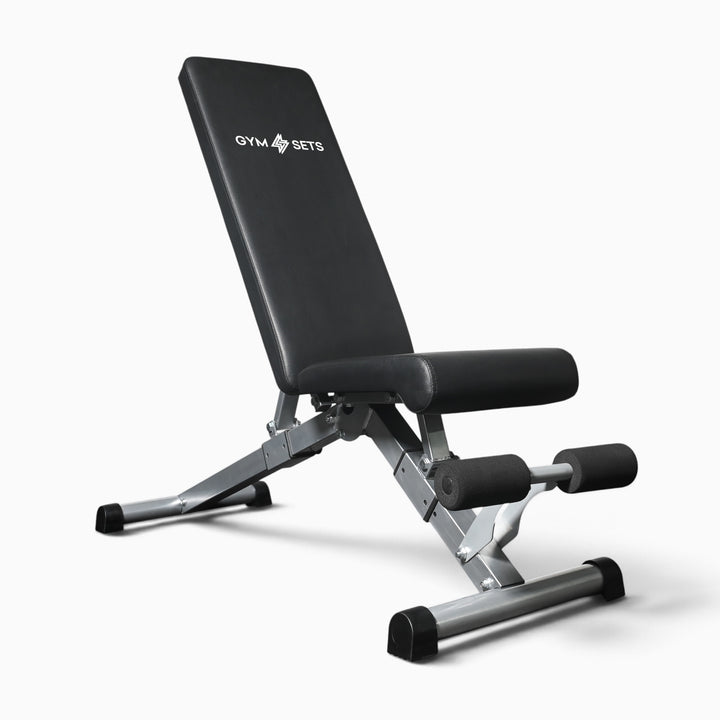
2. Incline Dumbbell Curls
This exercise places the bicep into a position of deep stretch, which emphasizes the long head of the bicep to maximize your muscle peak.
-
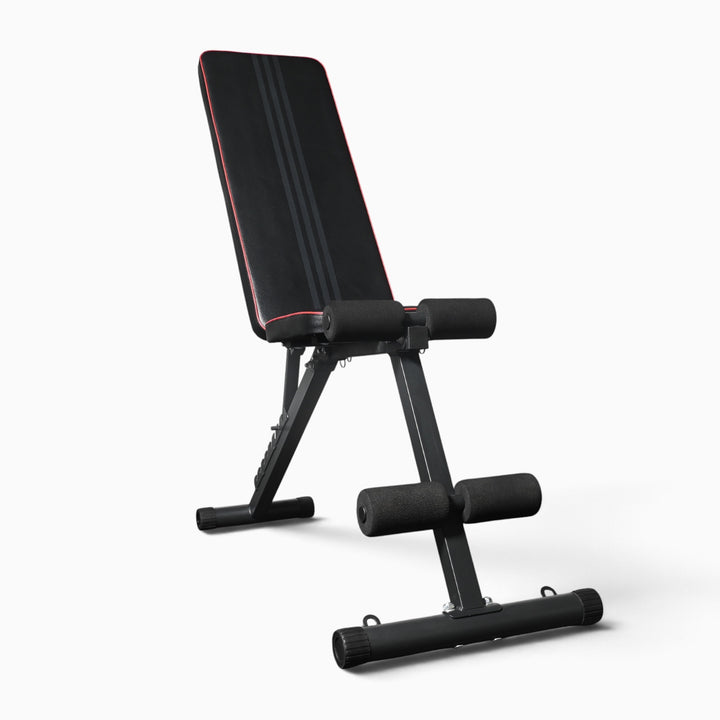
Set an adjustable workout bench to a 45-degree incline angle.
-
Sit back against the pad, allowing your arms to hang completely straight down toward the floor with dumbbells in hand.
-
Keep your elbows locked in a fixed position behind your torso as you curl the weights upward.
-
Squeeze hard at the peak of the movement before controlling the weights back to the starting stretch.
3. Dumbbell Hammer Curls
Hammer curls keep your wrists in a neutral position, which shifts the primary focus of the lift onto the brachialis muscle and the brachioradialis muscle in the forearm.
-
Stand tall holding dumbbells at your sides with your palms facing inward toward each other.
-
Without rotating your wrists, curl the dumbbells upward as if you were swinging a hammer.
-
Bring the weights up to shoulder height, maintaining a tight squeeze on the outer forearm and lower bicep.
-
Slowly reverse the movement back to the bottom.
The Best Triceps Exercises for Complete Arm Mass
Because the triceps make up the absolute majority of your arm size, choosing exercises that challenge all three muscle heads is non-negotiable.
1. Close-Grip Bench Press
This compound movement allows you to load the triceps with significant weight, making it an incredible foundational builder for raw upper-body power and density.
-
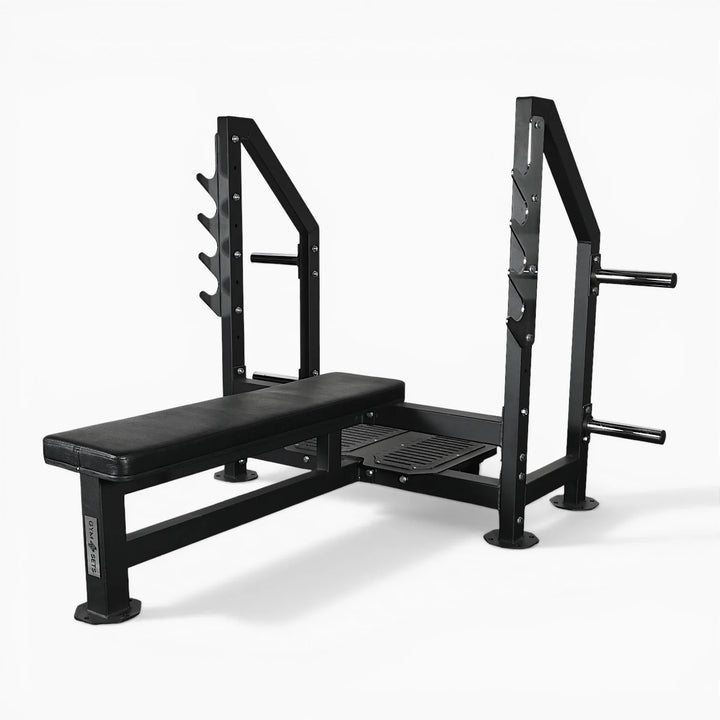
Lie flat on a standard bench press setup and grip the barbell with your hands spaced roughly shoulder-width apart.
-
Unrack the weight and lower it under control to the lower portion of your chest.
-
Keep your elbows tucked close to your torso at roughly a 45-degree angle rather than flaring them wide.
-
Press the barbell back up powerfully by driving through the palms and locking out your triceps at the top.
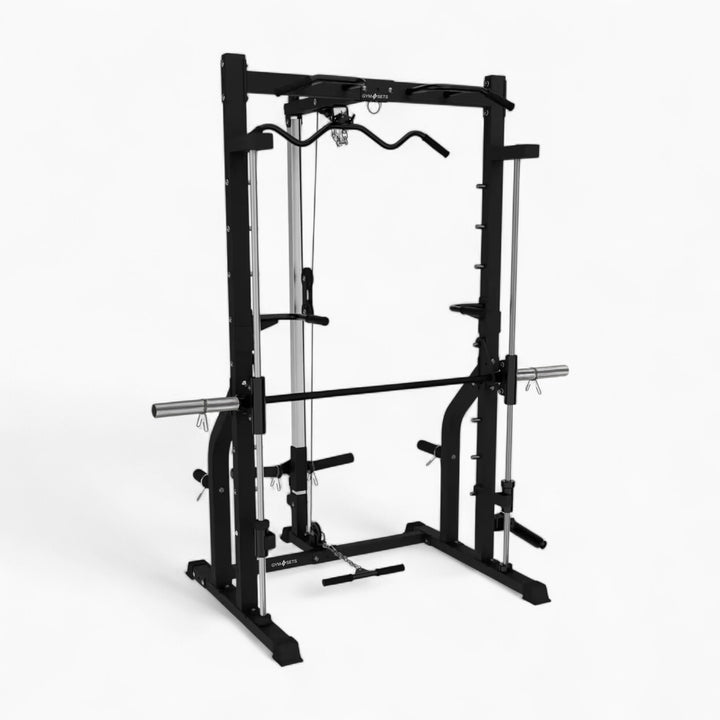
2. Overhead Cable Triceps Extensions
To fully stimulate the massive long head of the triceps, you must perform extensions with your arms positioned overhead. Using cables provides constant tension throughout the entire movement.
-
Attach a long rope to a cable pulley machine set at a low or chest-height setting.
-
Turn your body away from the machine, pull the rope behind your head, and lean slightly forward.
-
Keeping your upper arms completely still and pointing forward, extend your elbows to push the rope outward.
-
Flare the ends of the rope apart at the end of the movement for an intense muscle contraction before returning to the stretch.
3. Triceps Rope Pushdowns
This isolation movement isolates the lateral head of the triceps, which gives your arms that impressive, wide look from the side profile.
-
Set a cable pulley at the highest setting with a rope attachment.
-
Step back slightly, tuck your elbows against your sides, and bend your knees for stability.
-
Push the rope down toward the floor by straightening your arms completely.
-
Pull the rope apart at the very bottom of the rep to fully engage the triceps, then slowly let the weight rise back up to chest height.
An Optimized Arm Training Routine
To clarify exactly how to structure these movements, here is a highly effective, balanced training routine. You can implement this layout as a dedicated arm workout day or split the exercises across your current training week.
Phase One: Compound Power
-
Close-Grip Barbell Bench Press: 3 sets of 6 to 8 repetitions with 120 seconds of rest.
-
Standing Barbell Curls: 3 sets of 6 to 8 repetitions with 120 seconds of rest.
Phase Two: Hypertrophy Focus
-
Overhead Cable Triceps Extensions: 3 sets of 10 to 12 repetitions with 90 seconds of rest.
-
Incline Dumbbell Curls: 3 sets of 10 to 12 repetitions with 90 seconds of rest.
Phase Three: Isolation and Detail
-
Triceps Rope Pushdowns: 3 sets of 12 to 15 repetitions with 60 seconds of rest.
-
Dumbbell Hammer Curls: 3 sets of 12 to 15 repetitions with 60 seconds of rest.
Nutritional Strategy for Serious Arm Size
You can perform the perfect gym routine every single day, but your body cannot build new muscle tissue without the correct dietary building blocks. Muscle growth is an energy-expensive process that requires systematic nutritional planning.
The Importance of a Caloric Surplus
If you are an experienced lifter, it is incredibly difficult to build meaningful muscle tissue while losing weight or staying at the exact same body weight. To provide your body with the energy it needs to construct new tissue, you should aim for a modest caloric surplus. This means consuming roughly 200 to 500 calories above your daily maintenance level. This controlled approach allows you to build clean muscle while minimizing excess body fat gain.
Optimising Your Protein Intake
Protein contains amino acids, which are the fundamental structural components of muscle tissue. To recover from heavy weight training and support optimal hypertrophy, you should aim to consume roughly 1.6 to 2.2 grams of protein per kilogram of body weight every single day. Good sources of protein include chicken breast, lean beef, turkey, eggs, fish, tofu, and high-quality whey protein supplements.
Hydration and Intra-Workout Carbohydrates
Muscles are composed of roughly 70 percent water. If you are dehydrated, your strength will plummet and your muscles will appear flat. Furthermore, drinking plenty of water ensures your muscle cells remain volumized, which directly triggers internal anabolic growth pathways. Consuming easily digestible carbohydrates before or during your workout can also help fuel your training sessions and preserve glycogen stores.
Avoiding Common Arm Training Mistakes
When people try to figure out how to get big arms, they often fall into common training traps that stall their progress entirely. Avoiding these errors will help you save time and prevent frustrating injuries.
1. Using Ego over Execution
The absolute most common mistake in gym culture is lifting weights that are far too heavy. When you swing your torso, use momentum, or let your shoulders roll forward during a bicep curl, you completely remove the mechanical tension from the target muscle. It is vastly superior to lower the weight, lock your form in place, and force the arms to do 100 percent of the actual work.
2. Failing to Train to True Intensity
While using great form is critical, you must still train with a high level of intensity. Many lifters pick up a weight, hit an arbitrary number like ten repetitions, and put the weight down even though they could have easily performed another five reps. To spark real growth, your working sets should finish within one to three repetitions of true mechanical failure.
3. Neglecting Your Sleep and Recovery
Muscles do not grow while you are working out in the gym; they actually grow while you are resting and sleeping. During deep sleep, your body releases a massive surge of natural growth hormone and repairs the microscopic muscle tears caused by heavy lifting. Aim for seven to nine hours of quality sleep per night to maximize your overall growth rates.
Summary of the Journey
Building big arms requires a smart, consistent strategy that pairs hard training with a disciplined approach to recovery. By prioritizing your triceps for total mass, using perfect form on bicep movements, utilizing progressive overload, and fueling your body with sufficient protein and calories, you will unlock steady arm growth. Track your lifts, stay patient, and let the process work over time.