




Setting up a home fitness space is a brilliant milestone, but it quickly brings you face-to-face with a massive practical puzzle: protecting your property. Choosing the wrong weight plates can turn a great workout session into an expensive home renovation disaster. If you drop a heavy barbell onto an unprotected surface, you risk shattering your floor tiles, cracking the underlying concrete screed, or driving your family mad with deafening noise.
When building a garage gym or converting a spare bedroom, the choice usually comes down to rubber bumper plates versus traditional cast iron. Both options will help you build muscle, but they behave entirely differently when they make contact with your ground. Let’s dive straight into how these weight types perform across different situations, helping you safeguard your subfloor while hitting those training personal bests.
The Physics of Protecting Home Gym Flooring

To understand why one weight plate might outperform another, we need to look at how force travels. When you lower or drop a loaded barbell, the kinetic energy has to go somewhere. Cast iron is incredibly dense and unyielding, meaning it transfers nearly 100% of its impact force directly into whatever it hits. If your gym floor is thin, that raw energy punches straight through to the structural concrete beneath.
Rubber bumper plates are engineered from highly compressed vulcanised rubber. When they strike the ground, the material flexes slightly, absorbing a significant portion of the impact energy and spreading it across a larger surface area. This dramatic reduction in peak force protects your subfloor from catastrophic cracking. It also prevents your lifting equipment from suffering structural stress fractures over months of heavy training.
How Rubber Bumper Plates Defend Your Ground

Bumper plates offer a massive safety advantage because they are intentionally designed to be dropped from a height. Because the dense rubber body absorbs shock, a bumper plate significantly minimises the risk of gouging, scratching, or cracking your floor tiles. Even if you aren't regularly performing Olympic lifts, simple accidents like dropping a heavy deadlift or losing your balance can happen to anyone.
Additionally, every single weight increment of a standard bumper plate shares the exact same 450mm outer diameter. Whether you are loading a pair of 5kg plates or 20kg plates, the impact forces are distributed perfectly evenly across the entire barbell footprint. This structural consistency ensures that lightweight training sessions won't accidentally pinpoint destructive force onto a single weak spot in your home gym flooring setup.
The Risks of Using Cast Iron Plates Indoors

Traditional cast iron weight discs are legendary for their classic old-school sound and compact size, but they present major risks inside a home. Because iron is entirely rigid, any direct dropped impact concentrates massive force onto a tiny, hard edge. This localized stress can instantly shatter ceramic tiles, warp hardwood floorboards, and leave deep indents in laminate surfaces, ruining your home's resale value.
Furthermore, cast iron plates feature a sharp, unyielding rim that can easily slice through cheap, thin foam mats. Over time, the constant micro-vibrations from setting iron weights down will grind away at the surface below, creating fine concrete dust that ruins your air quality. Unless you intend to invest in an incredibly thick, heavy-duty lifting platform, iron demands extreme caution during every single repetition.
Understanding Different Home Floor Types
The specific rooms you choose for your fitness space dictates how careful you need to be with equipment selection. Ground-floor garages and solid concrete cellars are highly durable, but concrete is notoriously brittle under sudden shock loads. If you repeatedly drop heavy cast iron plates onto bare concrete, you will eventually cause deep internal spider-web cracks that are incredibly costly to repair.
Suspended timber floors, commonly found in spare upstairs bedrooms, present an entirely different structural challenge. Timber joists are flexible but have strict weight load capacities, meaning the acoustic vibrations and structural shockwaves from metal plates travel easily through the walls. This causes immense noise pollution throughout the house. For upper floors, managing the total impact energy is absolutely vital for structural safety.
Noise and Vibration Control in Residential Settings
One of the most overlooked aspects of home lifting is the sheer volume of noise it generates. When cast iron plates clank together on a barbell or hit the floor, they produce a sharp, high-frequency ring that penetrates windows and walls. This rapid sound transfer is a fast track to frustrating your family members or triggering complaints from nearby neighbours.
Rubber bumper plates completely rewrite this dynamic by deadening the acoustic resonance of your training sessions. Instead of a loud metallic ring, bumpers create a dull, low-frequency thud that dissipates quickly within the room. This dampening effect allows you to train early in the morning or late at night without waking up the household, giving you total freedom over your schedule.
Space, Plate Thickness, and Barbell Loading
While rubber bumper plates excel at floor protection, they do come with a practical trade-off regarding thickness. Because rubber is less dense than iron, bumper plates must be significantly wider to reach the exact same weight denomination. For instance, a standard 20kg rubber bumper can be twice as thick as a compact 20kg cast iron plate, occupying more sleeve space.
This extra width means you will fill up your barbell sleeves much quicker when lifting heavy. If you are a seasoned lifter chasing deadlifts well over 200kg, you might run out of space on a standard Olympic bar when using budget bumpers. Cast iron allows you to stack plates tightly together, keeping the center of gravity closer to the middle of the barbell for maximum stability.
+------------------------+------------------------+------------------------+
| Feature Comparison     | Rubber Bumper Plates   | Cast Iron Plates       |
+------------------------+------------------------+------------------------+
| Shock Absorption       | Excellent              | Extremely Poor         |
| Noise Level            | Low, muffled thud      | High, loud metallic    |
| Risk to Subfloor       | Very Low               | Very High              |
| Plate Thickness        | Thick (40mm - 90mm)    | Thin (20mm - 40mm)     |
| Maximum Bar Capacity   | Lower (approx 200kg)   | Higher (up to 400kg+)  |
+------------------------+------------------------+------------------------+
Essential Subfloor Protection Strategies
No matter which plate style you choose, relying solely on your raw home flooring is an invitation for trouble. To build a truly secure lifting space, you need a high-quality protective foundation layer. Thick, heavy-duty rubber gym tiles are the industry standard for safeguarding residential spaces, as they work alongside your plates to neutralise damaging shockwaves.
-
10mm to 15mm Rubber Tiles: Ideal for general fitness, dumbbell training, and careful bumper plate lifting on concrete floors.
-
20mm to 30mm Premium Mats: Necessary if you plan to use cast iron weights or train heavy deadlifts directly on top of subfloors.
-
Dedicated Lifting Platforms: Combining structural plywood cores with thick rubber borders to offer the ultimate protection for Olympic weightlifting.
Dumbbell Selection and Floor Safety
While barbells occupy the center of the gym floor, hand weights pose their own unique set of safety risks. Dumbbells are regularly handled at awkward angles, making them much easier to accidentally drop from waist height during tough training sets. Just like weight plates, the external material covering your dumbbells determines exactly how much damage they will cause to your floor.
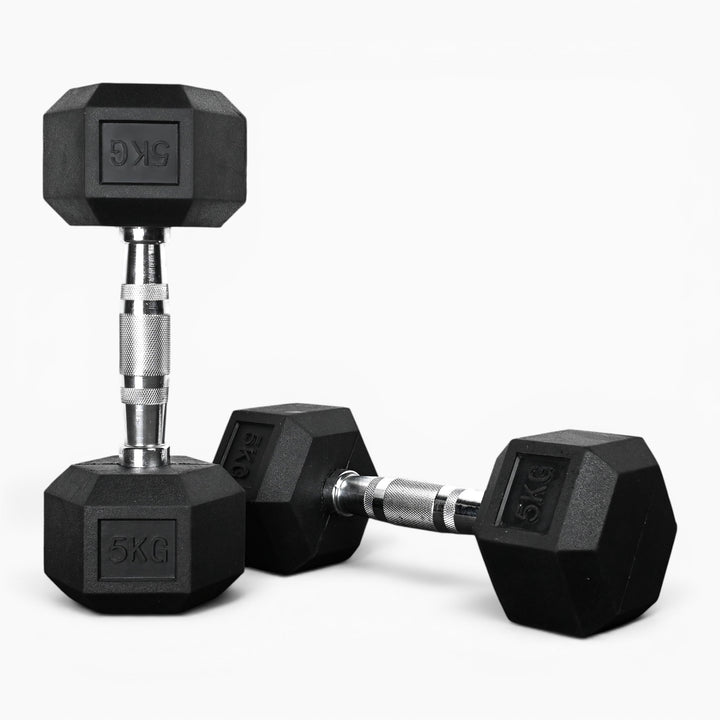
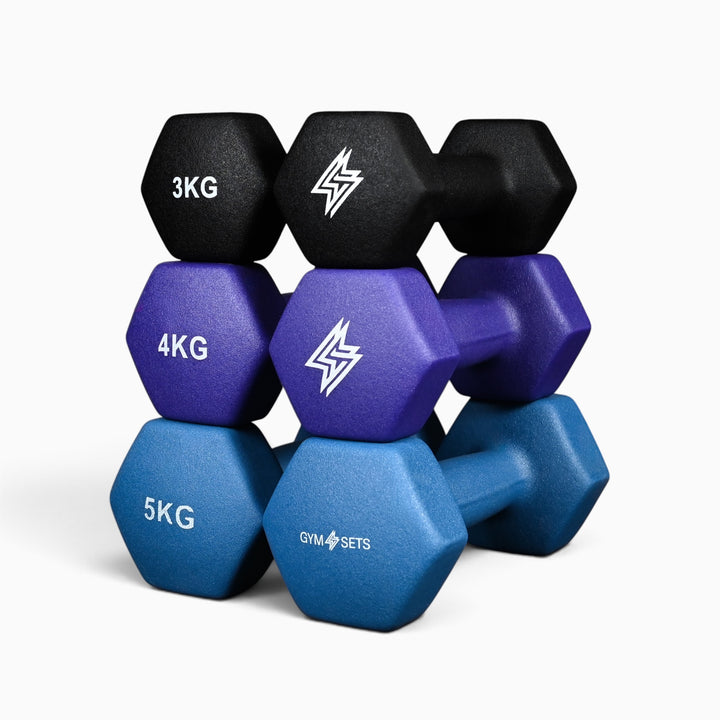
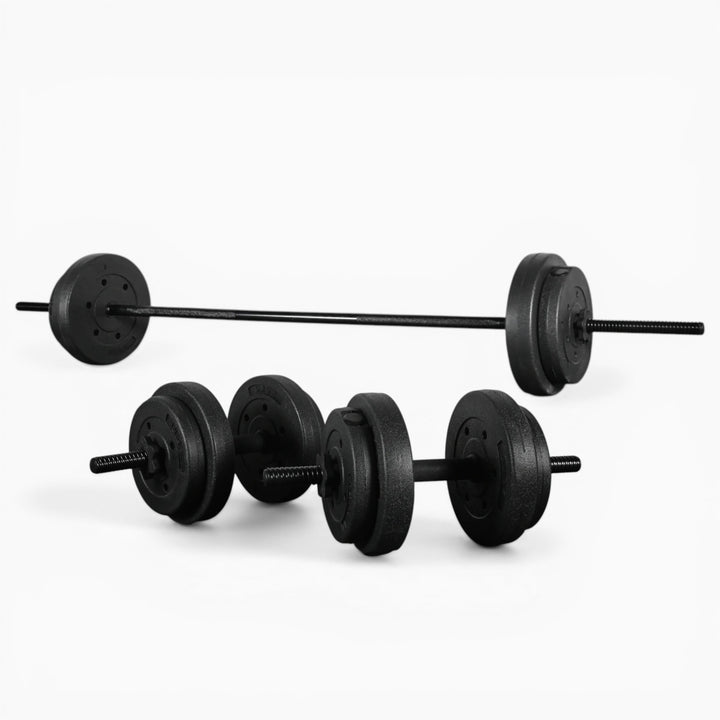
This brings us to a common dilemma faced by home gym owners: Cast iron vs. vinyl dumbbells - which is better? Cast iron dumbbells are incredibly durable and offer a timeless, compact feel, but they feature hard edges that scratch floors instantly. Vinyl dumbbells are coated in a smoother, softer plastic shell that cushions minor impacts, making them vastly superior for protecting delicate household surfaces during quick workouts.
The Verdict on Cast Iron vs. Vinyl Dumbbells
To understand why vinyl dumbbells are so popular for home fitness setups, we need to look closer at their everyday use. The smooth vinyl coating serves as a built-in barrier, protecting both the iron core from rusting and your floor from unsightly scuffs. They are also incredibly easy to wipe clean after intense, sweaty training sessions.
However, vinyl options are generally restricted to lighter weight ranges, making them ideal for aerobics, high-intensity intervals, and targeted accessory movements. If you want to progress to heavy strength training, cast iron or rubber hex dumbbells become necessary. For light home workouts, vinyl is the safer, quieter, and more flooring-friendly choice.
-
Vinyl Dumbbells: Best for light weights, scratch prevention, noise reduction, and easy cleaning.
-
Cast Iron Dumbbells: Best for heavy strength progression, lifetime durability, and compact storage.
Longevity and Environmental Considerations
Investing in weight lifting gear is a long-term commitment, so it pays to think about how your plates will age over the years. Cast iron is practically indestructible; a steel or iron plate can sit in a damp garage for decades, and a quick coat of paint will restore it to perfect condition. They simply do not wear out.
Rubber bumper plates require a slightly more stable environment to maintain their structural integrity over time. Cheaper rubber compounds can degrade if exposed to direct sunlight, extreme temperature swings, or constant moisture, causing them to crack or smell over time. Purchasing premium, high-density vulcanised rubber ensures your plates remain completely odourless and resilient for a lifetime of hard training.
Cost Analysis and Value for Money
Budget plays a significant role when purchasing any strength training setup. Per kilogram, traditional cast iron is almost always the more affordable upfront investment because the manufacturing process is so straightforward. If you are building a budget-conscious gym, iron allows you to buy more total weight for your money.
However, you must factor in the hidden secondary costs of protecting your property. Choosing cast iron often means you need to buy thicker, more premium rubber floor tiles to prevent your subfloor from cracking. Bumper plates carry a slightly higher initial retail price, but they can save you thousands of pounds in potential flooring repairs, making them the more economical option over time.
Making the Final Choice for Your Space
Ultimately, choosing the right weight plates depends entirely on your specific training style and the room you are using. If you love Olympic lifting, cross-training, or want to perform heavy deadlifts without disturbing your household, rubber bumper plates are the clear winner. They provide a massive safety cushion that keeps your home intact.
On the flip side, if you are an experienced powerlifter working out on a solid ground-floor garage, cast iron plates offer the compact loading capacity you need to safely chase heavy milestones. Just ensure you invest in a proper heavy-duty lifting mat to handle the iron. Balance your fitness goals against your property's layout to build a safe, effective, and sustainable training sanctuary.
Summary: For the vast majority of home fitness spaces, rubber bumper plates are vastly superior for protecting floors compared to cast iron. Their superior shock absorption, structural diameter consistency, and noise reduction properties make them the perfect fit for residential training.