




If you have ever typed what is the best way to lose fat? into a search engine, you have probably been hit with a wall of contradictory advice. One website tells you to cut out carbohydrates completely. Another insists that fasting for sixteen hours a day is the secret formula. A third claims that unless you are waking up at 5:00 AM to perform high-intensity interval training, you are wasting your time.
It is completely understandable if you feel overwhelmed, frustrated, or ready to give up altogether. The fitness industry loves to make fat loss sound like a complex, secretive science that requires extreme restriction or expensive supplements.
Here is the honest truth: the best way to lose fat is not a secret, nor does it require you to completely upend your life in an unsustainable way. It is about understanding how your body actually uses energy, and then making realistic, consistent adjustments to your daily habits.
In this comprehensive guide, we will cut through the marketing noise and look at what the science actually says. We will cover how to structure your nutrition without misery, why lifting weights is your secret weapon, and how lifestyle factors like sleep and stress can make or break your progress.
1. The Energy Balance Equation: Your Starting Point
To understand fat loss, we have to look at the foundational law of thermodynamics. Fat is essentially stored energy. Your body packs this energy away for a rainy day. To convince your body to burn that stored energy, you must create an environment where it has no choice but to tap into those reserves.
This comes down to energy balance: calories in versus calories out.
-
Energy In: This is everything you eat and drink.
-
Energy Out: This is the total amount of energy your body burns keeping you alive, digesting food, and moving around.
If you consume less energy than your body expands, you are in a calorie deficit. This forces your body to break down its own tissues—ideally fat—to make up the difference.
However, a common trap is thinking that a bigger deficit always equals faster, better results. If you drop your calories too low, your body adapts by slowing down your metabolic rate, making you incredibly fatigued, ravenously hungry, and likely to lose precious muscle tissue rather than fat.
A moderate, controlled calorie deficit is the sweet spot. For most people, aiming for a modest reduction of fifteen to twenty per cent below your maintenance calories is the safest and most effective approach. This keeps your energy levels stable while encouraging steady, sustainable fat loss of around 0.5kg to 1kg per week.
2. Nutrition: Quality and Quantity Combined
While the total number of calories determines whether you lose weight, the quality of those calories dictates what kind of weight you lose and how difficult the process feels.
To make a calorie deficit feel manageable rather than miserable, your dietary choices need to focus on two major priorities: keeping you full and protecting your lean muscle mass.
The Power of Protein
If there is one macronutrient you should pay close attention to when trying to figure out what is the best way to lose fat, it is protein.
When you cut back on food, your body looks for energy sources. If you do not consume enough protein, your body will happily break down your muscle tissue alongside fat. This is bad news, because muscle is highly metabolic; it burns calories even when you are sitting on the sofa watching television.
Furthermore, protein has a very high satiety index. This means it keeps you feeling full and satisfied for much longer than fats or carbohydrates. It also has a high thermic effect of food (TEF), meaning your body actually burns a significant amount of calories just trying to break down and digest protein.
Prioritising Whole Foods
Think about how easy it is to consume five hundred calories of biscuits versus five hundred calories of boiled potatoes and chicken breast. The biscuits disappear in seconds and leave you wanting more. The whole foods require significant chewing and will likely leave you feeling full for hours.
Structuring your plate around single-ingredient whole foods is a game-changer for automatic portion control.
To optimise your nutrition for healthy fat loss, focus on building your meals around these four pillars:
-
Lean proteins such as chicken breast, turkey, white fish, tofu, eggs, and Greek yoghurt.
-
Abundant fibrous vegetables like broccoli, spinach, peppers, and cauliflower to provide volume without heavy calories.
-
Slow-digesting complex carbohydrates like oats, brown rice, sweet potatoes, and quinoa for sustained energy.
-
Moderate amounts of healthy fats from sources like avocados, nuts, seeds, and olive oil to support hormone health.
3. Training: Why Strength Over Rules Cardio
When people decide they want to lose fat, their instinctive reaction is usually to lace up their running shoes and spend hours pounding the pavement or sweating on a cross-trainer.
While cardiovascular exercise is fantastic for your heart and overall health, it is actually not the most efficient tool for fat loss.
The Problem With Relying Solely on Cardio
Cardio burns calories while you are doing it, but the moment you step off the treadmill, the calorie burning stops. Even worse, if you do excessive amounts of cardio while in a strict calorie deficit, your body will often sacrifice muscle mass to make itself lighter and more fuel-efficient for those long runs.
You end up looking smaller, but your body composition stays relatively the same—a phenomenon often referred to as being "skinny fat."
Resistance Training is the Real Game-Changer
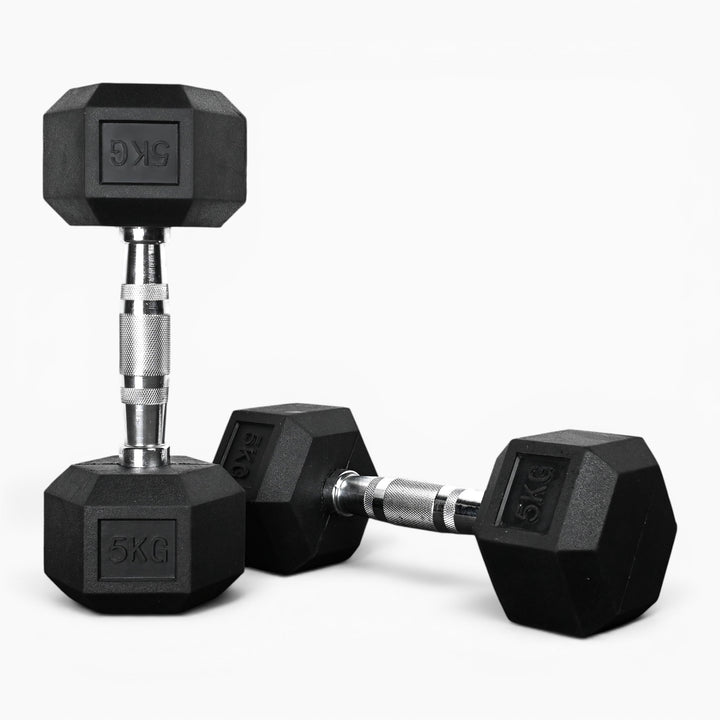
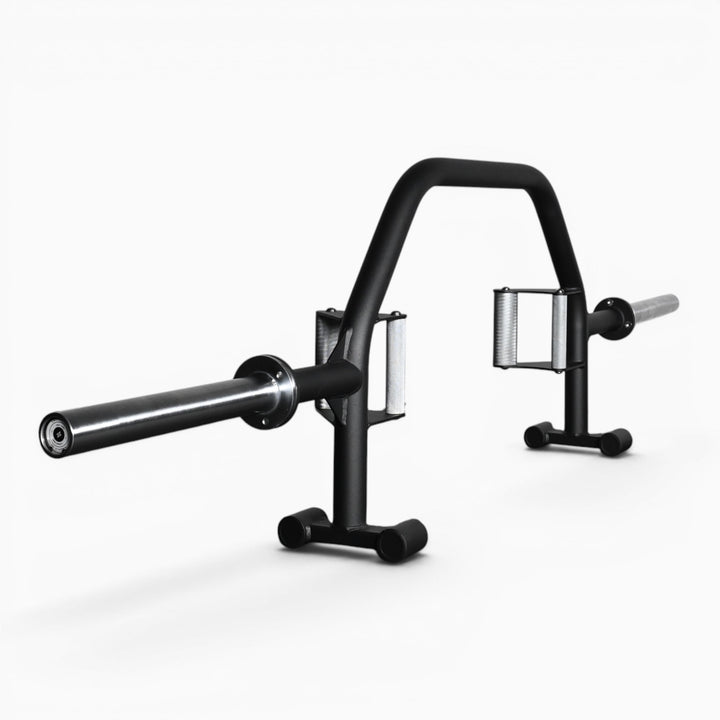
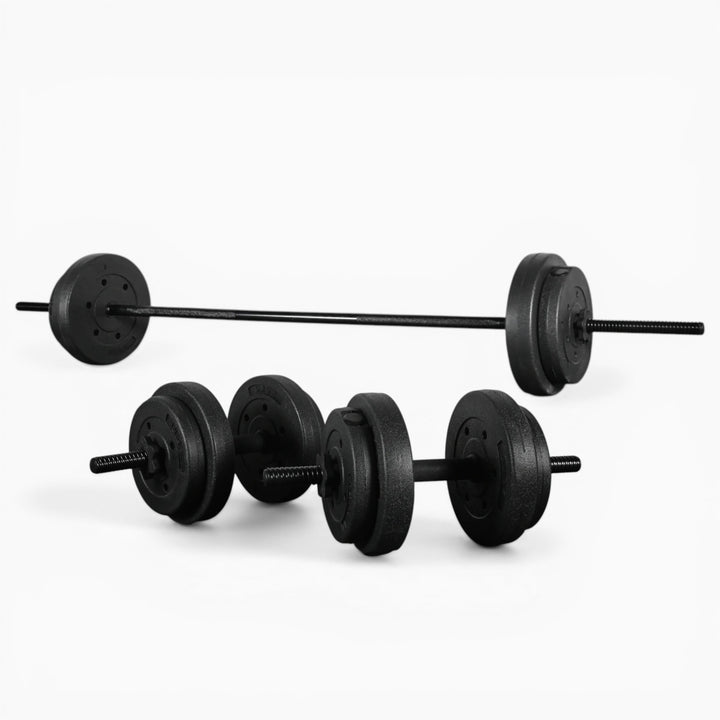
If you want to fundamentally change the shape of your body and make fat loss easier in the long run, you need to lift weights. Resistance training sends a clear signal to your body: "We need this muscle to lift heavy things, do not burn it for fuel."
When you preserve your muscle mass during a fat loss phase, your metabolism stays elevated. Furthermore, repairing the microscopic muscle tears caused by a weight training session requires energy, meaning your body continues to burn extra calories for up to forty-eight hours after you leave the gym.
You do not need an incredibly complicated workout split. A brilliant starting routine looks like this:
-
Aim for three to four weight training sessions per week, focusing on compound movements that recruit multiple joints and muscle groups at once.
-
Prioritise exercises like squats, deadlifts, lunges, chest presses, and overhead presses to get the maximum return on your time investment.
-
Focus on progressive overload, which simply means trying to get slightly stronger or adding an extra repetition to your sets over time.
4. NEAT: The Hidden Calorie Burner
When we think about physical activity, we tend to focus entirely on our structured workouts. But your gym session only accounts for roughly one hour of your day. What happens during the other twenty-three hours matters immensely.
This brings us to a concept known as NEAT, which stands for Non-Exercise Activity Thermogenesis.
NEAT is the energy expended for everything we do that is not sleeping, eating, or sports-like exercise. It includes walking to the shops, typing on your keyboard, fidgeting, cleaning the house, and standing up to stretch.
| Activity Category | Percentage of Daily Energy Expenditure | Impact on Fat Loss |
| Basal Metabolic Rate (BMR) | Roughly 60% to 70% | Keeps organs functioning; largely determined by genetics and muscle mass. |
| Thermic Effect of Food (TEF) | Roughly 10% | Energy used to digest food; highest when consuming protein. |
| Exercise Activity (EAT) | Roughly 5% | Structured gym sessions; burns fewer daily calories than most people realise. |
| Non-Exercise Activity (NEAT) | Up to 15% to 30% | Daily movement like walking and cleaning; highly customisable and impactful. |
As you can see from the breakdown above, NEAT accounts for a significantly larger portion of your daily calorie burn than your actual workouts.
When you go into a calorie deficit, your body tries to defend its energy stores by subtly making you move less. You might find yourself sitting down more often, skipping the stairs, or fidgeting less without even realizing it. This subconscious drop in NEAT can completely wipe out your hard-earned calorie deficit.
To keep your NEAT high without exhausting yourself, try adopting these effortless daily habits:
-
Aim for a consistent daily step goal, such as eight thousand to ten thousand steps, using a wearable tracker or your smartphone.
-
Take a short ten-minute walk after each main meal, which also does wonders for your digestion and blood sugar control.
-
If you work a desk job, stand up and pace around the room every time you take a phone call.
-
Choose the stairs over the lift whenever you have the option.
5. Sleep and Stress: The Invisible Saboteurs
You can have your nutrition absolutely perfect and train like an elite athlete, but if you are consistently sleeping four hours a night and living in a state of high chronic stress, your fat loss efforts will stall.
Sleep and stress are not just mental states; they dictate your entire hormonal environment.
The Sleep Deprivation Trap
When you are sleep-deprived, two crucial hormones that control your appetite go completely out of balance:
-
Ghrelin: Your hunger hormone spikes significantly.
-
Leptin: Your fullness hormone plummets.
This is why, after a terrible night of sleep, you don't wake up craving a crisp salad or a bowl of broccoli. Your brain actively screams for high-calorie, ultra-processed carbohydrates and sugars because it is desperate for a quick burst of energy to keep you awake.
Additionally, lack of sleep increases insulin resistance, making it harder for your body to properly clear glucose from your bloodstream and efficiently utilise fat for fuel.
High Stress and Cortisol
When you are constantly stressed out by work, finances, or life in general, your adrenal glands pump out a hormone called cortisol.
Historically, cortisol was meant to help us survive brief, life-threatening dangers—like running away from a predator. In the modern world, however, our stress is chronic, meaning our cortisol levels stay elevated for weeks or months at a time.
High cortisol levels encourage your body to hold onto visceral fat, which is the deep fat stored around your internal organs in your abdominal region. It also triggers emotional eating, as your brain seeks out comfort foods to soothe the nervous system.
To build a lifestyle that truly supports your fat loss goals, try implementing these recovery practices:
-
Prioritise seven to eight hours of high-quality sleep every single night.
-
Establish a calming wind-down routine an hour before bed by turning off bright screens and dimming the lights.
-
Practice a daily stress-management technique that resonates with you, whether that is a walk in nature, breathwork, or reading a book.
6. Consistency Over Perfection: The Psychology of Success
The absolute best fat loss plan on paper is completely useless if you can only stick to it for five days before abandoning it out of sheer exhaustion.
The primary reason most people fail to lose fat permanently is not a lack of knowledge; it is an attachment to an "all-or-nothing" mentality. They believe that if they cannot eat perfectly clean and train every single day, they might as well give up and eat an entire pizza.
Fat loss is not won by being perfect for a single week. It is won by being consistently decent for six months.
If you have a meal that doesn't align with your goals, or if you miss a scheduled workout because life got in the way, your progress isn't ruined. One indulgent meal won't make you gain fat, just like one healthy meal won't suddenly make you lean.
What matters is your ability to get right back on track at the very next meal, without punishing yourself with extreme fasting or hours of excessive cardio the next day.
How to Measure Progress Correctly
Another mental barrier is relying entirely on the bathroom scale to judge your success. Your weight fluctuates daily based on water retention, salt intake, digestion, stress levels, and muscle soreness.
If you start lifting weights, you might be building muscle at the same time you are losing fat. The scale might not move at all, yet your clothes will fit better, your waist will look smaller, and your body composition will have shifted dramatically.
To maintain your sanity and accurately track your journey, use a mixture of these data points:
-
Weigh yourself two or three times a week under identical conditions, then calculate a weekly average to smooth out natural daily water weight fluctuations.
-
Take progress photographs in the same lighting every two to four weeks.
-
Take weekly measurements of your waist, hips, and thighs using a simple tape measure.
-
Pay attention to biofeedback markers like your daily energy levels, gym performance, sleep quality, and mood.
Summary: Your Step-by-Step Roadmap
When you strip away all the fitness industry hyperbole and look at the facts, answering what is the best way to lose fat? becomes remarkably straightforward. It doesn't require suffering, expensive juices, or giving up your social life.
To turn this guide into an actionable plan starting today, simply follow these steps:
-
Establish a gentle calorie deficit by calculating your maintenance needs and reducing that number by roughly fifteen to twenty per cent.
-
Focus your meals around lean proteins and whole foods to keep your hunger at bay and protect your muscles.
-
Lift weights three to four times a week to keep your metabolism strong and shape your physique.
-
Keep your daily movement high outside of the gym by aiming for a consistent daily step count.
-
Prioritise recovery by managing your daily stress levels and ensuring you get a solid seven to eight hours of sleep each night.
-
Commit to the long game, focusing on steady consistency over rapid, unsustainable perfection.
Be patient with yourself. Your body did not gain its current fat stores overnight, and it will not drop them overnight either. Focus on nailing the daily basics, enjoy the process of becoming stronger and more energised, and the physical results will inevitably follow.


