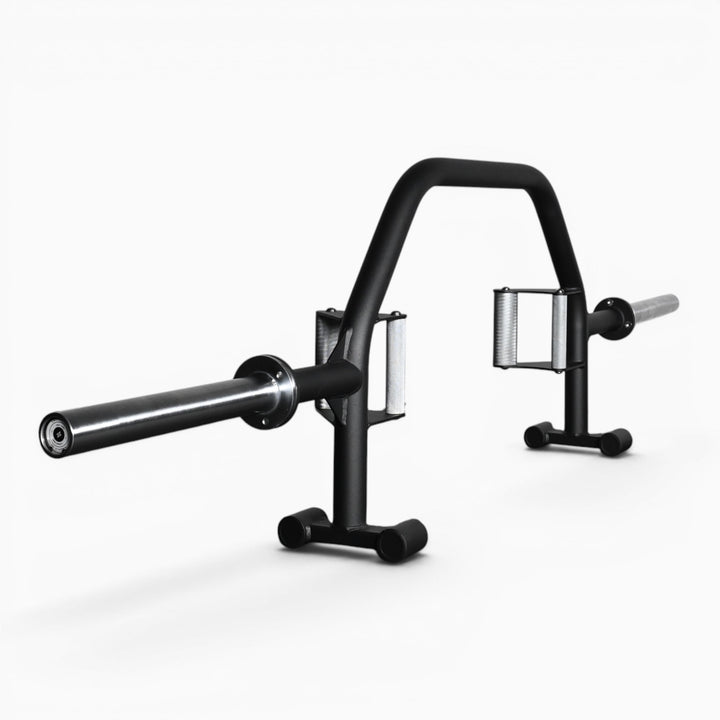


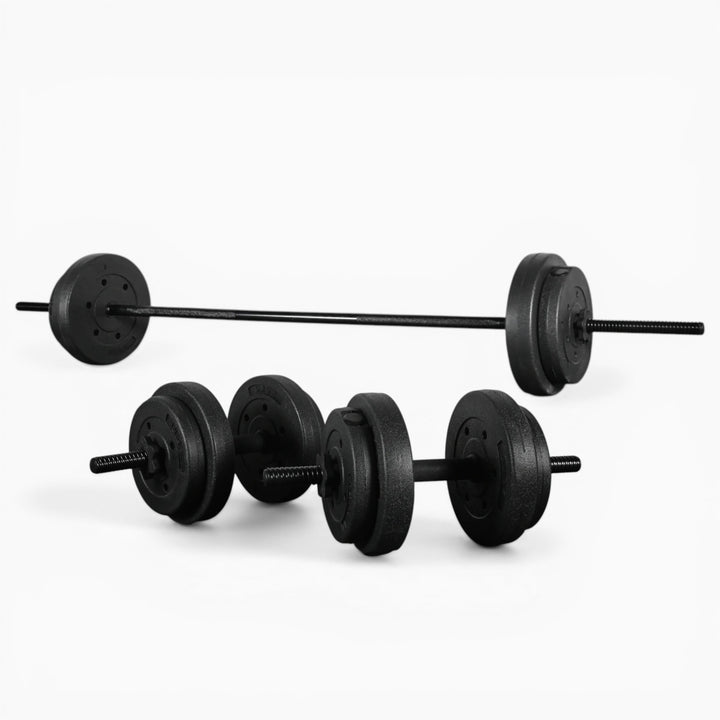


Strong traps do more than make your upper back look powerful. They help support your shoulders, stabilise your neck, improve posture, and carry over into big lifts like deadlifts, rows, presses, and loaded carries. The trapezius is a large upper-back muscle with upper, middle, and lower fibres, each helping with different shoulder blade movements such as elevation, retraction, depression, and rotation.
In this guide, we’ll break down the best trap exercises for building strength, size, and control. You’ll get gym-based movements, dumbbell options, bodyweight-friendly ideas, form tips, and a simple weekly plan you can use straight away.
Why Training Your Traps Matters

Your traps are not just the muscles that pop up beside your neck when you shrug. They cover a much larger area, running from the neck and upper spine across the shoulders and down into the mid-back. That means they play a role in how your upper body moves, holds posture, and handles load.
Training your traps can help with:
- A stronger upper back
- Better shoulder stability
- Improved posture and scapular control
- More powerful pulling movements
- Better support during heavy carries and deadlifts
- A fuller, more balanced physique
The key is training all areas of the traps, not just hammering endless shrugs.
Quick Trap Muscle Breakdown
| Trap area | Main role | Best exercise types |
|---|---|---|
| Upper traps | Shoulder elevation and neck support | Shrugs, farmer’s carries, rack pulls |
| Middle traps | Shoulder blade retraction | Rows, face pulls, reverse flyes |
| Lower traps | Shoulder blade depression and upward rotation | Y-raises, prone raises, cable trap raises |
The upper traps usually get the most attention because they are visible from the front. But if you want a strong, healthy-looking upper back, your middle and lower traps matter just as much.
A balanced trap routine should include a mix of heavy loading, controlled rowing, rear-delt work, and lower-trap activation.
1. Dumbbell Shrugs

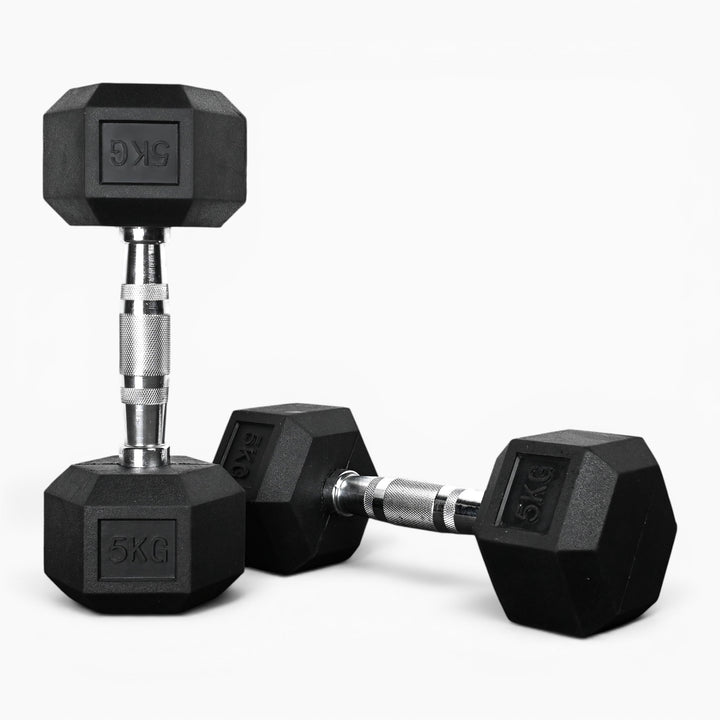
Dumbbell shrugs are one of the simplest and most effective trap exercises for targeting the upper traps. They are easy to set up, beginner-friendly, and allow each side of the body to work independently.
How to do them
- Stand tall with a dumbbell in each hand.
- Keep your arms straight and your chest lifted.
- Shrug your shoulders straight up towards your ears.
- Pause briefly at the top.
- Lower under control.
Form tips
Do not roll your shoulders. The movement should be straight up and down. ACE’s exercise guidance also notes that shoulder rolling is not needed during shrugs.
Use a weight you can control. If your head juts forward or your elbows bend, go lighter.
2. Barbell Shrugs

Barbell shrugs let you load the traps heavier than most dumbbell variations. They are ideal if your goal is size and strength, especially in the upper traps.
How to do them
- Hold a barbell in front of your thighs.
- Stand with feet roughly hip-width apart.
- Brace your core and keep your neck neutral.
- Shrug your shoulders upwards.
- Squeeze briefly, then lower slowly.
Best rep range
| Goal | Sets | Reps |
|---|---|---|
| Strength | 3-5 | 5-8 |
| Muscle growth | 3-4 | 8-15 |
| Control and endurance | 2-3 | 15-20 |
Barbell shrugs work best when you avoid bouncing. Let the traps lift the weight, not momentum.
3. Farmer’s Carries

Farmer’s carries are underrated for trap growth. You simply pick up heavy weights and walk, but the effect on your traps, grip, core, and posture is massive.
How to do them
- Hold a heavy dumbbell or kettlebell in each hand.
- Stand tall with shoulders down and back.
- Walk slowly and under control.
- Keep your ribs stacked over your hips.
- Avoid leaning from side to side.
Why they work
Your traps have to stabilise the shoulder girdle while your hands hold heavy loads. This creates constant tension without needing lots of reps.
Try 3-5 carries of 20-40 metres. Go heavy, but not so heavy that your posture collapses.
4. Face Pulls

Face pulls are one of the best trap exercises for the middle traps, rear delts, and upper-back stability. They are especially useful if you spend a lot of time sitting, pressing, or working at a desk.
How to do them
- Set a cable rope at upper-chest or face height.
- Hold the rope with both hands.
- Pull towards your face while leading with your elbows.
- Squeeze your shoulder blades together.
- Return slowly.
Form tips
Keep the movement smooth. Do not turn it into a heavy row. The goal is control, external rotation, and upper-back engagement.
Face pulls pair well with chest, shoulder, or back sessions because they help balance pressing work.
5. Bent-Over Rows

Rows are not only for the lats. A well-performed bent-over row also trains the middle traps, rhomboids, rear delts, and spinal erectors.
How to do them
- Hold a barbell or dumbbells.
- Hinge at your hips until your torso leans forward.
- Keep your back flat and core braced.
- Pull the weight towards your lower ribs.
- Squeeze your shoulder blades together.
- Lower with control.
Common mistakes
- Standing too upright
- Jerking the weight
- Letting the shoulders round forward
- Turning every rep into a lower-back swing
For trap focus, think about pulling your shoulder blades back rather than just moving your hands.
6. Chest-Supported Rows

Chest-supported rows are brilliant if you want to train your traps without overloading your lower back. Because your chest is supported, it is easier to focus on the upper-back squeeze.
How to do them
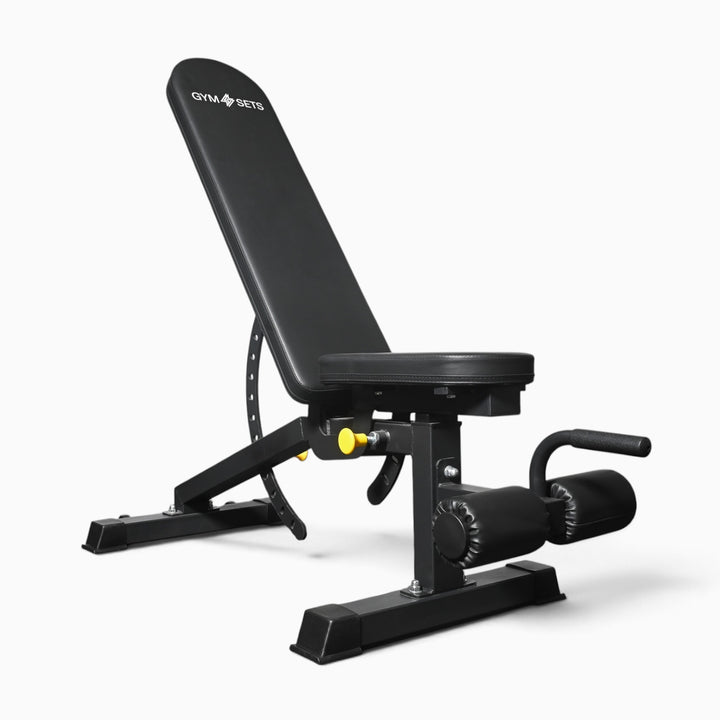
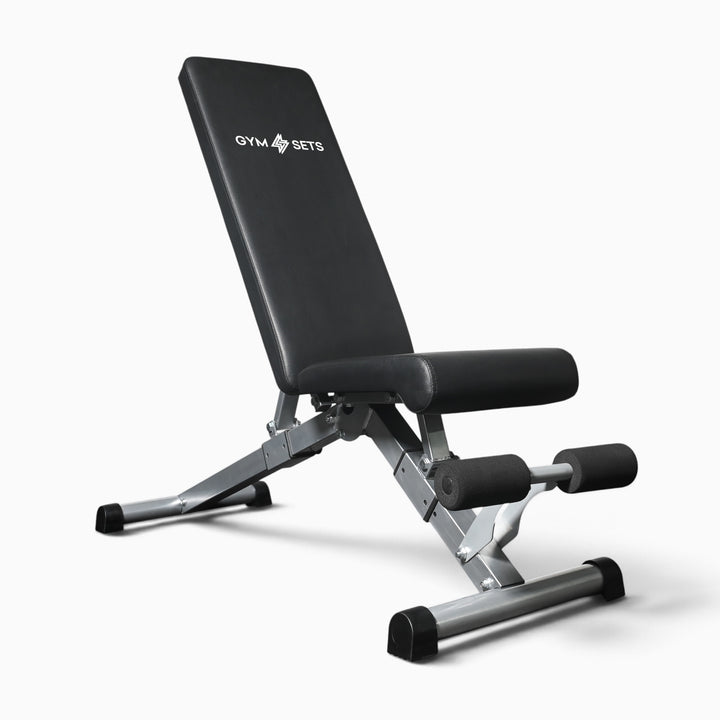
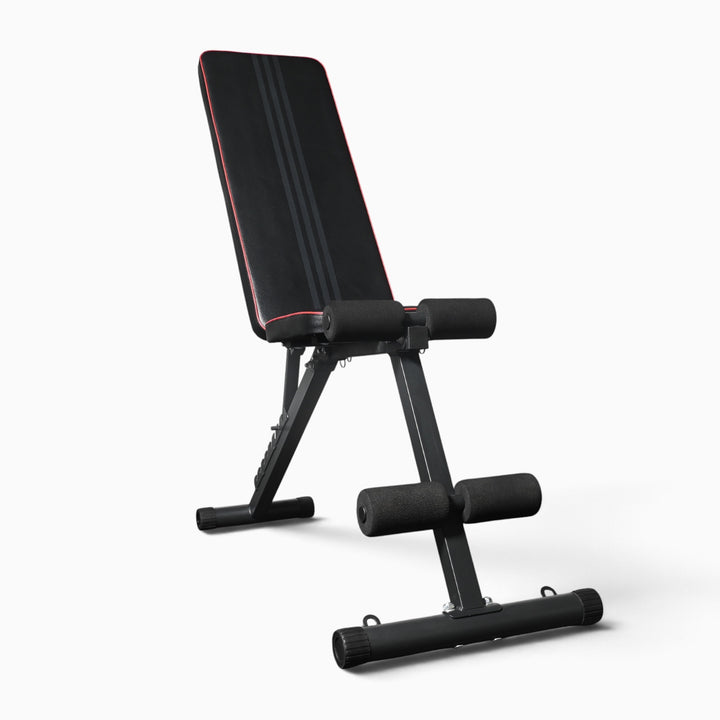
- Set an incline bench to around 30-45 degrees.
- Lie chest-down on the bench.
- Hold dumbbells underneath your shoulders.
- Row the dumbbells up and slightly back.
- Pause when your shoulder blades squeeze together.
- Lower slowly.
Why they are useful
This variation removes cheating. You cannot swing your torso as easily, so the traps and upper back have to do more of the work.
Use moderate weight and controlled reps. Aim for 8-15 reps per set.
7. Rack Pulls

Rack pulls are a heavy trap-building movement because they let you handle more load than many other exercises. They are similar to the top half of a deadlift, usually starting from knee height or slightly below.
How to do them
- Set the bar on safety pins or blocks.
- Stand with feet under the bar.
- Hinge down and grip the bar.
- Brace your core.
- Drive through your feet and stand tall.
- Lock out without leaning backwards.
Best use
Rack pulls are demanding, so treat them as a main strength exercise rather than a finisher.
Try 3-4 sets of 3-6 reps. Keep your shoulders packed and avoid overextending your lower back at the top.
8. Deadlifts

Deadlifts train the traps hard, even though they are not an isolation exercise. When you pull a heavy bar from the floor, your traps help stabilise the shoulders and upper back throughout the lift.
Why deadlifts help traps
Deadlifts involve:
- Heavy loading
- Grip strength
- Upper-back tension
- Full-body bracing
- Shoulder stability
You do not need to shrug at the top of a deadlift. In fact, it is better to keep your arms long and your upper back tight. Let the traps work as stabilisers while the hips and legs drive the lift.
For most lifters, 2-4 working sets of 3-8 reps is plenty.
9. Cable Y-Raises

Cable Y-raises are excellent for the lower traps. These fibres are often undertrained, but they are important for shoulder blade control and healthy overhead movement.
How to do them
- Set cable handles low.
- Hold one handle in each hand, crossing cables if needed.
- Raise your arms diagonally into a Y shape.
- Keep your shoulders away from your ears.
- Pause briefly at the top.
- Lower slowly.
Form tip
Go light. This is not an ego lift. If you feel it mainly in your neck, reduce the weight and slow down.
Cable Y-raises work well near the end of a workout or as part of a shoulder warm-up.
10. Prone Y-Raises

Prone Y-raises are a lower-trap favourite because they require very little equipment. You can perform them on an incline bench or even lying face-down on the floor.
How to do them
- Lie face-down on an incline bench.
- Let your arms hang down.
- Raise your arms into a Y position.
- Keep thumbs pointing upwards.
- Pause at the top.
- Lower under control.
Best approach
Use light dumbbells, small plates, or just bodyweight. The movement should feel precise and controlled.
Aim for 2-3 sets of 10-15 reps. This exercise is not about lifting heavy; it is about building control in an area many people neglect.
11. Upright Rows

Upright rows can train the upper traps and shoulders, but they need to be done carefully. Some people find them uncomfortable, especially if they pull too high or use a narrow grip.
Safer form tips
- Use a wider grip.
- Pull only to lower-chest height.
- Keep elbows slightly below shoulder height.
- Use moderate weight.
- Stop if you feel shoulder pinching.
Best variation
Dumbbell upright rows are often more comfortable than barbell versions because your hands can move more naturally.
Use upright rows as an accessory, not your main trap builder. If they do not feel good, swap them for shrugs, carries, or face pulls.
12. Reverse Flyes

Reverse flyes target the rear delts and middle traps. They are a great choice for improving upper-back shape and balancing out pressing-heavy training.
How to do them
- Hold light dumbbells.
- Hinge forward at the hips.
- Keep a soft bend in your elbows.
- Raise your arms out to the sides.
- Squeeze your shoulder blades gently.
- Lower slowly.
Key cue
Think “wide and controlled”, not “heavy and fast”.
Reverse flyes work best in higher rep ranges. Try 2-4 sets of 12-20 reps. They are also useful as a warm-up before rows or a finisher after back training.
Best Trap Exercises by Goal
| Goal | Best exercises |
|---|---|
| Bigger upper traps | Barbell shrugs, dumbbell shrugs, farmer’s carries |
| Stronger full traps | Deadlifts, rack pulls, rows |
| Better posture | Face pulls, reverse flyes, chest-supported rows |
| Lower-trap strength | Cable Y-raises, prone Y-raises |
| Grip and trap endurance | Farmer’s carries, suitcase carries |
| Beginner-friendly training | Dumbbell shrugs, face pulls, reverse flyes |
The best routine depends on your goal. If you want size, combine heavy shrugs with rows and carries. If you want shoulder control, prioritise face pulls, Y-raises, and chest-supported rows.
Simple Weekly Trap Workout
Here is an easy trap-focused plan you can add to your current training.
| Exercise | Sets | Reps |
|---|---|---|
| Barbell shrugs | 4 | 8-12 |
| Chest-supported rows | 3 | 10-12 |
| Face pulls | 3 | 12-15 |
| Farmer’s carries | 4 | 20-40 metres |
| Prone Y-raises | 2-3 | 12-15 |
Do this once per week if you already train back regularly. If traps are a priority, add a second lighter session with face pulls, reverse flyes, and Y-raises.
Avoid smashing your traps every day. They still need recovery, especially after heavy pulls and carries.
How Often Should You Train Traps?
Most people can train traps 1-2 times per week. The right frequency depends on your overall programme, recovery, and how much pulling you already do.
Good weekly options
- Beginner: 1 trap-focused session per week
- Intermediate: 1-2 sessions per week
- Advanced: 2 sessions, split between heavy and lighter work
A simple approach is to train upper traps with heavy shrugs or carries on back day, then train middle and lower traps with face pulls or Y-raises on shoulder day.
If your neck feels constantly tight, reduce the shrug volume and add more controlled lower-trap and mobility work.
Common Trap Training Mistakes
Trap training looks simple, but small mistakes can limit results or irritate your neck and shoulders.
Avoid these errors
- Rolling your shoulders during shrugs
- Going too heavy too soon
- Using momentum instead of control
- Ignoring middle and lower traps
- Shrugging during every pulling exercise
- Letting your head push forward
- Training through sharp pain
The traps respond well to both heavy loading and controlled volume. That means you do not need to choose between strength and form. Use heavy movements where appropriate, then slow things down for isolation work.
If pain lasts more than a week or affects normal movement, it is sensible to speak with a qualified health professional. Cleveland Clinic also recommends seeking care for upper back, neck, or head pain that continues for more than a week.
Final Thoughts: Build Traps the Smart Way
The best trap exercises are not just endless shrugs. A complete trap routine should train the upper, middle, and lower traps using a mix of heavy lifts, rows, carries, and controlled raises.
For size, focus on shrugs, farmer’s carries, rack pulls, and rows. For posture and shoulder control, include face pulls, reverse flyes, and Y-raises. For long-term progress, use good form, increase load gradually, and give your upper back time to recover.
Strong traps make your physique look more powerful, but they also help your shoulders feel more stable and your upper body perform better. Train them properly, and they will carry over into almost everything else you do in the gym.