





Injuries rarely happen out of nowhere. Most of the time, they build up gradually through weak muscles, poor mobility, bad posture, skipped warm-ups, or doing too much too soon. That is why the best injury-prevention workouts are not just about getting stronger. They are about helping your body move better, recover properly, and handle everyday stress without breaking down.
So, what are the best workouts to prevent injury? The short answer is a balanced mix of strength training, mobility work, balance exercises, core training, low-impact cardio, and proper warm-ups. The NHS recommends regular strength, flexibility and balance activities as part of a healthy fitness routine, alongside aerobic exercise.
Why Injury Prevention Should Be Part of Every Workout Plan
Most people only think about injury prevention after something starts hurting. But by then, the body has usually been compensating for weeks or even months. A tight hip can affect your knee. A weak core can overload your lower back. Poor ankle mobility can change how you squat, run or jump.
Injury-prevention training helps you build a body that is more prepared for movement. It supports stronger joints, better control, improved posture and more efficient technique. This matters whether you lift weights, run, play sport, go to classes, or simply want to stay active without regular aches. A good routine does not need to be complicated. It just needs to cover the basics consistently.
The Best Workouts to Prevent Injury at a Glance
Here is a simple breakdown of the most useful workout types for reducing injury risk and improving long-term movement quality.
| Workout type | Main benefit | Good examples |
|---|---|---|
| Strength training | Builds muscle support around joints | Squats, rows, deadlifts, presses |
| Mobility training | Improves range of motion | Hip openers, ankle drills, shoulder circles |
| Core training | Supports spine and posture | Planks, dead bugs, Pallof presses |
| Balance training | Improves stability and control | Single-leg stands, step-downs |
| Low-impact cardio | Builds fitness with less joint stress | Cycling, swimming, incline walking |
| Warm-up drills | Prepares muscles and joints | Dynamic stretches, light cardio |
The goal is not to pick one perfect workout. The safest, most effective approach is to combine several types across the week.
Strength Training: The Foundation of Injury Prevention
Strength training is one of the best workouts to prevent injury because strong muscles help protect your joints. When your glutes, hamstrings, quads, back, shoulders and core are stronger, your body can absorb force more effectively. That means less strain on your knees, hips, spine and ankles.
You do not need to lift extremely heavy weights to get the benefits. Bodyweight exercises, resistance bands, dumbbells, kettlebells and machines can all work well. The key is using good technique and increasing the challenge gradually. NHS guidance highlights strength exercises as useful for improving muscle strength, maintaining bone density, improving balance and reducing joint pain.
Best Strength Exercises for Injury Prevention
A good injury-prevention strength routine should include movements that train the whole body. Instead of focusing only on “mirror muscles”, train the muscles that help stabilise and control your joints.
Useful exercises include:
- Squats or goblet squats
- Romanian deadlifts
- Glute bridges or hip thrusts
- Step-ups
- Seated rows or bent-over rows
- Press-ups or chest presses
- Shoulder presses
- Farmer’s carries
Start with two to three strength sessions per week. Focus on slow, controlled reps. If your technique starts to fall apart, reduce the weight or stop the set.
Core Workouts: Protect Your Back and Improve Control
Core training is about much more than getting visible abs. Your core includes the muscles around your stomach, lower back, hips and pelvis. These muscles help keep your spine stable when you lift, twist, run, reach or change direction.
A weak core can make other areas work harder than they should. For example, your lower back might take over during squats, deadlifts or even simple daily movements. A stronger core helps you move with better control and reduces unnecessary stress on the spine. For injury prevention, focus on stability-based exercises rather than endless crunches.
Best Core Exercises to Prevent Injury
The best core exercises teach your body to resist unwanted movement. That means learning to stay stable while your arms or legs move.
Try these:
- Dead bugs
- Bird dogs
- Front planks
- Side planks
- Pallof presses
- Suitcase carries
- Slow mountain climbers
For most people, 10 to 15 minutes of core work two or three times per week is enough. Keep the movement controlled and avoid holding your breath. Quality matters far more than rushing through high reps.
Mobility Workouts: Move Better, Feel Better
Mobility is your ability to move a joint through its full usable range with control. It is not the same as passive flexibility. You might be able to stretch into a position, but mobility means you can actively control that position during movement.
Poor mobility can lead to compensation. For example, stiff ankles can make squats feel awkward. Tight hips can affect running form. Limited shoulder mobility can make overhead exercises uncomfortable. Mobility workouts help your joints move more freely, which can improve technique and reduce strain.
Best Mobility Drills for Injury Prevention
You can use mobility work before training, after training, or on rest days. Before workouts, keep it dynamic. After workouts, slower stretching can be useful.
Good mobility exercises include:
- Hip 90/90 switches
- World’s greatest stretch
- Ankle rocks
- Thoracic spine rotations
- Cat-cow stretches
- Shoulder wall slides
- Deep squat holds
Aim for five to ten minutes most days. Little and often is usually better than one long mobility session every few weeks.
Balance Training: Small Exercises, Big Benefits
Balance training is often overlooked, but it is one of the most practical ways to reduce injury risk. Good balance helps your body react quickly and stay controlled when you step, land, turn or move on uneven ground.
This matters for everyone, not just older adults. Runners, lifters, footballers, hikers and gym-goers all benefit from better balance and proprioception. Proprioception is your body’s awareness of where it is in space. When it improves, your joints tend to move with more control.
NHS inform recommends activities that maintain or improve muscle strength, balance and flexibility at least twice a week.
Best Balance Exercises to Prevent Injury
Balance exercises do not need to look dramatic. In fact, the simple ones are often the most useful.
Try adding these to your warm-up or cooldown:
- Single-leg stands
- Single-leg Romanian deadlifts
- Step-downs
- Walking lunges
- Heel-to-toe walks
- Lateral bounds
- Controlled calf raises
Start near a wall or stable surface if needed. The aim is control, not wobbling as much as possible. Once you feel steady, progress by adding movement, load or a softer surface.
Low-Impact Cardio: Build Fitness Without Overloading Joints

Cardio is important for heart health, stamina and recovery, but high-impact exercise is not always the best option if your body feels sore or overloaded. Low-impact cardio can improve fitness while placing less stress on your joints.
This is especially useful if you are returning from injury, new to training, carrying fatigue, or balancing gym work with sport. Low-impact does not mean easy. Cycling, rowing, swimming and incline walking can all be challenging when done properly.
The NHS recommends adults aim for regular moderate activity each week, alongside strengthening activities.
Best Low-Impact Cardio Workouts
Choose cardio that feels good on your joints and matches your fitness level.
Good options include:
- Brisk walking
- Incline treadmill walking
- Cycling
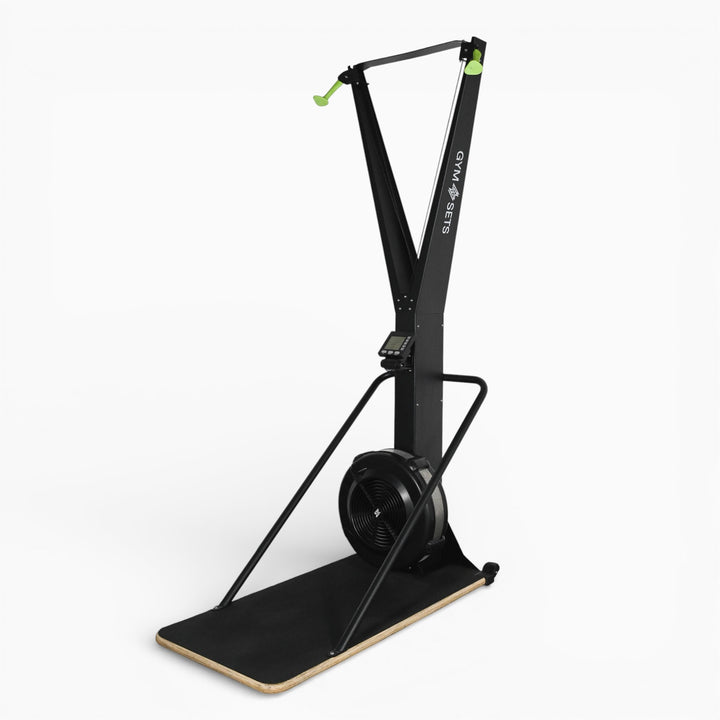
- Rowing machine
- Swimming
- Cross trainer
- Sled pushes
- Light circuit training
For injury prevention, keep most cardio at a steady, manageable pace. You should feel like you are working, but not fighting for survival every session. Save intense intervals for when your body is well recovered.
Warm-Ups: The Workout Step You Should Not Skip
A proper warm-up prepares your muscles, joints and nervous system for exercise. It increases blood flow, raises body temperature and helps you move better before heavier or faster work begins. Skipping it can make your first few sets feel stiff and increase the chance of poor movement.
The NHS says warming up properly before exercise can help prevent injury and make workouts more effective. Their suggested warm-up routine takes at least six minutes, with longer warm-ups recommended when needed.
Simple Injury-Prevention Warm-Up
A good warm-up should match the workout you are about to do. Before leg day, warm up the hips, knees and ankles. Before upper-body training, prepare the shoulders, spine and wrists.
Try this structure:
- Light cardio: 3–5 minutes
- Dynamic mobility: 3–5 minutes
- Activation drills: 2–4 minutes
- Warm-up sets: build gradually before heavy lifts
For example, before squats you might do incline walking, ankle rocks, glute bridges and two lighter squat sets.
Flexibility and Cooldowns: Help Your Body Recover

Flexibility training can help maintain healthy range of motion, especially when combined with strength and mobility work. It is usually best after exercise or on recovery days, when the body is warm and you are not about to perform explosive movements.
A cooldown does not need to be long. Five to ten minutes of gentle movement and stretching can help your breathing and heart rate return to normal. It can also give you a chance to notice how your body feels after training. NHS sources commonly recommend warming up and cooling down as part of safe exercise habits.
Best Stretches for Injury Prevention
Focus on areas that commonly become tight from sitting, training or repetitive movement.
Useful stretches include:
- Hip flexor stretch
- Hamstring stretch
- Calf stretch
- Chest doorway stretch
- Child’s pose
- Figure-four glute stretch
- Upper-trap neck stretch
Hold each stretch for around 20 to 40 seconds. Avoid bouncing, forcing the position or stretching into pain.
Sample Weekly Workout Plan to Prevent Injury
The best workouts to prevent injury are most effective when spread across the week. You do not need to train hard every day. In fact, recovery is part of the plan.
| Day | Focus | Example session |
|---|---|---|
| Monday | Strength | Full-body weights + core |
| Tuesday | Low-impact cardio | 30-minute cycle or brisk walk |
| Wednesday | Mobility + balance | 25-minute controlled movement session |
| Thursday | Strength | Lower-body strength + core |
| Friday | Cardio + flexibility | Rowing, swimming or incline walk |
| Saturday | Strength or sport | Upper body, class or recreational activity |
| Sunday | Recovery | Gentle walk, stretching or rest |
This plan can be adjusted based on your fitness level, goals and schedule. The main idea is to train strength, mobility, balance and cardio without overloading the same tissues every day.
Common Training Mistakes That Increase Injury Risk
Even a good workout plan can become risky if it is done badly. Many injuries come from simple mistakes repeated over time.
Watch out for:
- Increasing weight, speed or distance too quickly
- Skipping warm-ups
- Training through sharp or worsening pain
- Ignoring sleep and recovery
- Using poor technique under fatigue
- Doing the same movements every session
- Avoiding strength training completely
- Copying advanced workouts too soon
One of the biggest mistakes is doing too much too soon. If you are starting again after time off, treat your first few weeks as a build-up phase rather than a test of willpower.
How to Know If a Workout Is Helping or Hurting
A good injury-prevention workout should leave you feeling challenged but not broken. Some muscle soreness can be normal, especially after a new exercise, but pain is different.
Green flags include:
- You feel warmer and looser after warming up
- Your technique improves as the session goes on
- Soreness settles within a couple of days
- You feel stronger or more controlled over time
- Your joints feel stable, not irritated
Red flags include sharp pain, swelling, pain that changes your movement, or discomfort that gets worse each session. If pain continues or feels unusual, it is sensible to speak to a qualified health professional.
Final Thoughts: What Are the Best Workouts to Prevent Injury?
So, what are the best workouts to prevent injury? The best approach is not one single workout. It is a balanced routine that includes strength training, core stability, mobility, balance work, low-impact cardio, warm-ups and recovery.
Strength training gives your joints support. Mobility helps you move freely. Balance improves control. Core work protects your spine. Cardio builds fitness without always adding heavy impact. Warm-ups and cooldowns help your body prepare and recover.
Keep it simple. Train consistently, progress gradually and listen to your body. Injury prevention is not about being cautious forever. It is about building a stronger, more capable body so you can train harder, move better and stay active for longer.