




Introduction
Face pull variations are some of the most useful exercises you can add to your upper body training. They target the rear delts, traps, rhomboids and rotator cuff muscles, which are often undertrained compared with the chest, front delts and lats.
If you spend long hours sitting, pressing, driving or working at a desk, face pulls can help strengthen the muscles that support better shoulder position and upper back control. They are also popular in strength training because they balance out pressing movements like bench press, overhead press and push-ups.
In this guide, we’ll break down the best face pull variations, how to do them properly, common mistakes to avoid and how to programme them into your workouts.
What Are Face Pulls?
Face pulls are an upper back and shoulder exercise usually performed with a cable machine, resistance band or suspension trainer. The movement involves pulling the handle or band towards your face while keeping your elbows high and externally rotating your shoulders.
Unlike rows, which mainly target the lats and mid-back, face pulls place more emphasis on the rear delts, traps and smaller stabilising muscles around the shoulder joint.
They are often used as:
- A warm-up exercise before upper body sessions
- An accessory movement after pressing or pulling work
- A posture-focused exercise
- A shoulder health drill
- A rear delt builder
When performed correctly, face pulls are controlled, smooth and deliberate. They are not about lifting heavy weight. The goal is quality movement, good shoulder positioning and strong muscle engagement.
Benefits of Face Pull Variations
Face pull variations offer more than just a rear delt pump. They help strengthen key muscles that support the shoulders, neck and upper back. This makes them useful for gym training, sports performance and everyday posture.
One major benefit is that they train external rotation, which is often neglected in standard gym programmes. Strong external rotators can support better shoulder mechanics, especially if you do lots of pressing.
Face pulls may also help improve upper back balance by targeting muscles that pull the shoulders back and down. This can be especially useful if your training includes plenty of chest work.
Key benefits include:
- Stronger rear delts
- Better upper back strength
- Improved shoulder control
- More balanced pressing strength
- Support for posture
- Better scapular stability
- Lower risk of overtraining the front delts
Main Muscles Worked by Face Pulls
Face pulls work several muscles at once, but the main focus is the upper back and rear shoulder area. The exact muscles used can change slightly depending on your grip, cable height and angle of pull.
| Muscle group | Role during face pulls |
|---|---|
| Rear delts | Pull the arms backwards and support shoulder stability |
| Traps | Help retract, elevate and control the shoulder blades |
| Rhomboids | Pull the shoulder blades together |
| Rotator cuff | Supports external rotation and shoulder control |
| Mid-back | Helps stabilise the pulling movement |
| Core | Keeps the torso steady during the exercise |
The rear delts usually get the most attention, but the rotator cuff and scapular muscles are just as important. That is why face pulls are often described as a “shoulder health” exercise, not just a bodybuilding movement.
How to Do a Standard Cable Face Pull
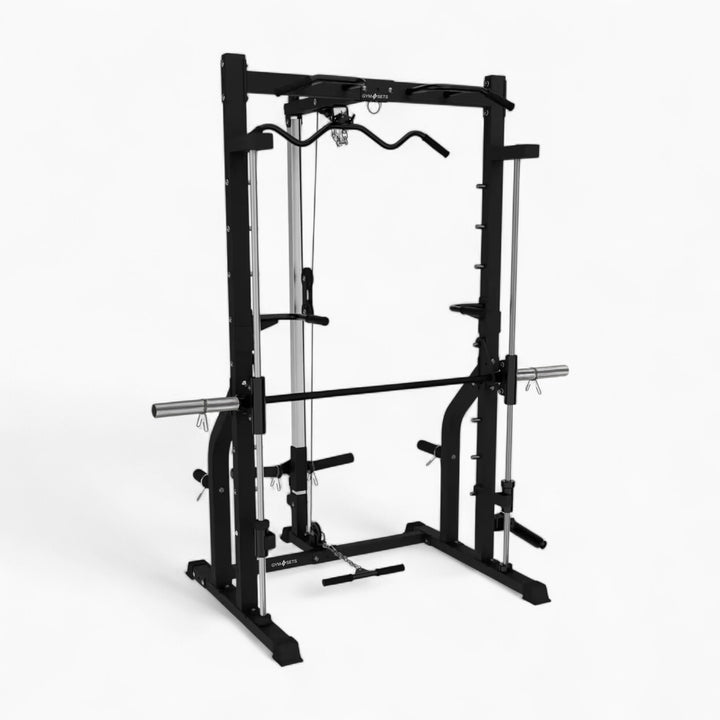
The cable face pull is the most common version because it provides constant tension throughout the movement. You’ll usually use a rope attachment set around upper chest or face height.
Stand facing the cable machine and take one end of the rope in each hand. Step back until your arms are straight and there is tension on the cable. Keep your feet stable, ribs down and core lightly braced.
Pull the rope towards your face, leading with your elbows. As you pull, separate the rope slightly so your hands travel towards the sides of your head. Pause briefly, then return with control.
Form checklist:
- Keep elbows high
- Pull towards eye or forehead level
- Avoid leaning back
- Use a controlled tempo
- Squeeze the upper back at the end
- Do not turn it into a heavy row
Best Face Pull Variations
There are many face pull variations, and each one offers a slightly different training effect. Some are better for beginners, while others are useful for advanced lifters who want more rear delt tension or shoulder stability work.
The best variation depends on your equipment, goal and current strength level. For example, bands are ideal for home training and warm-ups, while cables are better for consistent resistance. Dumbbell and bench-supported options can help if you want more control and less body movement.
| Variation | Best for | Equipment |
|---|---|---|
| Cable face pull | Overall strength and control | Cable machine |
| Band face pull | Home workouts and warm-ups | Resistance band |
| Seated face pull | Strict form | Cable machine |
| High-to-low face pull | Lower trap focus | Cable machine |
| Face pull to external rotation | Shoulder stability | Cable or band |
| Incline bench face pull | Reduced momentum | Dumbbells or cables |
Cable Face Pull
The cable face pull is the classic version and probably the best starting point for most people. It gives you smooth resistance, easy load adjustments and a clear pulling path.
Set the cable around face height and use a rope attachment. Pull the rope towards your forehead or nose while keeping your elbows wide. At the end of the movement, your hands should be close to your ears and your upper back should feel fully engaged.
This variation is excellent for building rear delt strength and improving scapular control. It also fits well at the end of a push, pull or upper body workout.
Best use:
- 2–4 sets
- 12–20 reps
- Moderate to light weight
- Slow, controlled tempo
Avoid going too heavy. If you have to lean backwards to move the weight, it is too much.
Resistance Band Face Pull
The resistance band face pull is one of the most convenient face pull variations because you can do it almost anywhere. All you need is a sturdy anchor point and a long resistance band.
Attach the band at around face height. Hold one end in each hand, step back to create tension, then pull the band towards your face. Keep your elbows high and squeeze your shoulder blades together at the end.
Bands create more tension as they stretch, so the hardest part is usually the finish. This makes them great for learning control and strengthening the top part of the movement.
Why it works well:
- Easy to do at home
- Great for warm-ups
- Joint-friendly resistance
- Useful for high-rep training
- Simple to scale by stepping closer or further away
Use lighter bands first so your form stays clean.
Seated Face Pull
The seated face pull is a stricter version that reduces lower body involvement. Because you are seated, it becomes harder to use momentum, lean back or turn the movement into a full-body pull.
Set up on a cable row station or sit in front of a cable stack. Position the pulley around upper chest to face height. Hold the rope attachment, sit tall and pull towards your face while keeping your chest lifted.
This variation is especially useful if you struggle to stay still during standing face pulls. It also helps you focus on the rear delts, traps and rhomboids without shifting your body weight.
Good for:
- Better form control
- Beginners learning technique
- Lifters who use too much momentum
- Higher-rep accessory work
Keep your torso upright throughout. If your body rocks back with every rep, lower the weight.
High-to-Low Face Pull
The high-to-low face pull changes the angle of the movement. Instead of pulling straight towards your face from shoulder height, the cable starts slightly above you and travels down towards your upper face or neck area.
This angle can place more focus on lower trap engagement and shoulder blade control. It is also a useful variation if standard face pulls feel awkward on your shoulders.
Set the pulley slightly above head height. Grab the rope, step back and pull down and back towards your face. Think about guiding your elbows out and slightly down rather than pulling straight back.
Training tips:
- Keep the neck relaxed
- Do not shrug aggressively
- Pull with the elbows, not the hands
- Pause at the end of each rep
- Use a lighter load than normal
This is a great option for posture-focused upper back work.
Low-to-High Face Pull
The low-to-high face pull is less common, but it can be useful for targeting the upper traps, rear delts and external rotators from a different angle. In this version, the cable starts lower and you pull upwards towards your face.
Set the pulley around lower chest height. Hold the rope and step back until there is tension. Pull upwards and backwards, finishing with your hands near your temples or forehead.
Because this variation encourages a more upward pulling path, it can feel more challenging to control. Use a light weight and avoid turning it into a shrug.
Best for:
- Adding variety
- Rear delt emphasis
- Upper back activation
- Lifters who tolerate the angle well
This is not always the best beginner option. Master standard cable and band face pulls first, then try this version if it feels comfortable.
Face Pull to External Rotation
The face pull to external rotation is one of the best face pull variations for shoulder stability. It combines the pulling motion of a standard face pull with a stronger external rotation finish.
Start with a cable or resistance band at face height. Pull the rope towards your face, then rotate your hands backwards so your forearms move towards a “goalpost” position. Pause briefly before reversing the movement.
This variation asks more from the rotator cuff, so you do not need much weight. In fact, going too heavy can make the exercise messy and reduce the benefit.
Key cues:
- Pull first, rotate second
- Keep wrists neutral
- Do not flare the ribs
- Control the lowering phase
- Use slow reps
This is a smart choice for warm-ups, shoulder prehab-style training and lighter accessory work.
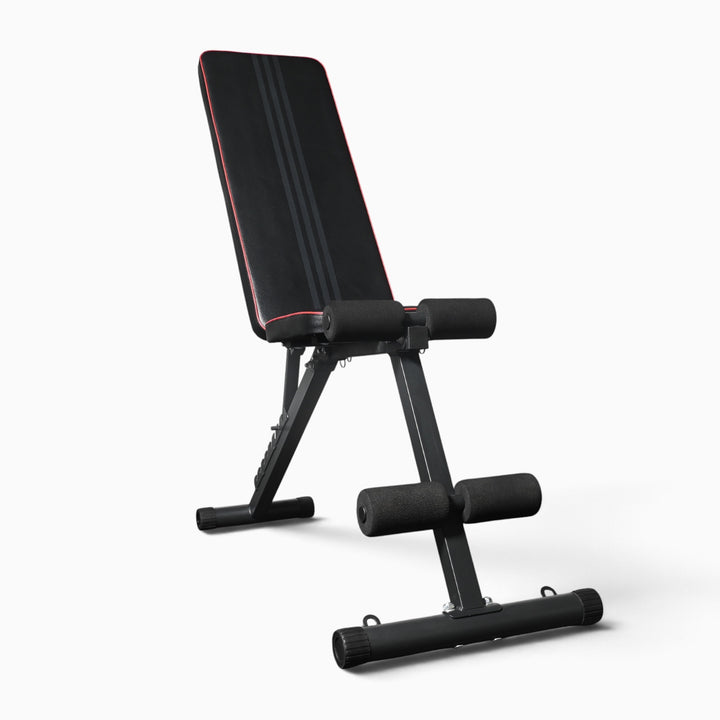
Incline Bench Face Pull
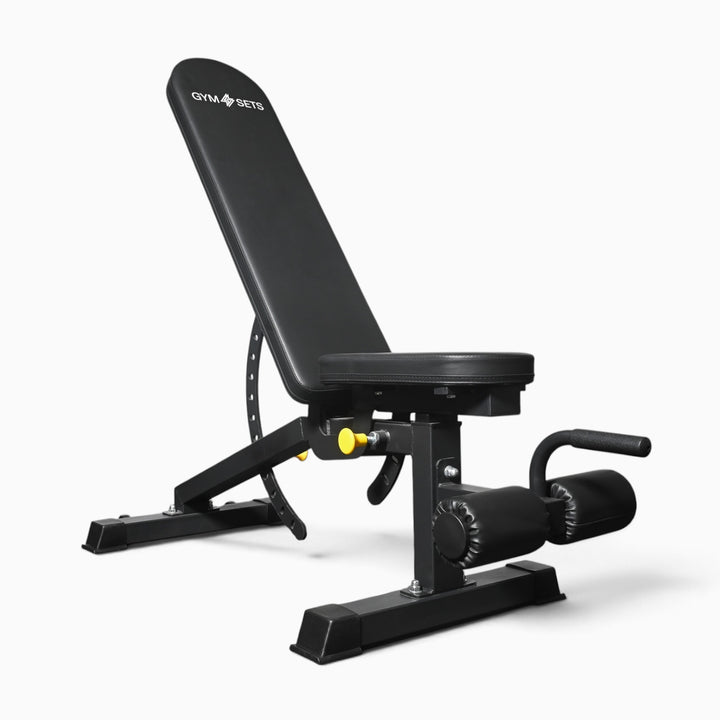
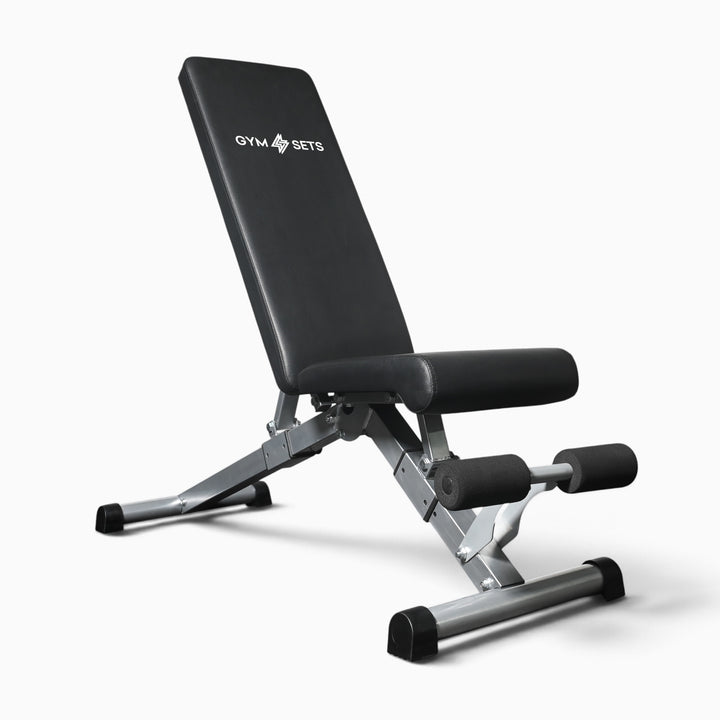
The incline bench face pull is a strict variation that removes most body momentum. You lie chest-down on an incline bench and perform the movement with dumbbells, cables or bands.
Set the bench at around 30–45 degrees. Lie face down with your chest supported. Pull your hands towards your face while keeping your elbows wide and your shoulder blades controlled.
This version is excellent if you tend to cheat standing face pulls by leaning back or swinging. The bench support keeps your torso locked in place, making the rear delts and upper back work harder.
Why use it:
- Reduces momentum
- Improves mind-muscle connection
- Helps isolate the rear delts
- Useful for bodybuilding-style training
- Good for controlled tempo reps
Use light dumbbells or a light cable setting. This variation feels harder than it looks.
Single-Arm Face Pull
The single-arm face pull is useful for fixing side-to-side strength differences. It allows each shoulder to move independently, which can reveal imbalances that are hidden during two-arm face pulls.
Use a single cable handle or one side of a resistance band. Stand square to the anchor point and pull the handle towards the side of your face. Keep your torso still and avoid rotating as you pull.
This variation is great when one shoulder feels less stable or one rear delt is weaker than the other. It also gives you more freedom to find a pulling path that feels natural.
Programming idea:
- 2–3 sets per side
- 12–15 reps
- Light to moderate resistance
- Slow pause at the finish
Keep both shoulders level. If your torso twists, reduce the load and focus on control.
Face Pull Mistakes to Avoid
Face pulls look simple, but small mistakes can reduce their effectiveness. The most common issue is using too much weight. When the load is too heavy, people often lean back, shrug excessively or pull with their arms instead of the upper back.
Another mistake is setting the cable too low and turning the movement into a row. Face pulls should travel towards the face, not the chest or stomach. Your elbows should stay high and wide for most variations.
Avoid these common errors:
- Pulling too low
- Letting elbows drop
- Leaning backwards
- Using fast, jerky reps
- Shrugging the shoulders too much
- Overarching the lower back
- Going too heavy
- Skipping the pause at the finish
Think quality over quantity. A lighter, cleaner face pull is far more useful than a heavy, messy one.
Face Pull Variations by Training Goal
Different face pull variations suit different goals. The table below can help you choose the right option for your programme.
| Goal | Best face pull variation | Suggested reps |
|---|---|---|
| Build rear delts | Cable face pull | 12–20 |
| Improve posture | Band face pull | 15–25 |
| Reduce momentum | Seated face pull | 12–18 |
| Shoulder stability | Face pull to external rotation | 10–15 |
| Train at home | Resistance band face pull | 15–25 |
| Fix imbalances | Single-arm face pull | 12–15 per side |
| Strict muscle focus | Incline bench face pull | 10–15 |
| Lower trap control | High-to-low face pull | 12–20 |
For most people, the standard cable face pull and band face pull are enough to start. Once your form feels solid, rotate in other variations for variety and progression.
How Many Sets and Reps Should You Do?
Face pulls work best with moderate to high reps. Because they target smaller muscles and shoulder stabilisers, they are not usually suited to heavy low-rep training.
Most lifters will get good results from 2–4 sets of 12–20 reps. If you are using bands or doing face pulls as a warm-up, you can go slightly higher, around 15–25 reps.
A simple weekly approach could look like this:
| Training level | Sets | Reps | Frequency |
|---|---|---|---|
| Beginner | 2–3 | 12–15 | 2 times per week |
| Intermediate | 3–4 | 12–20 | 2–3 times per week |
| Advanced | 3–5 | 15–25 | 2–4 times per week |
Keep the load manageable. You should feel your rear delts and upper back working, not your lower back or biceps taking over.
Where to Add Face Pulls in Your Workout
Face pulls are flexible and can fit into several parts of your training session. The best placement depends on your goal.
If you want to prepare your shoulders before pressing, use light band face pulls during your warm-up. If your goal is muscle growth, place cable face pulls later in the workout after your heavier compound lifts.
Good times to use face pulls include:
- Before bench press or overhead press
- After rows and pull-downs
- At the end of upper body sessions
- During shoulder warm-ups
- Between pressing sets as light activation work
- On rest days as easy mobility-style work
Try not to fatigue your rear delts too much before heavy pulling or pressing. If performance matters, keep pre-workout face pulls light and controlled.
Sample Face Pull Workout
Here is a simple upper back finisher using face pull variations. It is designed to improve rear delt strength, upper back control and shoulder stability without needing very heavy weights.
| Exercise | Sets | Reps | Rest |
|---|---|---|---|
| Cable face pull | 3 | 15 | 45–60 sec |
| Face pull to external rotation | 2 | 12 | 45–60 sec |
| Band face pull | 2 | 20 | 30–45 sec |
Focus on clean reps and a strong pause at the end of each movement. The goal is not to rush through the session. Every rep should feel deliberate.
You can add this finisher after an upper body, push or pull workout. If your shoulders feel tired or your form breaks down, reduce the volume rather than forcing extra reps.
Face Pulls vs Rear Delt Flyes
Face pulls and rear delt flyes both target the back of the shoulders, but they are not exactly the same. Face pulls involve more upper back and rotator cuff work, while rear delt flyes are usually more isolated to the rear delts.
| Exercise | Main focus | Best use |
|---|---|---|
| Face pulls | Rear delts, traps, rotator cuff, upper back | Shoulder balance and stability |
| Rear delt flyes | Rear delts | Muscle isolation and hypertrophy |
| Rows | Lats, rhomboids, traps | Back strength and thickness |
You do not have to choose one or the other. A balanced programme can include both face pulls and rear delt flyes. Use face pulls for control and stability, then add flyes if you want more direct rear delt volume.
Are Face Pulls Good for Posture?
Face pulls can support better posture by strengthening the muscles that help pull the shoulders back and control the upper back. However, they are not a magic fix on their own.
Posture is influenced by strength, mobility, daily habits, desk setup, breathing patterns and how often you move during the day. Face pulls are useful because they train muscles that are often weak or underused, especially if you do lots of sitting or pressing.
For best results, combine face pulls with:
- Rows
- Pull-ups or pull-downs
- Thoracic mobility drills
- Chest and lat mobility work
- Regular movement breaks
- Balanced pressing and pulling volume
Think of face pulls as one helpful tool. They work best when they are part of a well-rounded training plan.
Who Should Do Face Pull Variations?
Most gym-goers can benefit from face pull variations, especially if their programme includes pressing movements. They are suitable for beginners, intermediate lifters and advanced athletes when performed with good technique.
They are particularly useful for people who want stronger shoulders, better rear delt development or more upper back balance. They can also be helpful for those who train chest frequently and need more pulling volume to keep their shoulders feeling strong and controlled.
Face pulls may be useful for:
- Strength trainees
- Bodybuilding-style training
- Desk workers
- Sports players
- Beginners learning shoulder control
- Lifters who do lots of pressing
- Anyone wanting stronger rear delts
If you have shoulder pain or an existing injury, get guidance from a qualified professional before adding new exercises.
Frequently Asked Questions
What is the best face pull variation?
The best all-round variation is usually the cable face pull because it offers smooth, adjustable resistance and constant tension. For home workouts, band face pulls are the most practical option.
Should face pulls be heavy or light?
Face pulls should usually be light to moderate. The goal is control, not maximum load. If your form breaks down, the weight is too heavy.
Can I do face pulls every day?
You can do light face pulls regularly, but most people only need them 2–4 times per week. Daily heavy face pulls may irritate the shoulders.
Do face pulls build muscle?
Yes, face pulls can help build the rear delts, traps and upper back when performed with enough volume, control and consistency.
Are band face pulls effective?
Yes. Band face pulls are effective, especially for warm-ups, home workouts and high-rep shoulder activation.
Final Thoughts
Face pull variations are a simple but powerful way to strengthen the rear delts, traps, rotator cuff and upper back. They can help balance your training, support better shoulder control and add useful volume to muscles that many people neglect.
Start with the standard cable face pull or resistance band face pull. Once your technique feels solid, experiment with seated, single-arm, high-to-low and external rotation variations.
The most important thing is to keep the movement controlled. Use a weight you can manage, keep your elbows high and focus on feeling the upper back and rear shoulders working.
Add face pulls to your routine 2–3 times per week and treat them as quality accessory work. Done consistently, they can make a noticeable difference to your shoulder strength, posture and upper body balance.