




Training your abs is great, but if you want a stronger, more athletic-looking core, you should not ignore your obliques. These are the muscles that run along the sides of your waist and help with twisting, bending, bracing, and keeping your torso stable during movement.
A good oblique workout with dumbbells can help you build side-ab strength, improve posture, support heavier lifts, and make everyday movements feel easier. Whether you are carrying shopping bags, rotating during sport, or trying to stay stable during squats and lunges, your obliques are working hard.
In this guide, we’ll break down the best dumbbell oblique exercises, how to do them properly, common mistakes to avoid, and a simple workout plan you can follow straight away.
What Are the Obliques?
Your obliques are the muscles on the sides of your core. They sit between your ribs and hips and help your torso move and stay stable.
There are two main types:
| Muscle | Where it sits | Main role |
|---|---|---|
| External obliques | Outer side of the waist | Rotation, side bending, core control |
| Internal obliques | Deeper side-core muscles | Rotation, bracing, trunk stability |
Your obliques are involved in more than just twisting. They also help resist movement, which is a huge part of core strength. That means exercises where you stop your body from rotating can be just as useful as exercises where you actively twist.
This is why a smart dumbbell oblique workout should include both movement and stability exercises.
Why Use Dumbbells for Oblique Training?
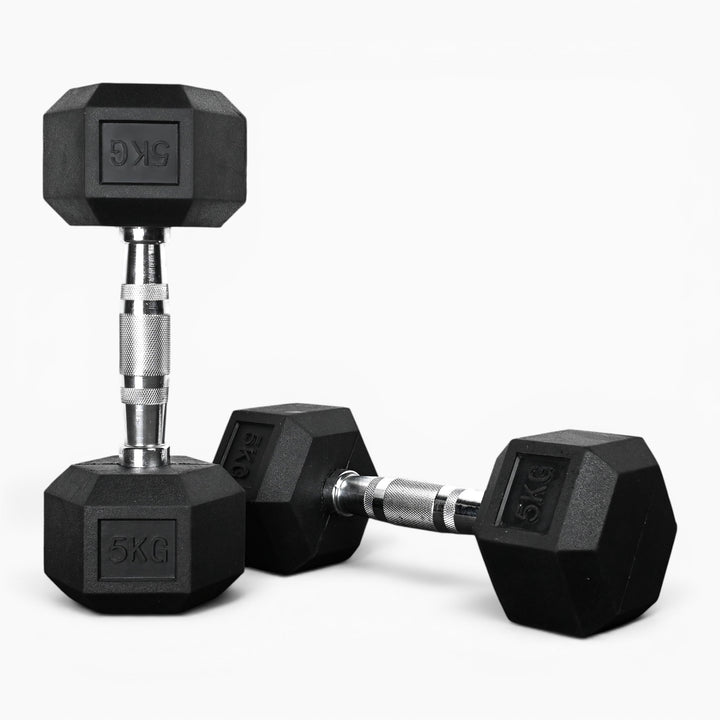
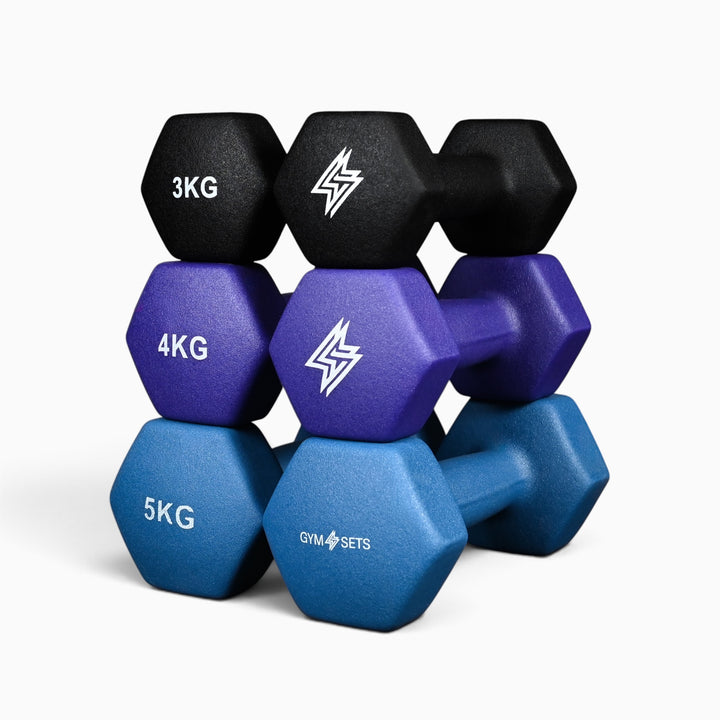
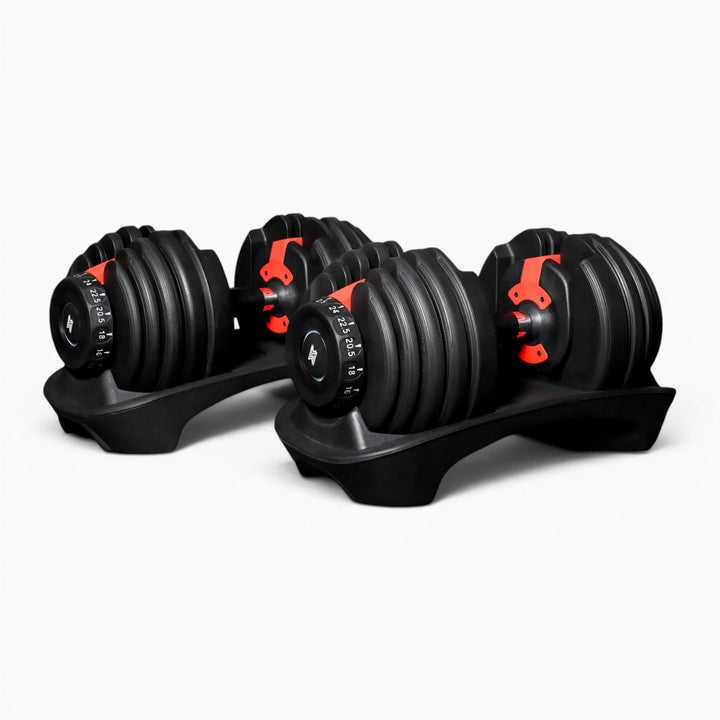
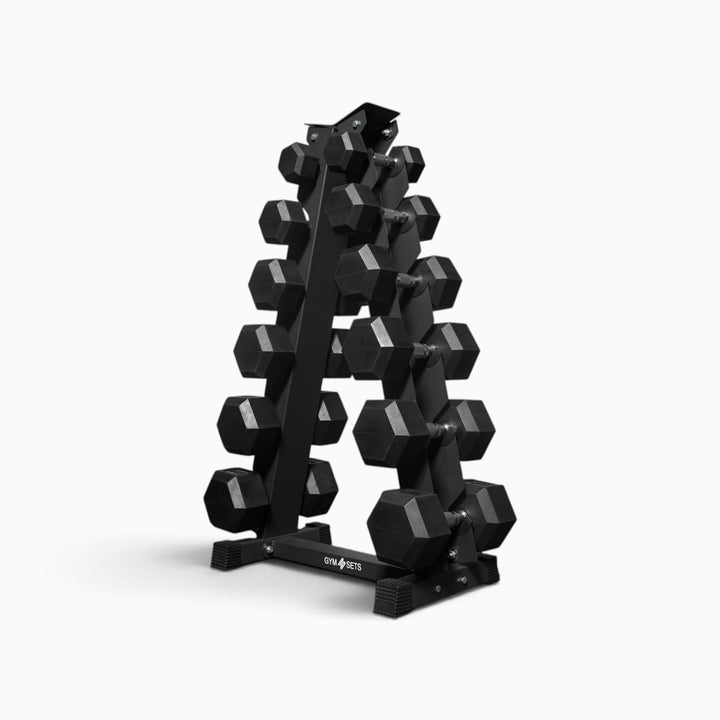
Dumbbells are simple, versatile, and easy to progress. You can use them for standing, seated, lying, and loaded carry movements, which makes them ideal for training the obliques from different angles.
Dumbbells are useful because they allow you to:
- Train one side at a time
- Add progressive overload
- Improve core balance
- Build grip and shoulder stability
- Train at home or in the gym
- Make basic core exercises more challenging
The key is not just grabbing the heaviest dumbbell you can find. Oblique training works best when you control the movement, brace properly, and avoid rushing through reps.
1. Dumbbell Side Bends
Dumbbell side bends are one of the most well-known oblique exercises. They target the side of your core and help strengthen lateral flexion, which is the movement of bending your torso sideways.
How to do them
- Stand tall with your feet hip-width apart.
- Hold one dumbbell by your side.
- Keep your chest lifted and core braced.
- Slowly lower the dumbbell down your leg.
- Use your obliques to pull your torso back upright.
- Complete all reps on one side, then switch.
Form tips
Do not hold a dumbbell in both hands. That can balance out the load and reduce the challenge. Keep the movement slow and controlled.
Avoid leaning forwards or backwards. Imagine you are sliding between two walls, moving only sideways.
2. Dumbbell Russian Twists
Russian twists are a popular exercise for the obliques, but they need to be done with control. The goal is not to swing the dumbbell from side to side. The goal is to rotate through your torso while keeping your core engaged.
How to do them
- Sit on the floor with your knees bent.
- Hold one dumbbell in both hands.
- Lean back slightly until your core switches on.
- Rotate your torso to one side.
- Bring the dumbbell across your body.
- Rotate to the other side.
Make it easier or harder
| Version | Difficulty |
|---|---|
| Feet on the floor | Easier |
| Feet lifted | Harder |
| Lighter dumbbell | Better for control |
| Heavier dumbbell | Better for strength, if form stays clean |
Move slowly. If your lower back feels strained, reduce the weight or keep your feet down.
3. Dumbbell Wood Chops
Dumbbell wood chops are excellent for training rotation. They mimic a natural diagonal movement pattern, which makes them useful for sport, lifting, and everyday strength.
How to do them
- Stand with feet slightly wider than hip-width.
- Hold one dumbbell in both hands.
- Start with the dumbbell outside one hip.
- Rotate and lift it diagonally across your body.
- Finish with the dumbbell above the opposite shoulder.
- Control the weight back down.
Why they work
Wood chops train your obliques, abs, hips, shoulders, and upper back together. They are not just a core exercise; they are a full-body movement.
Keep your knees soft and let your hips rotate naturally. Do not twist aggressively through your lower back.
4. Dumbbell Low-to-High Chops
Low-to-high chops are similar to wood chops but place more focus on upward rotation and control. They are great for building power and coordination through the core.
How to do them
- Hold one dumbbell with both hands.
- Start near your outside knee or hip.
- Brace your core.
- Drive the dumbbell diagonally upwards.
- Finish above the opposite shoulder.
- Lower slowly and repeat.
Best use
This exercise works well in the middle of a workout, after your core is warm but before you are too tired.
Try 3 sets of 10-12 reps per side. Use a moderate dumbbell and focus on smooth movement rather than speed.
5. Dumbbell High-to-Low Chops
High-to-low chops train the opposite diagonal pattern. They are useful because your obliques need to control movement in multiple directions, not just one.
How to do them
- Hold one dumbbell with both hands.
- Start above one shoulder.
- Rotate down towards the opposite hip.
- Keep your core tight.
- Let your hips and feet move naturally.
- Return to the start with control.
Form tips
Avoid rounding your back. Keep your chest proud and your spine long.
This movement should feel athletic, but not messy. If the dumbbell pulls you off balance, it is too heavy.
High-to-low chops pair well with low-to-high chops for a complete rotational core workout.
6. Dumbbell Suitcase Carries
Suitcase carries are one of the best oblique exercises because they train anti-lateral flexion. That means your obliques have to stop your body from bending sideways.
How to do them
- Hold one heavy dumbbell by your side.
- Stand tall with your shoulders level.
- Brace your core.
- Walk slowly for a set distance or time.
- Switch hands and repeat.
Why they are effective
Suitcase carries look simple, but they are brutal when done properly. Your body wants to lean towards the weight, and your obliques have to fight to keep you upright.
Start with 20-30 metres per side. Keep your ribs stacked over your hips and avoid rushing your steps.
7. Dumbbell Plank Pull-Throughs
Plank pull-throughs combine core stability, shoulder control, and anti-rotation. They are a brilliant choice if you want an oblique exercise that feels challenging without needing heavy weight.
How to do them
- Start in a high plank position.
- Place a dumbbell outside one hand.
- Reach the opposite hand under your body.
- Pull the dumbbell across to the other side.
- Place your hand back down.
- Repeat in the opposite direction.
Form tips
Try not to let your hips twist. The slower you move, the harder your obliques have to work.
Keep your feet wider apart if you need more stability. Bring them closer together if you want to make the exercise harder.
8. Dumbbell Side Plank Hip Lifts
Side planks are already excellent for the obliques. Adding a dumbbell makes them even more challenging, especially if you place the weight on your top hip.
How to do them
- Lie on your side with your elbow under your shoulder.
- Stack your feet or place one foot in front of the other.
- Put a dumbbell on your top hip.
- Lift your hips off the floor.
- Lower slightly, then lift again.
- Complete all reps on one side.
Best rep range
| Goal | Sets | Reps |
|---|---|---|
| Beginner control | 2-3 | 8-10 per side |
| Strength | 3-4 | 10-12 per side |
| Endurance | 2-3 | 15-20 per side |
Keep the movement small and controlled. Do not let your hips roll forwards or backwards.
9. Dumbbell Overhead March
The dumbbell overhead march is a sneaky core exercise. It challenges your obliques because your torso has to stay stable while your legs move and the weight sits overhead.
How to do it
- Hold one dumbbell overhead with both hands.
- Stand tall and brace your core.
- Slowly lift one knee towards hip height.
- Lower it under control.
- Repeat on the other side.
- Keep your ribs down throughout.
Why it works
This exercise trains your core to resist extension and side bending. It also challenges your shoulders and upper back.
Use a light to moderate dumbbell. If your lower back arches or your ribs flare, lower the weight and slow the movement down.
10. Dumbbell Dead Bug
Dead bugs are a great core exercise because they teach you how to brace while moving your arms and legs. Adding a dumbbell increases the challenge.
How to do it
- Lie on your back.
- Hold one dumbbell above your chest.
- Lift your knees to a tabletop position.
- Press your lower back gently towards the floor.
- Slowly lower one leg.
- Bring it back and switch sides.
Dumbbell options
You can either hold the dumbbell still above your chest or move it slightly overhead as you lower one leg. The second version is harder.
The goal is to keep your core tight and your lower back stable. If your back arches, reduce the range of motion.
11. Dumbbell Standing Rotations
Standing rotations are a simple way to train the obliques while staying upright. They work well as part of a warm-up, core circuit, or light finisher.
How to do them
- Stand with feet shoulder-width apart.
- Hold one dumbbell in both hands at chest height.
- Brace your core.
- Rotate your torso to one side.
- Return to centre.
- Rotate to the other side.
Important cue
Rotate with control. Do not swing the dumbbell. Your hips can move slightly, but your core should guide the motion.
This exercise works best with a lighter dumbbell and higher reps. Try 12-16 reps per side.
12. Dumbbell Renegade Rows
Renegade rows train the back, arms, shoulders, and obliques at the same time. Your obliques work hard to stop your hips from rotating as you row.
How to do them
- Start in a high plank with one hand on each dumbbell.
- Set your feet wider than shoulder-width.
- Brace your core and squeeze your glutes.
- Row one dumbbell towards your ribs.
- Lower it slowly.
- Repeat on the other side.
Form tips
Keep your hips as still as possible. If you are twisting a lot, widen your stance or use lighter dumbbells.
Renegade rows are tough, so quality matters more than reps. Aim for controlled sets of 6-10 reps per side.
Best Dumbbell Oblique Exercises by Goal
| Goal | Best exercises |
|---|---|
| Side-ab strength | Dumbbell side bends, side plank hip lifts |
| Rotational power | Wood chops, high-to-low chops, standing rotations |
| Core stability | Suitcase carries, plank pull-throughs, renegade rows |
| Beginner-friendly training | Side bends, dead bugs, standing rotations |
| Athletic core strength | Chops, carries, overhead marches |
| Home workouts | Russian twists, side plank hip lifts, dead bugs |
The best exercise depends on what you want to improve. For visible side-core development, include side bends and side plank variations. For performance, focus on carries, chops, and anti-rotation work.
A complete routine should include at least one bending exercise, one rotational exercise, and one stability exercise.
Simple Oblique Workout with Dumbbells
Here is a balanced dumbbell oblique workout you can add to your weekly routine.
| Exercise | Sets | Reps or distance |
|---|---|---|
| Dumbbell side bends | 3 | 10-12 per side |
| Dumbbell wood chops | 3 | 10-12 per side |
| Suitcase carries | 4 | 20-30 metres per side |
| Plank pull-throughs | 3 | 8-10 per side |
| Dumbbell dead bugs | 3 | 8-12 per side |
Rest for 45-75 seconds between sets. Move slowly and keep your core engaged throughout.
This workout should take around 20-30 minutes. You can perform it on its own or add it to the end of a lower-body, upper-body, or full-body session.
Beginner Dumbbell Oblique Workout
If you are new to oblique training, start simple. You do not need lots of weight or complicated movements.
| Exercise | Sets | Reps |
|---|---|---|
| Dumbbell side bends | 2 | 10 per side |
| Dumbbell standing rotations | 2 | 12 per side |
| Dumbbell dead bugs | 2 | 8 per side |
| Suitcase carries | 2 | 20 metres per side |
Use light dumbbells and focus on learning how to brace. Your aim is to feel your core working without feeling strain in your lower back.
Once the exercises feel smooth, add another set or increase the weight slightly.
How Often Should You Train Obliques?
Most people can train obliques 2-3 times per week, especially if the sessions are not too heavy. Your obliques also work during squats, deadlifts, lunges, rows, carries, and overhead movements, so you may already be training them indirectly.
A simple weekly setup
- Day 1: Heavy core work with carries and side bends
- Day 2: Light stability work with dead bugs and plank pull-throughs
- Day 3: Rotational work with wood chops and standing rotations
You do not need to train obliques every day. Like any other muscle group, they need recovery to grow stronger.
If your sides feel sore or your lower back feels tight, give yourself extra rest.
Common Oblique Training Mistakes
Oblique exercises can be very effective, but only when you do them properly. The biggest mistake is rushing through the movement and letting momentum take over.
Avoid these errors
- Using dumbbells that are too heavy
- Twisting aggressively through the lower back
- Holding your breath for too long
- Letting your ribs flare
- Arching your lower back during dead bugs
- Leaning during suitcase carries
- Doing only Russian twists and nothing else
- Ignoring anti-rotation exercises
Good oblique training should feel controlled. You want your core to guide the movement, not your arms swinging the dumbbell around.
A little muscle burn is normal. Sharp pain, especially in the spine or hips, is not.
Tips for Getting Better Results
To get the most from your dumbbell oblique workout, think about quality first and load second. You will build more useful strength by moving well than by forcing heavy reps with poor form.
Simple progress tips
- Add reps before adding weight
- Keep your breathing steady
- Control the lowering phase
- Train both sides evenly
- Use full-body tension
- Keep your movements smooth
- Track your sets, reps, and weights
You can also make exercises harder by slowing the tempo, pausing at the hardest point, or reducing your base of support. For example, bringing your feet closer together during plank pull-throughs makes your obliques work harder.
Small progressions add up quickly.
Final Thoughts: Build Strong Obliques with Dumbbells
A good oblique workout with dumbbells should train more than just twisting. Your obliques help you rotate, bend, brace, and resist movement, so your training should cover all of those roles.
For strength and shape, use side bends, side plank hip lifts, and dumbbell chops. For core stability, add suitcase carries, plank pull-throughs, dead bugs, and renegade rows. For a balanced routine, include a mix of bending, rotation, and anti-rotation work.
You do not need fancy equipment to build a stronger core. With one or two dumbbells, good form, and consistent effort, you can train your obliques effectively at home or in the gym.


