




Setting up a home fitness space is an exciting milestone, but it quickly leads to a classic dilemma: how do you fit a full commercial gym's worth of weight options into a spare room or garage? For most fitness enthusiasts, the ultimate space-saving solution seems to be a premium pair of adjustable dumbbells. They promise the utility of an entire rack of weights compressed into one compact package. However, before investing your hard-earned money, two critical questions naturally arise. Are adjustable dumbbells durable enough to survive years of intense training sessions, and do they change weights easily enough to keep your workouts smooth? In this comprehensive guide, we will dive deep into the mechanical realities, materials, and everyday usability of these popular fitness tools to help you decide if they are right for your home workouts.
Understanding Adjustable Dumbbells: How Do They Actually Work?
To appreciate the durability and usability of adjustable dumbbells, it is vital to understand the technology powering them. Unlike traditional fixed dumbbells, which are a solid lump of cast iron or urethane-coated steel, adjustable systems rely on intricate mechanical engineering. They allow you to select specific weight plates while leaving the rest resting safely in a custom storage cradle. By turning a dial, sliding a selector pin, or twisting the central handle, internal locking pins engage or disengage individual plates. This structural complexity is exactly what makes them incredibly versatile, but it also means there are moving parts involved. Because these weights rely on a clever interplay of gears, hooks, or selector bars, the build quality directly dictates how long they will last and how smoothly they operate during a fast-paced exercise routine.
Dial-A-Weight Systems
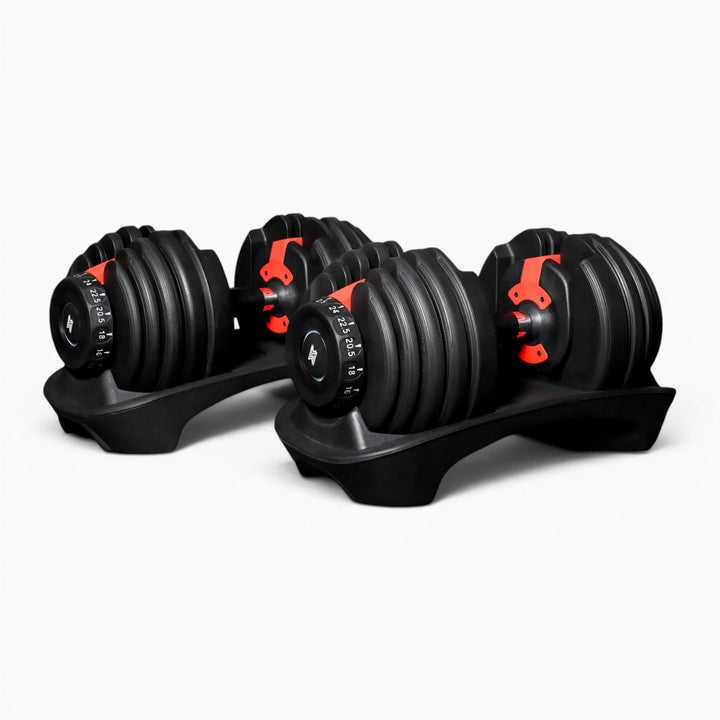
The dial-a-weight mechanism is one of the most common designs you will encounter in the home fitness market. These dumbbells feature selection dials on either end of the handle. To change the resistance, you place the dumbbell securely into its plastic base tray and turn the dials to your desired weight number. As you rotate the dial, an internal gear system turns, alignment discs shift, and heavy-duty selector hooks lock onto the corresponding weight plates. When you lift the handle out of the tray, only the selected plates come with it. This design is highly intuitive and exceptionally popular for general fitness enthusiasts. However, because the system relies on a series of rotating discs and selectors, keeping the mechanism clear of dirt, dust, and debris is essential for maintaining smooth operation over the long term.
Pin and Selector Block Systems
Another prominent design relies on a pin and selector block system, which takes heavy inspiration from the weight stacks found on commercial gym machines. These dumbbells feature a more squared, block-like appearance. The weight plates stack neatly inside one another, and you use a heavy-duty, U-shaped selector pin to choose your weight. You simply push the pin into the side of the block at your desired weight increment, which locks the corresponding plates to the central handle. This mechanism is incredibly straightforward and features fewer moving internal gears than dial systems. Because the pin mechanism is mostly external and relies on physical alignment rather than complex internal interlocking parts, many lifters consider this style to be among the sturdiest options available for rugged, long-term home use.
Twist-the-Handle Mechanisms
The twist-the-handle mechanism represents the latest evolution in home fitness convenience. This ultra-modern design looks and feels the closest to a traditional fixed studio dumbbell. There are no external dials or pins to fiddle with between sets. Instead, you simply place the dumbbell into its docking station and twist the central grip handle itself. As you rotate the handle, an internal rod or a series of heavy-duty teeth extend outward, interlocking securely with the internal channels of the weight plates. The current weight setting is usually displayed through a small, clear window on the top of the handle structure. This design provides an incredibly seamless, streamlined aesthetic and feels exceptionally balanced in the hand, making it a favourite for fitness lovers who value speed and traditional ergonomics.
The Big Question: Are Adjustable Dumbbells Durable Enough?
Durability is easily the primary concern for anyone transitioning from indestructible fixed iron weights to an adjustable setup. The honest answer is that while modern adjustable dumbbells are engineered to be highly robust, they are inherently more delicate than traditional solid steel or cast iron weights. A solid piece of iron has no failure points; you could throw it down a flight of stairs, and it would remain perfectly functional. An adjustable dumbbell, however, is a precise piece of mechanical engineering. Its structural integrity depends heavily on how it is handled, stored, and maintained. If treated with respect, a high-quality pair can easily last for a decade or more of consistent home training. Understanding the specific components that affect this longevity is key to protecting your investment.
Material Matters: Plastic vs. Metal Components
When evaluating durability, the materials used in the internal locking mechanisms and weight plates are absolutely critical. Budget-friendly options often utilise heavy-duty plastics or composite nylon materials for their internal gears, selector tracks, and outer plate coatings. While these materials keep manufacturing costs low and prevent annoying metal-on-metal clanging, they are more susceptible to wearing down, cracking, or stripping over time under heavy usage. On the premium end of the market, manufacturers utilise high-grade steel, CNC-machined aluminium, and robust cast iron for both the internal locking elements and the weight plates themselves. Investing in an all-metal or metal-reinforced locking mechanism dramatically reduces the risk of structural failure, ensuring that the plates stay safely locked to the handle during heavy overhead movements.
What Happens If You Drop Them?
If you are someone who regularly drops weights at the end of a gruelling chest press or deadlift set, adjustable dumbbells require a major shift in your workout habits. Simply put, adjustable dumbbells should never be dropped. Dropping them from even a short height can misalign the internal gear teeth, bend the selector pins, or crack the plastic components. This can result in a catastrophic failure where the plates become jammed in the base tray or, worse, slip off the handle unexpectedly mid-exercise. While accidental bumps and minor taps are inevitable in a dynamic home workout, deliberate dropping is the number one cause of broken adjustable weights. If your training style relies heavily on dropping weights to failure, traditional fixed iron weights or bumper plates remain a far safer and more practical choice.
Wear and Tear Over Years of Use
Like any mechanical device, adjustable dumbbells experience normal wear and tear over years of consistent operation. Over hundreds of workouts, the frequent clicking of dials, sliding of pins, or twisting of handles will cause minor friction. In lower-quality models, this can eventually lead to a loose or slightly sloppy feeling when selecting weights. High-quality sets, however, are engineered to tolerate this repetitive friction effortlessly. To combat long-term wear, it is important to occasionally inspect the locking pins and ensure the weight plates are free from rust or debris that could impede smooth alignment. By storing your dumbbells in their designated trays and keeping your workout environment dry, you can prevent moisture from affecting the internal springs and metallic components, preserving their tight, secure feel for years.
How Easily Do They Change Weights Mid-Workout?
The second major factor in the adjustable dumbbell debate is the ease and speed of changing weights. A cumbersome system can completely ruin the flow of your workout, especially if you enjoy high-intensity training styles. Fortunately, modern engineering has made the weight-changing process remarkably efficient. In general, transitioning from one weight setting to another takes only a matter of seconds. Instead of walking across a room to find a different set of keys or spinning manual spin-lock collars off a traditional barbell bar, you simply drop the handle into the dock, make a quick adjustment, and lift. This incredible convenience keeps your heart rate elevated and allows you to transition seamlessly between completely different exercises without losing momentum or cooling down during your hard-earned rest periods.
Speed Comparison Across Different Styles
Not all adjustable mechanisms are created equal when it comes to outright speed. Twist-the-handle systems are universally recognised as the fastest options on the market today. A simple flick of the wrist changes the weight in under two seconds flat. Dial systems are also incredibly swift, though they require you to turn two separate dials per dumbbell, which takes slightly longer—roughly five to eight seconds. Pin-selector block systems are highly efficient but can occasionally require an extra moment of focus to align the long selector prongs perfectly into the side channels, taking around ten seconds. To give you a clear overview of how these different engineering styles stack up against one another, let us look at their primary performance characteristics.
Efficiency for Supersets and Drop Sets
If your training routine heavily features advanced lifting techniques like supersets, compound sets, or drop sets, weight-changing efficiency becomes your absolute top priority. A drop set requires you to perform an exercise to muscular failure, immediately reduce the weight, and continue lifting without any resting. With old-school spin-lock dumbbells, drop sets are completely impractical because spinning the collars off takes far too long. Adjustable dumbbells, however, excel brilliantly in this specific scenario. Because you can drop the weights into the cradle, execute a lightning-fast dial turn or handle twist, and pick up a lighter load in under five seconds, your muscles receive zero recovery time. This allows you to achieve incredible muscle stimulation and high metabolic stress, making adjustable systems a phenomenal asset for bodybuilding and hypertrophy training.
Pros and Cons of Making the Switch to Adjustable Weights
To help you synthesise all this technical information, it is highly beneficial to look at a clear breakdown of the advantages and limitations of making the switch to an adjustable system.
The Key Advantages:
Unmatched Space Savings: Replaces up to thirty individual pairs of fixed dumbbells, taking up only a fraction of floor space.
Cost Efficiency: Purchasing one premium adjustable set is significantly cheaper than buying an entire commercial rack of individual weights.
Micro-Increment Loading: Many systems allow small, precise weight adjustments, which is perfect for breaking through strength plateaus.
The Key Limitations:
Vulnerability to Damage: Cannot be dropped or thrown around without risking serious internal mechanical damage.
Bulkier Form Factor: The physical size of the dumbbell can sometimes feel slightly long or awkward at lighter weight settings.
Best Practices to Maximise the Lifespan of Your Adjustable Weights
If you decide that an adjustable system is the perfect fit for your home gym setup, implementing a few simple best practices will ensure they remain in pristine working order for years to come. First and foremost, always guide the dumbbells gently back into their alignment trays at the end of a set rather than letting them slam down. The storage base is an integral part of the alignment mechanism, and cracking it can render the whole system useless. Secondly, make it a strict habit to keep the weights clean. Wipe down the handles after sweaty sessions to prevent moisture build-up, and occasionally use a dry cloth or compressed air to blow out any dust from the internal locking tracks. Finally, always ensure the adjustment mechanism is fully engaged before lifting the weights to avoid plate slippage.
Who Should Buy Adjustable Dumbbells (And Who Should Avoid Them)?
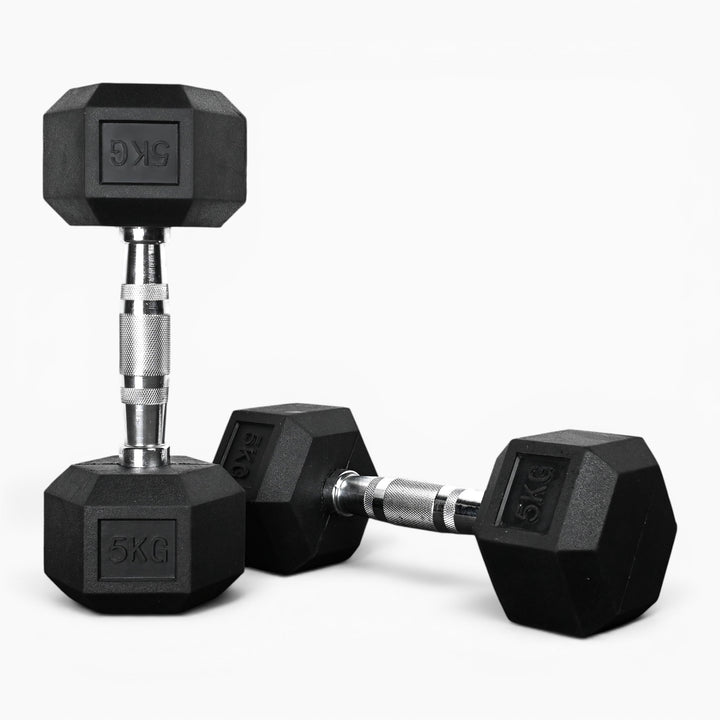
Adjustable dumbbells are an absolute dream solution for a wide variety of fitness lovers, but they are not universally perfect for everyone. They are the ideal choice for apartment dwellers, garage gym enthusiasts, bodybuilders who love drop sets, and anyone working with limited workout space or a defined equipment budget. They provide an incredible variety of resistance options without cluttering your home environment. On the flip side, they are generally ill-suited for competitive powerlifters, Olympic weightlifters, or high-intensity functional fitness athletes who routinely drop weights from overhead or shoulder height. If your personal training methodology requires rugged, indestructible gear that can withstand extreme physical abuse, you will be much better served investing your money into a dedicated set of heavy-duty fixed cast iron or rubber hex dumbbells.
Conclusion: Is the Investment Worth It for Your Home Gym?
Ultimately, deciding whether to invest in adjustable dumbbells comes down to balancing your training style against your space constraints. While they are undeniably more delicate than a solid lump of fixed cast iron, modern adjustable dumbbells are incredibly durable when treated with proper care and respect. They change weights exceptionally fast, offer unparalleled space savings, and provide incredible value for money compared to buying a massive commercial rack. As long as you can break the habit of dropping your weights and commit to keeping the mechanisms clean, a high-quality pair of adjustable dumbbells will easily serve as the versatile, reliable centerpiece of your home fitness journey for many years to come.