




Let’s be honest: we’ve all had that moment of "New Year, New Me" inspiration, only to look at our cramped London studio or cosy flat and realise there’s barely enough room for a yoga mat, let alone a power rack. You want to get fit, but your living room is currently pulling triple duty as an office, a cinema, and a dining hall.
The good news? You don’t need a sprawling garage or a dedicated basement to build an effective workout space. Fitting a home gym into a small flat is less about the square footage and more about spatial soul-searching and clever kit selection. In this guide, we’ll break down exactly how to transform your humble abode into a fitness sanctuary without sacrificing your style or your floor space.
1. Auditing Your Space: Finding the Hidden Gains
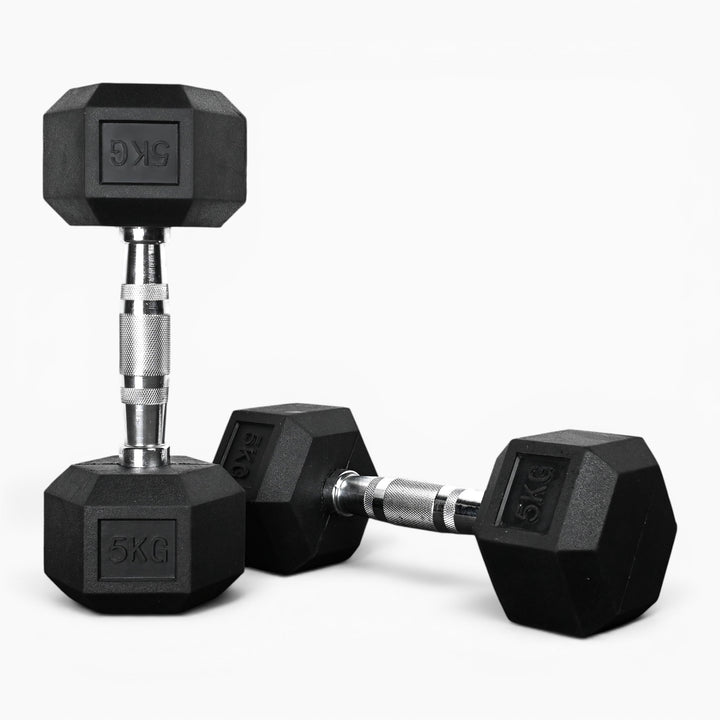
Before you rush out to buy a set of hex dumbbells, you need to play a game of "Space Tetris." Most people assume they need a dedicated room, but in a small flat, you’re looking for dead space. This could be the gap between the sofa and the window, the empty corner in your bedroom, or even a hallway that’s wider than it needs to be.
Take a measuring tape and find a 2m x 2m area. This is the "Golden Ratio" for home workouts; it’s enough space to lung, jump, and lie down without kicking the TV stand. If you can’t find a permanent 2x2 spot, look for furniture you can easily slide out of the way. A coffee table with wheels is a small-flat lifter's best friend.
Common "Hidden" Gym Spots in Flats
-
The Hallway: Often long enough for lunges and floor work.
-
Behind the Sofa: A perfect nook for storing folded benches.
-
Under the Bed: The ultimate graveyard for slimline treadmills and weights.
-
The Balcony: Great for cardio (weather permitting), just mind the neighbours!
2. Choosing the Right Equipment: Quality Over Quantity
The biggest mistake flat-dwellers make is buying "mini" versions of gym gear that don’t actually work. You don't need a tiny, flimsy exercise bike; you need multi-functional tools. When space is at a premium, every piece of equipment must earn its keep. If a piece of kit only does one thing, it’s probably not worth the floor space it occupies.
Focus on "Variable Resistance" and "Compact Footprints." Think about items that can be tucked away in seconds. For example, a single kettlebell can replace an entire rack of dumbbells if used correctly. Likewise, suspension trainers (like TRX) use your body weight and take up zero floor space when stored in a drawer. High-quality gear lasts longer and usually has a better resale value if you decide to upgrade.
The Small Flat Essentials Kit
| Equipment Type | Why it Works for Flats | Space Impact |
| Adjustable Dumbbells | Replaces 15+ pairs of weights in one footprint. | Minimal |
| Resistance Bands | Provides "heavy" tension but fits in a sock drawer. | Zero |
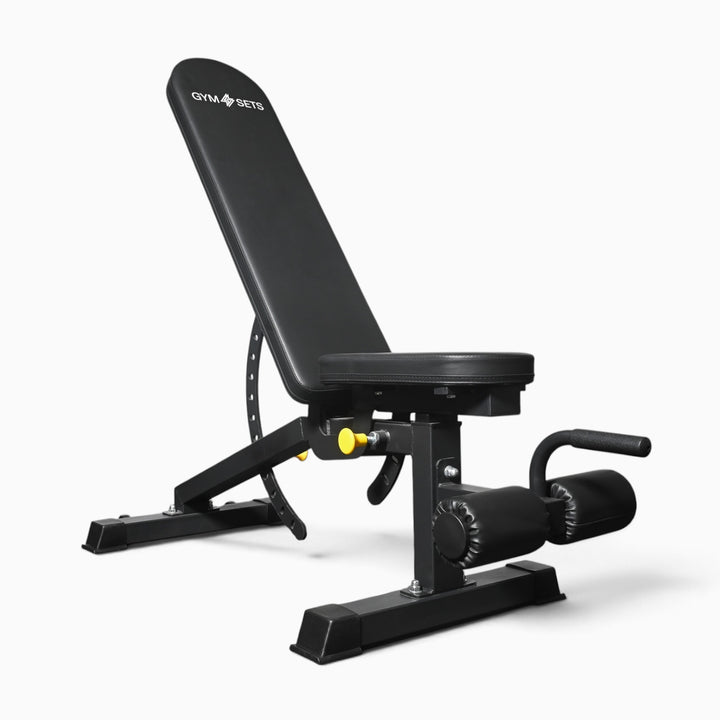
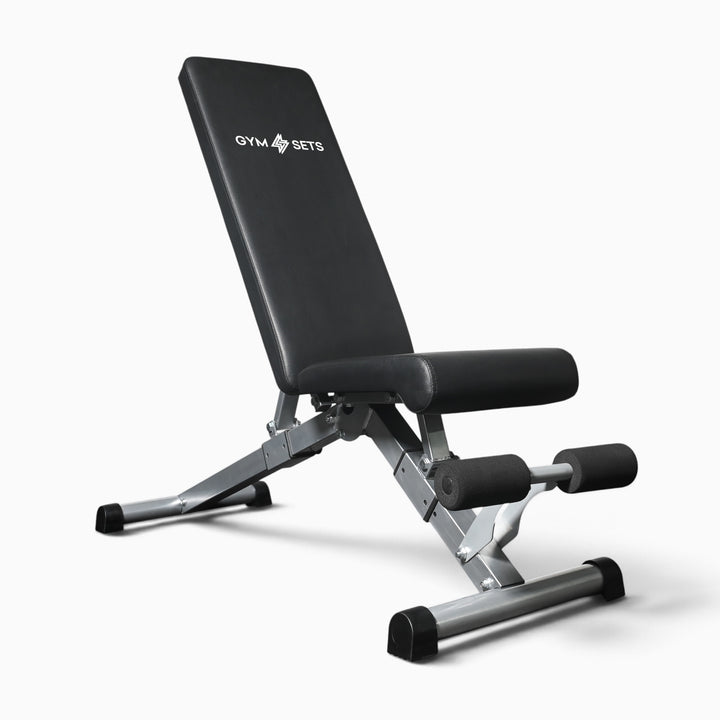
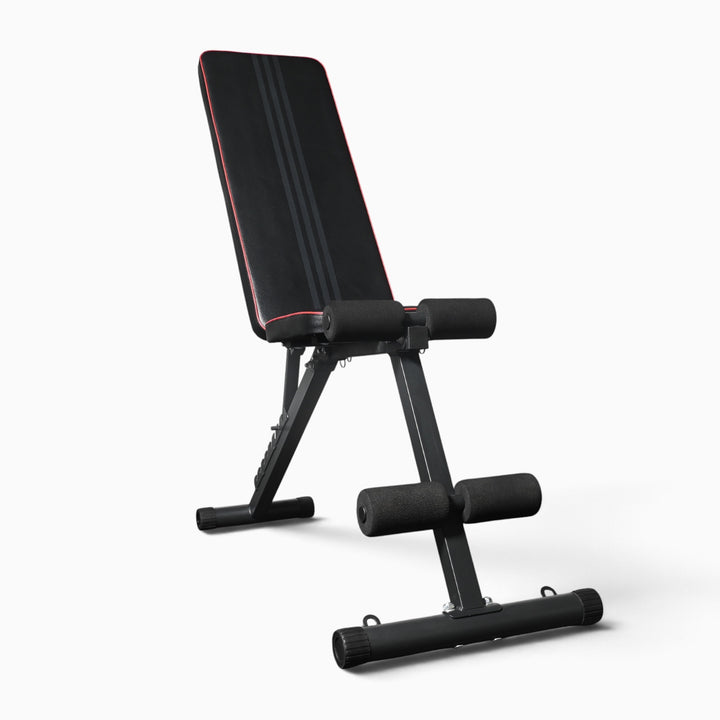
| Foldable Bench | Can be tucked under a bed or behind a door. | Low |
| Doorway Pull-up Bar | Uses vertical space, no floor footprint required. | Zero |
| Yoga Mat | Defines your "gym floor" and protects the carpet. | Minimal |
3. The Power of Adjustable Dumbbells
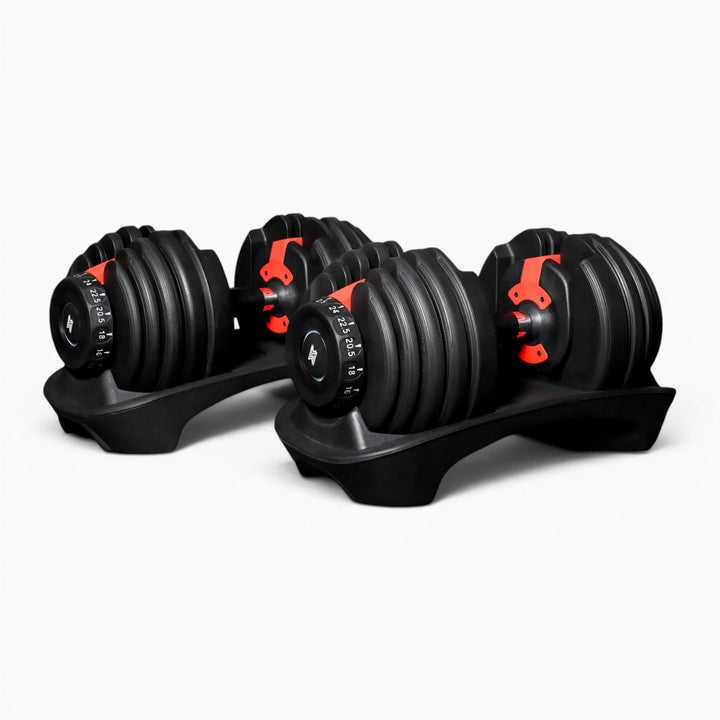
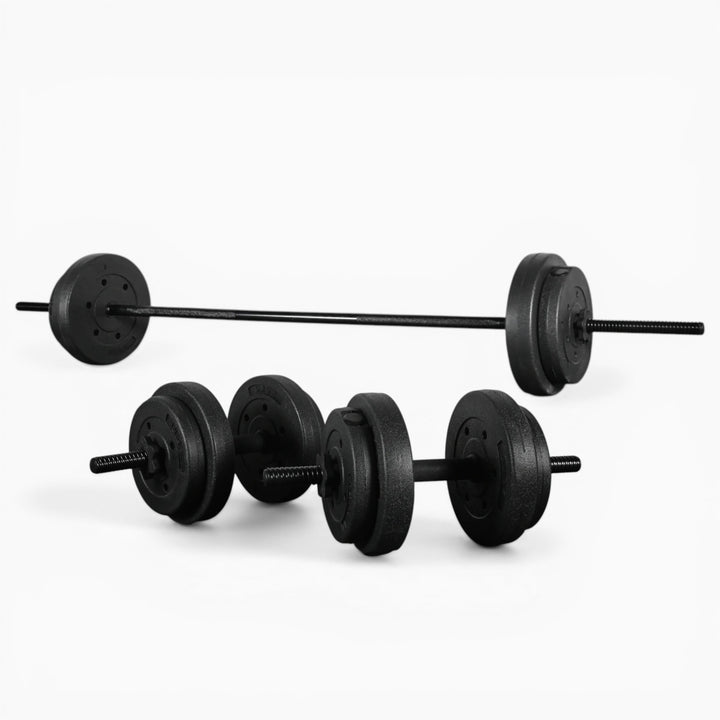
If you’re asking, "How do I fit a home gym in a small flat?" and you want to lift heavy, adjustable dumbbells are your silver bullet. Traditional dumbbells are a nightmare for SEO-friendly storage; they clutter the floor and look messy. Adjustable versions, however, use a dial or pin system to change weights instantly.
One pair of adjustable dumbbells can range from 2kg to over 30kg. This means you can go from lateral raises to heavy goblet squats without moving an inch. While they are a larger upfront investment, they save you the cost (and space) of buying a full rack. Look for brands that offer a "square" shape so they don't roll away and dent your skirting boards when you set them down between sets.
4. Vertical Storage: The Secret to Floor Freedom
When you run out of floor space, look up. Walls are the most underutilised asset in a small flat. Wall-mounted racks or "Pegboards" aren't just for DIY tools; they are incredible for hanging resistance bands, skipping ropes, and even foam rollers. By getting your gear off the floor, the room feels larger and less cluttered, which is vital for your mental well-being.
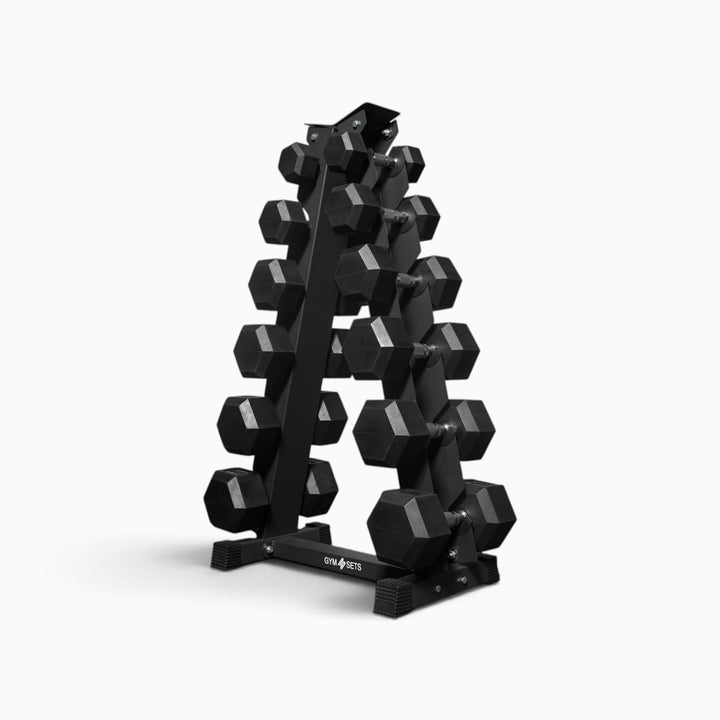
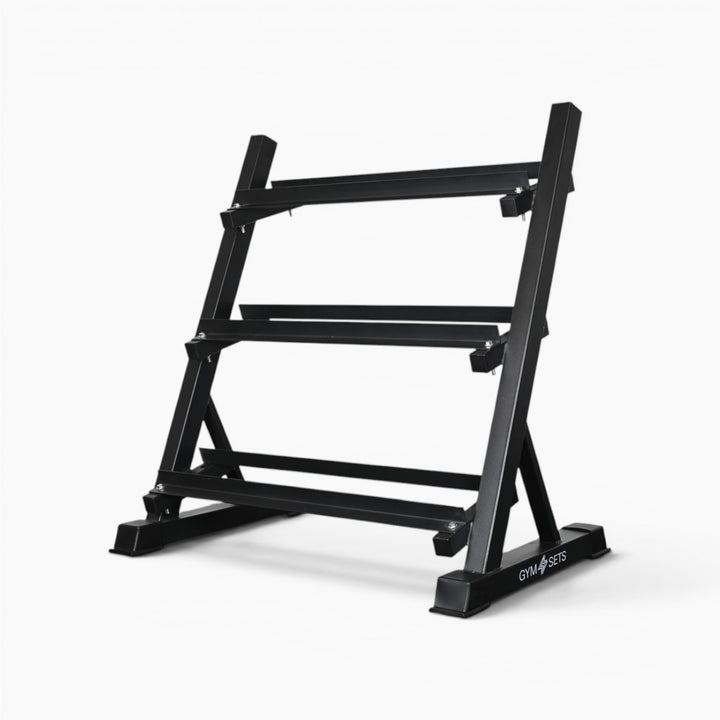
If you aren't allowed to drill into the walls (the classic British "No Pets, No Drills" tenancy agreement), consider a vertical dumbbell tower. These have a tiny footprint but stack weights upwards. Another "pro tip" is using an over-the-door organiser. Each pocket can hold a different strength of resistance band, a timer, or your lifting straps. Keeping things organised prevents your flat from feeling like a chaotic locker room.
5. Cardio Without the Bulk
Cardio is the hardest part of a home gym to fit into a flat. A standard treadmill is essentially a motorised sofa that you can’t sit on. However, the market has evolved. "Walking pads" or slimline treadmills are now thin enough to slide under a bed or stand upright in a cupboard. They are perfect for getting your steps in while watching TV without ruining the room’s aesthetic.
If you prefer high-intensity work, skip the machines entirely. A high-quality skipping rope (with a mat to dampen the sound) is the most space-efficient cardio tool in existence. If jumping is a "no-go" because of the downstairs neighbours, look into Low-Impact Steady State (LISS) movements or shadowboxing. You can burn 400 calories in a 2x2 square without a single piece of heavy machinery.
6. Flooring and Soundproofing: Respecting the Neighbours
Living in a flat means you have people above, below, and beside you. The last thing you want is a noise complaint while you’re hitting a Personal Best. Proper flooring is non-negotiable. Standard carpet isn't enough to protect the subfloor or dampen the "thud" of a kettlebell. You need high-density rubber tiles or a thick, professional-grade exercise mat.
Interlocking EVA foam tiles are cheap and easy to store, but for heavy lifting, look for 6mm to 10mm rubber matting. It absorbs vibration and prevents your equipment from sliding. Not only does this keep your deposit safe by protecting the floor, but it also creates a psychological "zone." When you step onto the mat, your brain knows it’s time to work, helping you stay focused in a multi-use environment.
7. Multi-Use Furniture: The "Stealth" Gym
In a truly tiny flat, you might need to look at furniture that doubles as gym equipment. This is the "Stealth Gym" approach. A sturdy wooden plyometric box can serve as a rustic coffee table or a bedside stand when you aren’t using it for step-ups and box jumps. Similarly, a heavy-duty ottoman can be used as a weight bench for chest presses or seated rows.
There are even "fitness mirrors" on the market today that look like standard full-length mirrors but transform into interactive screens for guided workouts. While pricey, they represent the pinnacle of flat-friendly fitness. If you’re on a budget, simply choosing a dining chair with a high back and no arms can provide a stable base for seated overhead presses or tricep dips.
8. Creating a "Gym in a Box"
If you hate the look of gym equipment, the "Gym in a Box" method is for you. Buy a stylish wicker hamper or a wooden chest that fits your decor. Inside, keep your mat, bands, adjustable dumbbells, and ab roller. When it’s time to train, you open the chest, roll out the mat, and you’re ready in 60 seconds. When you’re done, everything vanishes.
This approach is crucial for maintaining a work-life balance. If you work from home and live in a small flat, seeing your gym gear 24/7 can make the space feel cluttered and stressful. By "tucking the gym into bed," you allow your living space to return to being a place of relaxation. It’s about intentionality—the gym exists only when you need it to.
9. Lighting and Atmosphere: Small Space, Big Energy
Small flats can sometimes feel dark or claustrophobic, which isn't great for motivation. To make your "gym" feel professional, focus on lighting. If possible, set up near a window for natural light. If you’re training in a dim corner, a simple smart bulb that you can turn to "Daylight White" or a vibrant blue can instantly shift your mood into "workout mode."
Don't forget the power of a mirror. Not only does a mirror help you check your form (preventing injury in a tight space), but it also bounces light around and makes a small room feel twice as large. A simple, cheap full-length mirror leaning against a wall can transform a corner of your bedroom into a legitimate-looking studio.
10. The 15-Minute "Pack-Down" Rule
The biggest barrier to working out in a flat is the effort of setting up. If it takes 20 minutes to move the coffee table and fetch weights from the hallway, you won't do it. Aim for a setup that takes less than 3 minutes to deploy. This is why storage location is everything. Keep your most-used items in the most accessible spots.
Easy Storage Solutions
-
Suitcases: Using an old suitcase under the bed to store heavy plates.
-
Bookshelves: Higher shelves can hold light accessories like heart rate monitors and straps.
-
Behind Curtains: A surprisingly good spot to hide a folded yoga mat.
-
Decorative Trays: Keep chalk or small hand weights on a tray under a side table.
11. Adapting Your Routine for Small Spaces
Fitting a gym in a flat isn't just about the kit; it’s about the programming. You probably shouldn’t be doing Olympic cleans or heavy deadlifts that require dropping the bar. Focus on "Time Under Tension," "Unilateral Work" (one arm/leg at a time), and "Hypertrophy." These styles of training require less heavy equipment and less explosive movement.
Single-leg squats (Bulgarian Split Squats) are just as effective for building leg strength as heavy back squats but require half the weight and zero rack space. By adapting your routine to fit your environment, you reduce the risk of breaking a lamp or cracking a floor tile. You don't need to lift the world; you just need to challenge your muscles consistently within the space you have.
12. Conclusion: No Excuses, Just Innovation
So, how do I fit a home gym in a small flat? You do it by being ruthless with your space, smart with your purchases, and respectful of your surroundings. Whether it’s a pair of adjustable dumbbells tucked under the sofa or a pull-up bar in the bathroom doorway, there is always a way to prioritise your health without moving house.
Building a home gym is an investment in yourself. In a small flat, it forces you to be organised and minimalist—traits that actually help your fitness journey in the long run. Start small, buy versatile gear, and remember: the best gym in the world is the one you actually use. Now, clear that coffee table and get to work!