




So, you’re finally doing it. You’re reclaiming the garage from the mountain of half-empty paint tins and old camping gear to build your own iron sanctuary. But as you browse the endless pages of shiny equipment, one question keeps popping up: Is a 20kg barbell enough for a home gym?
It’s a fair question. Space is tight, and your budget isn't infinite. You want to make sure that the single most important piece of kit you buy isn't going to be "outgrown" in six months, yet you don't want to overspend on something that looks like it belongs in a professional CrossFit box if you just want to stay fit. Let's dive into why the 20kg barbell is the undisputed heavyweight champion of home gym equipment.
Why the 20kg Olympic Barbell is the Gold Standard
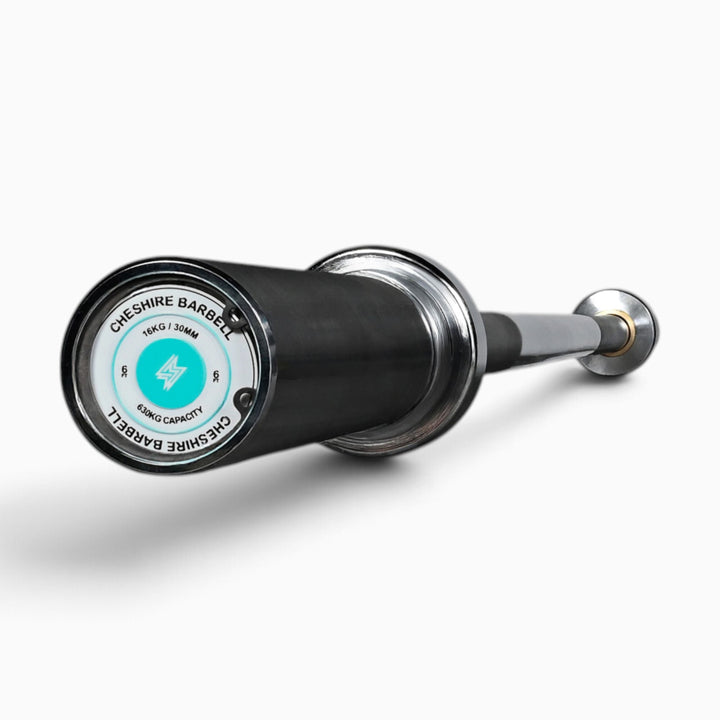
In the world of lifting, the 20kg (roughly 44lb) Olympic barbell is the universal benchmark. It’s the bar you’ll find in every commercial gym from London to Leeds. But why start there for a home setup? Firstly, it’s built for standardisation. If you learn to clean and jerk or squat with a 20kg bar, those mechanics translate perfectly to any gym in the world.
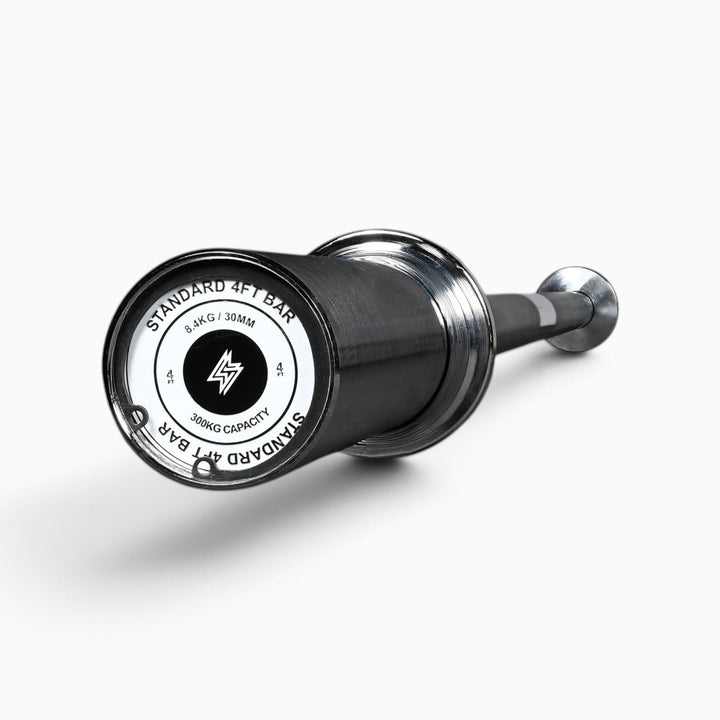
More importantly, a proper 20kg Olympic bar is designed to handle serious weight. Most entry-level "standard" bars (the thin ones) have a low weight capacity and tend to whip or bend. A quality 20kg bar is an investment in safety and longevity. It provides the stability you need for heavy compounds while remaining versatile enough for accessory work.
The Anatomy of a 20kg Barbell
| Feature | Specification | Why it matters |
| Weight | 20kg | Standard for men’s competitive lifting. |
| Length | 2.2m (7ft) | Fits most power racks and squat stands. |
| Shaft Diameter | 28mm - 29mm | The "sweet spot" for grip comfort and bar stiffness. |
| Sleeve Diameter | 50mm (2 inch) | Compatible with Olympic bumper and iron plates. |
Is 20kg Enough for Beginners?
If you are just starting your fitness journey, 20kg might actually feel a bit heavy for certain movements. However, for the "Big Three"—the squat, bench press, and deadlift—20kg is the perfect starting point. Most healthy adults can learn the mechanics of a back squat using just the empty bar. It provides enough feedback so you can feel where your body is in space without being so heavy that it compromises your form.
Think of the 20kg bar as your foundation. You aren't just buying 20kg of steel; you’re buying a tool that allows you to add increments. By using fractional plates (0.5kg to 2.5kg), you can progress at a sustainable pace. Starting with a lighter, 10kg or 15kg "technique" bar often leads to regret once your strength levels inevitably jump in the first three months.
The Versatility Factor: More Than Just Squats
One reason people ask "is 20kg barbell enough for home gym?" is the fear of limitations. They worry they can’t do "small" exercises with a "big" bar. In reality, a 20kg bar is incredibly versatile. Beyond the heavy hitters, you can use it for:
-
Bent-over rows: For building a thick, strong back.
-
Overhead presses: The ultimate test of upper-body strength.
-
Barbell curls: Yes, the home gym is the one place you can curl in the squat rack.
-
Skull crushers: For those tricep gains.
-
Landmine rotations: By sticking one end in a corner, the bar becomes a core-shredding machine.
The 20kg bar acts as a multi-tool. While dumbbells are great, a barbell allows for more micro-loading, which is essential for consistent "Progressive Overload"—the secret sauce of muscle growth.
Weight Capacity and Future-Proofing
When we talk about "is it enough," we aren't just talking about the 20kg weight of the bar itself. We are talking about its capacity. A decent 20kg Olympic bar usually has a weight rating of anywhere between 300kg and 700kg. Unless you are planning on breaking world records in your spare bedroom, a 20kg bar will literally last you a lifetime.
Compare this to a cheap 10kg "standard" bar which might start to bend at 60kg. If you buy a 20kg Olympic bar now, you won't have to buy another one when your deadlift hits 100kg, 150kg, or 200kg. It is the definition of "buy once, cry once." Investing in quality steel means your home gym grows with you, rather than becoming a bottleneck to your progress.
Space Considerations in UK Home Gyms
Let's be real: UK housing isn't exactly known for sprawling basements. Most of us are squeezing our gyms into single garages or spare rooms. A 2.2-metre (7ft) 20kg barbell is long. You need to account for not just the length of the bar, but the space to actually slide plates onto the ends.
Measuring Your Space
-
The Bar: 220cm.
-
Loading Zone: You need at least 50cm on either side to slide plates on comfortably.
-
Total Width Needed: Approximately 3.2 metres.
If your room is narrower than 3 metres, you might struggle with a full-sized 20kg bar. In these rare cases, you might look at a "shorty" bar (which still weighs 20kg but has shorter sleeves), but for 90% of home gym owners, the standard 7ft bar is the way to go. Just remember to measure twice before hitting that "buy" button!
The Importance of Knurling and Grip
A 20kg barbell isn't just a lump of metal; it’s a tactile interface between you and the weight. This is where "knurling" comes in—the cross-hatched pattern etched into the steel. For a home gym, you want a "medium" knurl. If it’s too aggressive (like a powerlifting shark-skin bar), it’ll tear your hands apart during high-rep sets. If it’s too smooth, the bar will slip when you get sweaty.
Most 20kg bars come with "dual knurl marks," allowing you to find the correct hand placement for both powerlifting and weightlifting. This consistency is vital for home training where you might not have a coach to correct your grip. It ensures that every time you step up to the bar, your setup is identical, leading to better gains and fewer injuries.
Comparing Barbell Types: Which 20kg Bar?
Not all 20kg bars are created equal. Depending on your goals, you might choose one of three main types:
-
Weightlifting Bars: These have more "whip" (flex) and use needles bearings in the sleeves so the ends spin freely. Great for Cleans and Snatches.
-
Powerlifting Bars: These are stiffer and usually have a 29mm diameter. They are designed for heavy Squats, Benches, and Deadlifts.
-
Multi-Purpose Bars: The "Hybrid." These are the best for home gyms. They have a decent spin, a bit of whip, and dual markings.
For the vast majority of people asking "is 20kg barbell enough for home gym?", a Multi-Purpose 20kg Bar is the definitive answer. It handles everything from bicep curls to heavy deadlifts without skipping a beat.
Plate Compatibility: The 50mm Advantage
One of the biggest reasons the 20kg bar is "enough" is the ecosystem it lives in. 20kg Olympic bars have 50mm (2-inch) sleeves. This is the industry standard. This means you can buy plates from almost any brand—second-hand or brand new—and they will fit.
If you go for a lighter, "standard" 1-inch bar, you are locked into a very limited range of weights that are often hard to find and difficult to resell. The 50mm ecosystem includes:
-
Bumper Plates: Rubberized plates that can be dropped safely.
-
Cast Iron Plates: The classic "clank" that saves space on the bar.
-
Fractional Plates: For those tiny 0.5kg wins.
Having this compatibility means your home gym is "open-source." You aren't tied to one manufacturer, making it much easier (and cheaper) to expand your weight collection over time.
When a 20kg Barbell Might Not Be Enough
Is there ever a time when a 20kg bar isn't the right choice? Yes, but it's rare. If you are extremely limited on ceiling height or floor width, a 20kg bar might be physically impossible to use. In that case, high-quality adjustable dumbbells might be your only path.
Additionally, if you are focusing purely on Olympic Weightlifting (Snatches and Clean & Jerks) and you have a smaller frame, a 15kg "Women’s" bar might be better due to the slightly thinner 25mm shaft diameter which helps with the "hook grip." However, for general strength and muscle building, the 20kg bar remains the king. For 95% of home trainees, the 20kg bar is the only bar they will ever need.
Maintenance: Keeping Your Steel Shiny
A 20kg barbell is an investment, and in a UK garage (read: damp), it needs a bit of love. To ensure your bar stays "enough" for years, you need to prevent rust.
The Home Gym Maintenance Routine
-
Brush the Knurling: Use a plastic or brass brush to remove dead skin and chalk after every session.
-
Wipe Down: Use a light coat of 3-in-1 oil or specialized barbell oil once a month.
-
Check the Spin: Ensure the sleeves are rotating smoothly; a drop of oil in the bushings/bearings works wonders.
If you look after a quality 20kg bar, it will literally outlive you. It won't lose its value, and if you ever decide to sell your home gym, a 20kg Olympic bar is the easiest item to flip for a great price on the second-hand market.
Conclusion: The Verdict on the 20kg Barbell
So, is a 20kg barbell enough for a home gym? Absolutely. It is more than enough; it is the cornerstone of effective strength training. It offers the perfect balance of weight, durability, and versatility. By choosing a 20kg Olympic bar, you are ensuring that your home gym has no "ceiling." You can start with the empty bar today and, five years from now, be pulling 200kg on that same piece of steel.
Don't be tempted by cheap, lightweight alternatives that you'll just have to replace in six months. Invest in a solid 20kg multi-purpose bar, grab some plates, and start lifting. Your future, stronger self will thank you for it.
Summary Checklist for Your Barbell Purchase:
-
[ ] Weight: 20kg (Olympic Standard)
-
[ ] Sleeves: 50mm (to fit Olympic plates)
-
[ ] Finish: Chrome, Zinc, or Cerakote (to prevent rust)
-
[ ] Knurling: Dual marks, medium intensity
-
[ ] Warranty: Look for at least a 1-year guarantee on construction
Ready to start? Get that bar, clear the garage, and let the gains begin!


