




When you decide to transition from casual bodyweight movements to structured strength training at home, the array of equipment options can feel slightly overwhelming. You are faced with choices between cast iron, chrome, vinyl, urethane, and various rubber coatings. Amidst this sea of fitness gear, one specific type of free weight consistently stands out on the shelves of premium retail stores and boutique studios alike: the brightly coloured, matte-finished handheld weight.
If you are looking to curate an effective, comfortable, and safe home training routine, you have likely found yourself researching the foundational question: what are neoprene dumbbells?
This in-depth guide will break down exactly what these popular fitness tools are, explore the unique material science that makes them a favourite for home workouts, contrast them with other common weight types, and give you clear advice on how to integrate them into your exercise regime for maximum results.
What Are Neoprene Dumbbells?
To answer the core question—what are neoprene dumbbells?—we need to examine both the structural core of the tool and the exterior treatment that gives it its distinct look and feel.
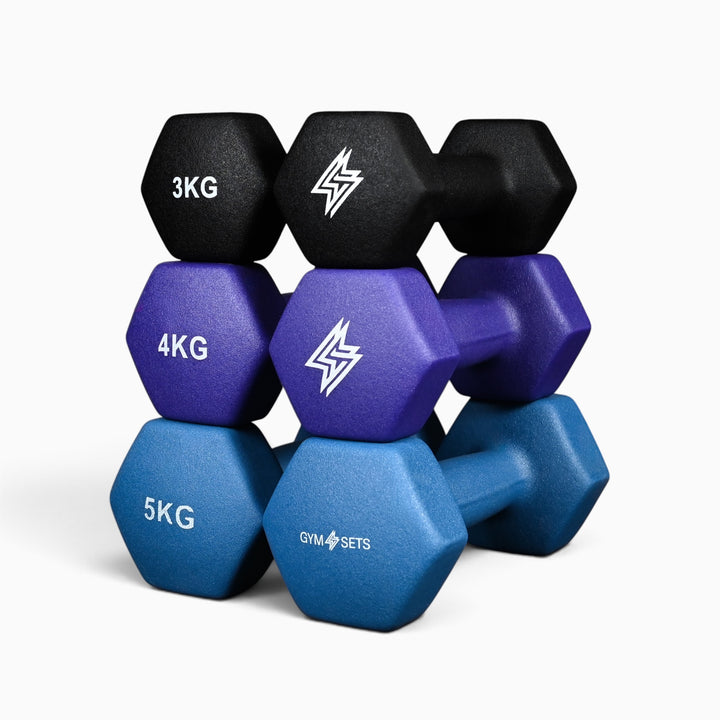
At its heart, a neoprene dumbbell is built from a solid piece of cast iron or steel. This metal core provides the actual weight and structural integrity of the implement. However, unlike traditional gym weights where the bare iron is left exposed or simply painted, these dumbbells undergo a specialized dipping process. They are completely encased in a thick, uniform layer of synthetic rubber known technically as polychloroprene, but referred to globally by its trade name: neoprene.
The result is a seamless, soft-textured exterior shell that wraps tightly around the entire dumbbell, from the central handle grip to the weighted heads on either end. This outer coating transforms a hard, cold piece of industrial metal into an ergonomic, comfortable fitness tool that feels warm to the touch and provides an incredibly secure grip, even during high-intensity cardiovascular sessions.
The Material Science of Neoprene
To truly understand why this material has become a cornerstone of the modern fitness industry, it helps to understand what neoprene actually is and why it behaves differently to standard plastics or natural rubbers.
Neoprene was originally developed by chemical engineers in the early twentieth century as a synthetic alternative to natural rubber. It was designed to be exceptionally resilient against environmental degradation. The material is famous for its chemical stability and its ability to maintain flexibility over a incredibly wide temperature range.
Because of its unique cellular structure, neoprene does not degrade when exposed to oxygen, ultraviolet light, or human body chemistry. This makes it the absolute material of choice for everything from deep-sea diving wetsuits and medical joint braces to high-use consumer fitness products. When applied to a dumbbell, this synthetic compound creates a non-porous barrier that repels liquids, shrugs off impacts, and resists tearing, cracking, or peeling under normal training conditions.
Key Benefits of Neoprene Weights for Home Training
Choosing the right type of free weight for your home setup involves balancing functionality, safety, and domestic practicality. Neoprene weights offer a unique combination of advantages that make them uniquely suited for residential use.
1. Unmatched Grip Security and Moisture Control
The single greatest advantage of using a neoprene-coated weight is the tactile security it provides. Traditional smooth steel or painted iron handles can become incredibly slick and dangerous once your hands begin to sweat during a challenging workout. Neoprene naturally possesses a matte, slightly textured surface profile that increases friction against your skin. Even more impressively, the synthetic material does not absorb moisture; instead, it allows sweat to evaporate or wipe away easily, ensuring your hands maintain a rock-solid hold during rapid or dynamic movements.
2. Protection for Domestic Flooring and Surfaces
Dropping a bare iron or steel dumbbell onto a home floor can result in catastrophic damage, including cracked ceramic tiles, gouged hardwood, or torn carpets. The thick, slightly yielding nature of a neoprene coating acts as a built-in shock absorber. While you should still avoid throwing any heavy weights around the house, accidentally setting a neoprene dumbbell down a bit too forcefully on your floor will result in a soft thud rather than a costly call to a flooring repair specialist.
3. Noise Reduction During Fast-Paced Circuits
If you share your living space with family members, housemates, or live in an upstairs flat with neighbours directly below you, workout noise is a major consideration. Traditional metal plates clank and rattle loudly when they touch each other or contact the floor. Neoprene completely dampens these metallic vibrations. You can perform high-energy supersets and circuit training in relative silence, keeping the peace in your household regardless of what time of day you choose to train.
4. Ergonmic Anti-Roll Design
If you look closely at premium neoprene weights, you will notice they rarely feature perfectly round heads. Instead, manufacturers utilize hexagonal, square, or slightly flattened circular profiles. This geometry, combined with the natural high-friction surface of the synthetic coating, prevents the dumbbells from rolling away across the floor when you set them down. This keeps your training zone safe and tidy, preventing tripped-over hazards between sets.
5. Colour-Coded Efficiency for Rapid Transitions
Neoprene weights are almost universally manufactured in bright, distinct color palettes where each color corresponds to a specific weight increment. For example, a 2kg pair might be bright pink, a 3kg pair lime green, and a 5kg pair deep blue. When you are following a fast-paced online workout class or a high-intensity interval circuit, you do not want to spend time squinting at tiny numbers stamped into the metal handle. The clear colour-coding allows you to identify and grab the exact resistance you need in a fraction of a second.
Neoprene vs. Vinyl vs. Cast Iron: A Detailed Comparison
When building a home gym, you will likely find yourself comparing neoprene directly against vinyl-coated options and traditional bare cast iron. Each has a distinct profile, and understanding the differences is key to making the correct investment.
+----------------+--------------------------+-----------------------+------------------------+
| Feature        | Neoprene Weights         | Vinyl Weights         | Bare Cast Iron Weights |
+----------------+--------------------------+-----------------------+------------------------+
| Surface Texture| Matte, soft, textured    | Glossy, smooth, shiny | Hard, textured metal   |
| Grip Comfort   | High (even when wet)     | Moderate (slips wet)  | Varies (needs knurling)|
| Floor Safety   | Excellent dampening      | Moderate protection   | Low (can cause damage) |
| Long-Term Wear | Resists splitting/peeling| Can crack over time   | Can rust if exposed    |
| Aesthetic Look | Contemporary, vibrant    | Bright, highly reflective| Industrial, classic    |
+----------------+--------------------------+-----------------------+------------------------+
The Shift from Vinyl to Neoprene
Many beginners confuse vinyl and neoprene because both coatings offer colourful options. However, vinyl weights feature a smooth, glossy plastic shell. While vinyl is easy to clean, it can become incredibly slippery the moment your palms begin to sweat, which can compromise your technique during complex movements. Furthermore, older vinyl shells can become brittle over time, leading to splits along the seams where the plastic can pull away from the metal core. Neoprene remains pliable and retains its high-grip texture over years of heavy use.
The Shift from Bare Iron to Neoprene
Bare cast iron or painted weights are the classic choice for traditional bodybuilding warehouses. They are incredibly durable and can withstand immense abuse. However, for a home living room or a bedroom, they are often less than ideal. They can feel freezing cold to the touch in the winter months, they smell strongly of industrial iron, and they can leave rust marks on carpets if stored in a damp space. Neoprene provides a clean, odor-free, temperature-neutral alternative that blends beautifully into a modern home environment.
Who Are Neoprene Weights Best Suited For?
While these weights are incredibly versatile, they excel particularly well for specific types of training styles and fitness levels.
Aerobic and Cardio-Sculpt Classes
If you love group fitness classes, step aerobics, or indoor walking workouts, neoprene weights are the undisputed industry standard. Because these styles of exercise involve continuous, rhythmic movement over extended periods, comfort and grip security are paramount. The soft coating prevents blisters from forming on your palms during high-repetition sets.
Pilates and Barre Workouts
Modern Pilates and Barre methodologies frequently incorporate very light resistances to increase the muscular burn during isometric holds and small-range movements. Neoprene weights are easily available in fractional increments like 0.5kg, 1kg, and 1.5kg, making them the perfect companion for precise, low-impact sculpting routines.
Rehabilitation and Physiotherapy
For individuals recovering from an injury or managing joint discomfort, heavy steel gym kit can feel intimidating and uncomfortable. The warm, soft, non-threatening design of a light neoprene weight provides an excellent psychological and physical entry point for performing prescribed physical therapy movements at home.
Understanding the Weight Limits of Neoprene
While neoprene weights possess a massive array of benefits, it is crucial to recognize their structural boundaries.
Because of the physical manufacturing process involved in dipping the metal cores into liquid synthetic rubber, neoprene dumbbells are almost exclusively produced in lighter weight ranges. You will typically find them starting at 0.5kg and topping out around 10kg or 12kg per dumbbell.
It is incredibly rare to see a 25kg or 30kg neoprene dumbbell. As weights get heavier, the physical size of the cast iron core expands significantly, making the dipping process less efficient. Additionally, for ultra-heavy lifting movements like heavy bench presses or deadlifts, experienced lifters generally prefer a hard steel handle with deep mechanical knurling to lock into their hands, rather than a soft, cushioned coating.
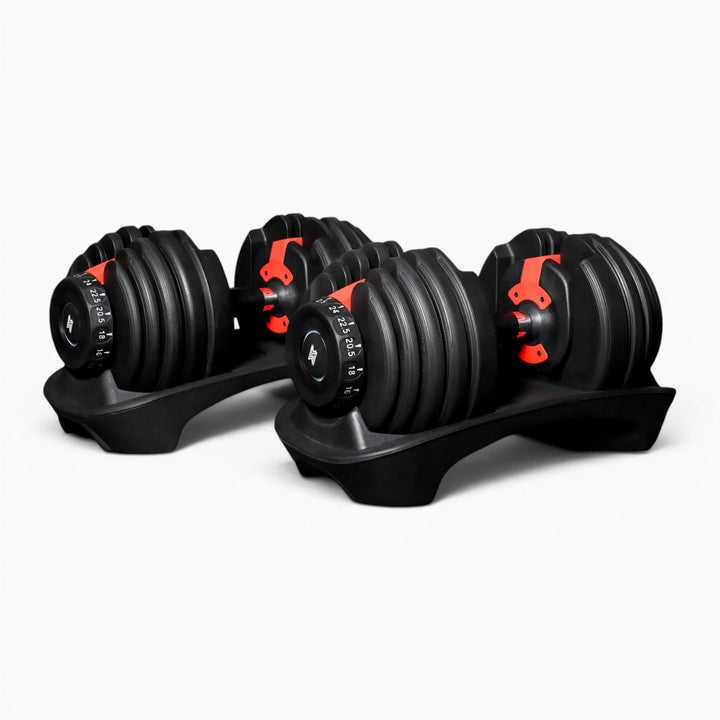
Therefore, if your primary goal is maximum powerlifting or heavy strength building, you will eventually want to transition to adjustable systems or traditional Olympic bars. However, for general fitness, toning, muscular endurance, and core stability, the available neoprene weight ranges are absolutely ideal.
How to Integrate Neoprene Dumbbells Into Your Training
To get the absolute most out of your investment, it helps to understand how to deploy these weights across different training styles.
High-Volume Endurance Complexes
Instead of performing a single exercise and then resting, use your neoprene weights to complete a continuous sequence of movements. Because the handles are comfortable to hold continuously, you can transition straight from a goblet squat into an overhead shoulder press, followed immediately by a bent-over row, without ever setting the weights down. This keeps your muscles under tension for longer and provides a fantastic cardiovascular challenge.
Balance and Core Stability Challenges
The secure grip of a neoprene weight allows you to confidently introduce balance challenges into your strength work. Try performing a single-leg Romanian deadlift while holding a neoprene weight in the opposite hand, or hold a light dumbbell between your hands during a Russian twist to challenge your obliques. The non-slip nature of the weight ensures you can focus entirely on your core engagement without worrying about dropping the equipment.
Expert Tips for Buying the Right Set
If you are ready to add a set of these vibrant weights to your online shopping cart, keep these three expert purchasing criteria in mind to ensure you buy a high-quality product.
Check the Handle Shape and Proportions
Not all neoprene weights are shaped the same way. Some budget models feature perfectly straight, cylindrical handles that can feel bulky or awkward in smaller hands. Look for models that feature a slightly contoured, ergonomic handle that tapers down toward the centre. This anatomical design matches the natural closing shape of the human hand, reducing forearm fatigue during long training sessions.
Verify the Internal Core Material
Always read the technical product specifications carefully to confirm that the interior core is made from solid cast iron or steel. Some ultra-cheap imitation weights use a hollow plastic shell filled with compressed sand, concrete, or iron filings. These filled weights are physically much larger than solid iron weights of the same mass, making them incredibly unwieldy and prone to leaking sand if the outer shell gets punctured.
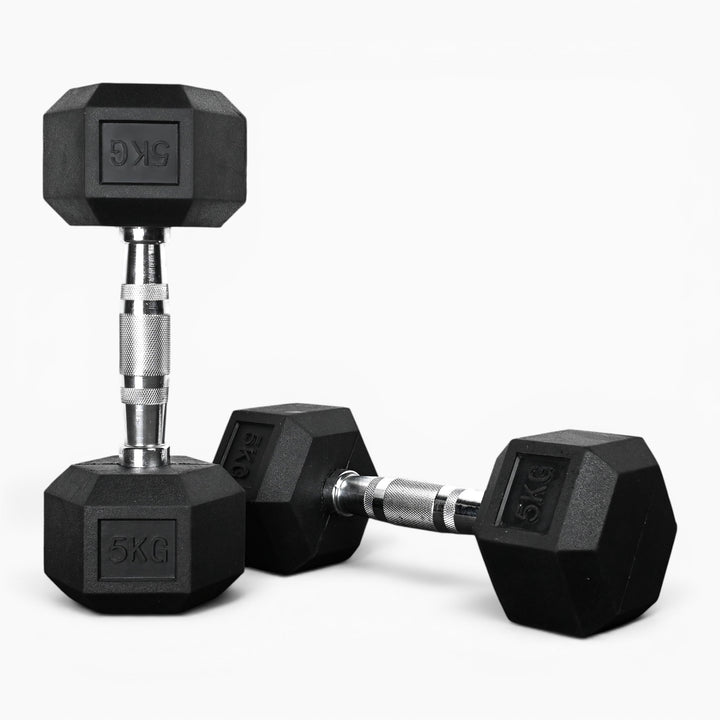
Opt for Hexagonal Heads
Whenever possible, select weights that feature fully flat, hexagonal outer edges rather than simple circular heads. Hexagonal shapes allow you to use the dumbbells as stable floor handles for movements like renegade rows or push-ups, vastly expanding the library of exercises you can safely perform at home.
Maintenance and Care for Long-Lasting Gear
Neoprene is an incredibly tough material, but it still requires minimal care to keep it looking and feeling brand new over years of home training.
-
Avoid Abrasive Cleaners: When wiping down your weights after a sweaty workout, use a damp microfiber cloth with a small amount of mild dish soap. Never use harsh chemical solvents, bleach, or abrasive scrubbing pads, as these can strip away the matte finish and cause the synthetic rubber to dry out.
-
Keep Out of Direct All-Day Sunlight: While neoprene can handle outdoor workouts beautifully, do not store your weights permanently on a sunny windowsill or in a hot conservatory. Extended exposure to intense ultraviolet light can slowly fade the vibrant colors over time.
-
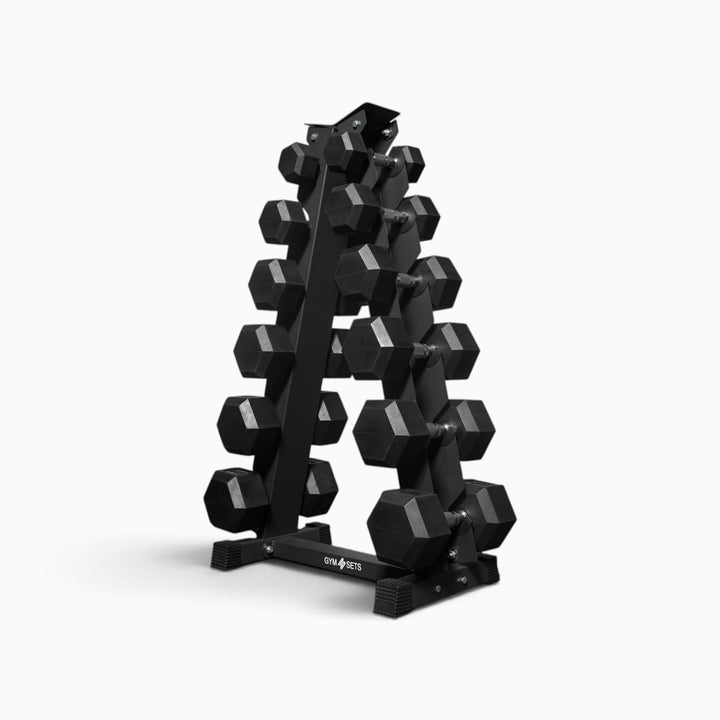
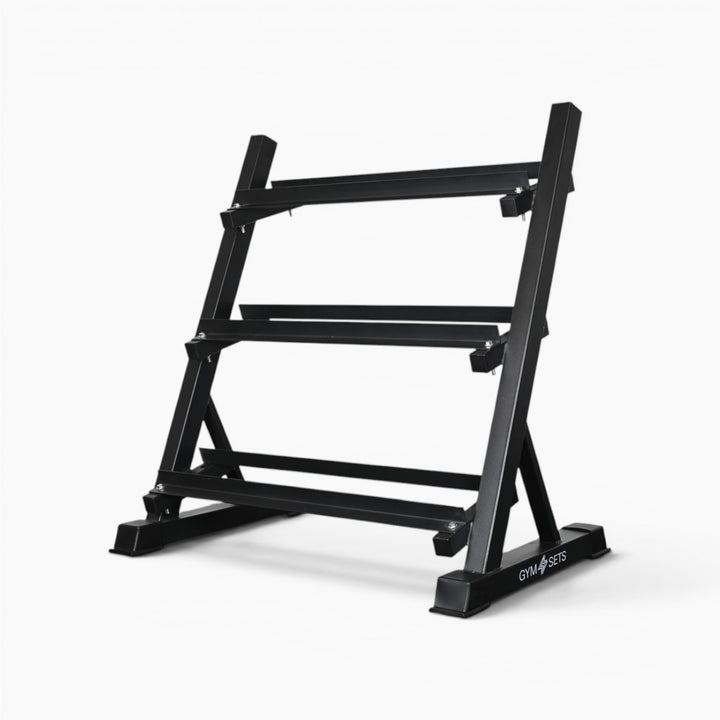
Store in a Dedicated Rack or Tray: Keep your weights raised off the floor on a small pyramid rack or tucked away inside a storage basket. This keeps your home tidy and prevents pets from chewing on the soft exterior coating.
Summary: The Ideal Choice for the Modern Home Gym
Answering the question—what are neoprene dumbbells?—reveals why these clever tools have earned such a dedicated following in the fitness world. By pairing a rock-solid metal foundation with a resilient, tactile, and protective synthetic rubber skin, they perfectly bridge the gap between heavy gym equipment and comfortable home accessories.
They protect your living spaces, completely eliminate distracting noise, and provide a level of grip security that allows you to train with absolute confidence. For any individual looking to step up their health and fitness journey through effective, comfortable home workouts, a quality set of neoprene weights is an incredibly wise and rewarding asset.