




So, you’ve decided to ditch the commute to the local leisure centre and build your own fitness sanctuary? Honestly, it’s one of the best investments you can make. No more waiting for the squat rack, no more questionable "gym smells", and you can finally control the playlist. But if you’re staring at a spare room or a corner of the garage wondering where to start, the sheer amount of kit available can be overwhelming.
When looking for the best home gym essentials for beginners, the goal isn’t to replicate a commercial gym immediately. It’s about choosing versatile, space-saving pieces that offer the most "bang for your buck." In 2026, the trend has shifted toward "lean fitness"—buying high-quality gear that serves multiple purposes. According to recent UK market data, the average cost of a fully-equipped home gym can reach £9,275, but a beginner can get a world-class setup for under £300 by focusing on the basics.
1. The Foundation: Why Flooring is Your First Essential
Before you even think about dumbbells, you need to think about your floor. Most UK homes feature either carpet, laminate, or hardwood—none of which are particularly fond of heavy weights or high-intensity jumping. High-quality rubber flooring or interlocking EVA foam mats are non-negotiable for two reasons: they protect your property and they save your joints.
In 2026, many beginners are opting for 10mm to 15mm high-density mats. These provide enough "squish" for floor exercises but enough stability for standing movements. If you’re living in a flat, noise reduction is another huge factor. Dropping a 10kg weight on bare floorboards won’t just damage the wood; it’ll make you the least popular neighbour in the building. A solid foundation makes your gym feel like a professional space rather than just a messy room with some equipment in it.
2. Resistance Bands: The Ultimate Space-Savers
If you asked a fitness pro for the single most versatile item in a beginner's kit, they’d likely point to resistance bands. They are incredibly lightweight, cost-effective, and can be tucked into a drawer when you're done. For beginners, they are fantastic because they provide "progressive resistance"—the further you stretch them, the harder the exercise becomes.
| Band Type | Best Use Case | Beginner Tip |
| Long Loop Bands | Assisted pull-ups & full-body tension | Use a door anchor for chest presses |
| Mini Bands | Glute activation & lower body | Place just above knees for squats |
| Tube Bands with Handles | Mimicking cable machines | Great for bicep curls and rows |
A full 11-piece set typically costs between £20 and £40 in the UK, making them the most affordable entry point into strength training. They allow you to hit every muscle group—chest, back, shoulders, and legs—without needing a rack of heavy metal.
3. Adjustable Dumbbells: The "One and Done" Solution
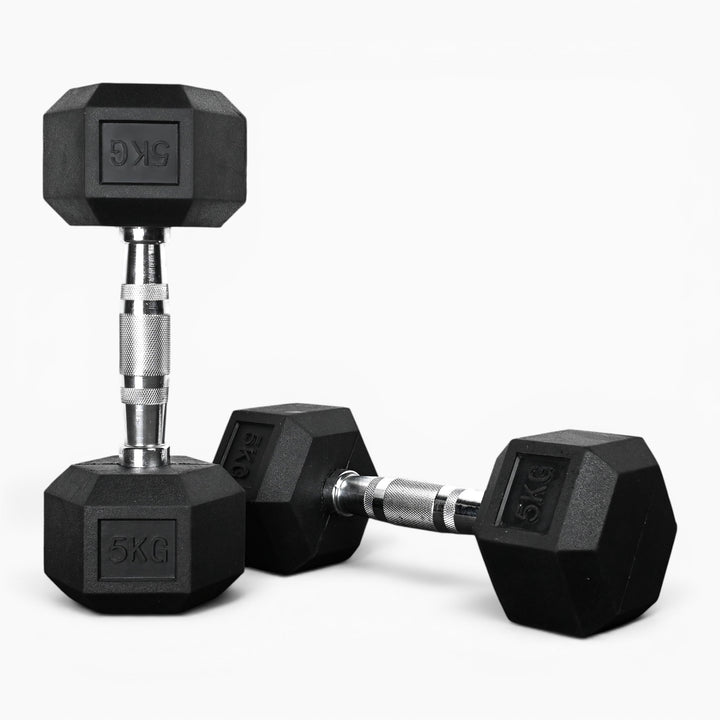
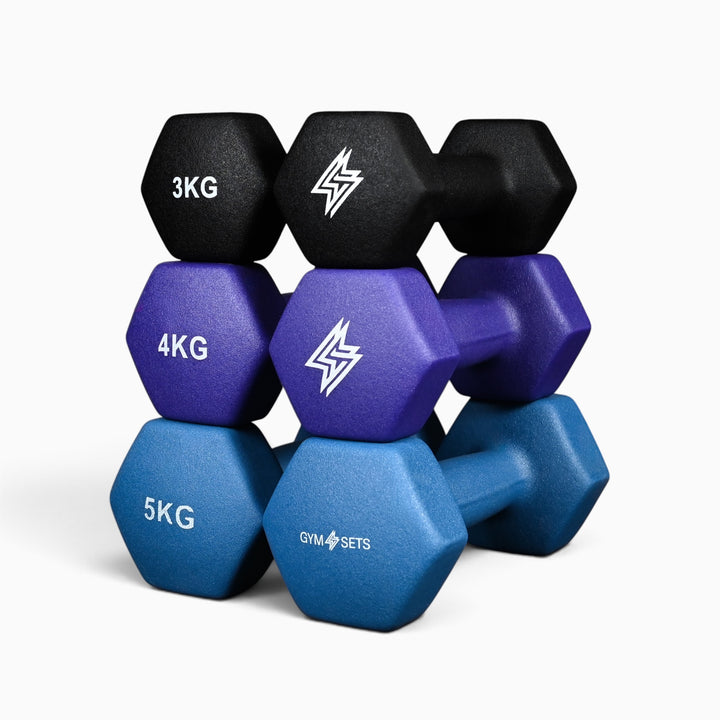
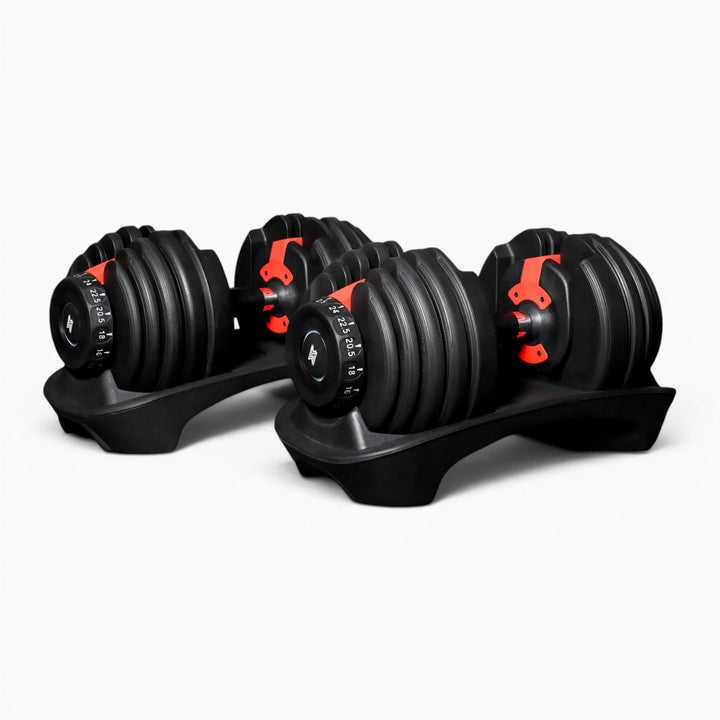
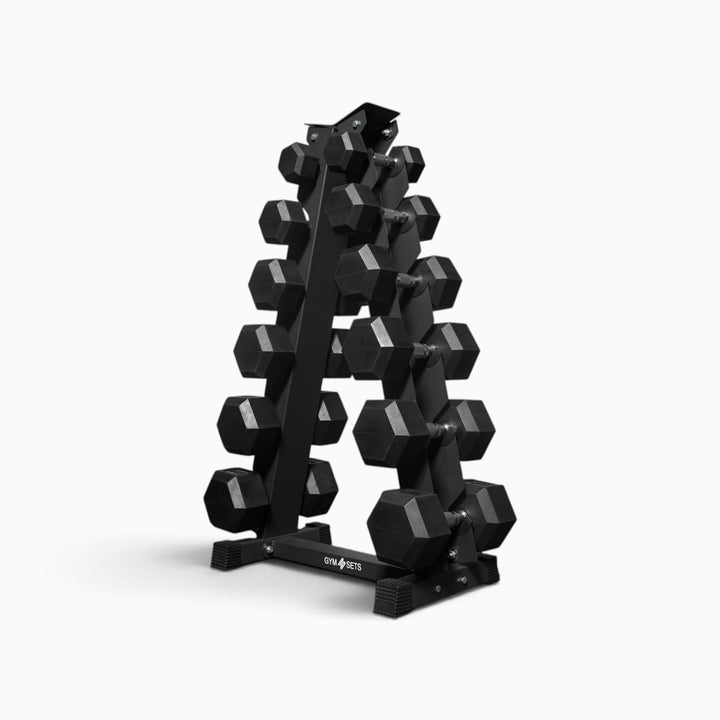
Dumbbells are the bread and butter of any strength routine, but buying a full set of fixed weights is expensive and takes up a massive amount of room. This is where adjustable dumbbells come in. Modern sets allow you to switch from 2kg to 24kg (or more) with the turn of a dial or the pull of a pin.
While the initial investment is higher—usually ranging from £150 to £400—they replace up to 15 pairs of traditional dumbbells. For a beginner, this is perfect because you can start light to master your form and then "level up" the weight as you get stronger. Research suggests that beginners often see strength gains within the first 4–6 weeks of consistent lifting, so having that room to grow is vital. Plus, they look much tidier in a living room or bedroom than a messy pile of cast iron.
4. The Humble Yoga Mat: More Than Just for Yoga
Don't be fooled by the name; a good yoga mat is a "must-have" for almost every type of home workout. Whether you’re doing a HIIT session, a core circuit, or just stretching out after a long day at your desk, you need a non-slip surface. For UK beginners, a 10mm thickness is often the "Goldilocks" zone—thick enough to cushion your knees on hard floors, but firm enough that you won't lose your balance during a plank.
Look for mats made from eco-friendly TPE or NBR foam rather than cheap PVC, as they tend to be more durable and less "smelly" out of the box. A mat also defines your "workout zone." Psychologically, when the mat is rolled out, you’re in the gym. When it’s rolled up and tucked away, you’re back in your home. This mental boundary is key to maintaining a consistent routine when you're training where you live.
5. Kettlebells: For Power and Cardio
If you want to combine strength training with a bit of a "heart-rate-pumping" cardio session, the kettlebell is your best friend. Unlike dumbbells, the weight of a kettlebell is offset, which forces your core to work harder to stabilise the movement. For beginners, a single 8kg or 12kg kettlebell can provide an entire body workout.
The "Kettlebell Swing" is one of the most effective exercises for burning fat and building a strong posterior chain (your back, glutes, and hamstrings). It’s low-impact compared to running but offers a massive cardiovascular challenge. In 2026, vinyl-coated or "soft-touch" kettlebells have become popular for home use because they are quieter and less likely to scuff your skirting boards. If you only have space for one "heavy" item, make it a kettlebell. It’s a tool that builds functional strength that carries over into real life, like carrying heavy groceries or moving furniture.
6. Stability and Core Tools: The Extras That Matter
Many people skip the "smaller" items like ab rollers or stability balls, but these are often the best home gym essentials for beginners who want to see results quickly. An ab roller might look like a simple plastic wheel, but it is one of the most demanding and effective core trainers ever invented.
Essential Core & Recovery Gear:
-
Ab Roller: Forces your entire core to stabilise.
-
Stability Ball: Great for "active sitting" or as a substitute for a gym bench.
-
Foam Roller: Your personal "at-home" sports massage for recovery.
-
Jump Rope: The cheapest and most effective cardio tool—burns more calories per minute than jogging.
Adding these to your setup doesn't cost much—usually under £50 for the lot—but they add a level of variety that keeps your workouts from becoming boring. Variety is the secret sauce to staying motivated past the first month.
7. A Sturdy Adjustable Bench
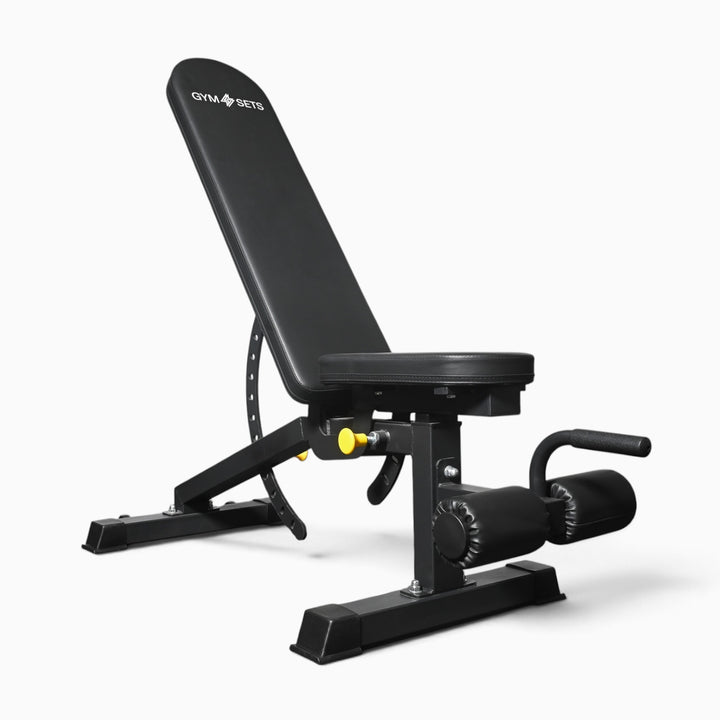
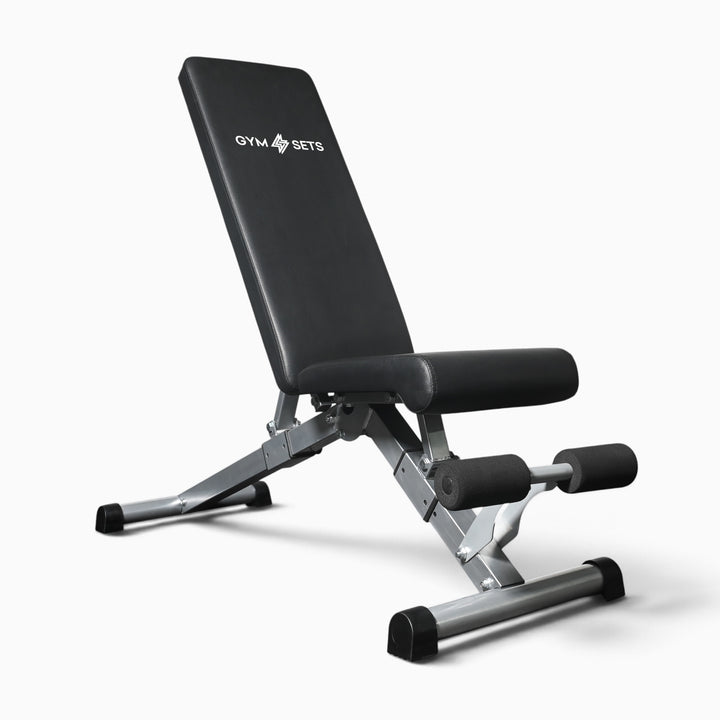
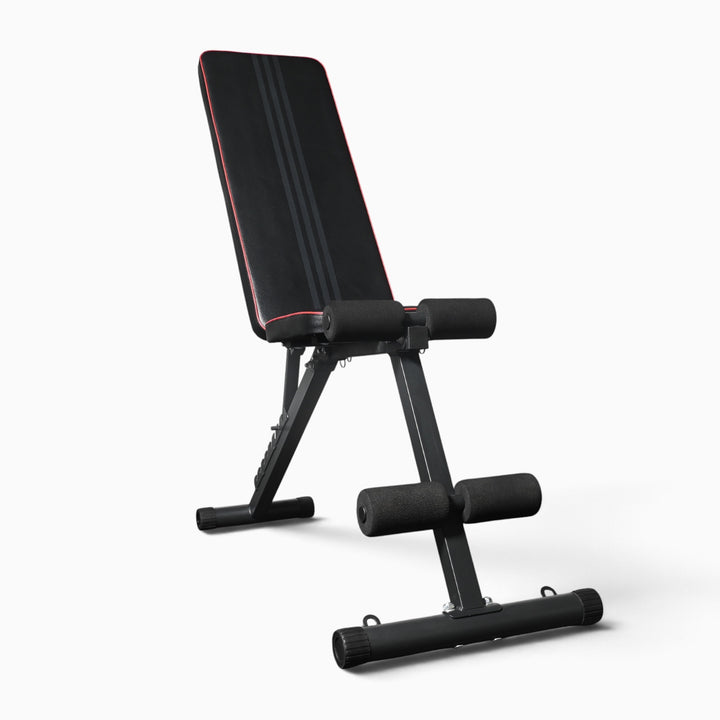
If you have the space and a little extra budget, an adjustable bench is a game-changer. It opens up a whole new world of exercises that you simply can't do on the floor, such as incline chest presses, seated shoulder presses, and step-ups. A bench allows you to work your muscles through a full range of motion safely.
When shopping in the UK, look for a bench that is "foldable." Many modern designs can be folded flat and slid under a bed or stood up in a cupboard. Ensure it has a decent weight capacity; you want something that feels solid and doesn't wobble when you're sitting on it. A bench that feels "rickety" is a quick way to lose confidence in your lifts. While not strictly "essential" for your first-ever workout, it’s usually the first upgrade beginners make once they commit to a 3-day-a-week lifting schedule.
8. Smart Tech and Tracking in 2026
In 2026, the "home gym" is no longer just a collection of iron and rubber; it’s an ecosystem. Many beginners are now integrating smart sensors or AI-powered apps to guide their form. While you don't need a £2,000 smart mirror, using a simple tablet stand and a heart rate monitor can keep you accountable.
Apps that provide "on-demand" classes or structured beginner programmes are invaluable. They take the guesswork out of "what do I do today?" and ensure you aren’t just doing bicep curls every session. According to 2026 fitness trends, gamified training—where your workout earns you points or lets you compete with friends—has led to a 40% increase in workout consistency among home gym owners. Even a simple phone tripod to film your movements (so you can check your posture against a YouTube pro) is a high-tech hack that costs next to nothing but prevents injury.
9. Budgeting for Your First Home Gym
You don't need to break the bank to get started. In fact, starting small is often better because you'll learn what equipment you actually enjoy using. It's better to have a £50 setup you use every day than a £1,000 multi-gym that gathers dust in the garage.
Beginner Budget Breakdown (Estimated UK Prices):
-
Entry Level (£100): Resistance bands, high-quality yoga mat, jump rope, and a single kettlebell.
-
Mid-Tier (£350): Everything in entry-level plus adjustable dumbbells and a foldable bench.
-
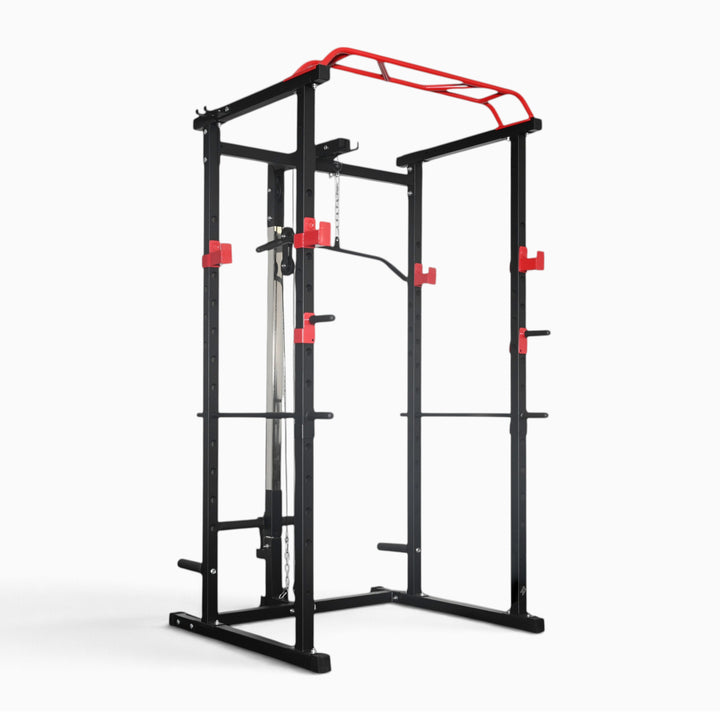
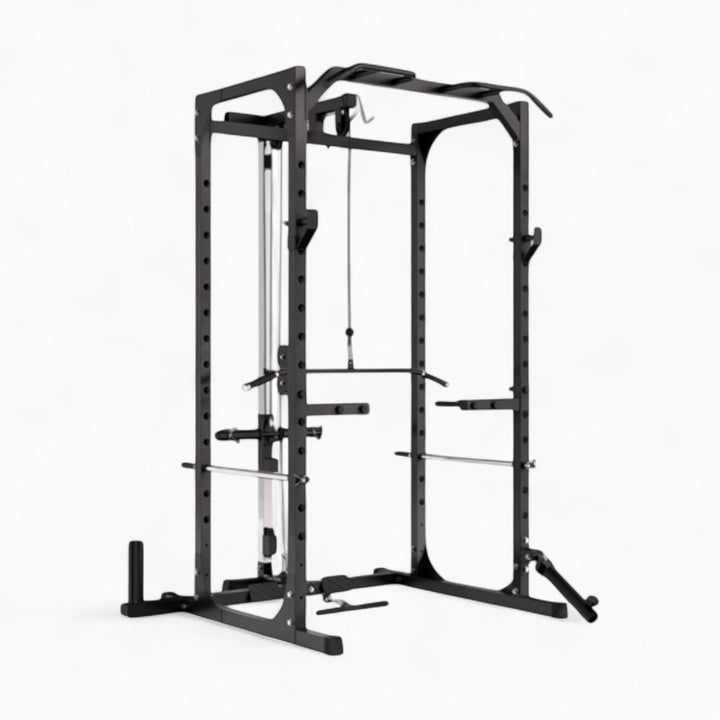
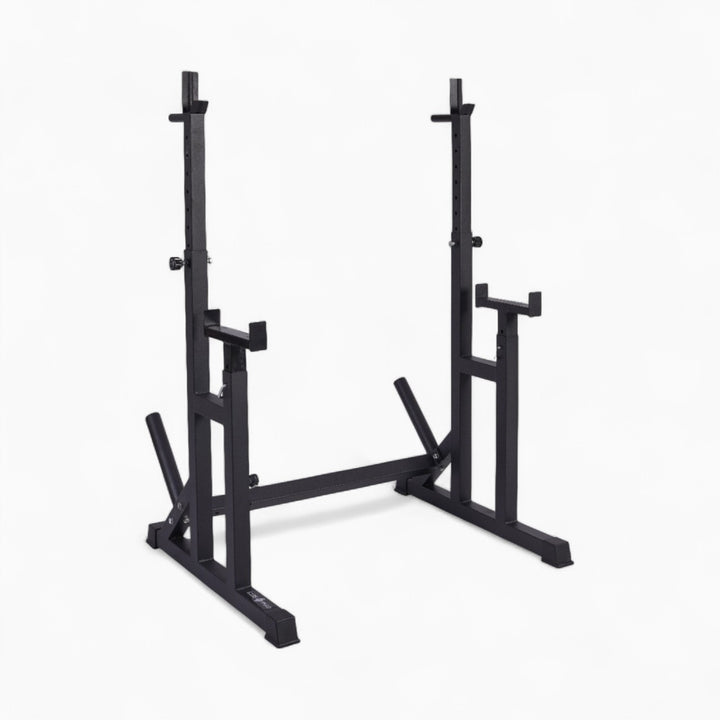
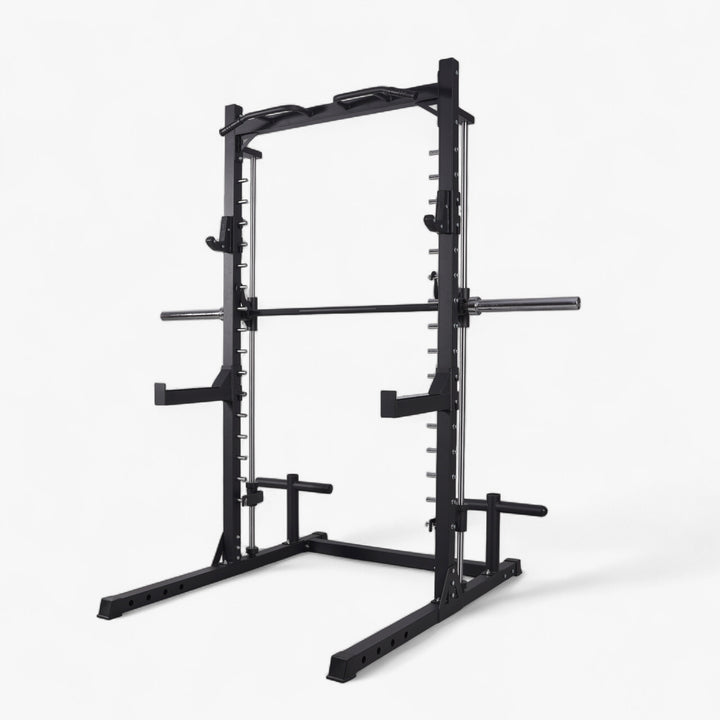
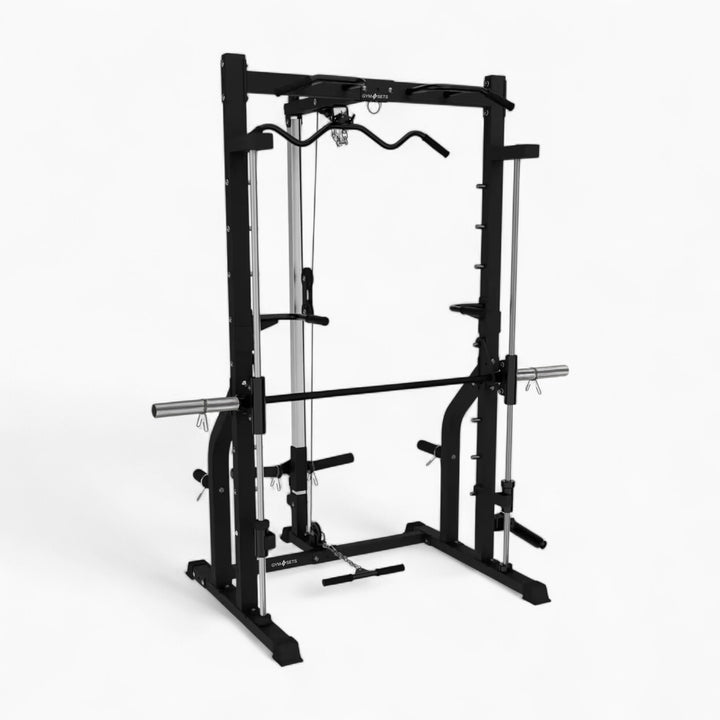
Pro Beginner (£750+): Add a pull-up bar, a set of bumper plates, and a small squat rack if space allows.
Remember, the "best" gym is the one you actually use. Start with the basics, master the movements, and only buy more kit when you’ve earned it by being consistent.
Summary: Building Your Path to Success
Building a home gym is a marathon, not a sprint. By focusing on the best home gym essentials for beginners—resistance bands, adjustable weights, and proper flooring—you create a versatile environment that grows with you. You don't need a massive room or a massive budget; you just need the right tools and a bit of floor space.
The beauty of the home gym is that it removes the barriers. No more "it's raining outside" or "the gym is too busy." Your fitness journey is now entirely on your terms. So, pick up a mat, grab some bands, and get started. Future you—the stronger, fitter, more energetic version—will definitely thank you for it. Happy training!