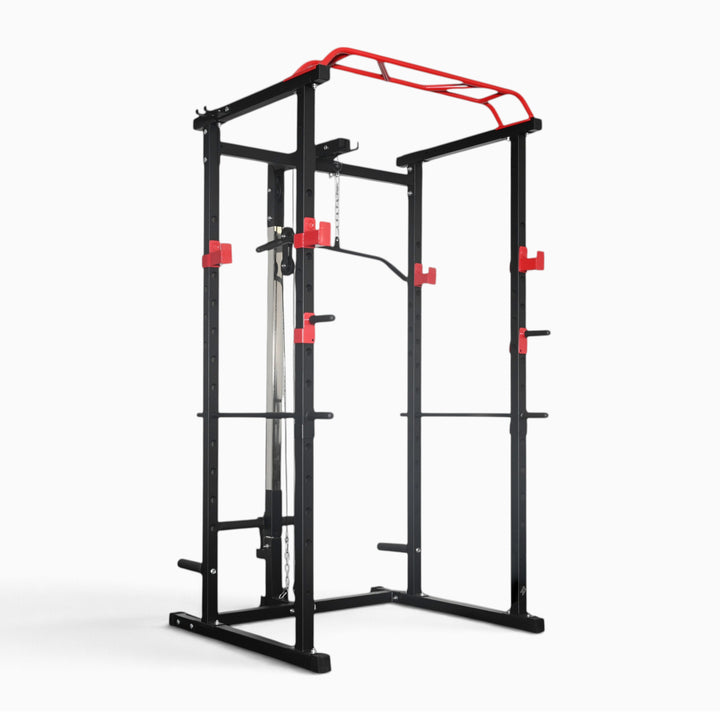
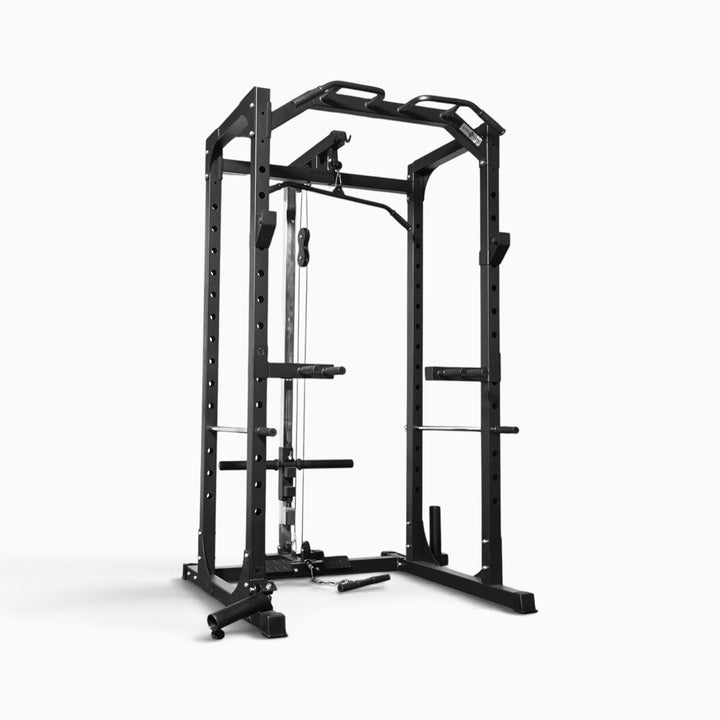
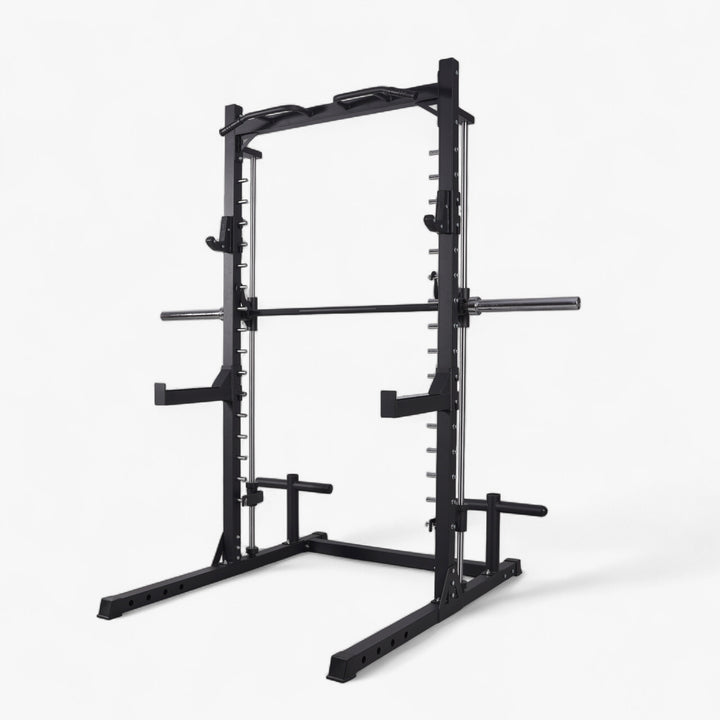
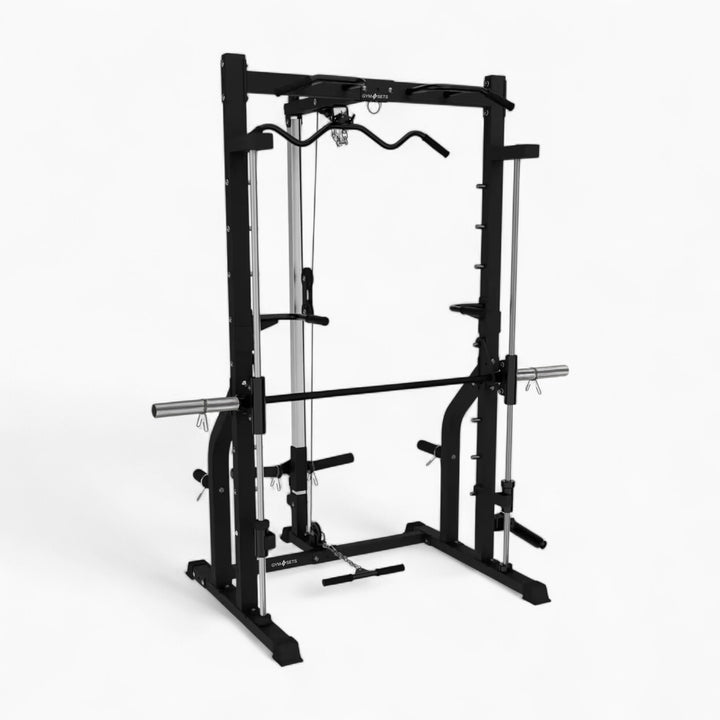




If you’ve recently invested in a home multi-gym or you’re thinking about taking the plunge, you’re likely wondering just how much variety you can get from a single piece of kit. The good news is that these machines are the Swiss Army knives of the fitness world. You don’t need a room full of clunky iron to get a full-body transformation.
In this guide, we’re going to break down exactly which exercises can I do on a home multi-gym to ensure you’re hitting every muscle group effectively. From building a powerful chest to sculpting your legs, we’ll show you how to turn that corner of your spare room or garage into a high-performance training zone. Let’s get stuck into the best movements for your home workouts.
Maximising Your Chest Gains
The chest press is often the centrepiece of any multi-gym. It mimics the traditional bench press but offers a fixed path of motion, which is brilliant for beginners or those training solo without a spotter. By sitting firmly against the backrest and pushing the handles forward, you target your pectorals with precision.
Beyond the standard press, many units feature "pec dec" or butterfly arms. These allow you to perform chest flies, which are essential for that "inner chest" definition. Unlike the press, the fly involves a wide arc movement that stretches the muscle fibres under tension. Incorporating both a pressing movement and a fly movement ensures you’re attacking the chest from all angles for maximum growth.
Top Chest Exercises
-
Seated Chest Press: The primary builder for overall chest mass.
-
Pec Dec / Butterfly Flies: Excellent for isolation and muscle "stretch."
-
Incline Chest Press: (If your seat is adjustable) targets the upper chest.
Building a Stronger Back
When people ask, "Which exercises can I do on a home multi-gym?", the back section is where the machine truly shines. Most multi-gyms come equipped with a high pulley system for lat pulldowns. This is the gold standard for building that "V-taper" look, as it focuses heavily on the latissimus dorsi.
Don’t forget the seated row, usually performed using a low pulley or a dedicated rowing station. This horizontal pulling movement is vital for back thickness and posture. It works the rhomboids and traps, helping to pull your shoulders back—something most of us need after a day hunched over a laptop. Switching between a wide grip and a narrow grip on these exercises will alter which part of your back takes the brunt of the work.
Key Back Movements
-
Lat Pulldowns: Wide grip for width, close grip for power
-
Seated Cable Rows: Focuses on the middle back and thickness.
-
Straight Arm Pulldowns: Great for isolating the lats without bicep fatigue.
Shoulder Sculpting Secrets
Shoulders can be tricky to train at home without dumbbells, but a multi-gym makes it easy. The most common exercise here is the seated shoulder press. By using the same handles as the chest press (often with a simple pin adjustment), you can push upwards to target the deltoids. This builds that rounded, "capped" shoulder look.
You can also use the low pulley to perform lateral raises or front raises. These isolation moves are fantastic for hitting the side and front heads of the shoulder. Because the cable provides constant tension throughout the entire rep—unlike a dumbbell which gets "light" at the bottom—your shoulders stay under stress for longer, leading to better results.
Shoulder Exercise Breakdown
-
Seated Shoulder Press: The heavy hitter for front and side delts.
-
Cable Lateral Raises: Best for building shoulder width.
-
Upright Rows: Using the bottom bar to target the tops of the shoulders and traps.
Leg Day at Home
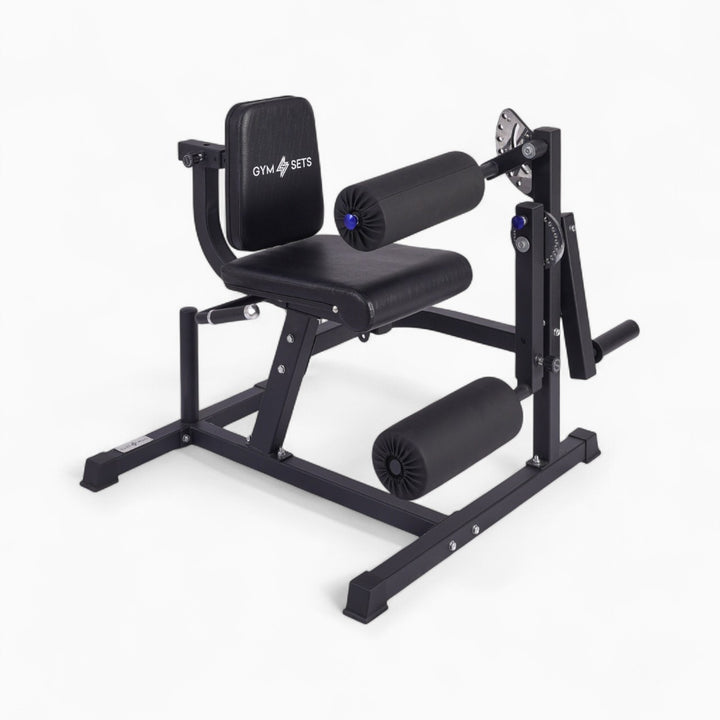
Never skip leg day, especially when your multi-gym makes it so convenient. Most machines feature a leg developer at the front. The seated leg extension is the most popular move here, allowing you to isolate the quadriceps (the front of your thighs). It’s a "finisher" move that provides a legendary burn.
For the back of the legs, many machines allow for standing or seated leg curls. This targets the hamstrings, which are often neglected in home workouts. If your machine has a low pulley, you can even perform cable kickbacks for the glutes or "pull-throughs" to mimic a deadlift motion. It’s a versatile way to ensure your lower body is just as strong as your upper body.
Essential Leg Exercises
| Exercise | Primary Muscle | Benefit |
| Leg Extensions | Quadriceps | Defines the front of the thigh |
| Leg Curls | Hamstrings | Builds strength in the back of the leg |
| Cable Glute Kickbacks | Glutes | Tones and strengthens the posterior |
| Cable Squats | Quads/Glutes | General lower body power |
Mastering the Arms
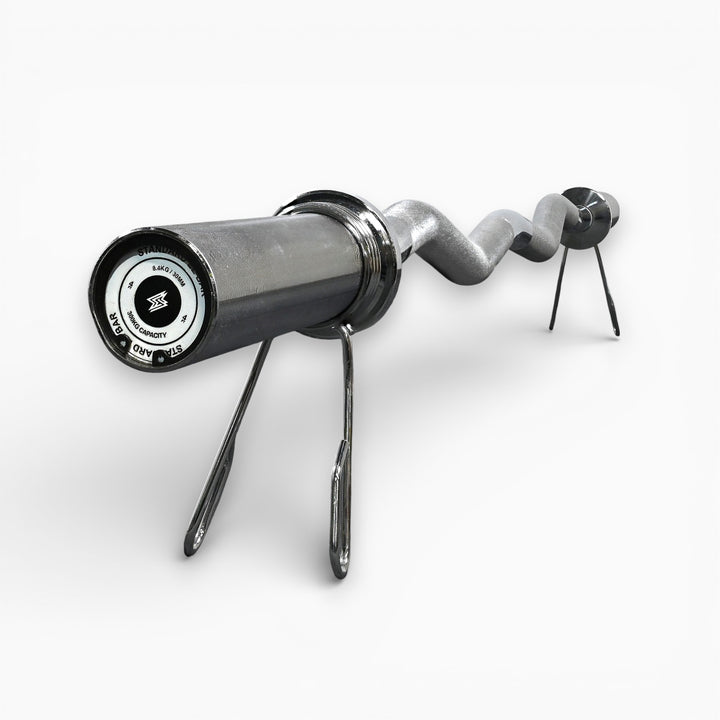
If you want to fill out your shirt sleeves, the multi-gym is your best friend. For the biceps, the low pulley is perfect for cable curls. You can use a straight bar, an EZ-bar attachment, or even a rope to change the stimulus. Cables are arguably better than dumbbells here because the resistance doesn't drop off at the top of the curl.
For the triceps (which actually make up two-thirds of your arm size), the high pulley is the go-to. Tricep pushdowns are incredibly effective for isolating the back of the arm. By keeping your elbows tucked into your sides and extending your arms fully, you’ll feel a deep contraction that’s hard to replicate with basic floor exercises like press-ups.
Arm Toning Exercises
-
Tricep Pushdowns: The ultimate move for arm thickness.
-
Overhead Cable Extensions: Targets the long head of the tricep.
-
Hammer Curls (with rope): Works the forearms and outer bicep.
Core and Abdominal Strength
While many people think multi-gyms are just for "the big muscles," they are fantastic for core work too. The "cable crunch" is a secret weapon for building 3D abs. By kneeling below the high pulley and crunching downwards while holding the rope attachment, you can add weighted resistance to your ab training—something you can't easily do with standard sit-ups.
You can also perform woodchops using the pulley system. This rotational movement is brilliant for the obliques (the muscles on the side of your stomach) and helps with functional strength used in daily life. A strong core isn't just about looking good at the beach; it supports your spine during all the other heavy lifts you'll be doing on your machine.
Best Core Moves
-
Kneeling Cable Crunches: For weighted abdominal development.
-
Cable Woodchops: Perfect for obliques and rotational power.
-
Standing Side Crunches: Targets the "love handle" area with resistance.
Creating a Balanced Weekly Routine
Knowing which exercises can I do on a home multi-gym is one thing, but knowing how to thread them together is where the magic happens. For most people, a "Full Body" split or an "Upper/Lower" split works best. Since you have everything in one place, you can move from one exercise to the next with minimal rest, turning your strength session into a fat-burning circuit.
Try to aim for 2–3 sets of 8–12 repetitions for each exercise. This range is the "sweet spot" for both muscle growth and strength. Because you're at home, you have the luxury of consistency. Even a quick 20-minute session three times a week using a variety of these movements will yield significantly better results than a sporadic two-hour session once a fortnight.
Sample Full Body Circuit
-
Chest Press: 10 reps
-
Lat Pulldowns: 10 reps
-
Leg Extensions: 12 reps
-
Shoulder Press: 10 reps
-
Bicep Curls: 12 reps
-
Rest for 90 seconds and repeat 3 times.
Why Cables Beat Free Weights for Beginners
When you're starting out, safety is paramount. Multi-gyms use cables and pulleys, which provide a "guided" range of motion. This means the machine helps you keep the weight on the right track, reducing the risk of injury from poor form. It’s much harder to "cheat" or use momentum when the weight stack is moving on a fixed rail.
Furthermore, cables provide "variable resistance." In many dumbbell exercises, the move gets easier at certain points of the lift (the "dead zone"). With a multi-gym, the tension remains constant from the moment you start the rep until you finish it. This constant time-under-tension is one of the fastest ways to see physical changes in your muscle tone and strength.
Maintaining Your Equipment for Success
To keep your workouts smooth, a little bit of maintenance goes a long way. You don’t need to be a mechanic, but checking the cables for any signs of wear or fraying is essential for safety. Most multi-gyms benefit from a quick spray of silicone lubricant on the weight guide rods every few months to keep the stacks sliding quietly.
Wiping down the seat and handles after a sweaty session isn't just about hygiene; it prevents the upholstery from cracking over time. A well-maintained machine feels better to use, and if it feels good, you’re much more likely to actually use it! Think of your multi-gym as a long-term investment in your health—treat it well, and it will return the favour.
Quick Maintenance Checklist
-
Weekly: Wipe down pads and handles with a damp cloth.
-
Monthly: Check cable tension and look for any "slack."
-
Quarterly: Lubricate the weight stack guide rods.
-
Annually: Tighten any bolts that may have vibrated loose.
Adapting Exercises for Different Goals
Are you looking to bulk up, or are you more interested in getting lean and toned? The beauty of the multi-gym is that you can adapt every exercise to suit your goal. For muscle size (hypertrophy), focus on slower, controlled movements with a weight that makes the last few reps difficult.
If weight loss is your primary aim, keep the rest periods short. By moving quickly between a chest press and a leg extension, you keep your heart rate elevated, turning a strength workout into a cardiovascular one. This "metabolic conditioning" helps you burn more calories during the session and keeps your metabolism boosted for hours after you’ve finished.
Common Mistakes to Avoid
The most common error people make on a multi-gym is using too much weight too soon. Because the machine feels "safe," it’s tempting to pin the whole stack. However, if your ego takes over, your form will suffer. You’ll start shrugging your shoulders during bicep curls or arching your back during the chest press.
Another mistake is neglecting the "eccentric" part of the movement—that’s the phase where you return the weight to the starting position. Most of your muscle growth happens during this controlled lowering phase. Don't let the weight stack just "slam" back down; resist it! Control the weight on the way up and the way down for the best possible results.
Final Thoughts on Home Workouts
So, which exercises can I do on a home multi-gym? As we’ve seen, the answer is pretty much everything! From your calves to your neck, a well-designed machine covers every base. The convenience of having a "gym in a box" at home removes the biggest hurdle to fitness: getting to the gym in the first place.
Whether you're a busy parent, a professional working from home, or someone who just prefers their own music and no queues, the multi-gym is a game-changer. By following the exercises outlined in this guide and staying consistent with your routine, you'll be amazed at the progress you can make without ever stepping foot in a commercial leisure centre. Now, grab those handles and let's get to work!


