




Building a home gym is the dream, isn't it? No more waiting for the squat rack, no more questionable smells from the locker room, and no more "gym-timidation." But then you look at the price of a commercial-grade barbell and realise it costs more than your first car. Naturally, you start scouring the internet for bargains.
The big question remains: Is cheap gym equipment worth it?
The short answer is: sometimes. The long answer involves a delicate balance between safety, durability, and your specific fitness goals. In this guide, we’re going to strip away the marketing fluff and look at what’s actually worth saving on, what’s a total waste of money, and when you should definitely open your wallet for the "good stuff."
Why the Price Gap Exists in Fitness Gear
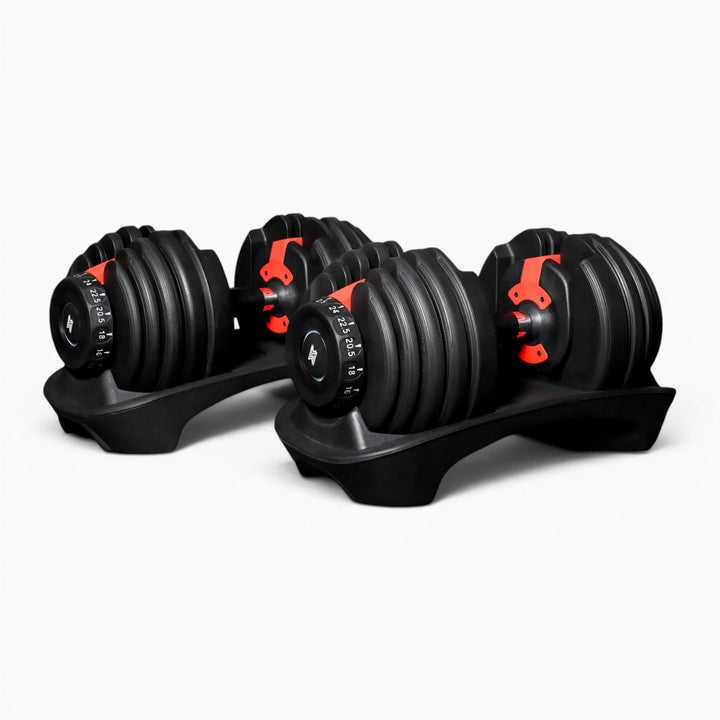
When you see two adjustable dumbbells that look identical but have a £200 price difference, you aren’t just paying for a fancy logo. Most of the time, the price reflects the quality of materials and the engineering precision. High-end gear uses stainless steel, needle bearings, and high-density rubbers. Cheap gear often uses "pot metal," plastic bushings, and recycled sand-filled weights.
The manufacturing process also plays a huge role. Premium brands put their products through rigorous stress tests to ensure they won't snap under load. Budget brands often skip these steps to keep costs low. However, for a casual lifter, commercial-grade durability might be overkill. Understanding where that "sweet spot" lies is the key to ranking your home gym as a success without breaking the bank.
When "Cheap" Is Actually a Smart Choice
Not everything in your gym needs to be "prosumer" level. There are several categories where the budget version performs 90% as well as the premium version for 30% of the cost. If you are just starting out, or if you aren't planning on breaking world powerlifting records, these are your best bets for saving cash.
1. Resistance Bands
These are essentially giant rubber bands. While premium brands might last a few months longer, a budget set from a reputable retailer will do the exact same job.
2. Standard Kettlebells
A 16kg chunk of cast iron is a 16kg chunk of cast iron. Unless the handle is incredibly rough or the base is uneven, "budget" cast iron kettlebells are usually perfectly fine.
3. Basic Yoga Mats and Blocks
Unless you’re doing hot yoga daily, a standard high-density foam mat will suffice for stretching and core work.
The Danger Zones: Where Cheap Equipment Fails
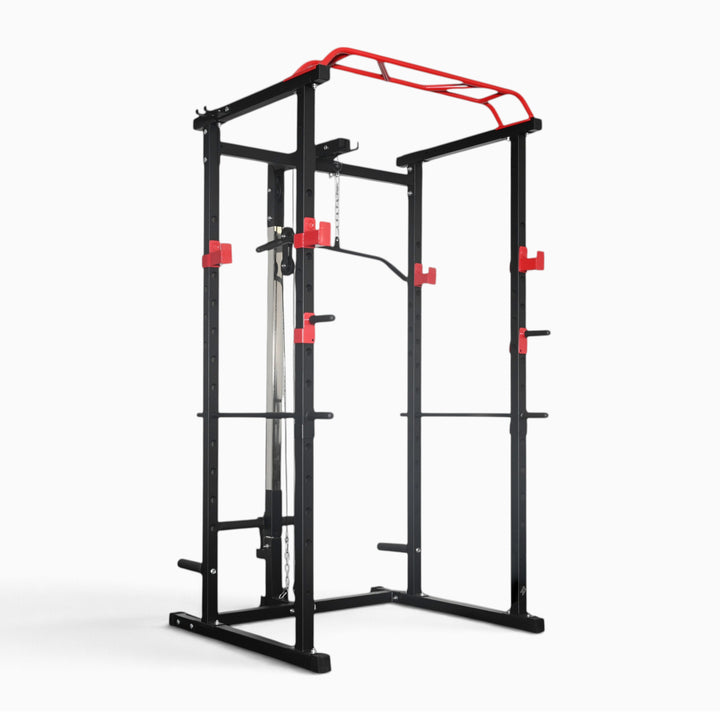
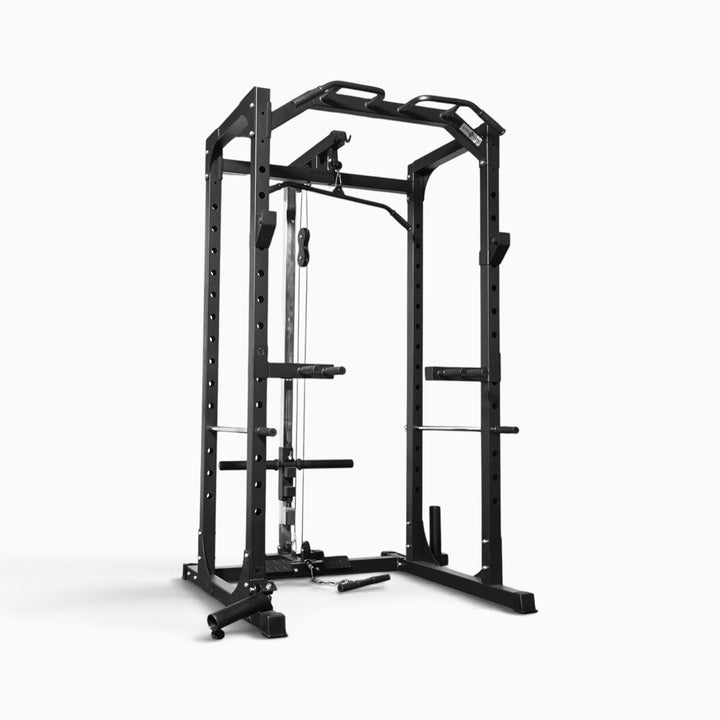
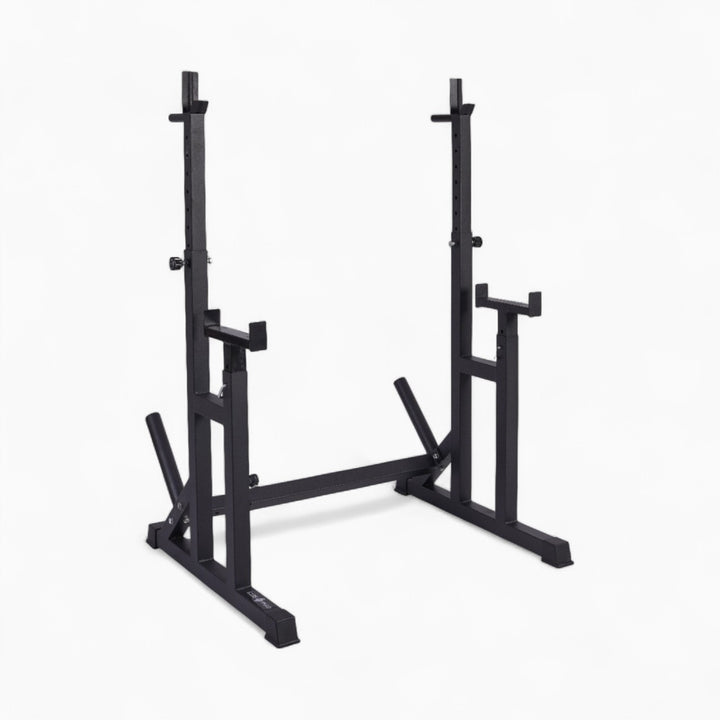
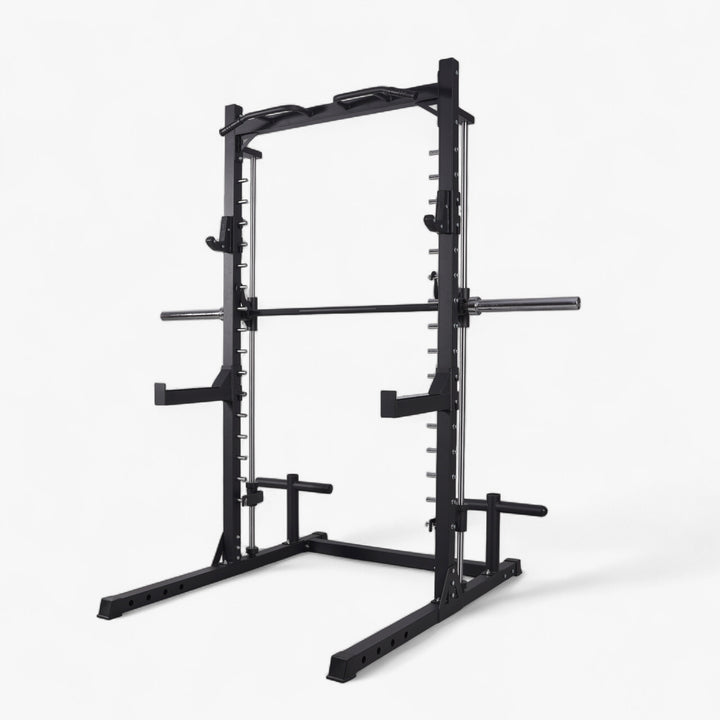
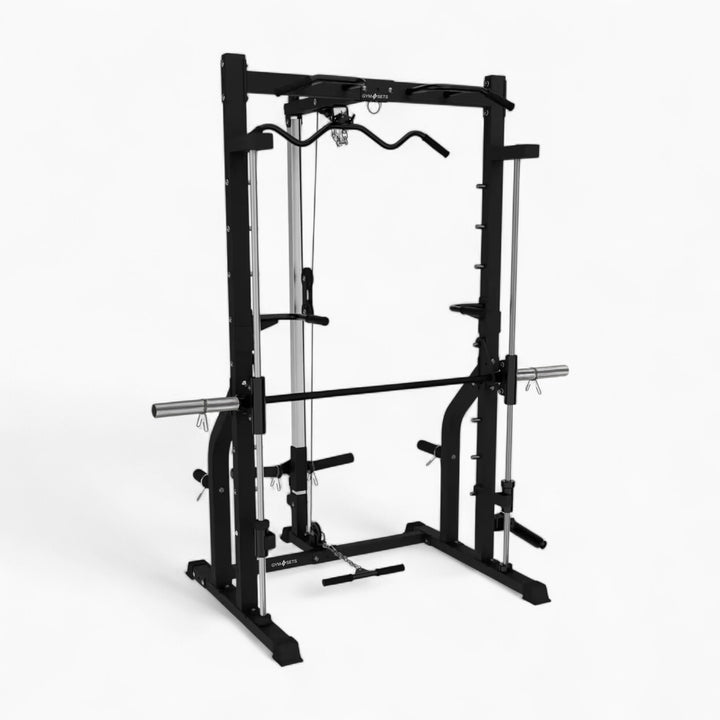
While a budget yoga mat is harmless, a budget squat rack can be genuinely dangerous. There are specific items where "cheap" usually translates to "flimsy." When you are dealing with heavy loads or moving parts, the risks of equipment failure increase exponentially.
Checklist for Budget Warning Signs:
-
Low Weight Capacities: If a bench is only rated for 150kg (including your body weight), skip it.
-
Plastic Moving Parts: Pulleys or adjustment pins made of thin plastic will snap.
-
Thin Gauge Steel: Anything less than 12-gauge steel for racks is usually too wobbly for serious lifting.
-
Strong Chemical Odours: Cheap rubber plates often "off-gas" a toxic smell that can ruin a small room.
Investing in these areas isn't about luxury; it's about making sure your equipment doesn't collapse while you're underneath it.
Comparing Costs: Budget vs. Premium Gym Gear
To give you a clearer picture of the market, let’s look at the price tiers for common home gym essentials in the UK.
| Equipment Type | Budget Price (Approx.) | Premium Price (Approx.) | Is the Upgrade Worth It? |
| Adjustable Dumbbells | £120 - £180 | £400 - £600 | Yes, for durability and ease of use. |
| Power Rack | £200 - £350 | £800 - £1,500+ | Yes, for safety and attachments. |
| Olympic Barbell | £80 - £130 | £250 - £500 | Yes, for the "whip" and bearing spin. |
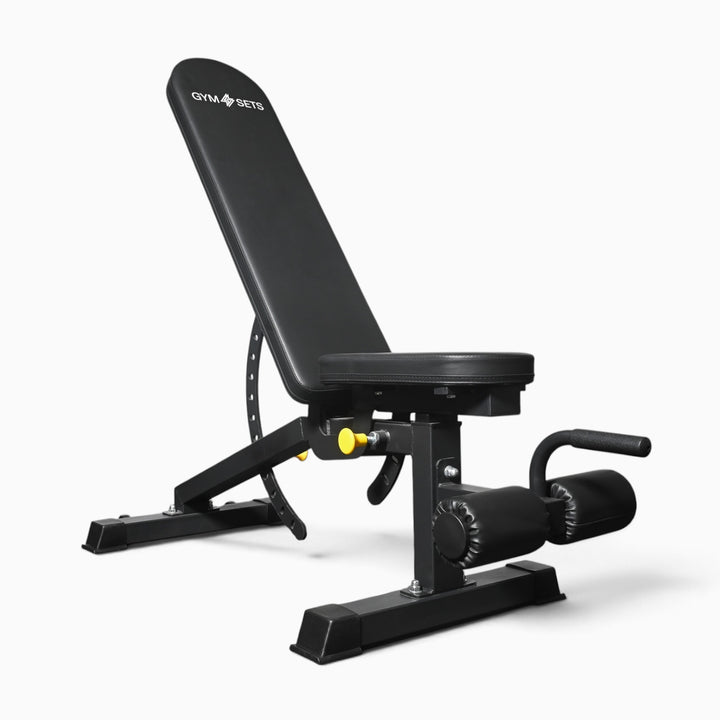
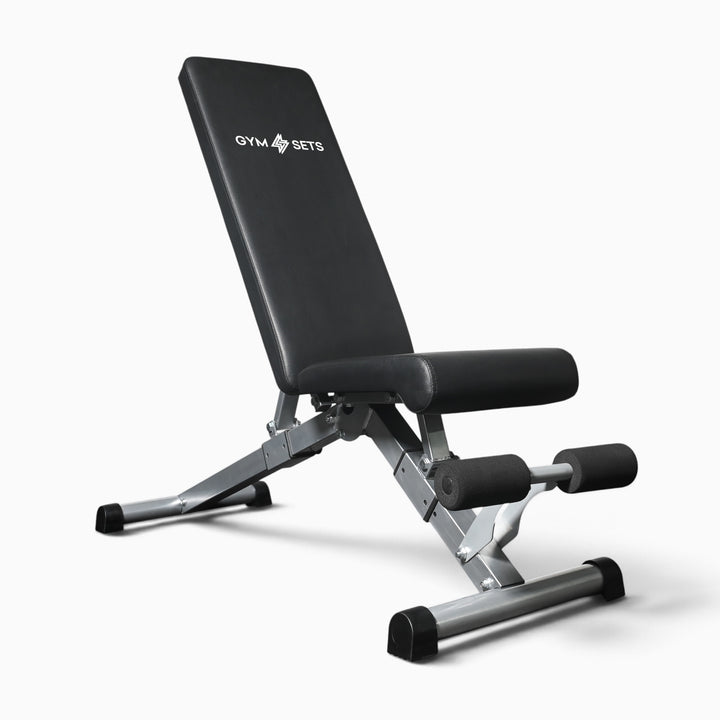
| Flat Weight Bench | £50 - £80 | £150 - £250 | No, as long as the weight limit is high. |
| Bumper Plates (100kg) | £250 | £450 | No, unless you are doing Olympic drops. |
Is Cheap Gym Equipment Worth It for Beginners?
If you are new to fitness, buying the most expensive gear is often a mistake. Why? Because you don’t yet know what your "style" of training is. You might think you love powerlifting today, but six months from now, you might find yourself gravitating toward CrossFit or Calisthenics.
For beginners, cheap gym equipment is definitely worth it as a proof of concept. Buying a second-hand set of dumbbells and a basic bench allows you to build the habit. If you’re still using them consistently after a year, then you’ve "earned" the right to upgrade to the premium versions. It's better to have a £100 setup that gets used than a £2,000 setup that gathers dust and serves as a very expensive clothes horse.
Cardio Machines: The "Buy Cheap, Buy Twice" Trap
If there is one category where "cheap" is almost never worth it, it’s cardio machines. Cheap treadmills, exercise bikes, and rowers are notorious for being loud, shaky, and prone to electronic failure. A budget treadmill usually has a smaller motor that will burn out if used for long-distance running, and the "deck" (the part you run on) often lacks proper shock absorption.
How to Spot Quality in Budget Brands
Not all budget brands are created equal. Some UK companies focus on "Value" rather than "Cheapness." The difference is subtle but vital. A value brand will use standard steel and simple designs but won't compromise on the integrity of the welds or the safety of the locking mechanisms.
When shopping for budget gear, look for:
-
Transparency: Do they list the steel gauge (e.g., 11 or 14 gauge)?
-
Reviews: Look for long-term reviews (6+ months) rather than "unboxing" videos.
-
Warranty: Does the company offer at least a 1-year warranty on frames?
-
Standard Sizing: Ensure the equipment uses standard hole sizes (like 1-inch or 2-inch) so you can add attachments from other brands later.
Maintenance: Making Cheap Gear Last Longer
If you do decide to go the budget route, you can significantly extend the life of your equipment with a bit of TLC. Cheap steel is often more prone to rust because the powder coating is thinner. Keeping your gym environment dry and wiping down your gear after a sweaty session is essential.
For barbells and dumbbells, a light coating of 3-in-1 oil every few months will prevent surface rust from taking hold. If you have a budget cable machine, replacing the stock plastic pulleys with aluminium ones (a very cheap upgrade) can make the entire machine feel twice as expensive. By treating your budget gear with the respect you'd give premium gear, you can get years of service out of items that others might break in months.
The Verdict: To Save or To Splurge?
So, is cheap gym equipment worth it? It depends on the consequence of failure.
-
Splurge on items that support your body weight or heavy loads (racks, barbells, benches). Your safety is worth the extra £200.
-
Save on "static" items where there are no moving parts (plates, kettlebells, mats, sandbags).
The goal of a home gym is to remove excuses, not to create a showroom. If buying budget equipment is the only way you can afford to start training today, then it is absolutely worth it. Just be smart about which corners you cut. Focus on building a solid foundation, and remember that the most important "equipment" in the room is you.
Key Takeaways for Your Home Gym Build:
-
Prioritise Safety: Never compromise on the weight capacity of racks and benches.
-
Buy Used Iron: Weights don't expire; buy them second-hand to save a fortune.
-
Avoid Cheap Electronics: If you can't afford a good treadmill, stick to "manual" cardio like skipping ropes.
-
Test the Waters: Use budget gear to find your training style before investing in "forever" pieces.
-
Maintenance Matters: A little oil and cleaning go a long way in preserving budget metal.