









Deciding where to break a sweat has become a major financial crossroad for British fitness lovers. With the cost of living keeping everyone on their toes, people are looking closely at their bank statements and wondering if it is time to ditch the commercial fitness centre for a setup in the garage. It is the classic battle between pay-as-you-go commercial convenience and building your own kingdom of iron.
This guide will break down the numbers to help you see exactly where your hard-earned cash goes. We will look at the true, modern average UK gym membership price alongside the upfront reality of buying your own gear. By the end, you will know exactly which path fits your physical goals and your personal budget.
The True Cost of a UK Gym Membership
When calculating what you spend on fitness, it is easy to look only at the monthly direct debit. But commercial clubs have several ways of squeezing an extra pound out of your wallet before you even step onto a treadmill. To find the actual average UK gym membership price, we have to look past the advertising and examine the hidden fees that pile up over twelve months.
According to the latest data from the 2025 and 2026 State of the UK Fitness Industry reports, the national average for a standard commercial membership sits at £48.45 per month. However, this number changes drastically depending on the type of facility you choose and where you live in the country. Budget tier chains generally cost between £15 and £35 every month, mid-range clubs land between £40 and £70, and premium health clubs frequently charge anywhere from £80 to over £200.
Breaking Down the National Pricing Data
To make sense of these numbers, it helps to see how the industry splits its pricing based on the level of service and facilities on offer. A budget space will give you a code for the door and a row of lifting racks, whereas a premium venue provides clean towels, swimming pools, and steam rooms.
The data below outlines the baseline expectations across the UK commercial fitness landscape as we move through 2026:
| Gym Tier Type | Average Monthly Fee | Typical Annual Investment |
| Budget Chain Facilities | £25.78 | £309.36 |
| Independent Single Sites | £43.12 | £517.44 |
| Multi-Site Mid-Range Clubs | £53.51 | £642.12 |
| Premium Health Clubs | £125.00 | £1,500.00 |
Geography and the Hidden Joining Fees
Where you live plays a massive role in the final price you see on your banking app. For instance, the average cost for a gym member in London climbs up to £76.26 per month, while fitness fans in Northern Ireland enjoy the lowest averages in the country at roughly £35.79 per month.
On top of the regional location lottery, you also need to factor in the upfront administrative or induction fees. Most mid-tier and budget chains will charge an initial fee ranging between £10 and £35 just to activate your access fob or register your details on their app. If you decide to add specialized fitness classes, hire a locker, or buy protein shakes at the front desk, that baseline £48.45 national average can easily transform into an annual bill of more than £700.
The Initial Investment of a Home Gym Setup
Building a workout space at home requires a completely different financial mindset. Instead of a predictable, small monthly drain on your bank account, you are hit with a single, sharp upfront payment. The good news is that you control the budget, meaning you can build anything from a budget lifting corner to a high-end garage training facility.
To make a fair financial comparison against a commercial membership, we need to design home gym tiers that mirror the utility of a commercial facility. We will skip the cheap plastic weights that break after three months and focus on sturdy, durable equipment that will last for years of heavy training.
The Three Tiers of Home Fitness Equipment
Your home investment will scale based on the style of training you prefer. The following list details three typical setup tiers, focusing entirely on high-quality, generic training equipment without relying on specific brand names:
-
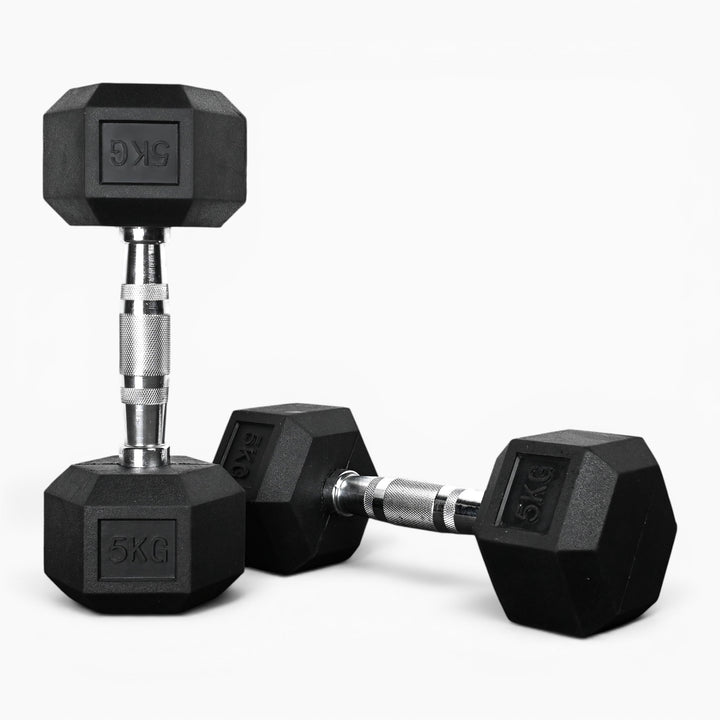
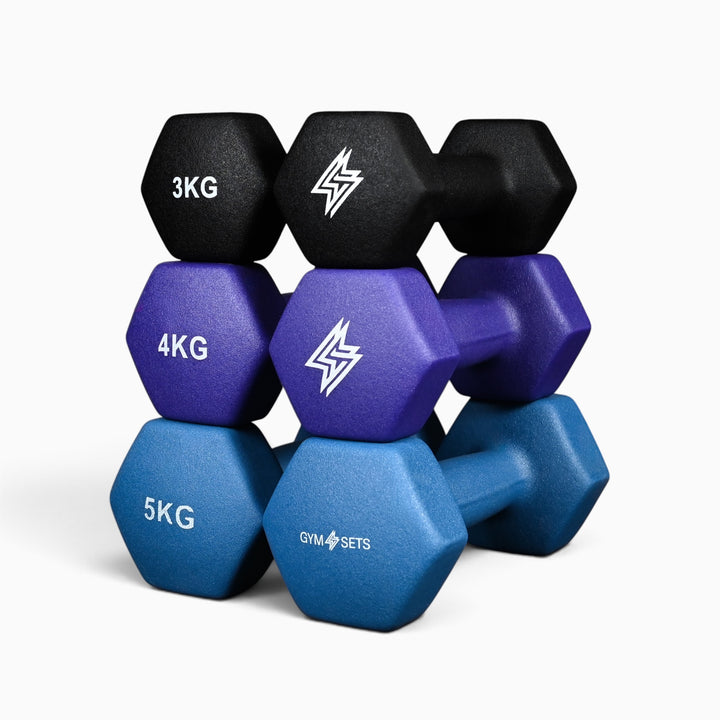
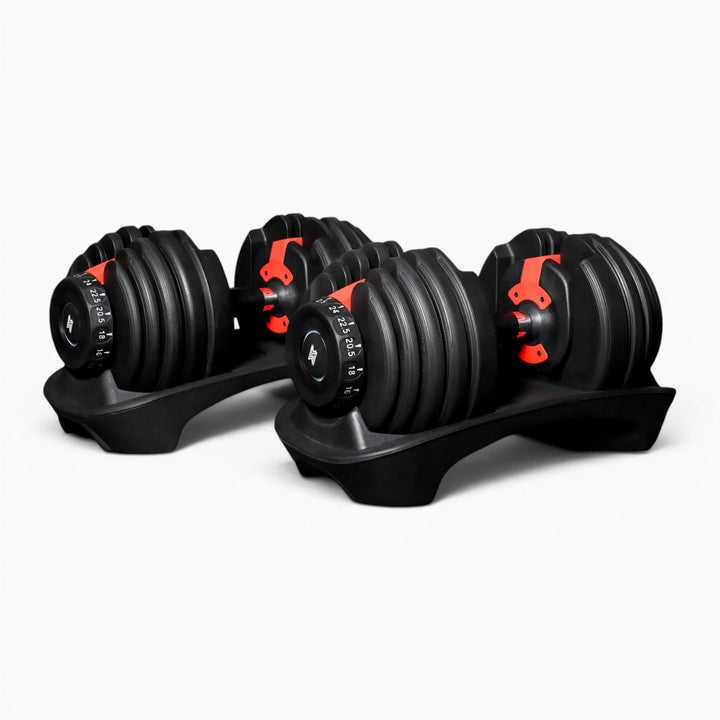
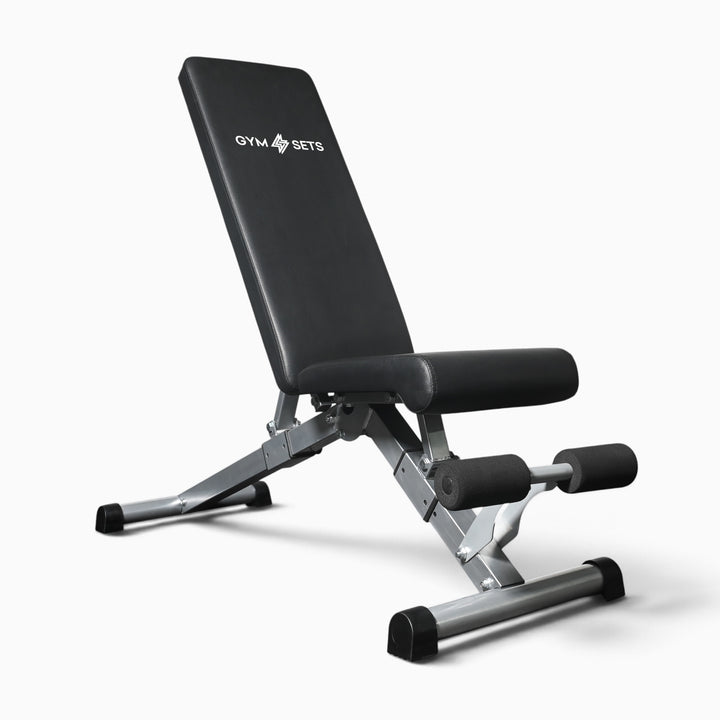
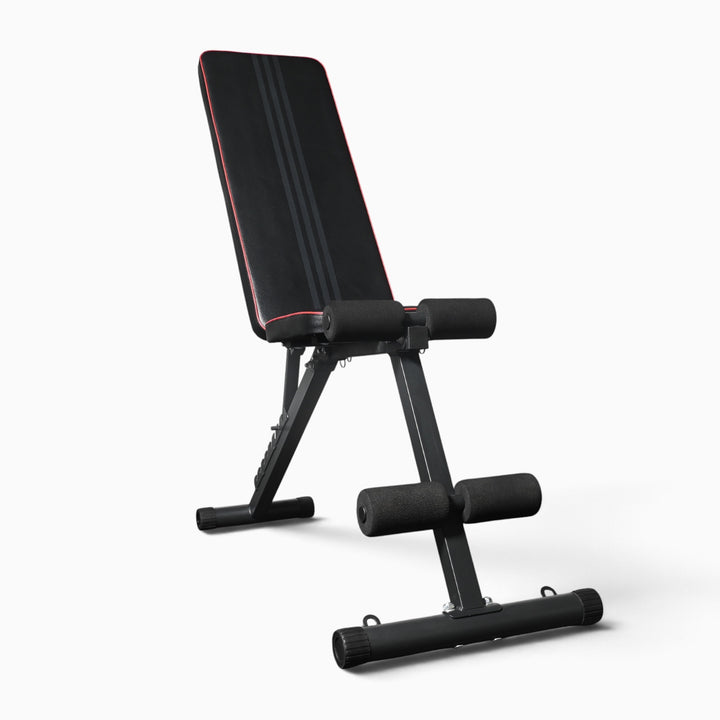
The Budget Essentials Corner (Total Cost: £250 - £400): This setup utilizes space-saving gear like adjustable dumbbells, a flat utility bench, a set of heavy resistance bands, and a durable floor mat. It is perfect for high-intensity interval training (HIIT) and basic resistance workouts.
-
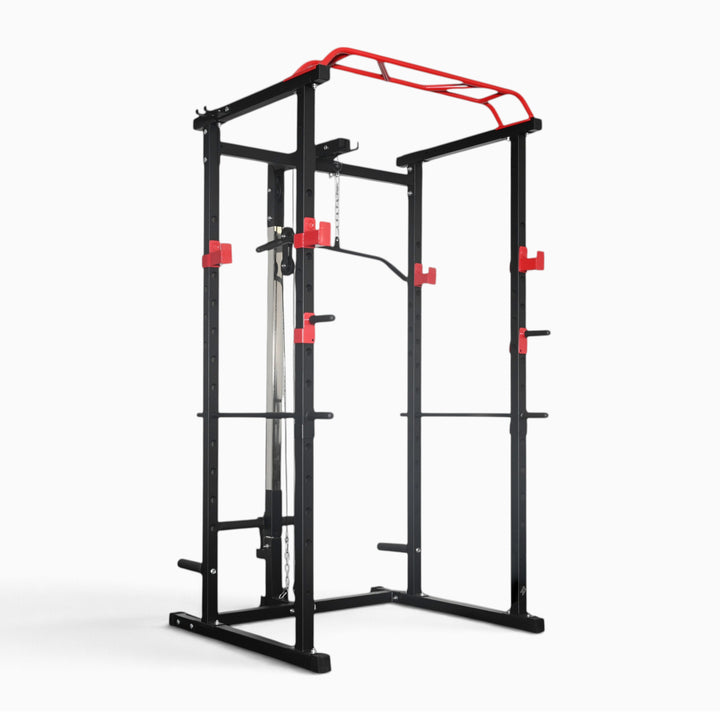
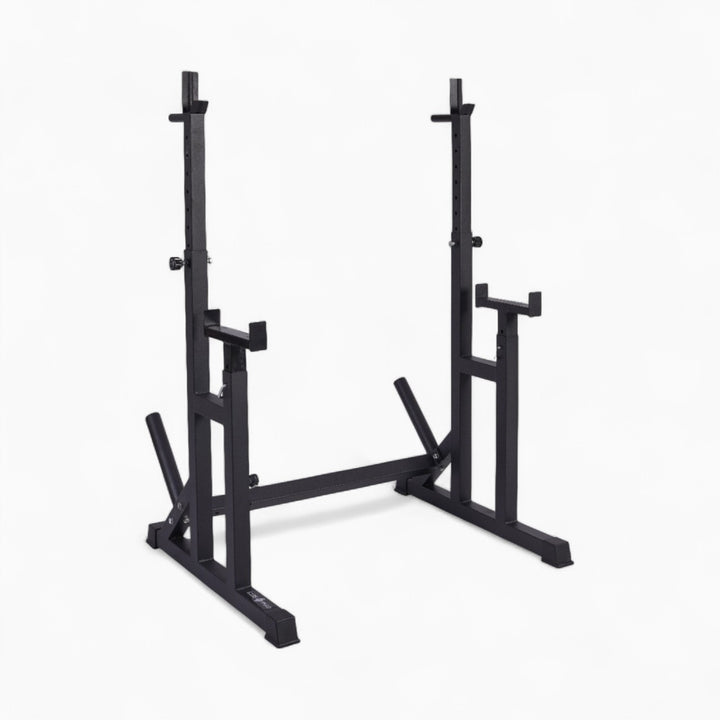
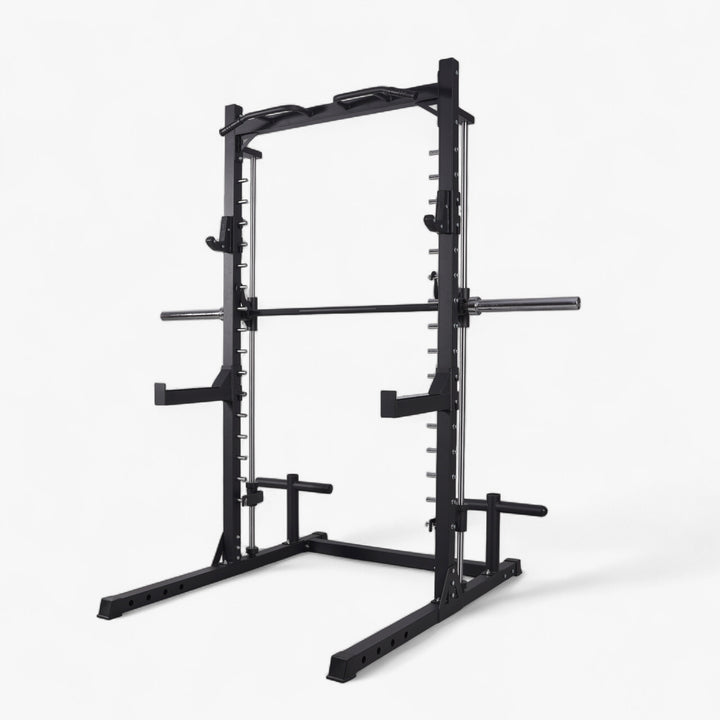
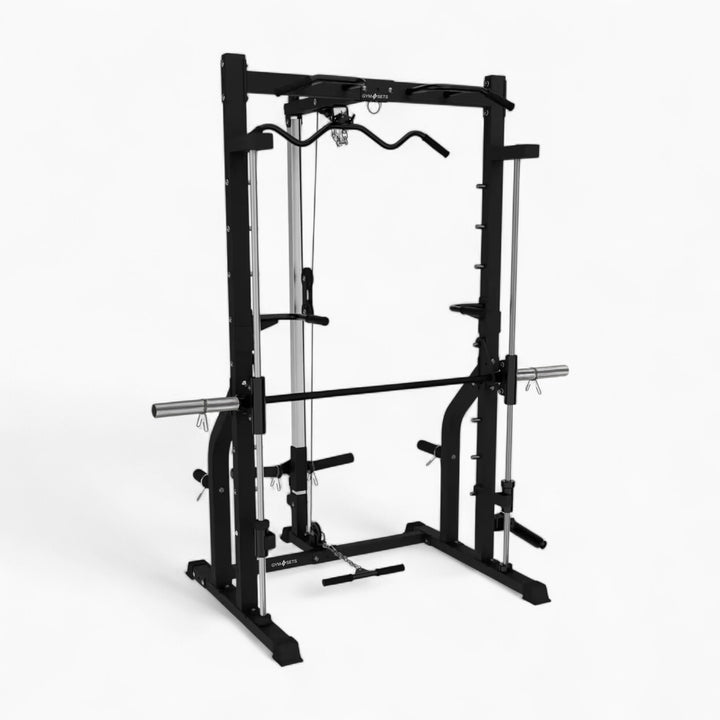
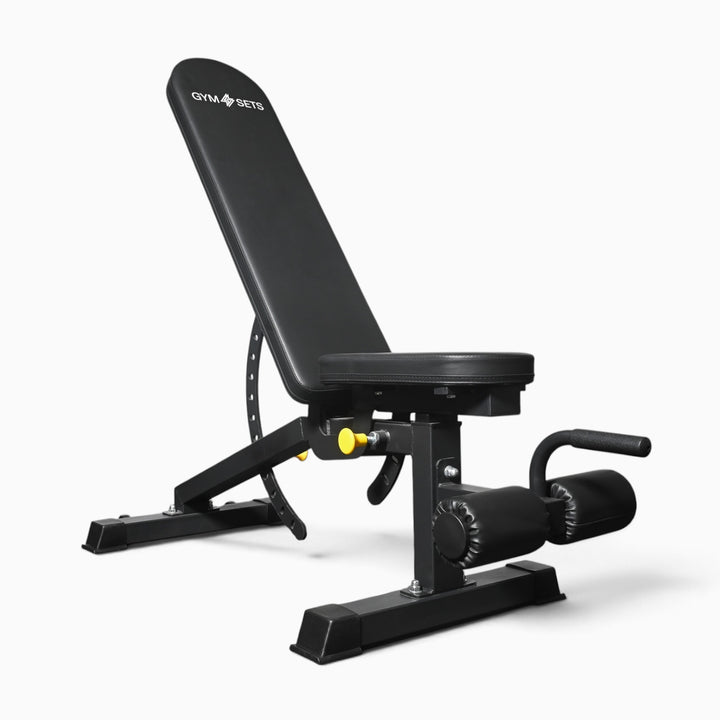
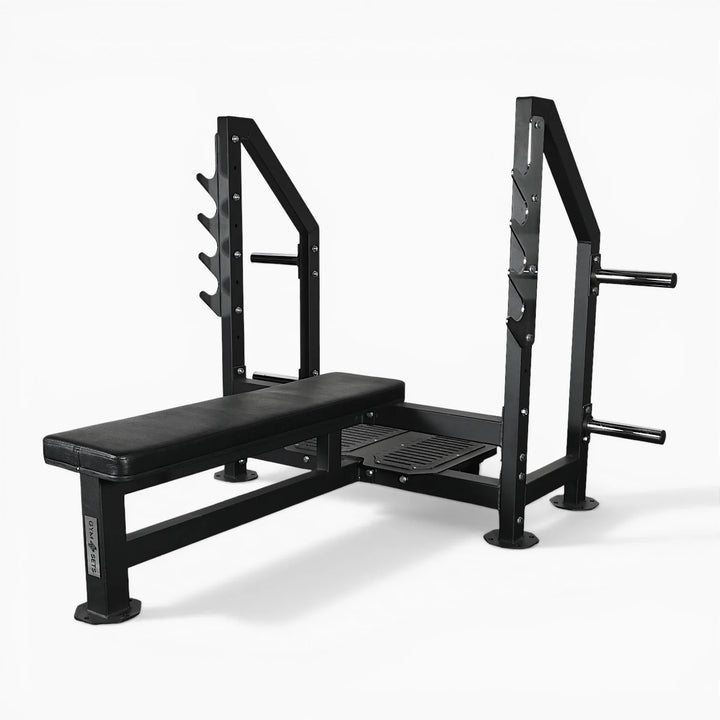
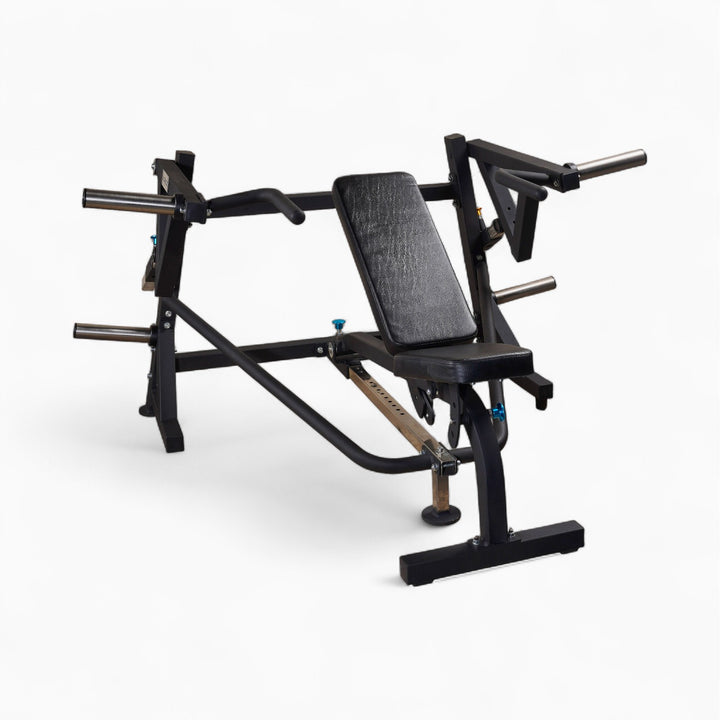
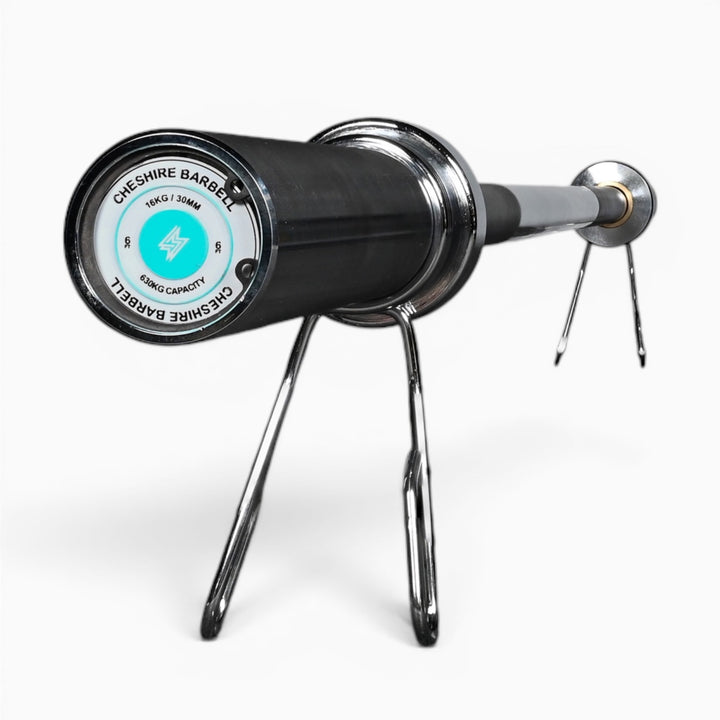
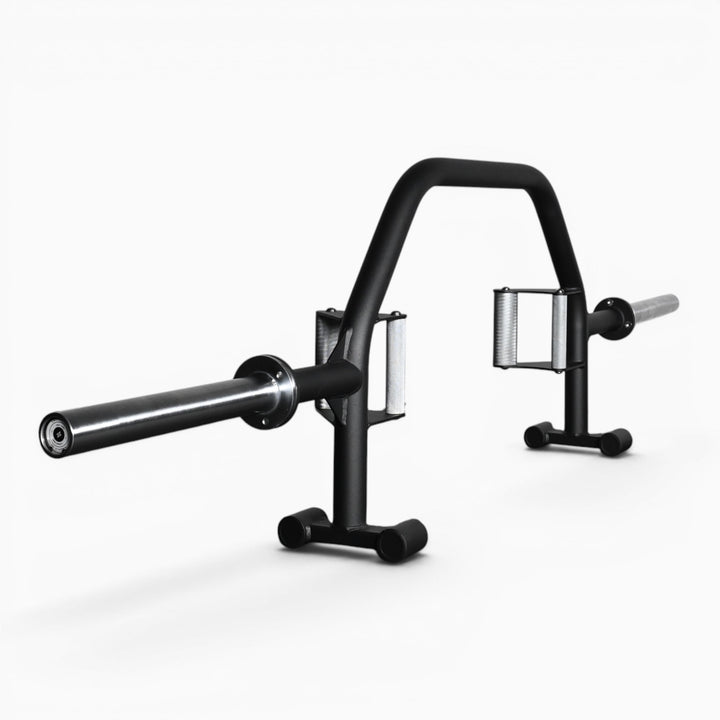
The Mid-Range Strength Setup (Total Cost: £800 - £1,200): This is the sweet spot for the average lifter. It features a solid steel power rack, a 20kg Olympic barbell, around 100kg of rubber bumper plates, an adjustable incline bench, and protective rubber gym flooring tiles.
-
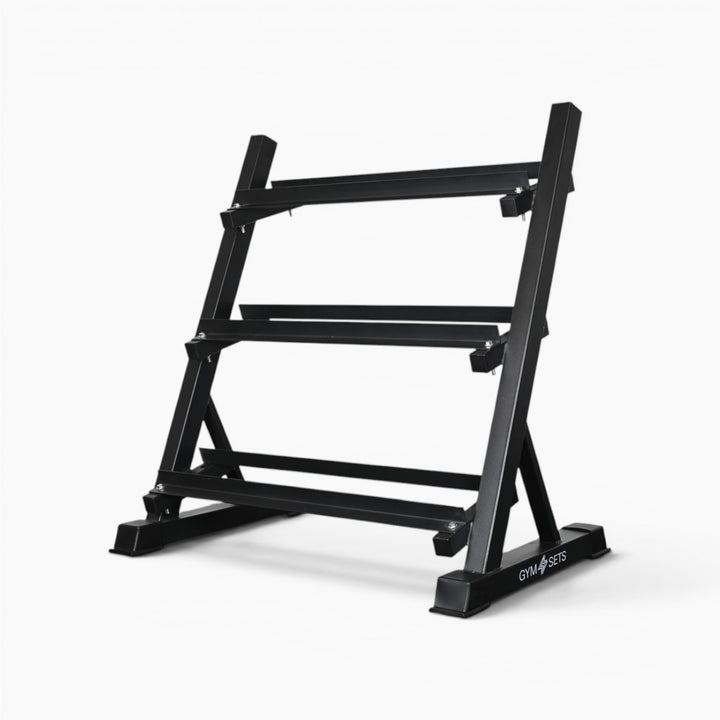
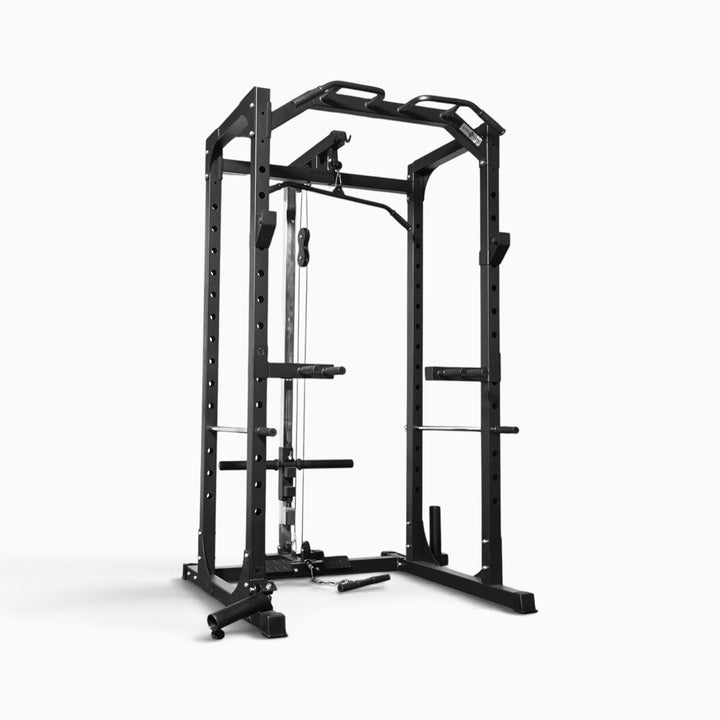
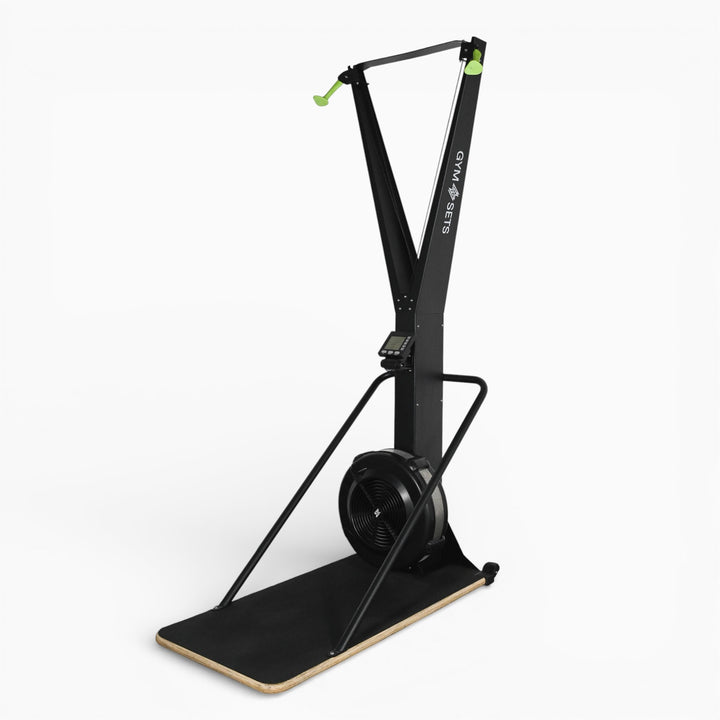
The Premium Cardio and Strength Suite (Total Cost: £2,500 - £4,500): Designed for those who want no compromises. It expands on the strength setup by adding a high-end dual-pulley cable machine, a commercial-grade indoor studio bike or rowing machine, and specialized storage trees for your weights.
Year-by-Year Financial Comparison
To see where you actually save money, we need to look at how these numbers play out over a five-year timeline. A gym membership must be renewed every single year, meaning its cost climbs forever. A home gym, however, is a one-time purchase where the equipment effectively pays for itself the longer you use it.
The comparison table below tracks the cumulative spending of an individual paying the national average UK gym membership price (£48.45 per month plus a one-off £25 joining fee) against someone buying a comprehensive mid-range home gym setup for an upfront cost of £1,000:
| Year of Training | Cumulative Gym Membership Cost | Cumulative Home Gym Cost |
| Year 1 | £606.40 | £1,000.00 |
| Year 2 | £1,187.80 | £1,050.00 (with minor maintenance) |
| Year 3 | £1,769.20 | £1,100.00 |
| Year 4 | £2,350.60 | £1,150.00 |
| Year 5 | £2,932.00 | £1,200.00 |
Calculating the Financial Break-Even Point
Looking closely at the data, the financial crossover happens much faster than most people expect. By month twenty-one of your fitness journey, the total amount spent on a standard commercial membership passes the £1,000 mark. This means that before you finish your second year of working out, a high-quality home setup has completely paid for itself.
From year three onwards, the home lifter is essentially training for free, saving nearly £600 every single year compared to the commercial gym-goer. Even if you budget an extra £50 per year for minor equipment maintenance, chalk, or adding a new set of resistance bands, the long-term financial victory goes entirely to the home setup.
The Hidden Variables: Travel, Time, and Space
Pure equipment costs do not tell the whole story of fitness economics. There are several lifestyle variables that can alter the financial math. Travel is often the biggest hidden drain on a commercial gym member's wallet, whether that means burning petrol or paying for public transport.
If you drive five miles to the gym three times a week, you are covering more than 750 miles over the course of a year. With UK fuel prices remaining stubbornly high, that commute can add an extra £100 to £150 annually to your fitness bill. You also have to factor in the value of your time, as a twenty-minute commute each way adds up to two hours of wasted travel time every single week.
The True Cost of Your Living Space
The biggest argument against the home gym route is the cost of square footage in British housing. Dedicating an extra bedroom, a section of the lounge, or the entire garage to a power rack means giving up valuable living space. If you are renting a larger property specifically to have space for a workout room, that extra rent will quickly wipe out any savings on equipment.
On the flip side, training at home means you never have to wait in line for a lifting rack during peak hours, there are no monthly subscription contracts to cancel, and you can choose exactly what music plays in the background. It is a balancing act between saving physical space or saving your personal time.
Pros and Cons: Commercial Gym Membership
Before making your final choice, it is smart to look at the psychological and social differences between these two training environments. A commercial gym offers variety and social energy that is incredibly difficult to replicate by yourself in a cold garage or spare room.
The Advantages of Commercial Spaces
-
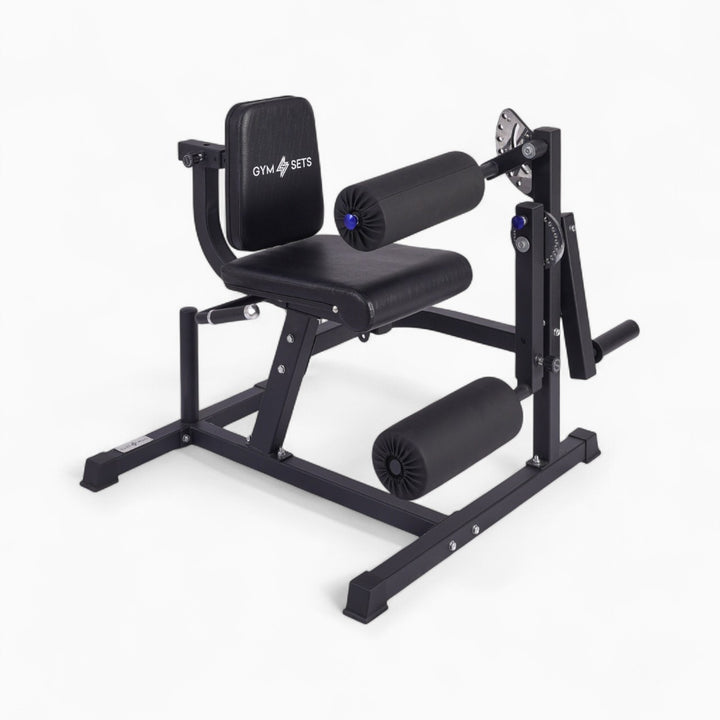
Massive Equipment Variety: Even a basic budget gym will provide access to rows of specialized selectorized cable machines, multiple lifting platforms, and dozens of cardio options that would cost tens of thousands of pounds to buy yourself.
-
The Social Community: For many people, working out around others provides an invisible boost to motivation. Having access to group fitness classes and being surrounded by regular training partners can make it much easier to stick to your routine long-term.
The Disadvantages of Commercial Spaces
-
The Peak Hour Traffic: Trying to train between 5:30 PM and 7:30 PM on a weekday can be incredibly frustrating. You will regularly find yourself waiting around for basic equipment, which slows down your workout and ruins your momentum.
-
Contract Friction and Inflation: Gyms are notorious for making their cancellation processes unnecessarily difficult, often requiring a strict 30-day written notice. Furthermore, as energy bills for commercial venues rise, monthly membership prices will likely continue to climb.
Pros and Cons: The Home Gym Lifestyle
Training in your own home offers an unmatched level of freedom and efficiency, but it requires an immense amount of self-discipline. When your couch is only ten feet away from your lifting barbell, staying focused on a difficult workout can become a real mental battle.
The Advantages of Training at Home
-
Absolute Time Efficiency: Zero travel time means you can walk into your training space, finish an entire workout, and be in your own shower within an hour. This makes it significantly easier to fit exercise into a busy career or family schedule.
-
A Custom Environment: You have total control over the space. There are no rules against training without shoes, you never have to wipe down someone else's sweat from a bench, and the gym is open 24 hours a day, 365 days a year.
The Disadvantages of Training at Home
-
The Isolation Factor: Training alone without the energy of a busy commercial environment can feel sterile and lonely over time. If you thrive on social interaction or friendly competition, a home setup can quickly become uninspiring.
-
Zero Incline or Variety Upgrades: If you want to switch from barbell training to swimming or heavy cable work, you are completely out of luck. Expanding your workout options always requires spending more money and finding more physical space.
Making Your Decision: The Final Checklist
To find the right path for your wallet and your wellness, run your personal situation through this simple four-point checklist:
-
Assess Your Space: Do you have a brick garage, a sturdy garden shed, or a spare room that can safely handle the drop of a heavy dumbbell? If not, a commercial gym is your best option.
-
Review Your Workout Style: If your routine relies on swimming pools, sauna sessions, and heavy functional cable machines, stick to a mid-range commercial membership. If you focus on free weights, calisthenics, or stationary cycling, buy the home gear.
-
Calculate Your Long-Term Commitment: Are you confident you will still be lifting weights in two or three years? If fitness is a temporary habit, stick to a rolling budget membership to avoid wasting money on gear that will just collect dust.
-
Analyze Your Schedule: If you regularly miss workouts because the gym commute is too stressful after a long day at work, the time-saving nature of a home setup makes it worth every single penny.