




For decades, the fitness world has been strictly divided into opposing camps. On one side of the gym, you have the strength athletes: powerlifters, bodybuilders, and weightlifters who focus entirely on moving heavy iron, building muscle mass, and maximizing absolute force production. On the opposite side of the track, you have the endurance purists: marathon runners, cyclists, and triathletes who spend hours building their aerobic capacity, optimizing cardiovascular health, and striving for lean, lightweight efficiency.
These two worlds rarely crossed paths. In fact, a long-standing gym myth suggested that running would actively melt away your hard-earned muscle, while heavy weight training would make runners too bulky, stiff, and slow.
However, a massive shift has occurred in modern fitness culture. Athletes are no longer willing to settle for being strong but easily winded, or incredibly fit but physically weak. They want to be able to squat twice their body weight and run a sub-four-hour marathon in the same weekend. This desire has given rise to one of the fastest-growing fitness movements in the world.
If you want to unlock the ultimate level of versatile fitness, you are likely asking a fundamental question: what is hybrid training?
In this definitive guide, we will explore the precise science behind the hybrid athlete movement, dissect the physiological benefits, dispel the common myths surrounding concurrent training, and provide you with a structured, practical blueprint to build a hybrid routine that works for your unique lifestyle.
What Is Hybrid Training?
To provide a clear and direct answer: what is hybrid training? It is a structured fitness methodology that simultaneously prioritises the development of multiple distinct athletic qualities, most commonly heavy strength training and long-distance cardiovascular endurance.
The core philosophy of a hybrid approach is that you do not need to choose a single specialisation. Instead of sacrificing your strength to build your aerobic engine, or dropping your running volume to focus entirely on building size, a hybrid model uses intelligent programming to develop both physical traits concurrently.
This approach shifts the focus away from classic bodybuilding aesthetics or singular sporting disciplines toward building a resilient, versatile, and high-performing human body. It is about becoming an all-round athlete who can handle a demanding strength session on Monday and a grueling fifteen-mile road run on Thursday without compromising recovery or overall performance.
The Scientific Reality: Debunking the Interference Effect
For years, coaches warned against mixing heavy lifting with heavy cardio due to a physiological phenomenon known as the interference effect. The theory suggests that the molecular pathways activated by endurance training (specifically an enzyme pathway called AMPK) would actively block or shut down the molecular pathways activated by resistance training (known as the mTOR pathway, which drives muscle protein synthesis).
While the interference effect is a genuine biochemical reality at extreme, elite levels of sport, modern exercise science has revealed that for the vast majority of everyday athletes, these pathways can co-exist beautifully. The trick to avoiding interference comes down to three specific factors:
-
Strategic Nutritional Timing: Ensuring you consume adequate carbohydrate and protein stores to fuel both distinct energy systems without sending the body into a catabolic, muscle-wasting state.
-
Intelligent Weekly Volume Management: Structuring workouts so that residual muscular fatigue from a heavy lower-body lifting session does not completely compromise your high-intensity running mechanics the following day.
-
Adequate Inter-Workout Recovery Windows: Allowing sufficient hours between your aerobic and anaerobic sessions to allow local cellular energy stores to fully replenish.
When you manage these variables correctly, the human body adapts remarkably well. Strength training builds stronger, more resilient tendons and joints that protect you from running injuries, while a highly developed aerobic system speeds up your recovery between heavy lifting sets by optimizing oxygen delivery to fatigued muscle tissues.
The Core Benefits of Becoming a Hybrid Athlete
Choosing to pursue a hybrid physical path requires dedication and careful planning, but the physical and psychological rewards are unparalleled.
Unmatched Functional Versatility
Most traditional workout routines create highly specialised bodies that struggle when taken out of their comfort zone. A pure runner may have a world-class aerobic capacity but lack the raw power to lift heavy household objects or protect their lower back during daily physical tasks. Conversely, a pure lifter may possess impressive muscle mass but find themselves completely out of breath simply walking up a steep flight of stairs. Hybrid training builds a body that is genuinely useful in any real-world scenario.
Enhanced Longevity and Cardiovascular Health
The National Health Service (NHS) and global health organisations consistently emphasize that true human longevity requires a mixture of both resistance training and cardiovascular exercise. Muscle mass is one of the single greatest predictors of healthy ageing and metabolic health, while a strong aerobic base reduces the risk of cardiovascular diseases. By refusing to skip either discipline, hybrid training provides an ideal insurance policy for long-term health.
Breakthrough Physical Resilience and Reduced Injury Risk
Running is a high-impact sport that subjects your joints to forces up to three times your body weight with every single stride. Without proper muscular support, this constant pounding can easily lead to common overuse complaints like runner's knee, shin splints, or plantar fasciitis. Heavy resistance training—particularly movements like squats, deadlifts, and calf raises—increases bone mineral density, strengthens stabilizing muscle groups, and reinforces connective tissues, making your frame incredibly resilient to the repetitive stress of endurance miles.
Enhanced Cognitive Freshness and Variety
Sticking to a single sport for years can occasionally lead to mental burnout or physical plateaus. If your only metric of success is adding a single kilogram to your bench press or shaving two seconds off your five-kilometre running time, progress can eventually slow to a crawl, leading to frustration. A hybrid model keeps training fresh and exciting. If your running progress temporarily stalls due to bad weather or a minor fatigue flare-up, you can redirect your mental focus toward achieving a new personal best on your overhead press or deadlift.
Architectural Pillars of a Successful Hybrid Program
You cannot simply take a high-volume bodybuilding split and paste it directly onto a high-mileage marathon training plan. Doing so will inevitably lead to systemic overtraining, chronic joint pain, and severe mental burnout within a few short weeks. To make a hybrid model work, you must build your routine upon four essential foundational pillars.
Pillar 1: Meticulous Management of Lower Body Fatigue
The single greatest challenge a hybrid athlete faces is managing the overlapping physical demands placed on the legs. Both heavy squatting and long-distance running rely heavily on the quadriceps, hamstrings, glutes, and calves. To prevent injuries, you must space these sessions out strategically. For example, scheduling a max-effort leg day less than twelve hours before a challenging interval run is a recipe for compromised running mechanics and excessive knee strain.
Pillar 2: Strict Training Intensity Polarisation
If you want to train frequently throughout the week, you cannot perform every single workout at maximum effort. Hybrid programming relies heavily on keeping your easy sessions genuinely easy. This means a significant portion of your weekly running volume must be performed in Zone 2—a conversational, strictly aerobic intensity where your heart rate remains low. Keeping your runs comfortable ensures you build an elite aerobic engine without generating massive amounts of central nervous system fatigue that would cripple your performance on the lifting platform later in the week.
Pillar 3: Prioritising Movement Quality Over Junk Volume
Because your body is processing two entirely different types of physical stress, you must eliminate junk volume from your strength routines. You do not need to perform six different variations of bicep curls or exhaust your legs with endless sets on the leg extension machine. Instead, your strength work should revolve around high-yield, compound movements that deliver maximum hormonal and muscular return for minimal time spent inside the gym.
Pillar 4: Precision Fueling and Nutritional Support
You cannot run a hybrid engine on an empty tank. Hybrid athletes burn through a monumental amount of glycogen (stored carbohydrates) every week. Attempting to follow a low-carbohydrate or severe calorie-restricted diet while executing this style of training is highly counterproductive. To perform optimally and recover effectively, your nutrition must feature:
-
High overall caloric intake to match your total daily energy expenditure.
-
Generous carbohydrate intake timed meticulously around your hardest training blocks to fully saturate muscle glycogen stores.
-
High daily protein intake to repair muscle tears and support ongoing tissue hypertrophy (growth).
Step-by-Step Template for a Balanced Hybrid Training Week
To illustrate how these theoretical concepts translate into practical reality, look at this highly effective four-day training split design. This structure ensures that both your lifting and endurance goals receive adequate attention while providing your joints with dedicated windows for deep physiological recovery.
Monday: Heavy Upper Body Strength + Short Recovery Run
-
Focus: Building upper body muscular power and flushing out the legs.
-
Gym Session: Bench press, pull-ups, overhead shoulder press, and seated rows.
-
Endurance Session: A low-intensity, ten-to-fifteen-minute Zone 2 jog at the end of the day to promote blood flow through the lower body without adding structural fatigue.
Tuesday: Heavy Lower Body Strength Focus
-
Focus: Building raw power, posterior chain resilience, and bone density.
-
Gym Session: Barbell back squats, Romanian deadlifts, walking lunges, and standing calf raises.
-
Note: This session is intentionally kept separate from any hard running to allow you to apply maximum focus and intensity to your leg development.
Wednesday: Full Rest and Recovery Day
-
Focus: Deep cellular repair, joint decompression, and nervous system relaxation.
-
Activities: Gentle mobility stretching, light walking, dedicated hydration, and high-quality sleep.
-
Note: Do not skip this day. Rest is the exact window where your body synthesises new muscle tissue and adapts to the cardiovascular stresses you applied earlier in the week.
Thursday: High-Velocity Running Intervals or Tempo Session
-
Focus: Improving your anaerobic threshold, maximum oxygen consumption (VO2 max), and running economy.
-
Endurance Session: A dedicated track or road session featuring a thorough warm-up, followed by structured fast intervals (such as five repetitions of one kilometre at a challenging pace) with complete walking rest intervals in between.
Friday: Functional Full Body Strength Maintenance
-
Focus: Reinforcing total-body movement patterns and structural balance.
-
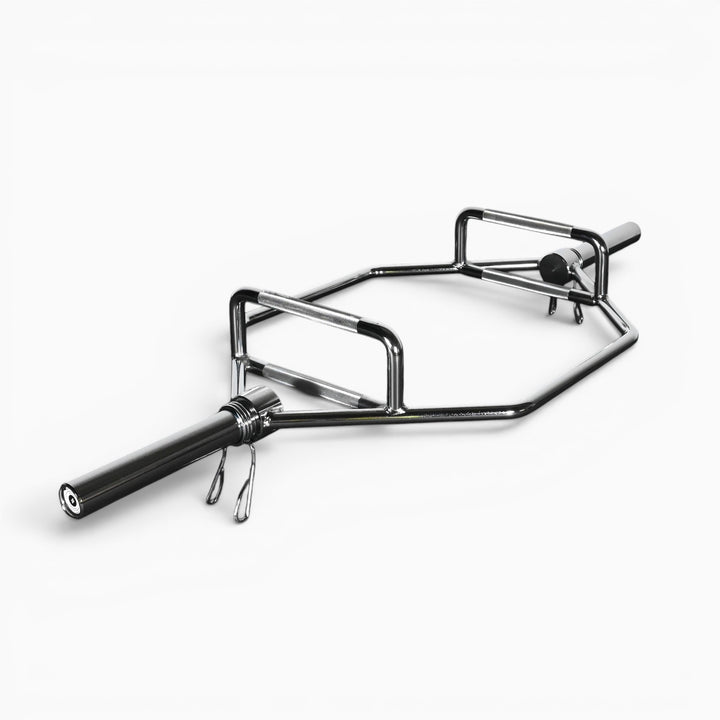
Gym Session: Hex-bar deadlifts, dumbbell incline chest presses, farmers carries for grip strength, and core stability work.
Saturday: The Aerobic Engine Builder (Long, Slow Distance Run)
-
Focus: Building pure endurance, capillary density, and mental stamina.
-
Endurance Session: A long, continuous road or trail run performed entirely within a comfortable, conversational Zone 2 heart rate window. The duration can scale up from forty-five minutes to over two hours depending on your current experience level.
Sunday: Complete Rest and Recharge Day
-
Focus: Preparing the mind and body for the upcoming week ahead.
-
Activities: Complete physical relaxation, foam rolling, nutritional meal preparation, and personal downtime.
Choosing the Right Kit for the Hybrid Pathway
Because hybrid training requires you to transition fluidly between two entirely different athletic arenas, having the correct supporting equipment is essential to keep you safe and comfortable.
Footwear Specialisation is Non-Negotiable
The single biggest mistake a new hybrid athlete can make is trying to use the exact same pair of shoes for both heavy squatting and long-distance running. Running shoes are engineered with plush foam cushioning, curved geometries, and flexible midsoles designed to absorb impact forces. If you try to stand on this soft foam while squatting a heavy barbell, your ankles will lack stability, compromising your form and risking injury.
Conversely, lifting shoes or flat-soled trainers have rigid, non-compressible bases designed to help you drive force directly into the ground. Attempting to run five miles in flat, solid lifting shoes will cause severe shin splints and joint pain. Always keep two distinct pairs of shoes in your gym bag: a dedicated pair of supportive running shoes and a flat, stable pair for your lifting sessions.
Functional Apparel and Home Gym Versatility
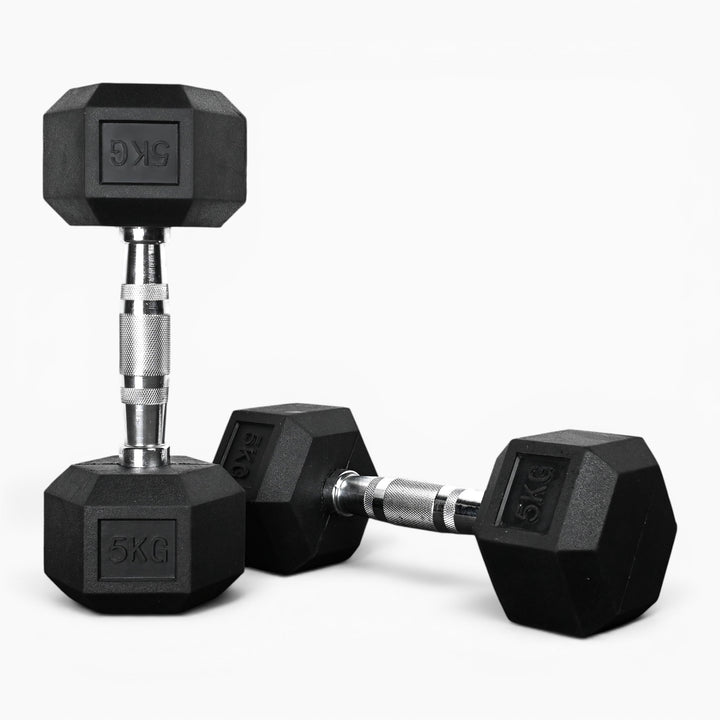
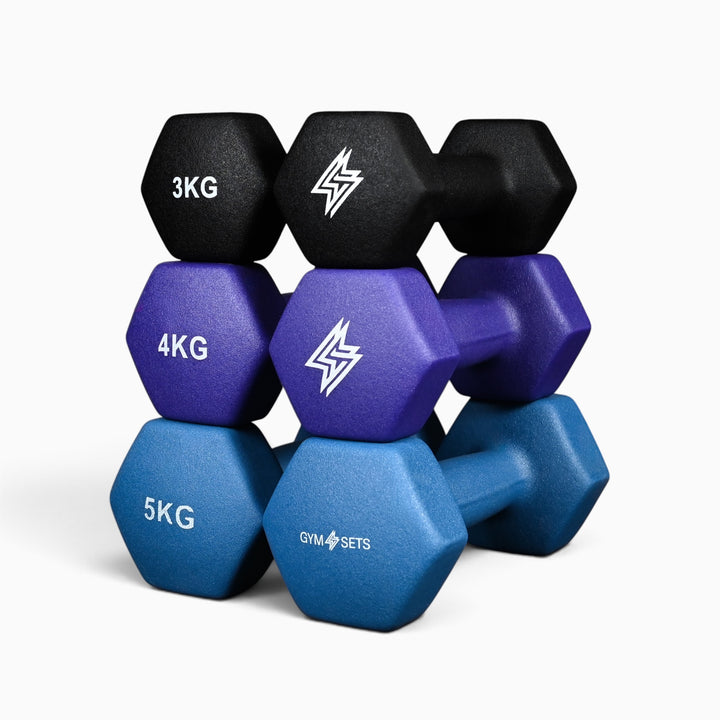
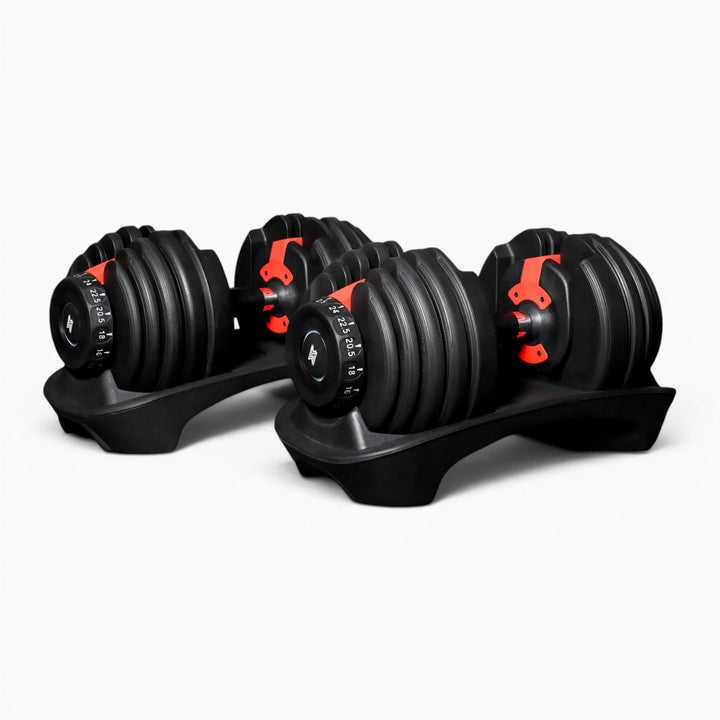
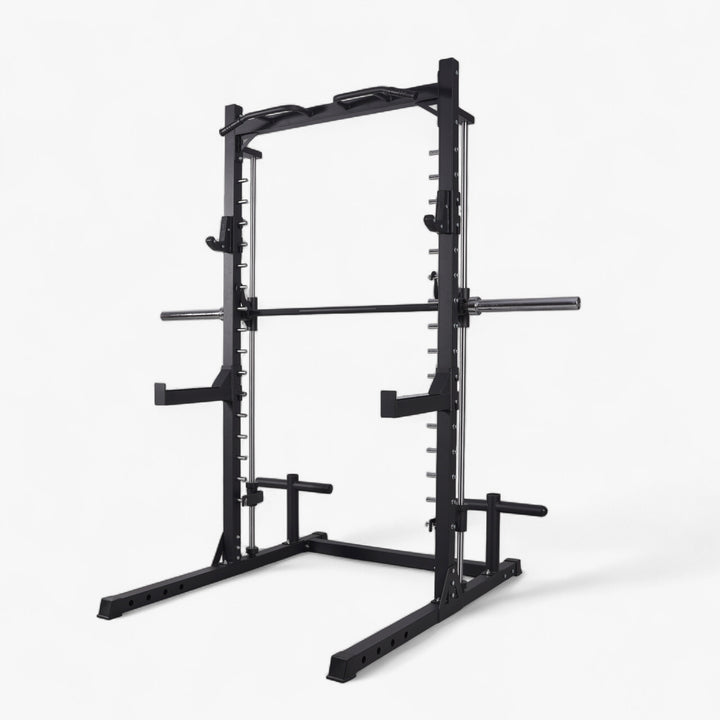
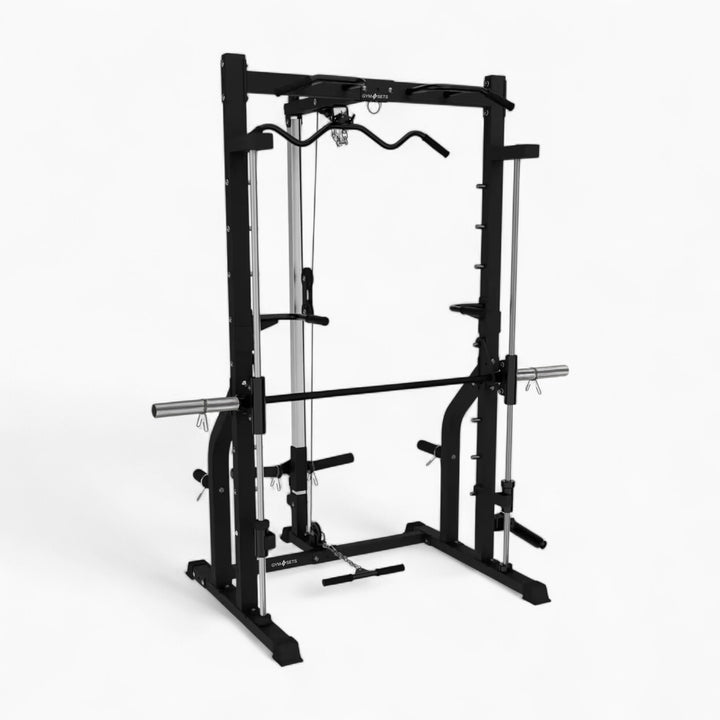
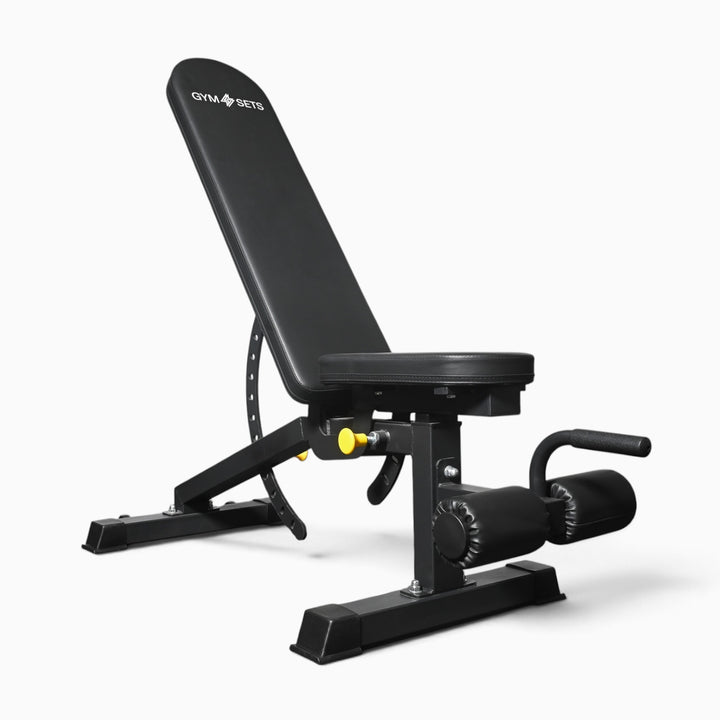
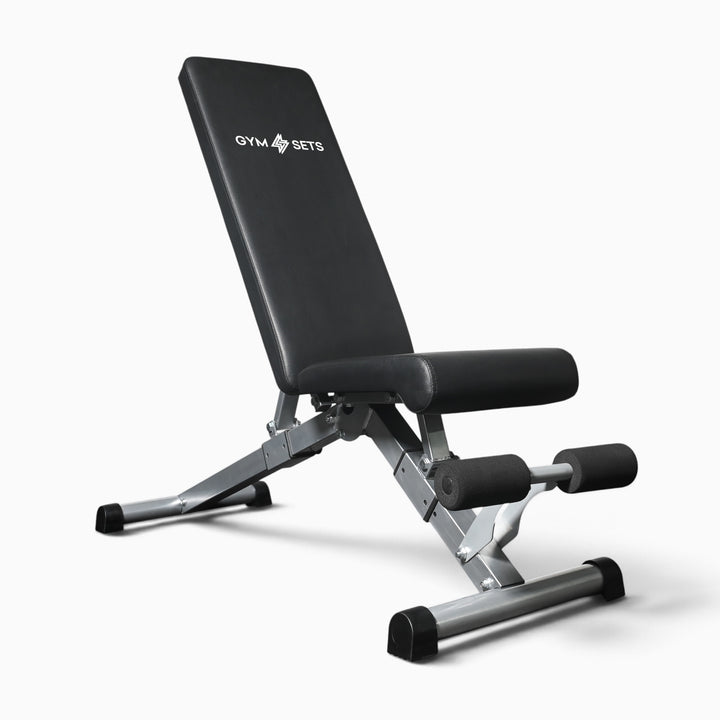
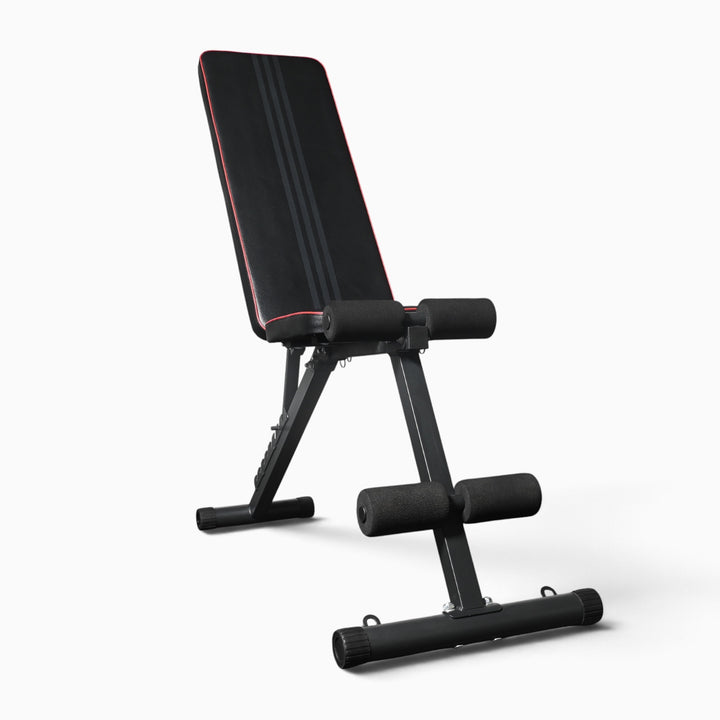
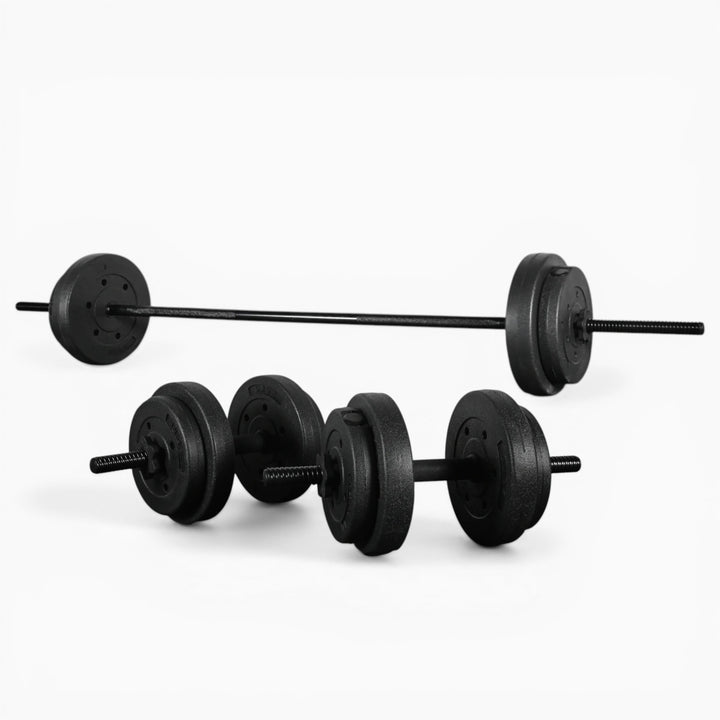
Look for technical apparel that offers high breathability and anti-chafing properties, as you will be moving through large ranges of motion across multiple training formats. If you are building out a home gym environment to support your hybrid lifestyle, investing in smart, space-saving gear like high-quality adjustable dumbbells, a sturdy utility bench, and a versatile pull-up bar will allow you to complete your entire strength routine at home before stepping out your front door for your endurance miles.
Common Mistakes to Avoid on Your Hybrid Journey
As you begin your hybrid journey, keep an eye out for these frequent programming traps that can quickly stall your progress:
-
Increasing Volume Too Quickly: Never increase your running mileage and your lifting weights simultaneously. If you decide to add five miles to your weekly running volume, keep your lifting weights completely stable for a couple of weeks to allow your nervous system to adjust safely.
-
Neglecting the Low-Intensity Runs: It can be highly tempting to turn every single outdoor run into a race to beat your previous times. Avoid this temptation at all costs. Running too fast too often creates immense residual fatigue that will ruin your strength progress in the gym.
-
Underestimating the Power of Sleep: Your body does not grow stronger or fitter during the actual workout itself; it adapts while you are deeply asleep. Aim for a minimum of seven to eight hours of high-quality sleep per night to support the dual physical demands of a hybrid schedule.
Summary: A Stronger, Faster, More Versatile Future
Hybrid training is far more than just a passing fitness trend. It is a liberating, scientifically backed evolution in human performance that completely dismantles the outdated idea that we must limit our capabilities to a single specialisation.
By marrying the raw power of the weight room with the deep endurance engine developed out on the open road, you unlock a state of comprehensive physical readiness that leaves you prepared for any challenge life throws your way. It is challenging, it requires intelligent planning, and it demands dedication—but the result is an incredibly strong, fast, and endlessly resilient body that is built to perform.