




If you are just starting your fitness journey, you have likely looked at a mountain of equipment and wondered where to begin. One of the biggest questions new lifters ask is: Are adjustable dumbbells suitable for beginners? The short answer is a resounding yes. These clever pieces of kit are designed to grow with you, offering a space-saving alternative to a room full of heavy metal. In this guide, we will break down why they are a brilliant entry point for novices, how they compare to traditional weights, and what you need to know before making your first purchase. We’ve kept things conversational and easy to follow, ensuring you get the most out of your home workouts without the jargon.
Understanding the basics of adjustable weights
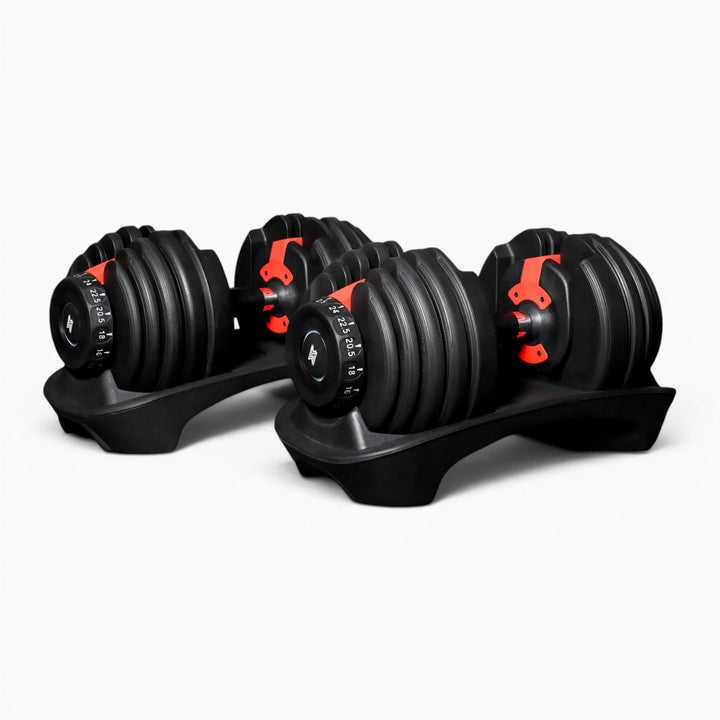
Before we dive into the suitability, let’s clarify what we are talking about. Adjustable dumbbells are single handles that allow you to change the weight load using a variety of mechanisms, such as dials, pins, or removable plates. For a beginner, this is essentially a "gym in a box." Instead of buying a pair of 2kg, 5kg, and 10kg weights separately, you have one pair that covers all those bases. This versatility is why they have become the go-to choice for home fitness enthusiasts across the UK.
-
The Dial System: You turn a knob to the desired weight, and the handle picks up only the plates needed.
-
The Pin System: Similar to gym machines, you move a pin to select the weight stack.
-
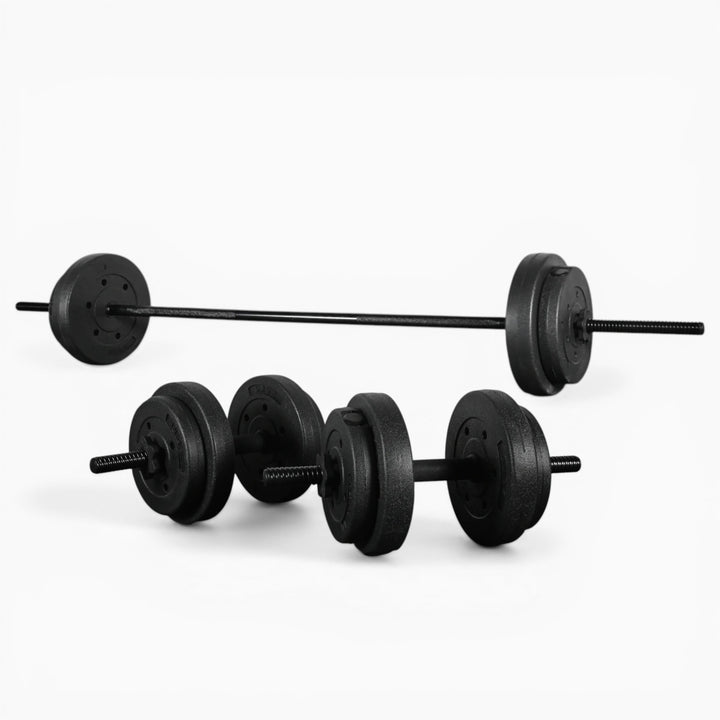
The Spinlock System: You manually add iron plates and screw on a collar to keep them secure.
-
The Selector Plate: A sliding mechanism that locks in the weight level you want.
Why are adjustable dumbbells suitable for beginners?
The primary reason are adjustable dumbbells suitable for beginners? is the concept of progressive overload. When you start lifting, your body adapts quickly. A 5kg weight that feels heavy in week one might feel like a feather by week four. With adjustable sets, you don’t need to go shopping every time you get stronger; you simply click the dial to the next setting. This encourages consistent progress without the friction of needing new equipment, making it far more likely that you will stick to your routine long-term.
-
Cost-Efficiency: Buying one set is significantly cheaper than buying ten individual pairs of fixed weights.
-
Space Saving: They fit into a small corner or under a bed, which is perfect for UK homes where space is at a premium.
-
Weight Variety: You can use lighter settings for difficult moves like lateral raises and heavier ones for squats.
-
Long-Term Value: A good set can last you from your first workout all the way to an advanced lifting level.
Comparing the options for your home gym
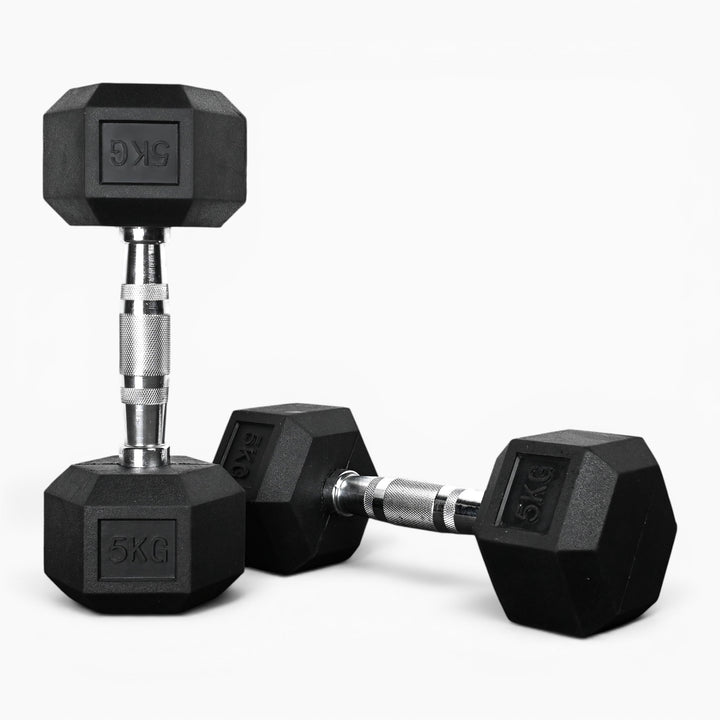
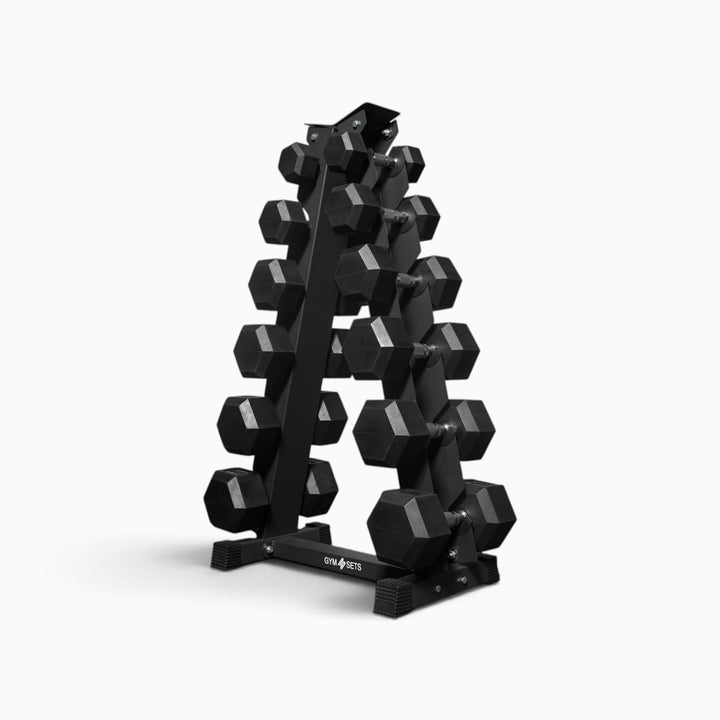
To help you visualise the benefits, let's look at how adjustable dumbbells stack up against the traditional "fixed" dumbbells you see in commercial gyms. Beginners often worry that adjustable versions might feel "clunky" or "unstable," but modern engineering has bridged that gap significantly. While fixed weights are undeniably sturdy, they are rarely practical for a home setting unless you have a dedicated garage conversion with a full-sized rack.
| Feature | Adjustable Dumbbells | Fixed Dumbbell Sets |
| Space Required | Minimal (approx. 0.5 sq metres) | Large (requires a multi-tier rack) |
| Initial Cost | Moderate to High | High (for a full range) |
| Weight Range | 2kg to 32kg+ in one unit | Limited to what you buy |
| Speed of Change | 2–5 seconds (dial sets) | Instant (just pick up another) |
| Durability | High (but shouldn't be dropped) | Extremely High (can be dropped) |
Safety considerations for new lifters
Safety is a common concern when people ask, are adjustable dumbbells suitable for beginners? Because these weights involve moving parts or locking mechanisms, it is vital to ensure they are used correctly. Most high-quality sets feature safety locks that prevent plates from falling off mid-lift, but as a beginner, you must develop the habit of checking the "click." If the weight isn't properly engaged, it could slip. However, as long as you follow the manufacturer's instructions and don't drop them on the floor, they are perfectly safe.
-
Check the Lock: Always ensure the dial or pin is fully engaged before lifting the handle from the base.
-
Avoid Dropping: Unlike rubber-coated hex weights, the internal mechanisms of adjustable sets can be damaged if slammed down.
-
Start Light: Use the lowest setting to master your form before adding weight.
-
Flat Surface: Always keep the storage cradles on a flat, stable floor to prevent misalignment.
The importance of weight increments
One of the subtle reasons why are adjustable dumbbells suitable for beginners? is the small weight increments they offer. Many sets allow you to increase the weight by as little as 1kg or 2kg. For a beginner, jumping from a 5kg dumbbell to a 7.5kg version is a massive 50% increase in load, which can lead to poor form or injury. Having the ability to move up in smaller, manageable steps ensures that your tendons and ligaments have time to catch up with your muscle strength.
-
Micro-Loading: Small jumps help you overcome "plateaus" where you feel stuck on a certain weight.
-
Precision: You can tailor the weight exactly to the muscle group (e.g., more for legs, less for arms).
-
Confidence: Seeing yourself move up even a small amount provides a psychological boost.
-
Form Preservation: Smaller jumps mean you don't have to "cheat" the movement to lift the heavier weight.
How to choose your first set
If you have decided that adjustable dumbbells are right for you, the next step is choosing the right maximum weight. Most beginners assume they should buy the heaviest set available, but that isn't always necessary. A set that goes up to 20kg or 24kg is usually more than enough for the first year or two of training. Look for a grip that feels comfortable in your hand—many UK sets use contoured "pro-style" grips that mimic the feel of professional gym equipment, which helps with stability.
-
Maximum Weight: Think about where you want to be in 12 months, not just where you are today.
-
Grip Material: Look for knurled metal or high-quality rubber for a non-slip experience.
-
Adjustment Speed: If you plan on doing fast-paced HIIT workouts, a quick-dial system is better than spinlocks.
-
Warranty: Ensure the manufacturer offers a solid warranty, as these are precision-engineered items.
Common myths about adjustable weights
There are a few myths floating around the fitness world that might make a beginner hesitant. You might hear that they "rattle" or feel "unbalanced." While some very cheap, low-end sets might have a bit of play in the plates, most reputable brands sold in the UK today are incredibly solid. Another myth is that they are only for "light" workouts. In reality, many adjustable sets go up to 40kg per dumbbell, which is plenty for even experienced lifters to perform heavy chest presses or rows.
-
The "Rattle" Myth: High-quality sets are engineered with tight tolerances to feel like a solid piece of metal.
-
The "Fragile" Myth: While you shouldn't drop them, they are built to withstand years of regular lifting.
-
The "Pro Only" Myth: Many people think these are advanced gear, but their ease of use makes them ideal for novices.
-
The "Too Bulky" Myth: While slightly longer than fixed weights, they don't interfere with most standard exercises.
Top 5 exercises for beginners with adjustable dumbbells
Once your weights arrive, you might wonder what to do with them. The beauty of dumbbells is that they allow for "unilateral" training, meaning you work each side of your body independently. This is excellent for beginners because it helps identify and fix strength imbalances (like a stronger right arm). Because you can change the weight so easily, you can move through a full-body circuit in under 20 minutes, adjusting the load for each specific body part as you go.
-
Goblet Squats: Hold one dumbbell at chest height to work your glutes and quads.
-
Overhead Press: Use two dumbbells to build shoulder strength and stability.
-
Bent-Over Rows: Perfect for building a strong back and improving your posture.
-
Bicep Curls: The classic move for arm definition, easily adjusted as you get stronger.
-
Floor Press: A safer alternative to the bench press for beginners, working your chest and triceps.
Setting up your workout space at home
You don't need a massive room to use your new weights. A small 2-metre square area is usually enough to perform almost any dumbbell exercise safely. We recommend placing a small piece of gym flooring or a sturdy yoga mat down to protect your carpet or laminate. Since you are using adjustable dumbbells, you won't have weights rolling around the floor, which makes your workout area much safer and tidier—especially if you have children or pets roaming around the house.
-
Flooring: Use a rubber mat to dampen sound and protect your home's surfaces.
-
Lighting: Ensure you can see your form clearly in a mirror if possible.
-
Ventilation: Even a small workout can get sweaty; keep a window cracked open.
-
Storage: Keep the dumbbells in their cradles when not in use to protect the mechanism.
The verdict: Are they a smart investment?
When you weigh up the pros and cons, the answer to are adjustable dumbbells suitable for beginners? is an emphatic yes. They represent one of the smartest investments you can make in your health. By choosing a single piece of equipment that replaces a whole rack of weights, you are saving money, space, and time. Most importantly, you are removing the barriers to exercise. When your "gym" is sitting neatly in the corner of your lounge, it is much easier to find 15 minutes to squeeze in a quick session.
-
Immediate Access: No more driving to the gym or waiting for machines.
-
Personalised Pace: You can learn at home without feeling self-conscious.
-
Scalable Success: The weights grow as your muscles grow.
-
Resale Value: If you ever decide to upgrade, high-quality adjustable sets hold their value very well.
Final thoughts for your fitness journey
Starting a new fitness regime can be daunting, but having the right tools makes a world of difference. Adjustable dumbbells are not just "suitable" for beginners; they are arguably the best choice for anyone looking to build strength at home. They offer a perfect balance of safety, variety, and progression. As you start out, remember to focus on your technique first and the numbers on the dial second. Strength is a marathon, not a sprint, and with a good set of adjustable weights, you are perfectly equipped for every mile of the journey ahead.
-
Consistency is Key: Aim for three short sessions a week to start.
-
Track Your Progress: Write down which weight setting you used for each exercise.
-
Listen to Your Body: If a weight feels too heavy to keep good form, click it down a notch.
-
Enjoy the Process: Celebrate the small wins as you move up the weight increments!