




Building a home gym is an exciting milestone, but it quickly leads to the ultimate weight room debate: Cast iron vs. vinyl dumbbells - which is better? Whether you are clearing out a corner in the garage or transforming a spare bedroom, the tools you choose will define your progress. It isn’t just about lifting heavy objects; it’s about grip, longevity, floor protection, and, let’s be honest, how much noise you’re willing to tolerate at 6:00 AM.
In this deep dive, we’ll strip away the marketing fluff to compare these two titans of the fitness world. We’ll look at the gritty reality of iron versus the smooth versatility of vinyl. By the end of this guide, you’ll know exactly which material earns a permanent spot on your weight rack.
Understanding the Basics: Material Matters
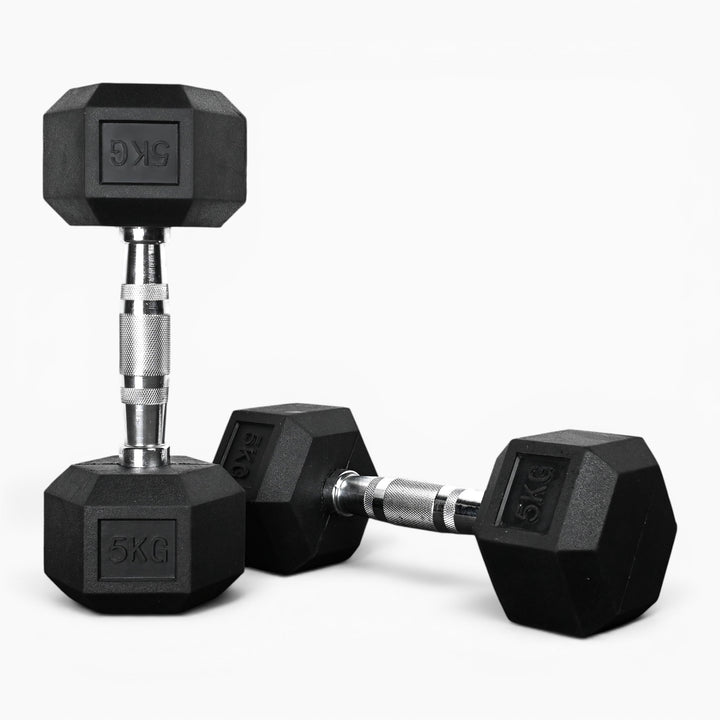
Before we pick a winner, we need to understand what we’re actually holding. Cast iron dumbbells are the old-school classics—solid metal, often coated in a thin layer of black paint or enamel. They are the "no-nonsense" choice of the lifting world. They’ve been the standard in spit-and-sawdust gyms for decades because they are virtually indestructible.
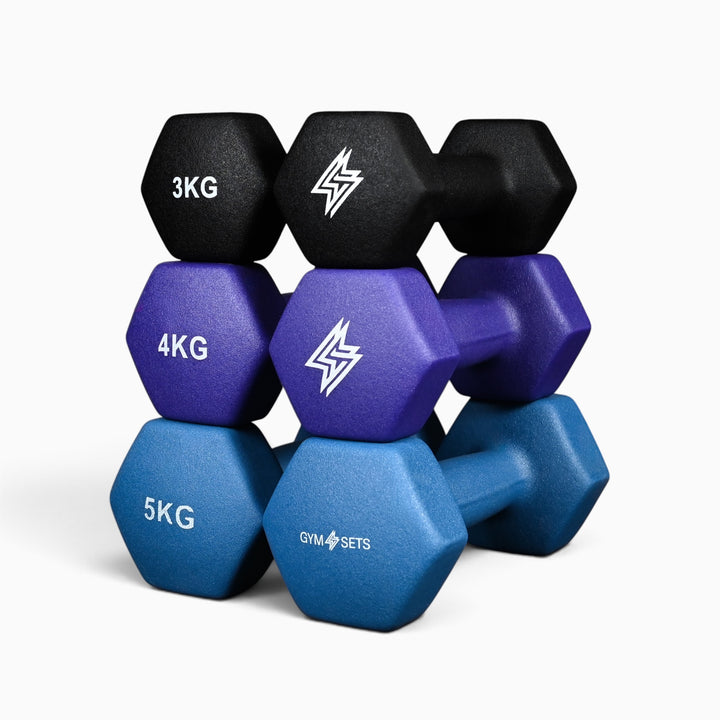
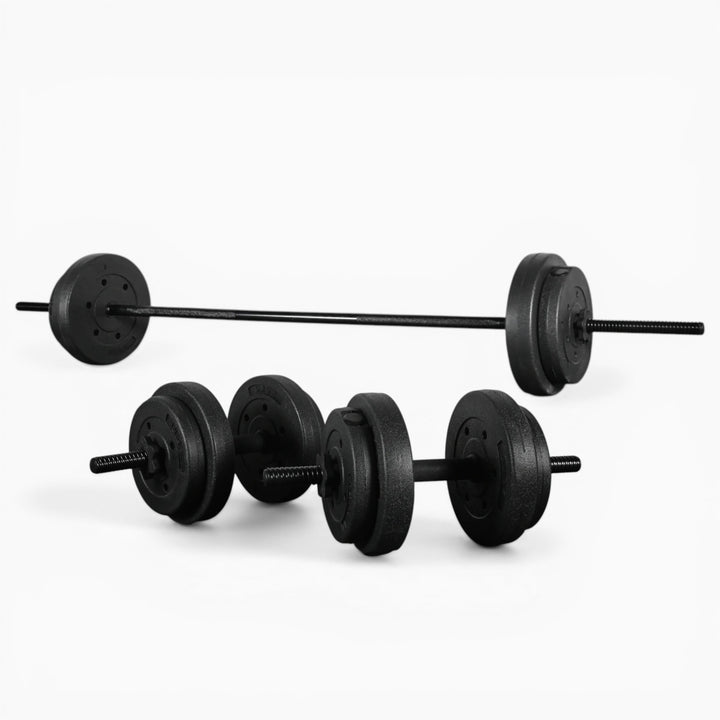
On the other side, we have vinyl dumbbells. These are typically made of a solid metal core (often iron or sand-filled cement) encased in a smooth, plastic-like vinyl coating. They are colourful, tactile, and designed with the modern home environment in mind. While they might look "friendlier," they pack a punch in terms of functionality. Understanding these fundamental differences is the first step in deciding which style aligns with your specific fitness goals.
Durability and Longevity: The Test of Time
When you invest in fitness gear, you want it to last a lifetime. In the battle of cast iron vs. vinyl dumbbells, iron generally takes the crown for pure toughness. A solid cast iron weight is nearly impossible to break. You can drop it, clank it, and toss it around for twenty years, and it will still weigh exactly what it says on the side. The worst-case scenario is usually a bit of chipped paint or some surface rust if kept in a damp shed.
Vinyl, while durable, has a shorter shelf life under heavy use. The outer coating can eventually split, peel, or become sticky if exposed to direct sunlight or extreme temperatures. If you’re a "buy it once, buy it right" type of person, iron is the traditional choice. However, for a standard indoor home workout, vinyl holds up perfectly well for years.
Grip and Ergonomics: Holding On Tight
The way a weight feels in your hand changes how you train. Cast iron dumbbells often feature knurling—that cross-hatched pattern etched into the metal. This provides a superior grip, especially when your hands get sweaty during a high-intensity set. It feels professional and secure, though it can be a bit abrasive on "soft" hands until you develop some lifting calluses.
Vinyl dumbbells offer a different experience. The coating is smooth and slightly soft to the touch. This makes them incredibly comfortable for high-repetition work, such as aerobic weight classes or lateral raises. However, the downside is that once you start sweating, vinyl can become a little slippery. Without the textured grip of iron, you might find yourself reaching for a towel more often to maintain a safe hold during heavy presses.
Protect Your Floors (and Your Security Deposit)
Let’s talk about the dreaded "clunk." If you live in an upstairs flat or have expensive laminate flooring, floor protection is a massive factor. Vinyl dumbbells are the clear winners here. The thick coating acts as a built-in shock absorber. If you set them down a little too quickly, the vinyl buffers the impact, protecting your floor from dents and scratches while keeping the noise to a minimum.
Cast iron is less forgiving. Dropping a 10kg iron weight on a hardwood floor is a recipe for a DIY disaster. They are loud, they vibrate through the floorboards, and they require a dedicated gym mat or rubber flooring to be used safely. If your workout space is multi-purpose—like a living room or bedroom—the floor-friendly nature of vinyl makes it a much more practical "roommate."
Comparison Table: At a Glance
To help you visualise the trade-offs, here is a quick breakdown of how these two materials stack up against each other across key categories:
| Feature | Cast Iron Dumbbells | Vinyl Dumbbells |
| Durability | Extremely High (Lifetime) | Moderate (Coating may peel) |
| Grip Type | Knurled Metal (High Friction) | Smooth Vinyl (Soft Touch) |
| Floor Protection | Low (Needs Mats) | High (Protective Shell) |
| Noise Level | Loud (Clanking) | Quiet (Muffled) |
| Size/Bulk | Compact | Bulkier (due to coating) |
| Best For | Heavy Strength Training | Cardio & Toning |
Aesthetic Appeal and Space Management
While it shouldn’t be the only factor, looks do matter. Cast iron dumbbells have a rugged, professional aesthetic. They look like "serious" equipment. Because metal is dense, iron weights are also more compact. A 15kg iron dumbbell is significantly smaller than a 15kg vinyl one. This allows for a greater range of motion during exercises like chest presses, where bulky weights might bump into each other.
Vinyl dumbbells are often colour-coded by weight, which is incredibly handy for quick transitions during circuit training. You don't have to squint at the numbers; you just grab the "blue ones" and go. However, because the vinyl coating adds thickness, and the internal core is sometimes less dense, they can feel quite chunky as you move into higher weight increments, which might interfere with some technical movements.
The Noise Factor: Peace and Quiet
If you train while the rest of the house is sleeping, the sound of your equipment is a dealbreaker. Cast iron weights have a distinct "clink" when they touch. While some lifters love that sound (it’s the soundtrack of the "iron temple"), your neighbours or sleeping children might not agree. The metal-on-metal contact is sharp and carries through walls easily.
Vinyl dumbbells are effectively silenced. The coating dampens the sound of them touching or hitting the floor. This makes them the "ninja" choice for home workouts. You can flow through a complex circuit without sounding like a construction site. If you value a quiet environment or enjoy listening to podcasts without the constant metallic interference, vinyl is the way to go.
Price and Value for Money
In the UK market, the price difference can vary based on the current cost of raw materials. Generally, cast iron is priced by weight. While the initial investment might be slightly higher for premium sets, their longevity means the "cost per year" is incredibly low. They hold their resale value exceptionally well; you can almost always sell used iron weights for a decent price.
Vinyl dumbbells are often cheaper at the lower weight end (1kg to 5kg), making them accessible for beginners. However, as you get into heavier sizes, the price gap narrows. While vinyl is affordable upfront, you might find yourself replacing them if the coating fails, whereas iron is a one-time purchase. For those on a budget, starting with a few key vinyl pairs is a great entry point into fitness.
Who Should Choose Cast Iron?
Cast iron is the soul of strength training. If your primary goal is building significant muscle mass or increasing your powerlifting totals, iron is your best friend. The compact size allows for better form, and the knurled grip ensures you won't lose your hold during a heavy deadlift or row. They are built for the "hardcore" enthusiast who doesn't mind a little noise and has a dedicated space with rubber matting.
Best for:
-
Bodybuilders and powerlifters.
-
Garage gym owners.
-
Those who prefer a traditional, rugged feel.
-
Lifters moving beyond 20kg per hand.
Who Should Choose Vinyl?
Vinyl dumbbells are the kings of versatility and convenience. If you are focused on HIIT, aerobic classes, physiotherapy, or general toning, vinyl is the superior choice. They are easy to clean (just wipe them down), kind to your furniture, and come in bright colours that can make a home workout feel a bit more inviting and less like a chore.
Best for:
-
Home HIIT and cardio-sculpting workouts.
-
Beginners and those focused on high reps.
-
People training in shared living spaces.
-
Workouts involving a lot of floor contact.
Maintenance and Hygiene
Hygiene is often overlooked in home gyms. Cast iron is porous and can trap sweat and skin cells in the knurling. If they aren't wiped down, they can develop a "gym smell" or start to rust in humid environments. You’ll occasionally need a stiff brush to clean out the grooves and perhaps a fresh coat of metal paint every few years to keep them looking sharp.
Vinyl is non-porous and incredibly easy to maintain. A quick wipe with a damp cloth and some mild detergent is all it takes to keep them hygienic. They don’t rust, and they don't hold onto odours. For anyone who shares their equipment with family members, the ease of sanitising vinyl is a major "pro" in the pros and cons list.
The Verdict: Cast Iron vs. Vinyl Dumbbells – Which Is Better?
So, back to the big question: Cast iron vs. vinyl dumbbells - which is better? The truth is, neither is objectively "better" across the board; it entirely depends on your lifestyle. If you want a tool that will outlive you and handle the heaviest loads possible, Cast Iron is the winner. It is the gold standard for pure strength.
However, for the average person looking to stay fit, burn calories, and protect their home, Vinyl is often the more practical winner. It balances comfort, aesthetics, and floor safety in a way that iron simply can't. Most home lifters actually benefit from a "hybrid" approach—using vinyl for lighter, high-rep movements and switching to iron as they progress into heavier, more technical lifts.
Summary Checklist for Your Purchase
Before you click "add to basket," run through this quick checklist to ensure you’re making the right investment for your specific needs:
-
Space: Do you have rubber flooring? (Yes = Iron, No = Vinyl)
-
Goals: Are you lifting for size or for sweat? (Size = Iron, Sweat = Vinyl)
-
Storage: Will they be on display? (Vinyl looks tidier in living rooms)
-
Grip: Do your hands sweat a lot? (Yes = Iron for the knurling)
-
Budget: Are you looking for a lifetime investment? (Yes = Iron)
Regardless of which path you choose, the most important thing is that you use them. Whether it’s the clank of iron or the soft thud of vinyl, getting those reps in is what truly counts. Happy lifting!


