




A great full body workout trains your main muscle groups in one session: legs, chest, back, shoulders, arms, and core. Instead of splitting your week into separate “chest day” or “leg day” sessions, full body training gives you a balanced, efficient way to build strength, improve fitness, and support muscle growth.
So, what is the best full body workout? For most people, the best option is a routine built around compound movements like squats, presses, rows, hinges, and core exercises. These moves give you the most return for your time because they work several muscles at once.
Below, you’ll find a practical, beginner-friendly full body workout, plus tips on sets, reps, rest, progression, and how often to train.
What Makes A Full Body Workout Effective?
The best full body workout is not about doing every exercise possible. It is about choosing movements that cover the key movement patterns your body uses every day. These include squatting, hinging, pushing, pulling, carrying, and bracing your core.
A well-designed session should feel challenging but manageable. You want to finish feeling like you have worked hard, not completely destroyed yourself. That matters because consistency is what drives long-term progress.
An effective full body workout should include:
- A lower-body squat movement
- A hip hinge movement
- An upper-body push
- An upper-body pull
- A core exercise
- Optional arm or conditioning work
This structure helps you build strength evenly, reduce training gaps, and avoid overcomplicating your routine.
The Best Full Body Workout At A Glance
Here is a simple full body workout that suits beginners, returners, and intermediate gym-goers. You can do this workout two to four times per week, depending on your experience, recovery, and goals.
| Exercise | Sets | Reps | Main Muscles Worked |
|---|---|---|---|
| Squat variation | 3 | 8–12 | Quads, glutes, core |
| Romanian deadlift | 3 | 8–10 | Hamstrings, glutes, lower back |
| Chest press | 3 | 8–12 | Chest, shoulders, triceps |
| Seated row | 3 | 10–12 | Back, biceps, rear shoulders |
| Shoulder press | 2–3 | 8–12 | Shoulders, triceps |
| Plank | 3 | 30–60 seconds | Core, abs, trunk |
| Farmer’s carry | 2–3 | 20–40 metres | Grip, core, traps, legs |
This routine is balanced, simple, and easy to progress.
Why Compound Exercises Work Best
Compound exercises are movements that use more than one joint and muscle group at the same time. Squats, rows, presses, and deadlift variations are all compound exercises. They are the foundation of the best full body workout because they help you train more muscle in less time.
For example, a squat works your legs and core, while a row trains your back, arms, and posture muscles. This makes compound exercises especially useful if you only have three sessions per week.
They also support real-world strength. Carrying shopping, climbing stairs, lifting boxes, and playing sport all require your muscles to work together. That is exactly what compound movements teach your body to do.
You can still add isolation exercises, but they should support the workout rather than take it over.
How To Warm Up Before A Full Body Workout
A good warm-up helps you move better, lift safely, and get more from your session. It does not need to be long or complicated. Around 8–10 minutes is enough for most people.
Start with light cardio to raise your body temperature. Then move into dynamic mobility exercises that prepare your joints and muscles for the main workout.
Try this simple warm-up:
- 3–5 minutes brisk walking, cycling, or rowing
- 10 bodyweight squats
- 10 hip hinges
- 10 arm circles each way
- 10 walking lunges
- 1 light set of your first two exercises
The goal is to feel ready, mobile, and focused. Avoid static stretching before lifting heavy, as it can make some people feel less powerful.
The Best Full Body Workout For Beginners
If you are new to training, your best full body workout should focus on learning good technique. You do not need heavy weights straight away. In fact, starting too heavy can slow your progress and increase injury risk.
A beginner-friendly session might look like this:
| Exercise | Sets | Reps |
|---|---|---|
| Goblet squat | 2–3 | 10–12 |
| Dumbbell Romanian deadlift | 2–3 | 10 |
| Machine chest press | 2–3 | 10–12 |
| Lat pulldown | 2–3 | 10–12 |
| Dumbbell shoulder press | 2 | 10 |
| Dead bug | 2–3 | 8–10 each side |
Rest for 60–90 seconds between sets. Keep the movement controlled and stop each set with one or two reps left in reserve.
The Best Full Body Workout For Muscle Growth
To build muscle, you need enough training volume, progressive overload, and good recovery. That means lifting a challenging weight, doing enough weekly sets, and gradually making the workout harder over time.
For muscle growth, aim for 8–12 reps on most exercises. This rep range is practical, joint-friendly, and effective for building size. You can also include some higher-rep work for shoulders, arms, and core.
A muscle-building full body workout should include:
- 3–4 working sets for big lifts
- 8–12 reps for most exercises
- 60–120 seconds of rest between sets
- Controlled lowering on each rep
- Progression every one to two weeks
You do not need to change exercises constantly. Repeating the same key lifts helps you track progress more easily.
The Best Full Body Workout For Fat Loss
For fat loss, the best full body workout is one you can repeat consistently while supporting a calorie deficit. Training helps you build or maintain muscle, but nutrition, daily movement, sleep, and consistency all matter too.
A good fat loss workout should still include strength training. Many people make the mistake of doing only cardio, but resistance training helps preserve lean muscle while body weight drops.
You can make full body training more fat-loss friendly by:
- Keeping rest periods moderate
- Adding carries, sled pushes, or intervals
- Training three times per week
- Walking more outside the gym
- Prioritising protein at meals
The workout itself does not need to be extreme. A sustainable session that you can recover from will usually beat a punishing routine you quit after two weeks.
How Many Times Per Week Should You Do Full Body Workouts?
Most people do well with full body workouts two to four times per week. The right number depends on your fitness level, goals, and how quickly you recover.
| Goal | Weekly Frequency | Best For |
|---|---|---|
| General fitness | 2–3 days | Beginners and busy schedules |
| Muscle growth | 3–4 days | Intermediate lifters |
| Strength | 3 days | Lifters using heavier weights |
| Fat loss | 3 days | Combined with nutrition and daily steps |
| Maintenance | 2 days | Keeping strength and fitness |
For many people, three full body sessions per week is the sweet spot. It gives you enough training stimulus while still leaving time to recover.
How To Progress Your Full Body Workout
Progression is what turns a decent workout into a long-term plan. If you always lift the same weight for the same reps, your body eventually adapts. To keep improving, you need to gradually increase the challenge.
The simplest method is double progression. Choose a rep range, such as 8–12 reps. When you can complete all sets at the top of the range with good form, increase the weight slightly next time.
For example:
| Week | Weight | Reps |
|---|---|---|
| Week 1 | 20 kg | 10, 9, 8 |
| Week 2 | 20 kg | 11, 10, 9 |
| Week 3 | 20 kg | 12, 12, 11 |
| Week 4 | 22.5 kg | 9, 8, 8 |
Small improvements add up quickly.
Common Full Body Workout Mistakes
Full body training is simple, but it is still easy to get wrong. One common mistake is doing too many exercises in one session. More does not always mean better, especially if your energy and technique drop halfway through.
Another mistake is skipping pulling exercises. Many people focus on chest and shoulders while neglecting the back. Over time, this can affect posture, shoulder health, and overall balance.
Avoid these common errors:
- Training to failure on every set
- Changing workouts every week
- Ignoring warm-ups
- Doing too much arm work before big lifts
- Skipping rest days
- Using poor form to lift heavier
A good full body workout should feel structured, repeatable, and balanced.
Full Body Workout Example: 3-Day Weekly Plan
A three-day plan is one of the best ways to use full body training. It gives you regular practice with the main lifts while allowing recovery between sessions.
| Day | Focus | Example Exercises |
|---|---|---|
| Monday | Strength base | Squat, row, chest press, plank |
| Wednesday | Posterior chain | Romanian deadlift, shoulder press, pulldown, carry |
| Friday | Balanced full body | Leg press, dumbbell press, cable row, core work |
You can repeat the same workout three times per week, or use small variations across the week. Both methods work. Beginners often do better with repetition, while intermediate lifters may enjoy more variety.
Leave at least one rest day between sessions where possible.
What Equipment Do You Need?

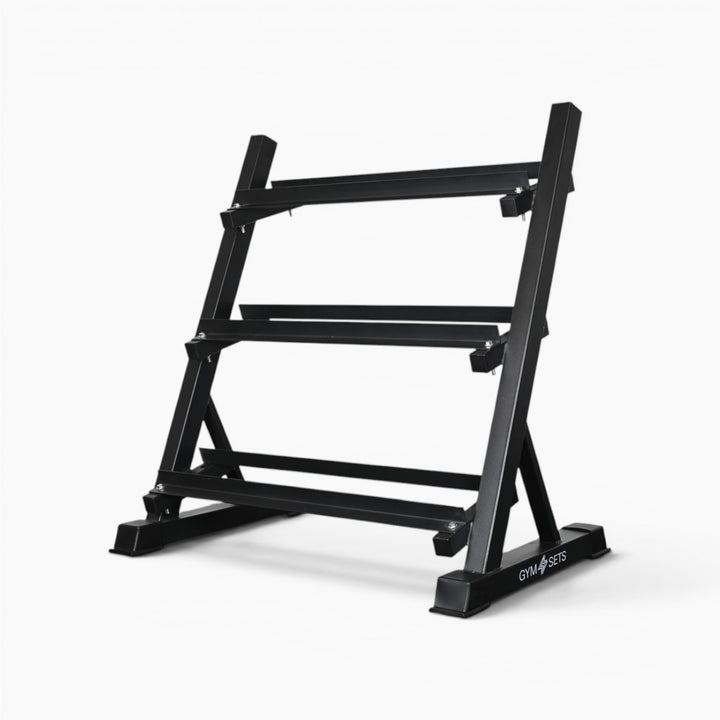
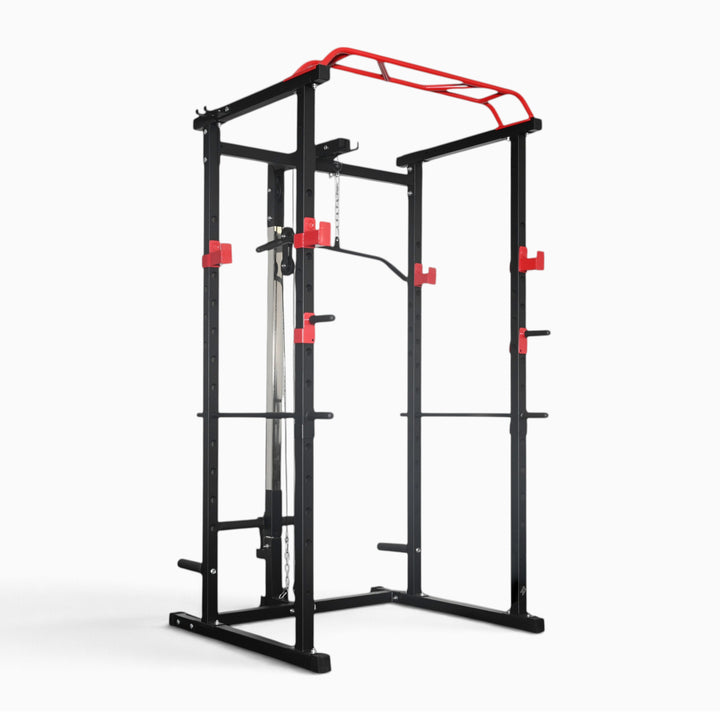
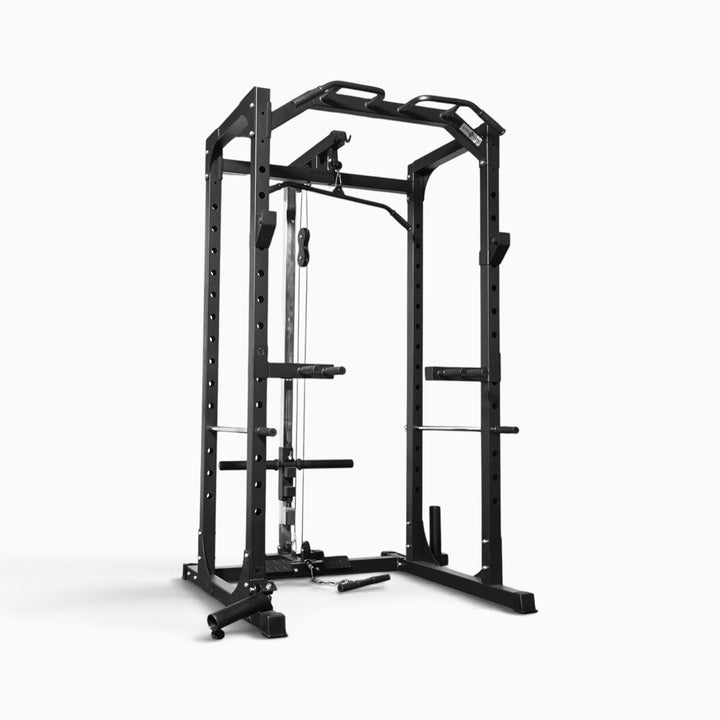
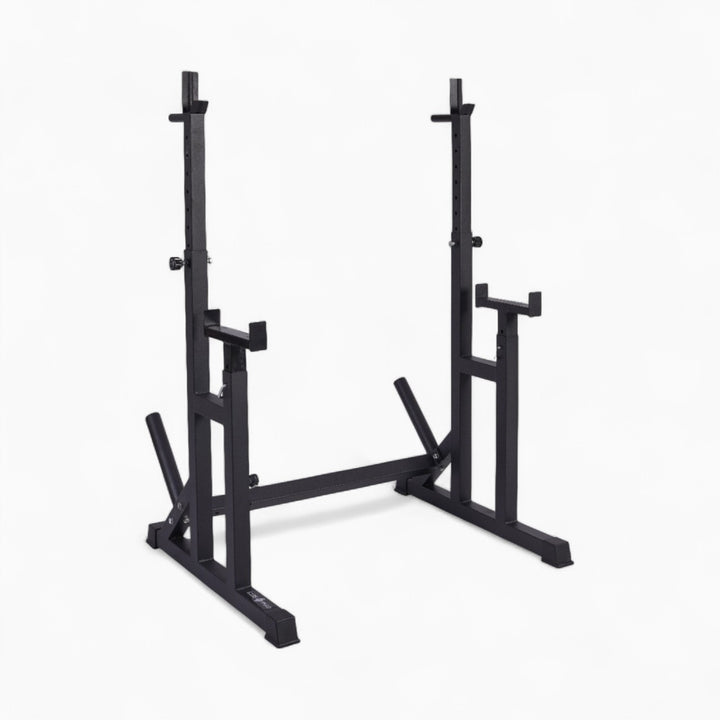
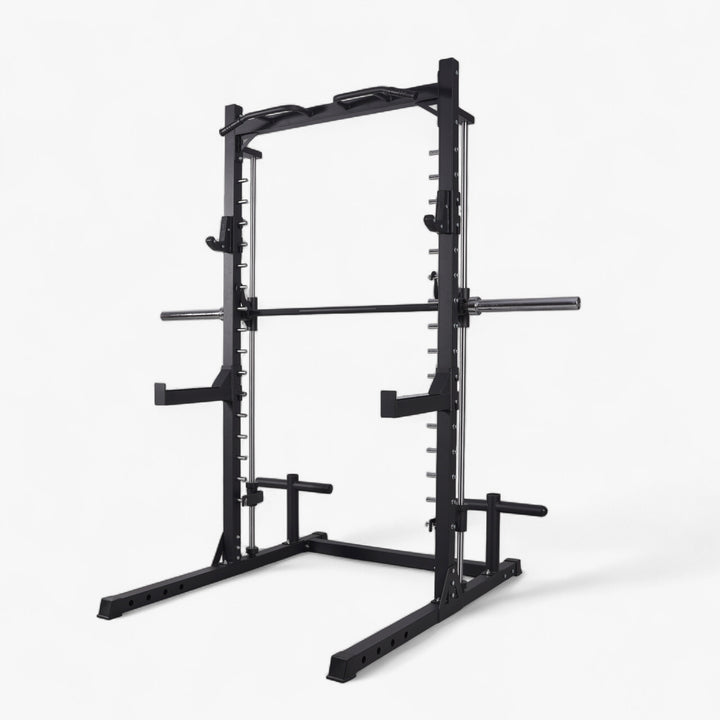
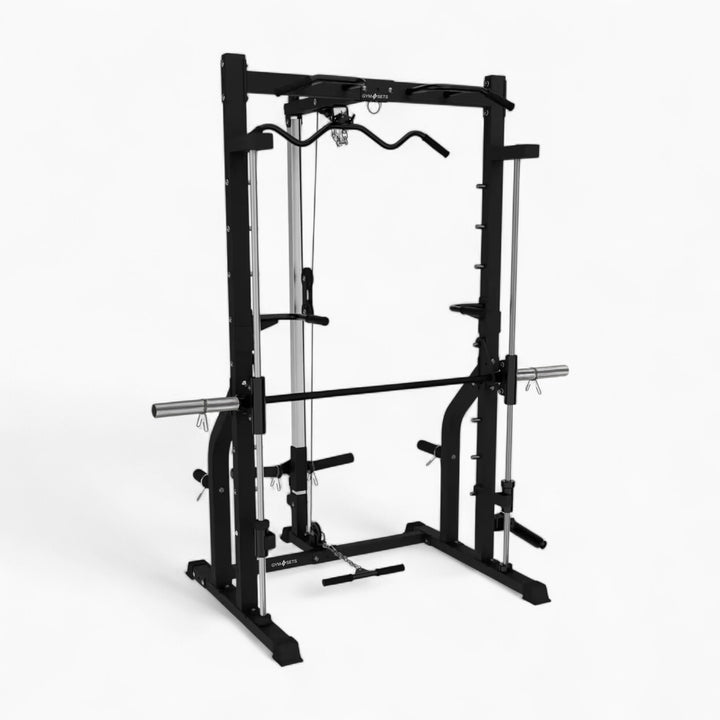
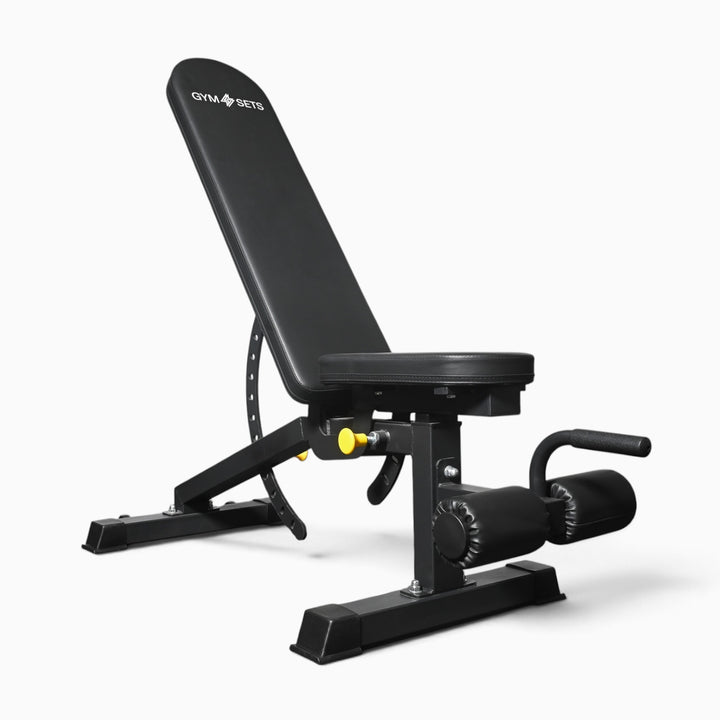
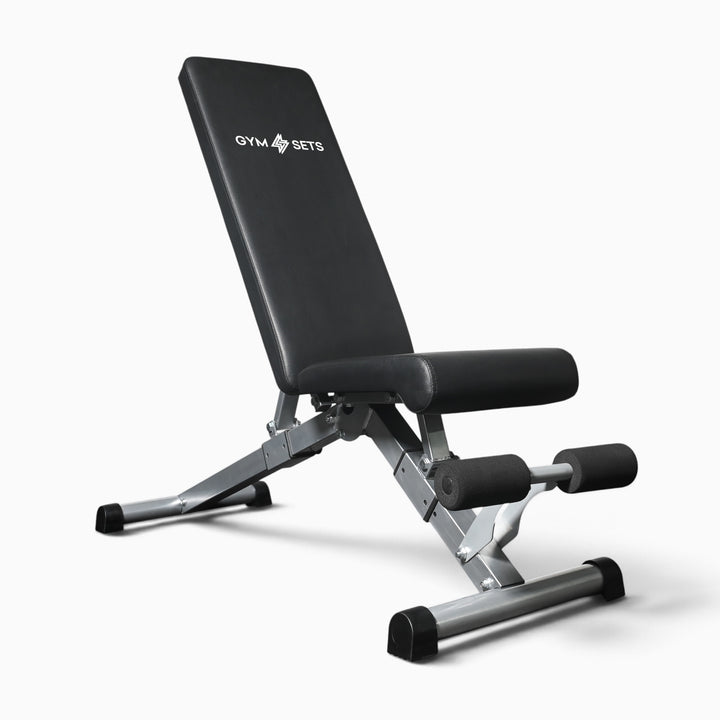
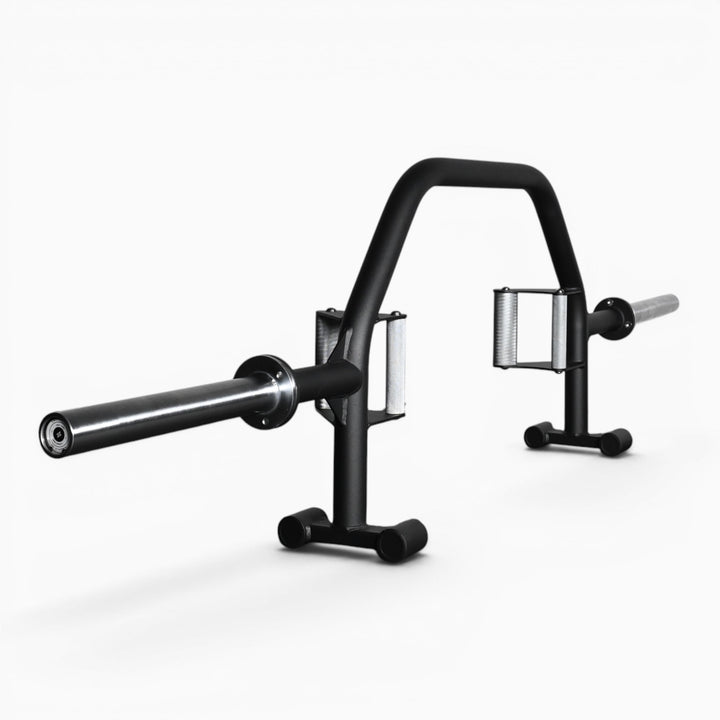
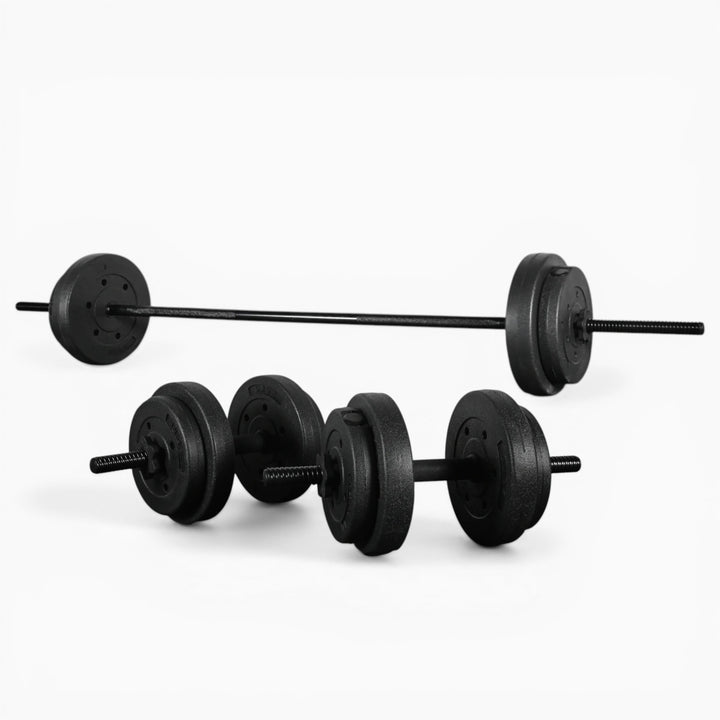
You can do a full body workout with gym machines, dumbbells, barbells, resistance bands, or just your body weight. The best equipment is the equipment you can use safely and consistently.
For beginners, machines and dumbbells are often easier to control. For more experienced lifters, barbells can be useful for heavier squats, presses, and deadlift variations.
Useful equipment includes:
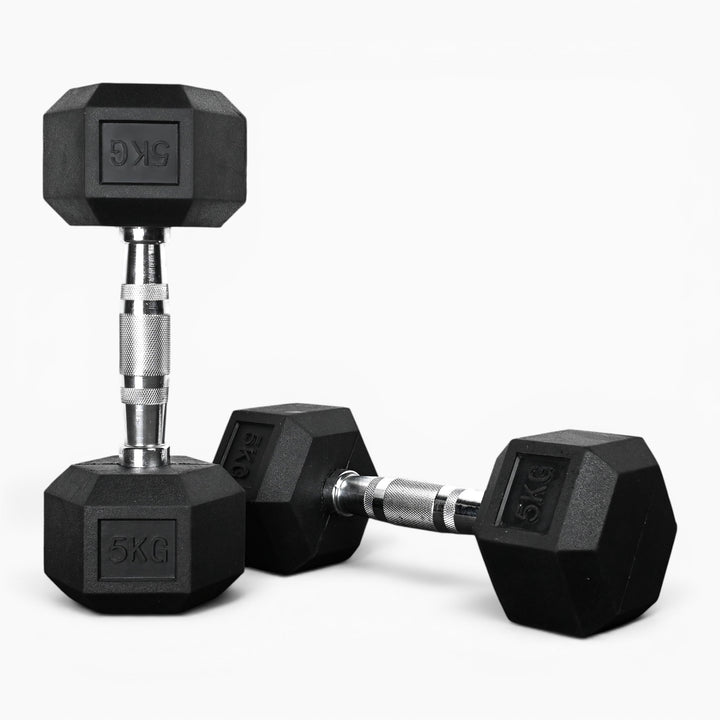
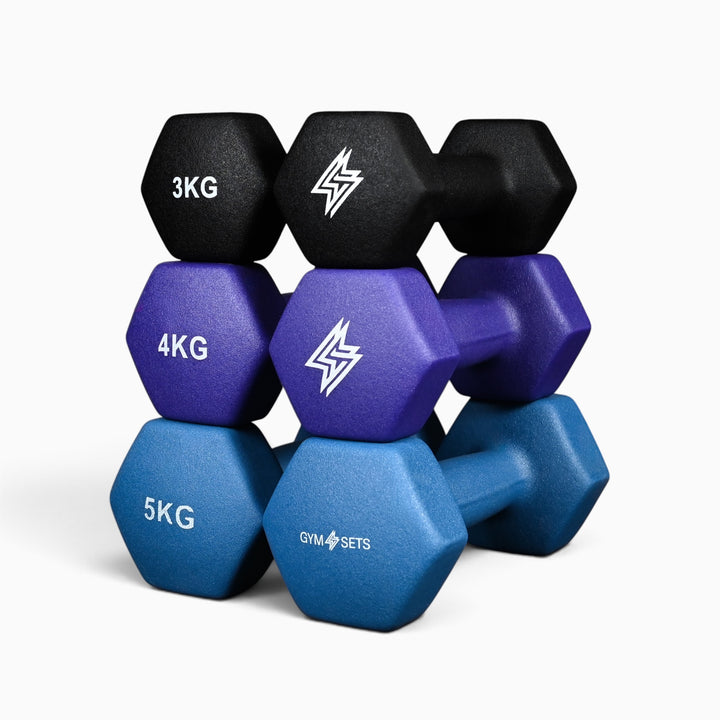
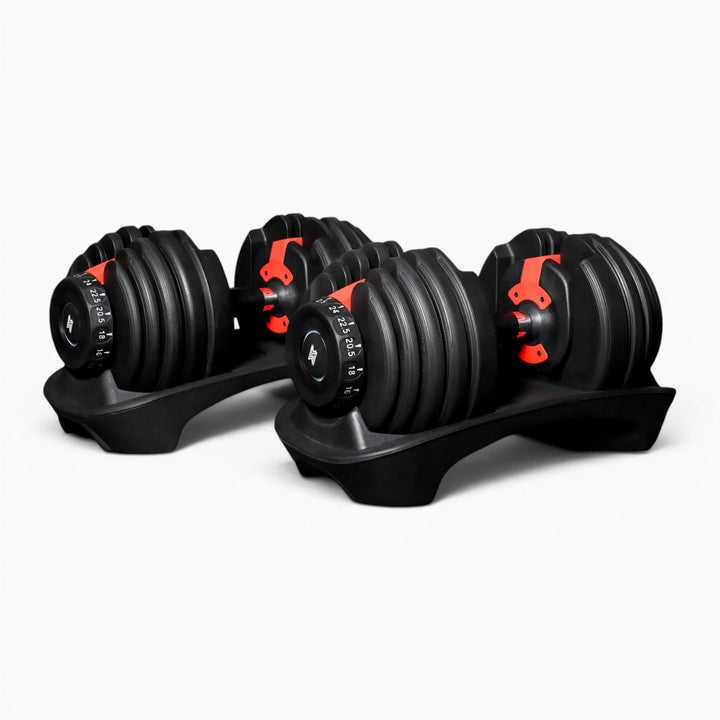
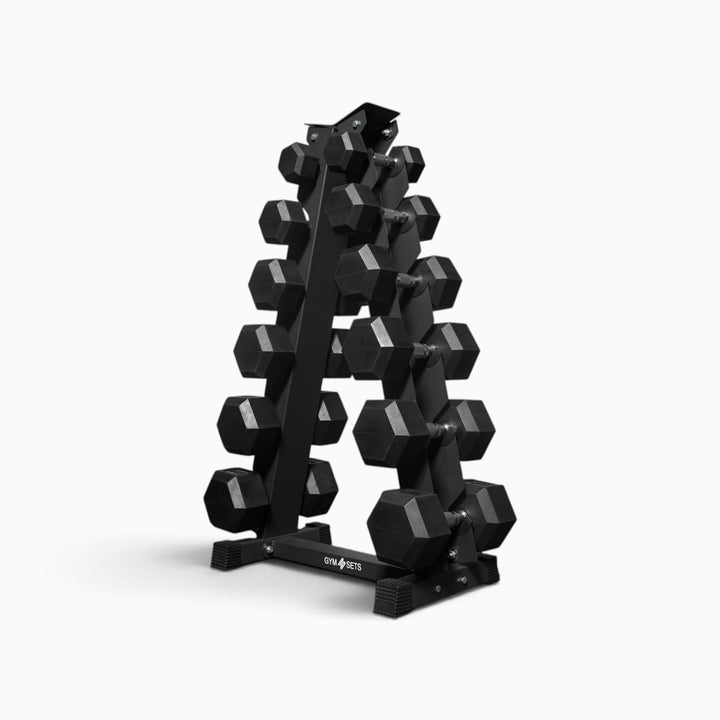
- Dumbbells
- Kettlebells
- Resistance bands
- Cable machines
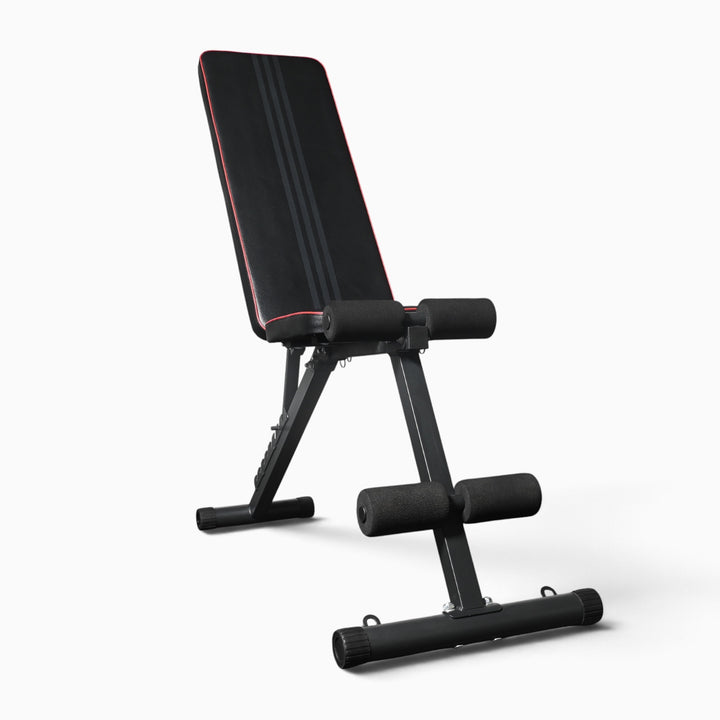
- Adjustable bench
- Barbell and plates
- Pull-up bar
- Exercise mat
You do not need everything at once. A pair of dumbbells, a bench, and a clear plan can be enough to get started.
Full Body Workout FAQs
What is the best full body workout?
The best full body workout is a balanced routine that includes a squat, hip hinge, push, pull, and core exercise. A strong example is squats, Romanian deadlifts, chest press, seated rows, shoulder press, planks, and farmer’s carries.
Is a full body workout good for beginners?
Yes, full body workouts are excellent for beginners because they help you practise key movements regularly. They also avoid overly complicated training splits and make it easier to build a consistent weekly routine.
Can I do a full body workout every day?
Most people should not do hard full body workouts every day. Your muscles need time to recover and adapt. Two to four sessions per week is usually a better choice.
Are full body workouts good for building muscle?
Yes, full body workouts can build muscle very effectively. The key is using progressive overload, training close enough to failure, eating enough protein, and recovering well between sessions.
How long should a full body workout take?
A good full body workout usually takes 45–75 minutes. Shorter sessions can still work well if you focus on compound exercises and avoid unnecessary distractions.
Final Thoughts: What Is The Best Full Body Workout?
The best full body workout is simple, balanced, and easy to repeat. You do not need a complicated plan or endless exercises. You need the right movement patterns, sensible sets and reps, and a clear way to progress.
Start with a squat, hinge, push, pull, and core movement. Train two to four times per week, focus on good form, and gradually increase the challenge as you get stronger.
For most people, the best full body workout looks like this:
- Squat variation
- Romanian deadlift
- Chest press
- Seated row or pulldown
- Shoulder press
- Core exercise
- Loaded carry or finisher
Stay consistent, keep your technique clean, and your results will build over time.