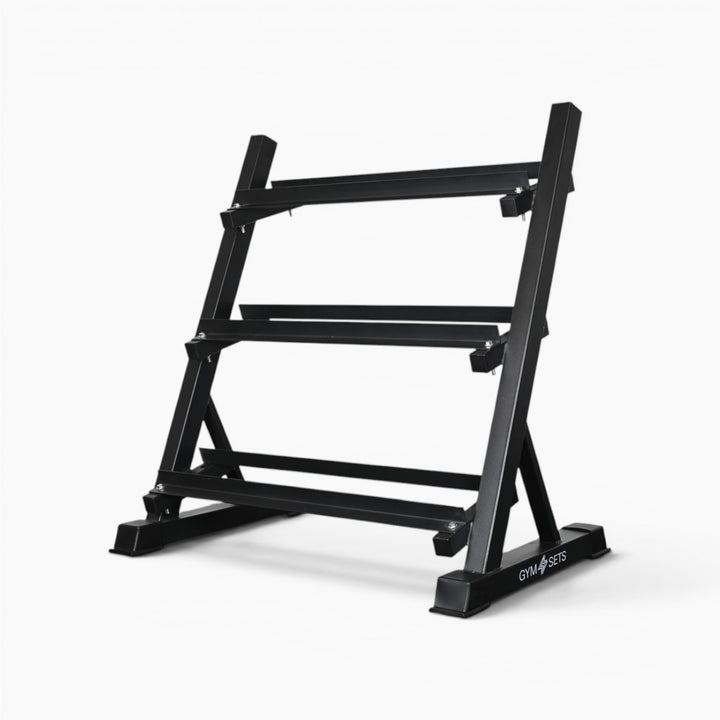
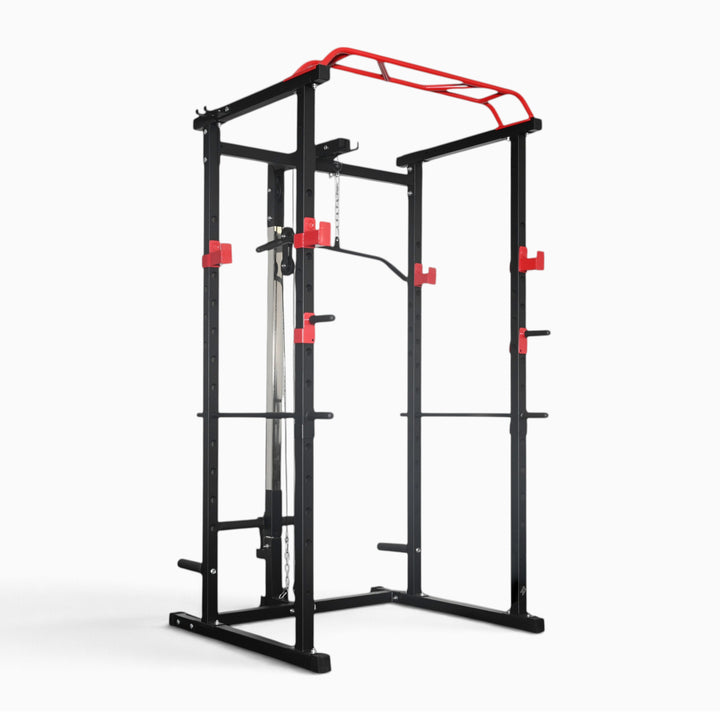
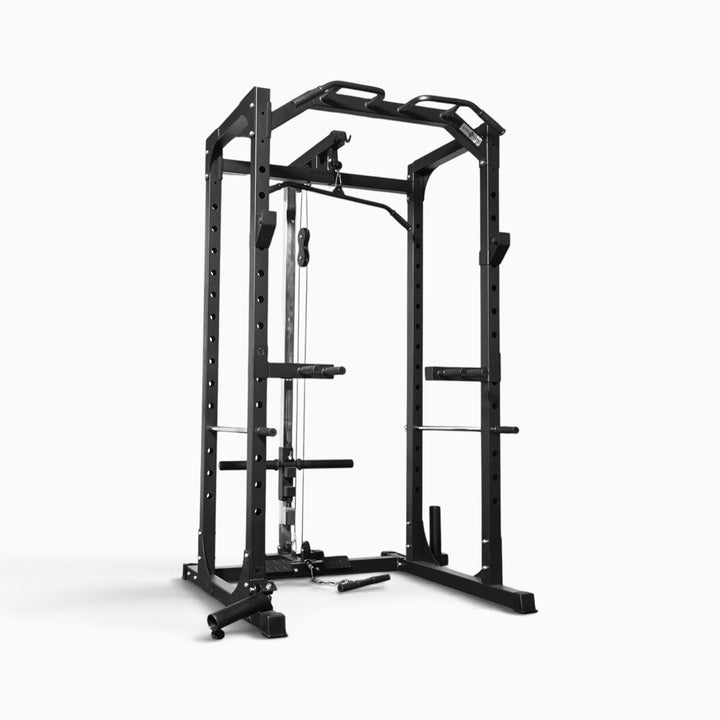
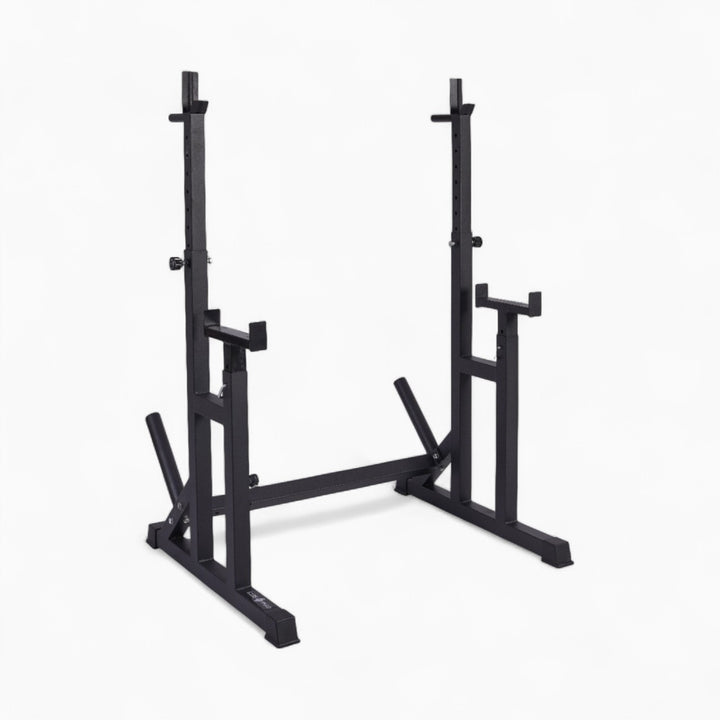
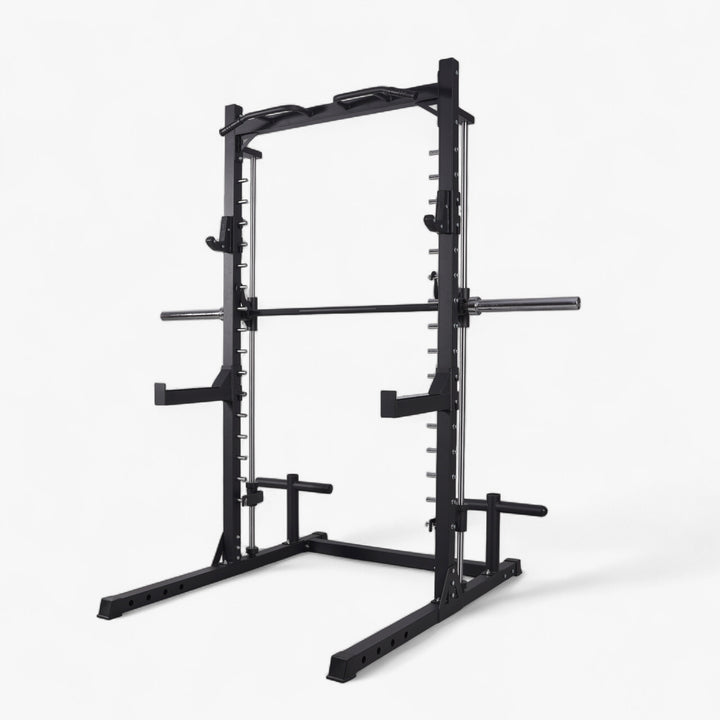
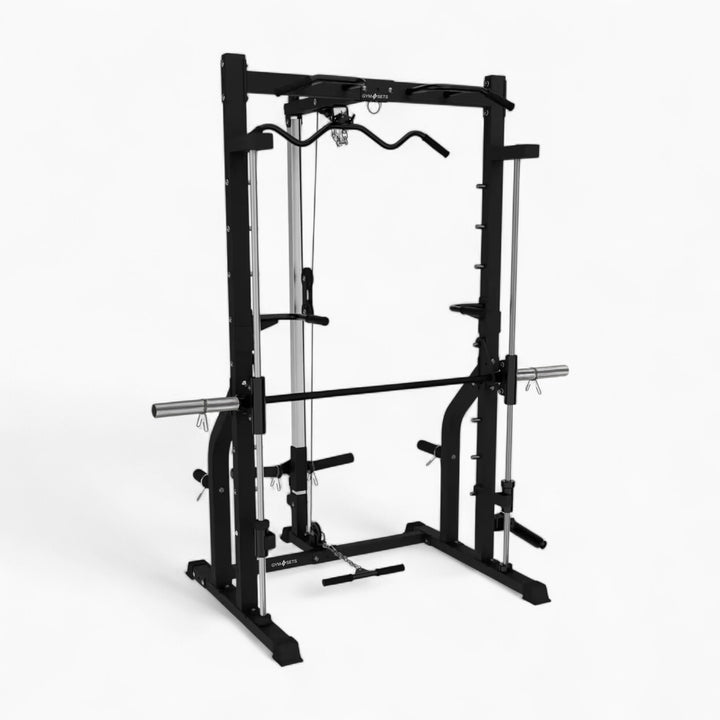
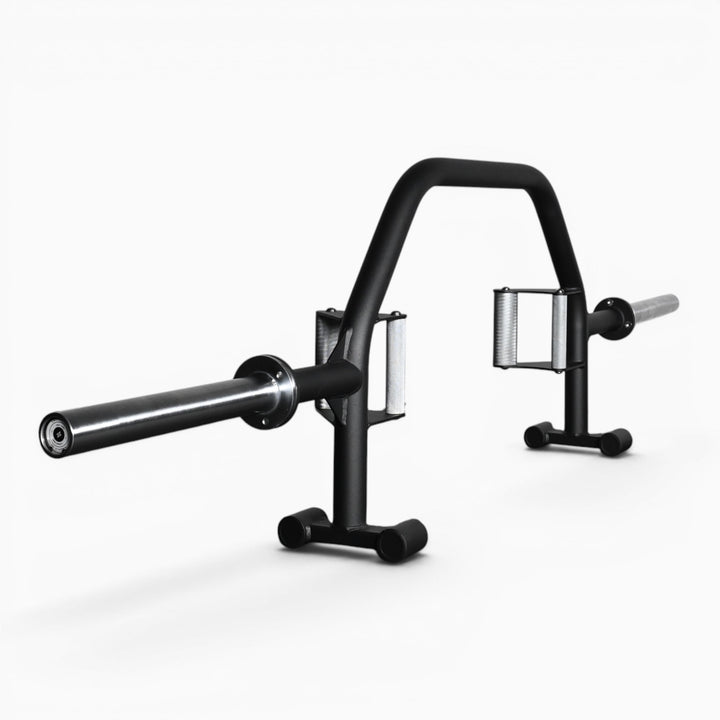


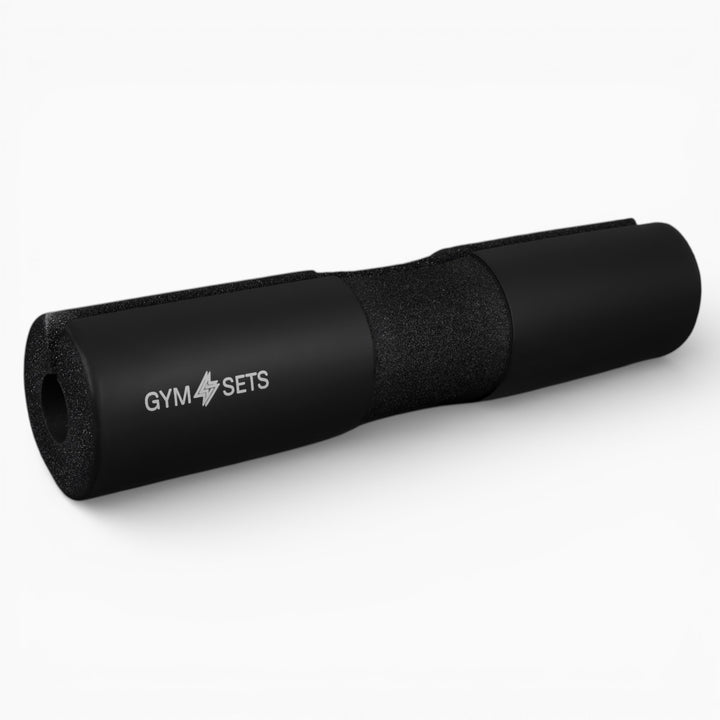
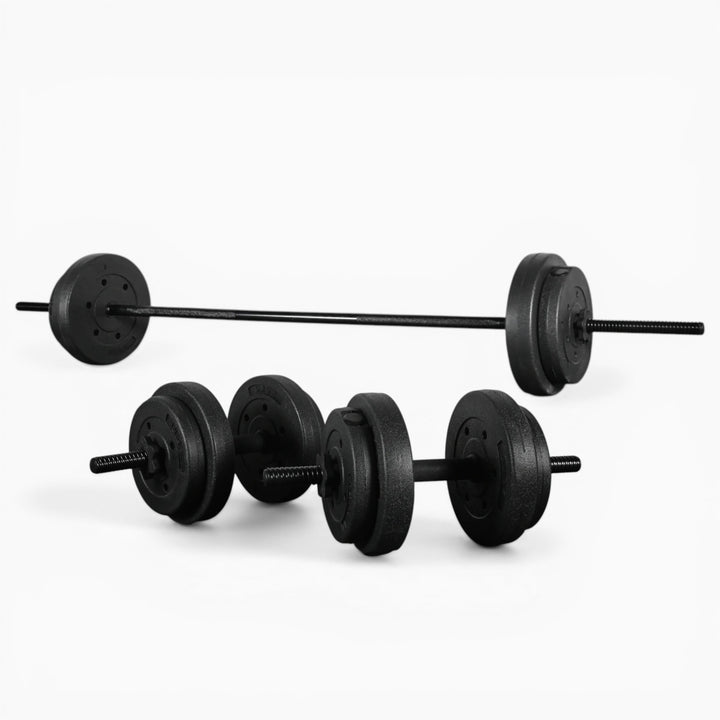


Building a home gym does not mean filling a spare room with bulky machines or spending a fortune. The best home exercise equipment is practical, space-friendly, easy to use, and suitable for your fitness goals. Whether you want to lose weight, build muscle, improve mobility, or simply move more during the week, the right kit can make exercise feel much easier to stick with.
The key is choosing equipment you will actually use. A few versatile pieces can support full-body workouts, cardio sessions, strength training, recovery, and stretching. In this guide, we will walk through the best home exercise equipments to own, what each one is useful for, and how to choose the right setup for your space, budget, and routine.
Why Invest In Home Exercise Equipment?
Home exercise equipment gives you flexibility. You can train before work, during lunch, after the school run, or whenever you have a spare 20 minutes. You do not need to travel, wait for machines, or plan your day around gym opening hours.
It can also make fitness feel less intimidating. Training at home lets you move at your own pace, wear what you like, and build confidence without feeling watched. For many people, this makes consistency much easier.
Good home fitness equipment can help with:
- Strength training
- Weight loss
- Cardio fitness
- Flexibility and mobility
- Muscle toning
- Rehabilitation and recovery
- General health and wellbeing
The best part is that you do not need everything at once. Start with a few essentials, then add more as your goals become clearer.
Best Home Exercise Equipment At A Glance
Here is a quick overview of the most useful home exercise equipment for different goals. This table can help you decide what deserves a place in your home workout setup.
| Equipment | Best For | Space Needed | Beginner Friendly? |
|---|---|---|---|
| Dumbbells | Strength and toning | Low | Yes |
| Resistance bands | Strength, mobility, rehab | Very low | Yes |
| Exercise mat | Floor workouts and stretching | Low | Yes |
| Kettlebell | Strength and cardio | Low | Moderate |
| Skipping rope | Cardio and fat loss | Medium | Yes |
| Pull-up bar | Upper body strength | Low | Moderate |
| Adjustable bench | Strength training | Medium | Yes |
| Exercise bike | Low-impact cardio | Medium | Yes |
| Treadmill | Walking and running | High | Yes |
| Foam roller | Recovery and mobility | Low | Yes |
1. Dumbbells
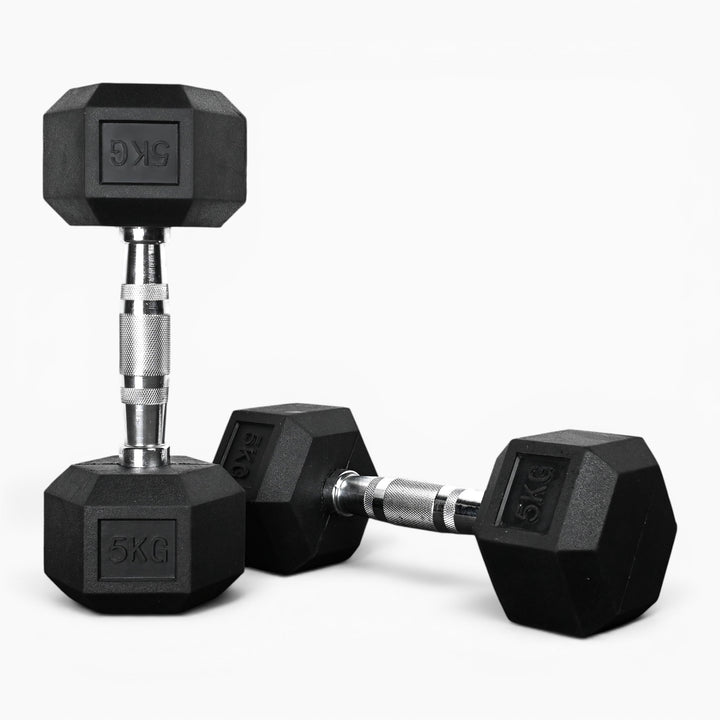
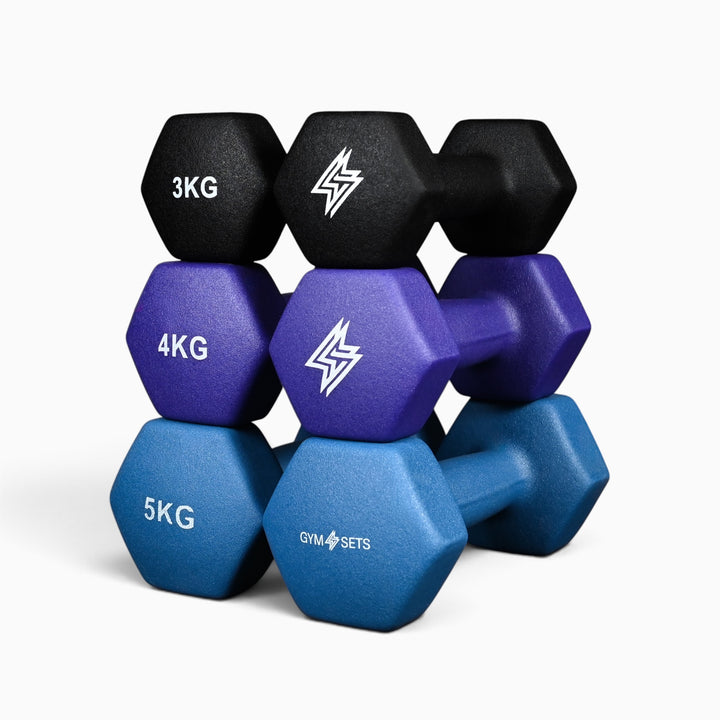
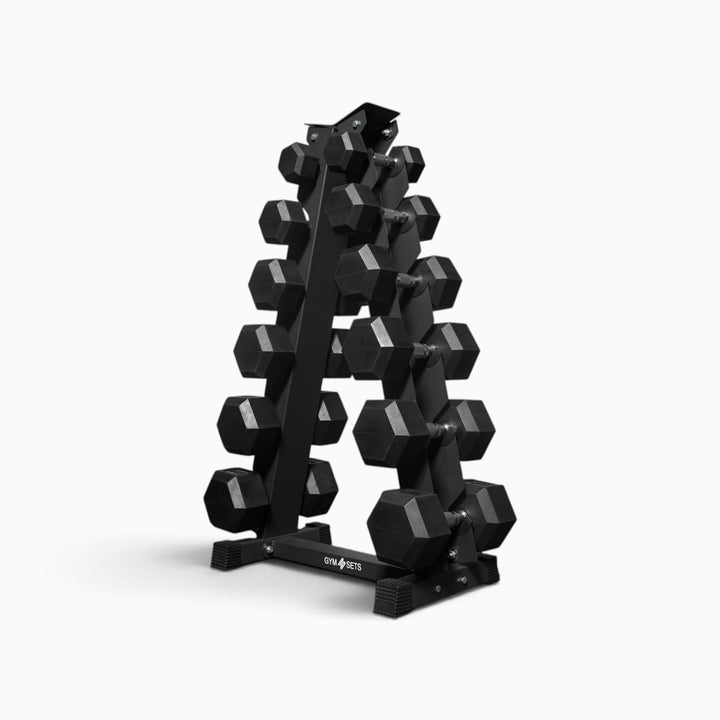
Dumbbells are one of the best pieces of home exercise equipment to own because they are simple, effective, and incredibly versatile. You can use them for upper body, lower body, and full-body workouts without needing a large space.
They are ideal for exercises such as squats, lunges, shoulder presses, chest presses, rows, bicep curls, and deadlifts. If you want to build muscle or improve strength at home, dumbbells are a brilliant starting point.
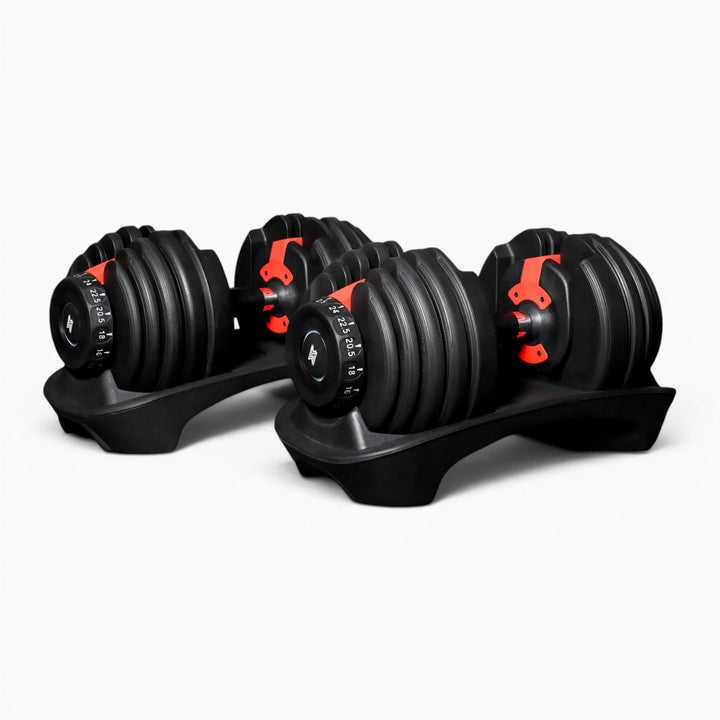
Adjustable dumbbells are especially useful because they let you change the weight without needing several pairs. Fixed dumbbells, however, can feel sturdier and are often quicker to use during fast-paced workouts.
Best for:
- Building strength
- Toning muscles
- Full-body workouts
- Progressive training
- Small home gyms
2. Resistance Bands
Resistance bands are affordable, lightweight, and easy to store, making them perfect for home workouts. They may look simple, but they can make exercises surprisingly challenging. They are also great for beginners because the resistance can be controlled easily.
You can use resistance bands for glute bridges, squats, rows, chest presses, lateral walks, shoulder exercises, and assisted stretching. They are also commonly used for warm-ups and mobility work.
One of their biggest advantages is portability. You can keep them in a drawer, take them on holiday, or use them in small spaces where larger equipment would not fit.
Different band strengths allow you to progress over time, so they are useful whether you are just starting out or already training regularly.
Best for:
- Beginners
- Glute and leg workouts
- Mobility training
- Travel workouts
- Low-cost home fitness
3. Exercise Mat
An exercise mat is a home workout essential. It gives you a comfortable, stable surface for floor-based exercises, stretching, yoga, Pilates, core training, and cool-downs. Without one, hard flooring can make workouts uncomfortable and even discourage you from exercising.
A good mat should provide enough cushioning for your knees, wrists, elbows, and back. It should also have enough grip to stop you sliding during planks, lunges, mountain climbers, or yoga poses.
Exercise mats are particularly useful because they help create a dedicated workout area. Even if you are exercising in your living room, rolling out your mat can put you in the right mindset.
Best for:
- Core workouts
- Stretching
- Yoga and Pilates
- Bodyweight training
- Warm-ups and cool-downs
4. Kettlebell
A kettlebell is a compact but powerful piece of home exercise equipment. It is excellent for strength, conditioning, balance, and explosive movement. Unlike traditional weights, kettlebells are especially useful for dynamic exercises that get your heart rate up.
Popular kettlebell exercises include swings, goblet squats, deadlifts, cleans, presses, rows, and carries. These movements can work multiple muscle groups at once, making kettlebells ideal for efficient home workouts.
If you are new to kettlebells, start with a manageable weight and focus on technique. Kettlebell swings, in particular, require good form to protect your back and hips.
A single kettlebell can support a wide range of workouts, which makes it a strong choice for anyone with limited space.
Best for:
- Full-body workouts
- Strength and cardio combined
- Fat-burning circuits
- Functional fitness
- Compact home gyms
5. Skipping Rope
A skipping rope is one of the most underrated home cardio tools. It is affordable, easy to store, and excellent for improving fitness quickly. Just a few minutes of skipping can raise your heart rate, challenge your coordination, and burn calories.
It is especially useful if you do not have space for larger cardio machines. You can use it outdoors, in a garage, on a patio, or anywhere with enough ceiling height and floor clearance.
Skipping is also easy to scale. Beginners can start with short intervals, while advanced users can add double-unders, speed rounds, or longer conditioning sessions.
It is worth choosing an adjustable rope that suits your height. This helps improve rhythm and reduces the chances of tripping.
Best for:
- Cardio fitness
- Weight loss
- Coordination
- Quick workouts
- Budget-friendly training
6. Pull-Up Bar
A pull-up bar is a brilliant tool for developing upper body strength. It mainly targets the back, shoulders, arms, and core. While pull-ups can be challenging, there are plenty of ways to make them beginner friendly.
You can use resistance bands for assisted pull-ups, practise dead hangs, perform knee raises, or work on slow negatives. Over time, these movements build grip strength and control.
Doorway pull-up bars are popular for home use because they do not take up much space. However, it is important to check that the bar is secure and suitable for your door frame before using it.
For anyone serious about bodyweight training, a pull-up bar is one of the most valuable additions to a home gym.
Best for:
- Back strength
- Arm and shoulder training
- Core exercises
- Bodyweight workouts
- Grip strength
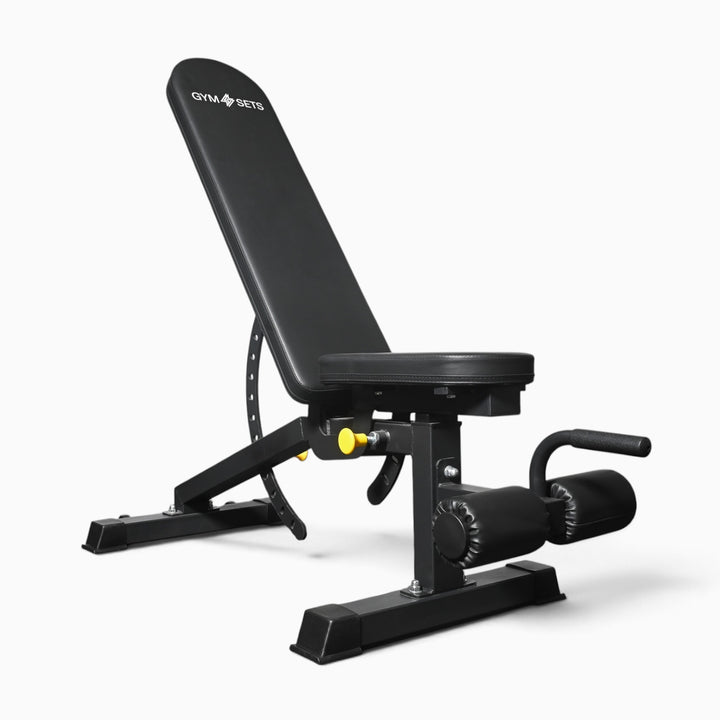
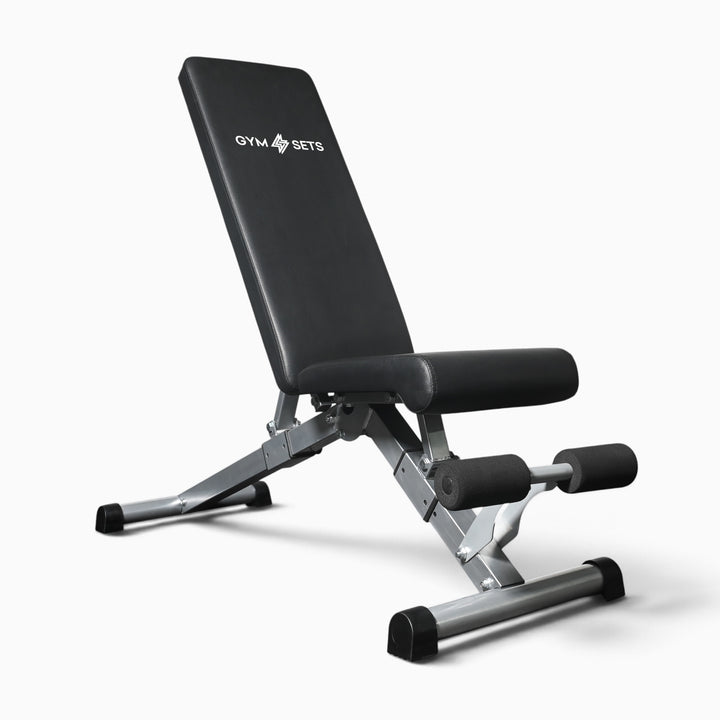
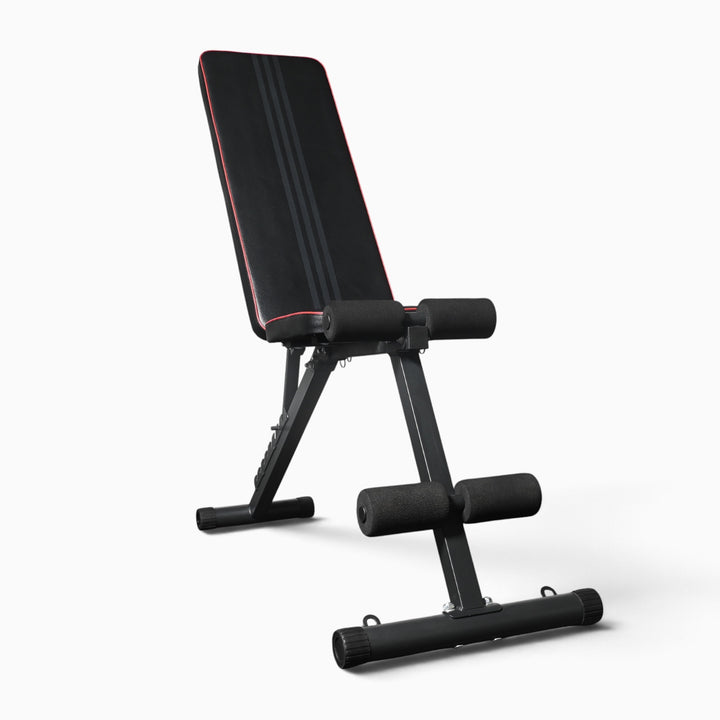
7. Adjustable Weight Bench
An adjustable weight bench can make home strength training much more effective. It allows you to perform exercises from different angles, including flat, incline, and seated positions.
With a bench, you can do chest presses, shoulder presses, rows, step-ups, split squats, tricep exercises, and core movements. It pairs especially well with dumbbells, making your workouts more varied and structured.
A foldable bench is a good choice if you need to save space. Look for one that feels stable, supports your weight properly, and can be adjusted easily.
While it is not always the first item beginners buy, a bench is a smart upgrade once you are ready to take your home workouts further.
Best for:
- Dumbbell training
- Chest and shoulder workouts
- Strength progression
- Exercise variety
- Intermediate home gyms
8. Exercise Bike
An exercise bike is one of the best home cardio machines, especially if you want something low impact. It is kinder on the joints than running, which makes it suitable for beginners, older adults, and anyone returning to fitness.
You can use an exercise bike for steady cardio, interval training, warm-ups, or active recovery. It is also easy to use while watching TV, listening to music, or following a workout video.
There are different types available, including upright bikes, indoor cycling bikes, and recumbent bikes. Upright bikes are great for general fitness, indoor cycling bikes suit intense sessions, and recumbent bikes offer more back support.
Best for:
- Low-impact cardio
- Weight management
- Leg endurance
- Beginners
- Regular home workouts
9. Treadmill
A treadmill is a strong choice if walking or running is your preferred form of exercise. It gives you control over speed, incline, and workout duration, regardless of the weather outside.
For many people, a treadmill makes daily movement easier. You can walk while listening to podcasts, build up to jogging, or use incline walking for a challenging low-impact session.
Treadmills do take up more space than most home exercise equipment, so they are best suited to people who know they will use them regularly. Foldable models can help if room is limited.
A treadmill is not essential for everyone, but it can be a valuable investment for consistent cardio training at home.
Best for:
- Walking
- Running
- Incline cardio
- Daily step goals
- Weather-proof workouts
10. Foam Roller
A foam roller is not workout equipment in the traditional sense, but it is extremely useful for recovery and mobility. It can help release tight muscles, improve flexibility, and support warm-up or cool-down routines.
Foam rolling is commonly used on the calves, quads, hamstrings, glutes, upper back, and hips. It can feel uncomfortable at first, but it should not be painful. The aim is to apply controlled pressure and move slowly.
Adding recovery tools to your home gym can make your routine more balanced. After all, progress does not only come from training hard. It also comes from recovering properly.
Foam rollers are affordable, easy to store, and suitable for almost every fitness level.
Best for:
- Muscle recovery
- Mobility work
- Post-workout stretching
- Tight legs and back
- Injury prevention routines
Best Home Exercise Equipment By Goal
Choosing the best equipment depends on what you want to achieve. Someone focused on strength will need a different setup from someone focused on cardio or mobility.
| Fitness Goal | Best Equipment |
|---|---|
| Build muscle | Dumbbells, bench, kettlebell, pull-up bar |
| Lose weight | Skipping rope, treadmill, exercise bike, kettlebell |
| Improve flexibility | Exercise mat, resistance bands, foam roller |
| Start as a beginner | Mat, bands, light dumbbells, exercise bike |
| Save space | Resistance bands, adjustable dumbbells, skipping rope |
| Low-impact fitness | Exercise bike, resistance bands, mat |
| Full-body training | Dumbbells, kettlebell, bands, bench |
For most people, the best starting setup includes an exercise mat, resistance bands, and dumbbells. This combination covers strength, mobility, stretching, and beginner-friendly workouts without needing much room.
What Home Exercise Equipment Should Beginners Buy First?
Beginners should start with simple, versatile equipment rather than buying everything at once. The goal is to build a routine you can stick to, not create a complicated setup that feels overwhelming.
A good beginner home gym could include:
- Exercise mat for comfort and floor workouts
- Resistance bands for strength and mobility
- Light dumbbells for basic resistance training
- Skipping rope for quick cardio, if you have space
- Foam roller for recovery and stretching
This setup is affordable, compact, and suitable for a wide range of workouts. Once you know what you enjoy, you can add larger items like a bench, exercise bike, treadmill, or heavier weights.
Start small, stay consistent, and upgrade only when your current equipment no longer challenges you.
How To Choose The Right Home Exercise Equipment
Before buying home workout equipment, think about your space, budget, goals, and fitness level. The best equipment is not always the most expensive. It is the equipment that fits your lifestyle and encourages you to exercise regularly.
Ask yourself:
- How much space do I have?
- Do I prefer strength training, cardio, or both?
- Am I a beginner or more experienced?
- Will I need foldable or compact equipment?
- What is my budget?
- Can I progress with this equipment over time?
- Is it safe and comfortable to use at home?
It is also worth thinking about noise, storage, flooring, and who else might use the equipment. For example, a skipping rope may not suit an upstairs flat, while resistance bands are quiet and easy to pack away.
Small Space Home Gym Essentials
You do not need a garage or spare room to exercise at home. A small corner of your bedroom, lounge, or office can work perfectly well with the right equipment.
The best small space home gym equipment includes:
- Resistance bands
- Adjustable dumbbells
- Exercise mat
- Skipping rope
- Foldable bench
- Foam roller
- Doorway pull-up bar
These items can be stored under a bed, in a cupboard, behind a door, or in a storage basket. Adjustable equipment is especially helpful because it gives you more training options without taking up extra room.
For small spaces, avoid buying large machines unless you are certain you will use them several times per week. Compact, multi-use equipment usually gives better value.
Best Budget Home Exercise Equipment
You can build an effective home gym on a budget. In fact, some of the most useful fitness tools are also the most affordable. Resistance bands, skipping ropes, mats, and foam rollers can all support regular workouts without costing much.
If you are working with a limited budget, prioritise equipment that can be used for many exercises. Dumbbells and resistance bands are better value than single-purpose machines because they support full-body training.
A budget-friendly setup might include:
| Priority | Equipment | Why It Is Worth Buying |
|---|---|---|
| 1 | Exercise mat | Useful for almost every workout |
| 2 | Resistance bands | Cheap, portable, versatile |
| 3 | Dumbbells | Great for strength training |
| 4 | Skipping rope | Excellent cardio option |
| 5 | Foam roller | Supports recovery |
What Equipment Gives The Best Full-Body Workout?
For full-body training, dumbbells, kettlebells, and resistance bands are hard to beat. They can be used for compound exercises, which work several muscles at once. This makes your workouts more efficient and effective.
A simple full-body workout could include:
- Goblet squats
- Dumbbell rows
- Push-ups
- Kettlebell swings
- Resistance band pulls
- Lunges
- Plank holds
- Dumbbell shoulder presses
These exercises can train your legs, glutes, back, chest, shoulders, arms, and core in one session. You can also adjust the intensity by changing the weight, resistance, reps, rest time, or workout speed.
For most home users, a combination of dumbbells, bands, and a mat is enough to create hundreds of full-body workouts.
How Much Space Do You Need For Home Exercise Equipment?
The amount of space you need depends on your chosen equipment. For basic strength and mobility workouts, you only need enough room to roll out an exercise mat and move your arms and legs comfortably.
A small setup may need around two square metres. This is enough for bodyweight exercises, resistance bands, dumbbells, stretching, and core work. Larger machines, such as treadmills or exercise bikes, need more permanent floor space.
Here is a simple guide:
| Space Available | Suitable Equipment |
|---|---|
| Very small space | Bands, mat, foam roller |
| Bedroom corner | Dumbbells, bands, mat |
| Spare room | Bench, kettlebell, cardio machine |
| Garage gym | Weights, rack, treadmill, bike |
Always leave enough room to move safely around your equipment.
Common Mistakes When Buying Home Exercise Equipment
One common mistake is buying too much too soon. It is easy to get excited and order several items, only to realise you do not have the space, time, or routine to use them properly.
Another mistake is choosing equipment based on trends rather than personal goals. The best home exercise equipment should match how you like to train. If you hate running, a treadmill probably is not the best investment. If you enjoy strength workouts, dumbbells and a bench may be more useful.
Avoid these mistakes:
- Buying equipment without measuring your space
- Choosing very heavy weights too early
- Ignoring storage needs
- Buying machines you will rarely use
- Forgetting recovery and mobility tools
- Prioritising price over safety and quality
A smart home gym grows with you over time.
Final Thoughts: What Are The Best Home Exercise Equipments To Own?
The best home exercise equipments to own are the ones that help you train consistently. For most people, the top essentials are dumbbells, resistance bands, an exercise mat, a kettlebell, and a foam roller. These items are versatile, compact, and suitable for a wide range of fitness goals.
If cardio is your focus, a skipping rope, exercise bike, or treadmill can be excellent additions. If strength is your priority, consider adjustable dumbbells, a bench, and a pull-up bar.
You do not need a huge budget or a full gym setup to get results. Start with the basics, build a routine, and add equipment as your confidence grows. A simple, well-chosen home gym can make fitness more convenient, enjoyable, and easier to maintain.
FAQs
What is the most useful home exercise equipment?
Dumbbells are one of the most useful options because they can be used for full-body strength training. They suit beginners and experienced users, and they allow you to progress by increasing weight, reps, or workout intensity over time.
What home exercise equipment is best for weight loss?
The best equipment for weight loss includes skipping ropes, exercise bikes, treadmills, kettlebells, and dumbbells. A mix of cardio and strength training usually works best because it helps burn calories while supporting muscle tone.
Can I build muscle with home exercise equipment?
Yes, you can build muscle at home with dumbbells, resistance bands, kettlebells, a bench, and a pull-up bar. The key is progressive overload, which means gradually increasing resistance, reps, sets, or workout difficulty.
What equipment should I buy for a small home gym?
For a small home gym, choose compact and versatile items such as resistance bands, adjustable dumbbells, an exercise mat, a foam roller, and a foldable bench. These items are easy to store and can support a wide range of exercises.
Is home exercise equipment worth it?
Home exercise equipment is worth it if it helps you train regularly. Even a basic setup can save time, reduce barriers to exercise, and make it easier to stay active throughout the week.