




Stepping into a fitness space with a clear goal in mind is a brilliant feeling, but it quickly brings you face-to-face with a classic training puzzle: which machine or station should you head to first? Deciding whether to smash out a high-intensity treadmill run or head straight to the lifting rack can completely change how your body responds to exercise. Getting this sequence wrong can leave you too exhausted to lift safely or completely drained before your cardio even begins.
The answer isn't a one-size-fits-all solution; it depends entirely on what you want to achieve when you train. Whether you are aiming to drop body fat, build muscular strength, or improve your overall cardiovascular stamina, the order of your workout matters immensely. Let’s dive straight into the biological science behind exercise sequencing, helping you structure your training sessions for maximum physical efficiency and rapid progress.
The Biological Energy Systems at Play
To understand why workout order impacts your performance, we need to look at how your muscle cells generate energy. Your body relies on stored carbohydrates, known as muscle glycogen, to power through explosive, high-intensity movements like heavy weight training. These carbohydrate reserves are limited and act like a fuel tank that drains steadily from the very first minute you start working out.
If you spend 45 minutes on a demanding cardio session before touching a barbell, you will burn through the vast majority of this easily accessible glycogen. When you finally transition to the weights area, your muscles will feel physically depleted, significantly reducing your strength and focus. This energy deficit makes it incredibly difficult to lift heavy safely, stalling your muscular development over time.
When to Lift Weights First: Goals and Benefits
For the vast majority of fitness enthusiasts aiming for a stronger, more toned physique, lifting weights before doing cardio is the superior strategy. Prioritising your resistance training ensures that your nervous system is completely fresh and your energy levels are peaking. This allows you to lift heavier loads with pristine form, which is essential for stimulating muscular hypertrophy (muscle growth) and building bone density.
Lifting weights first also triggers an internal fat-burning environment. A intense resistance session depletes your body's immediate sugar supplies, meaning that when you finally step onto the cardio equipment, your body is forced to tap directly into stored body fat for fuel. This sequencing ensures you get the absolute most out of every single minute spent walking, running, or cycling.
When to Do Cardio First: Endurance and Stamina
While lifting weights first rules supreme for strength, there are specific scenarios where placing cardio at the beginning of your workout makes perfect sense. If you are actively training for a specific endurance milestone—such as a 10k run, a marathon, or a long-distance cycling event—your primary goal is cardiovascular efficiency, not raw physical strength.
In this scenario, your heart, lungs, and running muscles need to perform at their absolute peak while your energy reserves are completely full. Doing weights beforehand would fatigue your stabilizing muscles, causing your running form to break down prematurely and increasing your risk of joint injury. For endurance athletes, cardio must always take center stage at the start of the session.
+------------------------+------------------------+------------------------+
| Primary Goal           | What to Do First       | Why It Works           |
+------------------------+------------------------+------------------------+
| Muscle Growth & Tone   | Weights First          | Max energy for lifting |
| Maximum Fat Loss       | Weights First          | Pre-depletes glycogen  |
| Endurance / Race Prep  | Cardio First           | Optimises stamina      |
| General Health & Move  | Whichever you prefer   | Consistency matters    |
+------------------------+------------------------+------------------------+
The Link Between Training Order and Fat Loss
If your main priority is dropping weight and leaning out, understanding how your metabolism reacts to exercise order is a total game-changer. When you lift weights, your body experiences an intense physical stress that elevates your heart rate and kicks your metabolism into high gear. This metabolic shift continues long after you finish your workout, a phenomenon known as excess post-exercise oxygen consumption (EPOC).
By following a heavy lifting session with a moderate, steady-state cardio session, you lock into a highly effective fat-burning zone. Your body seamlessly transitions into burning lipid (fat) stores because the weight training has already cleared out the glucose circulating in your bloodstream. This precise combination maximizes your total caloric burn both during the workout and while you rest at home.
Safety and Injury Prevention in the Gym
Workout safety should always be your top priority when designing a fitness routine. Lifting free weights, like dumbbells and barbells, requires a massive amount of mental focus and physical coordination from your core and stabilizing muscles. If you perform a grueling cardio session first, these vital supporting muscles become deeply fatigued, making it incredibly difficult to maintain a safe spinal position.
A tired core during exercises like squats, deadlifts, or overhead presses is a fast track to lower back strains and joint misalignment. By completing your resistance training while your mind and muscles are completely fresh, you drastically reduce the risk of structural injuries. You can then finish your workout on a cardio machine where the movement patterns are fixed and far simpler to execute safely.
Incorporating Dumbbells into Your Routine

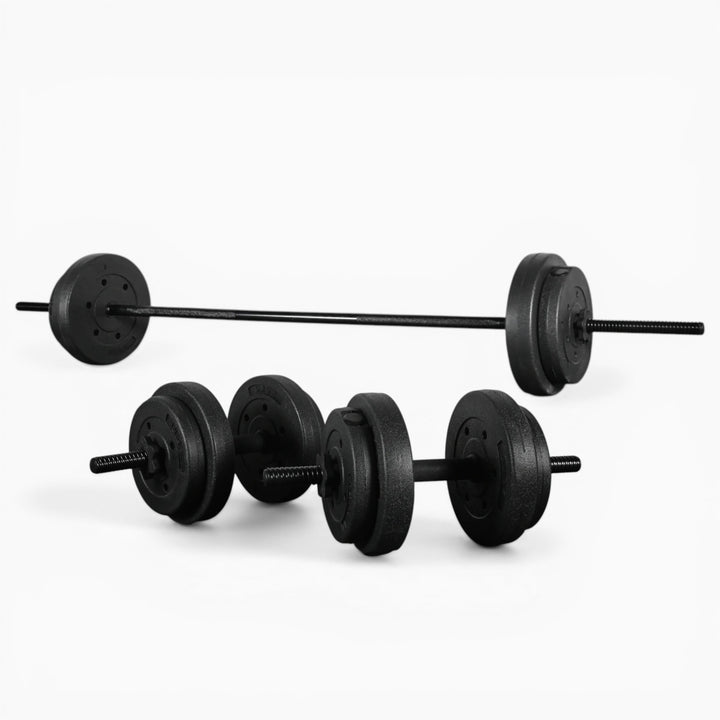
For home gym owners, dumbbells are the ultimate tool for executing a balanced, fluid workout routine, regardless of which training order you choose. They allow you to perform compound movements that recruit multiple muscle groups simultaneously, burning a high number of calories while building functional strength. The type of dumbbell you select can also influence how seamlessly you transition between weights and cardio blocks.
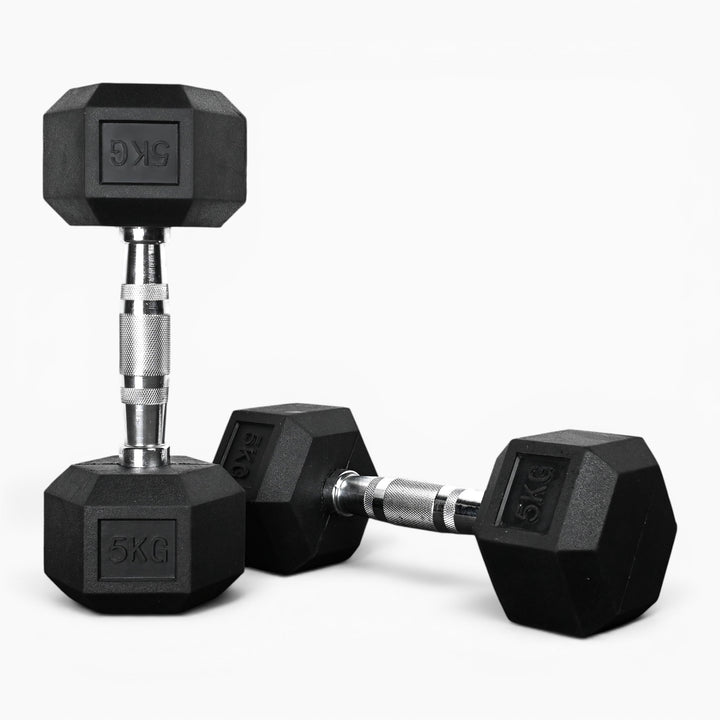
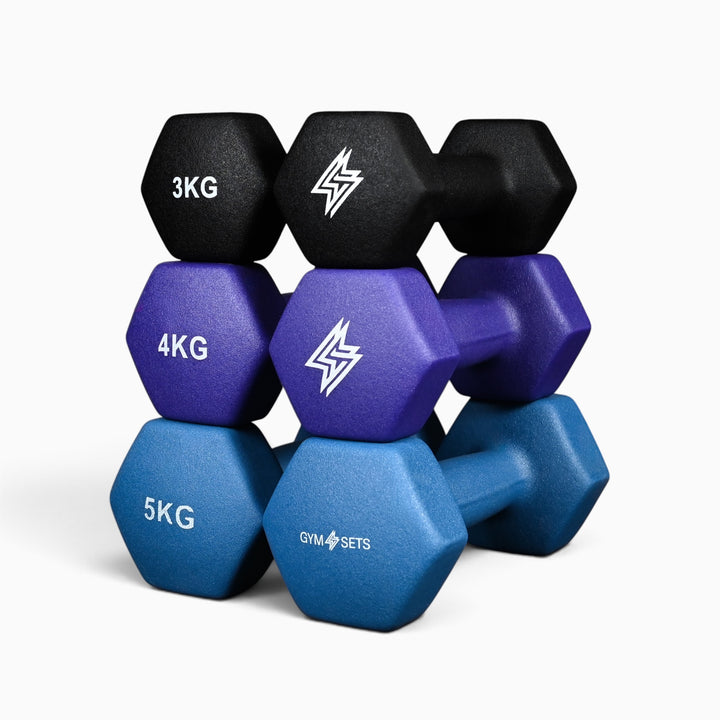
This brings us back to an essential equipment choice: Cast iron vs. vinyl dumbbells - which is better? Cast iron dumbbells are incredibly durable and let you progress to much heavier weight ranges, making them ideal if you lift weights first for strength. Vinyl dumbbells feature a softer exterior that won't scratch floors, making them brilliant for fast-paced, high-intensity cardio circuits where you switch between weights and floor movements quickly.
Finding the Balance with Hybrid Workouts
If you love the benefits of both training styles and don't want to choose between them, hybrid workouts like High-Intensity Interval Training (HIIT) offer a fantastic middle ground. These routines deliberately blend short bursts of resistance exercises with rapid cardio intervals, keeping your heart rate elevated throughout the entire session to maximize cardiovascular fitness and muscular endurance simultaneously.
However, because hybrid training is incredibly taxing on your central nervous system, it should be treated with caution. To avoid overtraining and joint fatigue, limit these high-intensity mixed sessions to two or three times a week. Ensure you are using floor-friendly equipment, like vinyl or rubber-coated hand weights, so you can transition quickly between exercises without damaging your home gym floor tiles during fast-paced movements.
Strength Focus days: Lift heavy barbells or cast iron weights first, finish with 15 minutes of light cardio.
Cardio Focus days: Complete your run or cycle first, follow up with light, targeted core and bodyweight accessory movements.
Circuit Focus days: Blend light vinyl dumbbell movements directly into a fast, continuous interval training block.
Structuring the Perfect Warm-Up
No matter which training order you choose, launching straight into a heavy lifting set or a fast sprint with cold muscles is an invitation for injury. A proper warm-up should never feel like a exhausting workout, but rather a gentle physical bridge that prepares your joints and circulatory system for the intense work ahead.
Spend 5 to 10 minutes performing light, low-impact cardio, such as a steady walk on an incline or a gentle row, to gradually increase your core body temperature and blood flow. Follow this with dynamic stretches like arm circles, bodyweight lunges, and leg swings to open up your hips and shoulders. This simple routine primes your nervous system, improves your range of motion, and ensures your main workout is as effective as possible.
Listening to Your Body and Staying Consistent
At the end of the day, the absolute best workout order is the one that you can consistently maintain week after week. While sports science clearly shows that lifting weights first is optimal for fat loss and muscle tone, it won't do you any good if you genuinely despise training that way. If heading straight to the treadmill is what makes you feel energised and motivated to exercise, then embrace it.
Consistency and long-term enjoyment are the true secrets to unlocking lasting physical results. Track your workout performance over a few weeks, pay close attention to your daily energy levels, and see how your body responds to different setups. Balance your psychological preferences with your physical goals to build a sustainable, rewarding fitness journey that fits perfectly into your everyday lifestyle.
Summary: If your main fitness goals are building strength, toning muscle, or maximizing fat loss, you should always do weights first. This ensures you have maximum energy to lift safely and effectively, leaving your body perfectly primed to burn fat during your post-lift cardio session.


