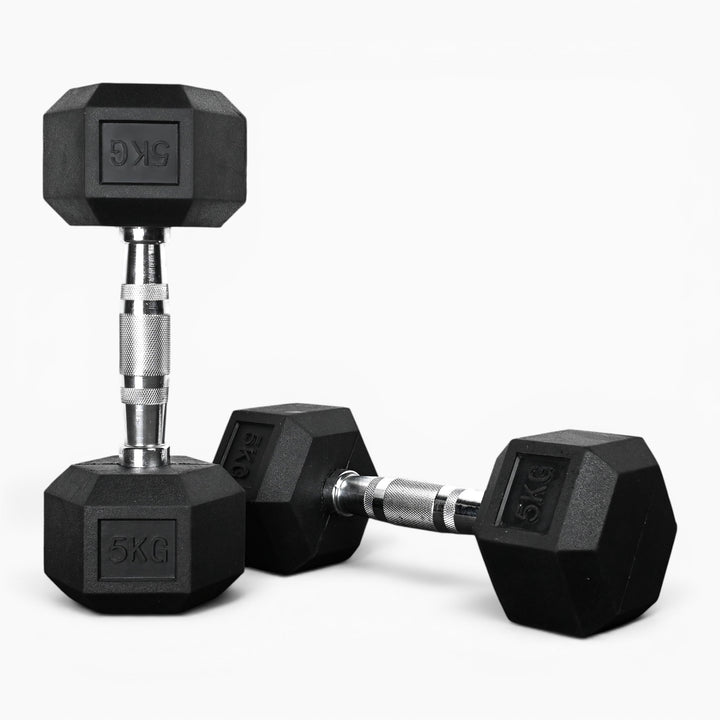
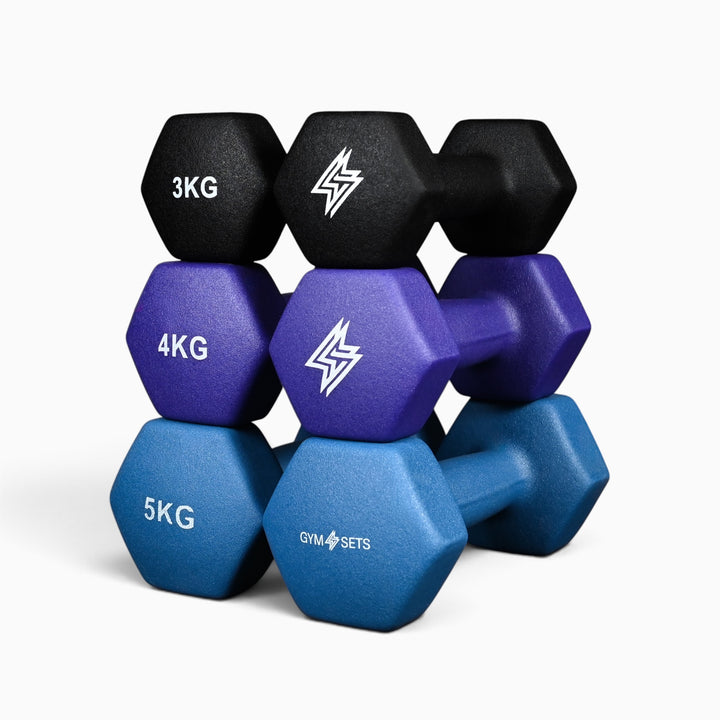
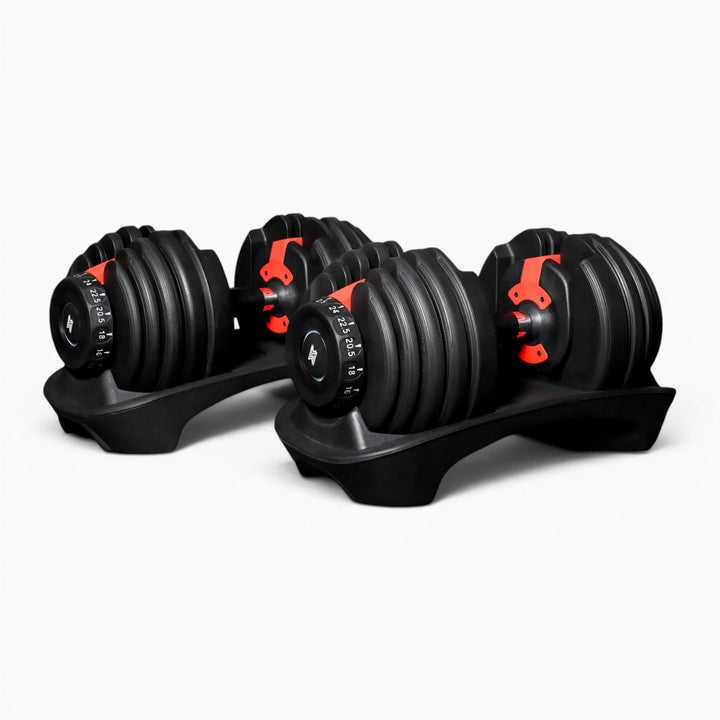
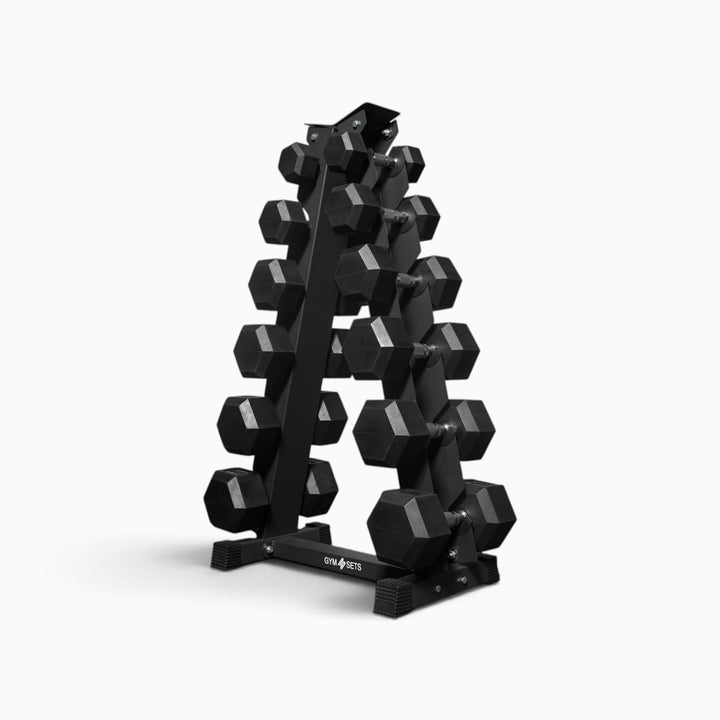





Building a functional home gym often comes down to a battle between space and versatility. You want the freedom to lift heavy on compound movements, but you also need lighter increments for isolated exercises. Traditionally, this meant buying a massive, commercial-style rack filled with dozens of individual pairs of weights. For most UK households, dedicating an entire room to a steel rack simply isn’t practical.
This is exactly where modern fitness engineering steps in. If you are trying to maximise your workouts without sacrificing your spare bedroom or garage space, you have likely asked yourself: what are adjustable dumbbells?
In this comprehensive guide, we will break down exactly how these innovative lifting tools work, the different design mechanics available on the market, the core benefits of adding them to your fitness routine, and how to choose the perfect pair for your specific training goals.
What Are Adjustable Dumbbells?
To answer the fundamental question—what are adjustable dumbbells?—it helps to look at them as an entire commercial weight rack condensed into a single pair of handheld tools.
Unlike fixed dumbbells, which feature a permanent weight welded to a central handle, adjustable dumbbells allow you to alter the total mass of the implement. They utilise a variety of internal locking mechanisms, dials, or pins to secure or release weighted plates. When you select a specific weight setting, the handle engages only the corresponding plates, leaving the rest safely resting behind in a custom storage cradle or tray.
This means you can seamlessly transition from a light 2kg setting for lateral raises to a heavy 24kg or 40kg setting for chest presses, all using the exact same piece of equipment. They represent a significant evolution from the traditional spinlock collars of the past, offering rapid weight selection that fits perfectly into high-intensity home training.
The Evolution of Adjustable Free Weights
Free weights have not changed fundamentally in centuries, but the way we adjust them certainly has. Understanding the history of these tools can help you appreciate why modern designs are so popular today.
1. Traditional Spinlock Dumbbells
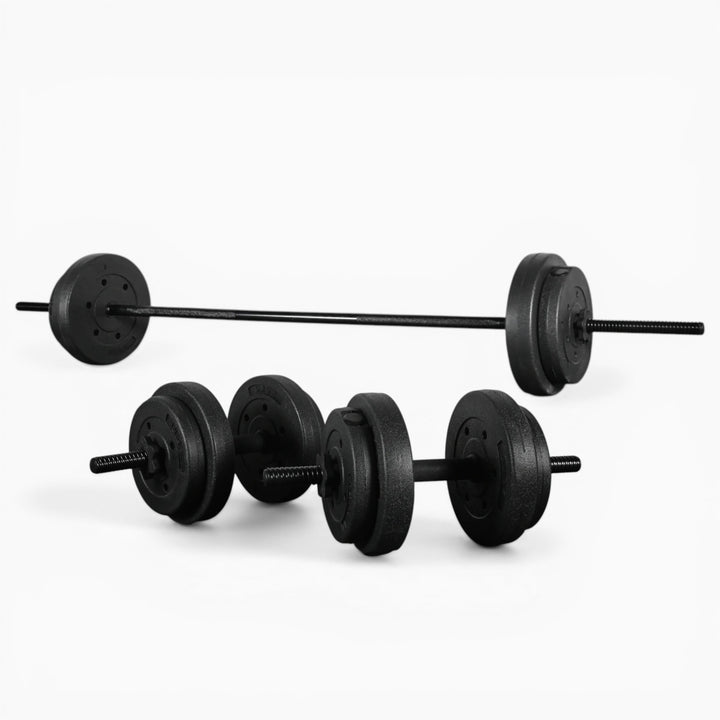
The earliest form of adjustable weight involved a hollow steel bar with threaded ends. You would manually slide individual iron plates onto the sleeves and then spin a textured collar down the threads to lock the plates in place. While highly durable and relatively inexpensive, they require you to manually spin the collars off, slide plates on or off, and spin the collars back down every time you want to change weights. This completely disrupts the flow of a fast-paced workout.
2. Selectorised Dial Systems
Introduced to revolutionise home fitness, dial systems utilise an internal selection track. The dumbbells sit inside a custom-moulded plastic or steel tray. By turning a dial on either end of the handle, the internal mechanism shifts hooks or pins into place, grabbing only the weight plates needed for your chosen setting. When you lift the handle out of the cradle, the unselected plates stay neatly aligned in the tray.
3. Twist-the-Handle Mechanisms
The latest iteration of selectorised engineering removes the need for external dials entirely. With these premium models, you place the dumbbell in its dock and simply twist the central handle grip itself. An internal spine expands or contracts steel locking pins to select the plates. This provides an incredibly sleek profile that looks and feels exactly like a traditional fixed gym dumbbell.
How Do Modern Selectorised Dumbbells Actually Work?
The engineering behind a high-quality pair of modern adjustable weights is fascinating. While they look simple from the outside, the internal components require precise manufacturing to ensure both smooth transitions and, most importantly, absolute safety during overhead lifts.
When the dumbbell is sitting correctly inside its designated base plate, the internal locking components are disengaged, allowing the selection mechanism to move freely. As you turn the dial or twist the handle, an inner rod rotate through the centre of the stacked plates. This rod features precisely machined notches or selector pins that correspond to the slots on the interior of each plate.
When you align the handle to your desired weight marking (for example, 10kg), the notches lock into the specific number of plates required to reach that total mass. As you lift the handle vertically out of the tray, the selected plates slide out smoothly while the remaining plates are left resting securely in the base slots.
Safety features built into premium models ensure that the selection mechanism can only be rotated when the dumbbell is fully seated flat inside its cradle. This completely prevents the plates from shifting or unlocking mid-exercise when the weight is held above your face or body.
The Key Advantages of Choosing Adjustable Weights
Investing in quality fitness kit requires careful thought. When comparing adjustable models to traditional fixed-weight sets, several distinct advantages stand out for home fitness enthusiasts.
Space Saving Efficiency
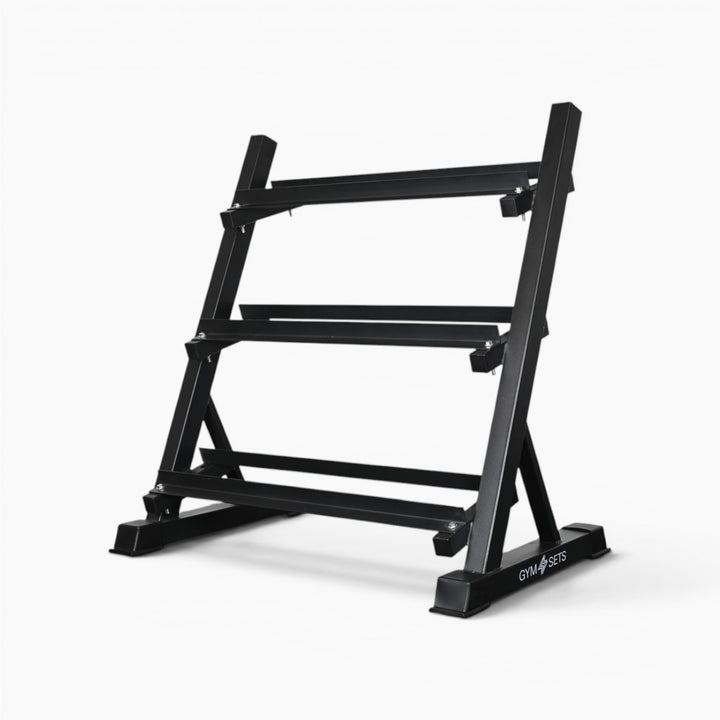
The most apparent benefit is the dramatic reduction in floor footprint. A full set of fixed dumbbells ranging from 2kg to 32kg in 2kg increments would require a multi-tier rack stretching nearly two metres across your room. An adjustable set offering the exact same weight versatility fits into a space no larger than two shoe boxes side by side. This makes it possible to have a premium strength training setup in a small flat, a spare bedroom, or a tight garage space.
Incredible Cost-Effectiveness
While the upfront price tag of a premium pair of adjustable dumbbells can initially cause some hesitation, they are incredibly cost-effective when you break down the cost per kilogram. Buying fifteen individual pairs of fixed rubber-hex dumbbells along with a sturdy steel storage rack will cost significantly more than a single high-quality pair of selectorised weights. You are essentially purchasing an entire gym setup in one single transaction.
Faster Transition Times for Workouts
If you enjoy following high-intensity interval training, supersets, or drop sets, workout transition speed is critical. Traditional spinlock weights require you to pause your training for up to two minutes to swap out plates. With a modern twist-handle or dial system, changing the weight takes less than three seconds. You drop the handle into the cradle, click to your new weight, lift, and continue your set without letting your heart rate drop.
A Progressive Load Companion
To build muscle and increase bone density, you must utilise progressive overload. This means gradually increasing the resistance your muscles work against over time. Adjustable sets typically offer small, precise weight increments (often as low as 1kg or 2kg steps). This allows you to smoothly progress your lifts week by week, rather than being forced to make a dangerous, massive jump from a 10kg fixed weight straight to a 15kg alternative.
Potential Drawbacks to Keep in Mind
To ensure you make a fully informed purchase, it is vital to look at the unique characteristics of these systems that differ from commercial gym equipment.
Structural Sensitivity
Because selectorised dumbbells rely on complex internal gears, pins, and alignment tracks, they are precision instruments. They cannot be dropped carelessly on the floor at the end of a heavy set like solid iron or rubber-hex weights can. Dropping them can misalign the internal selection rod or crack the interlocking tabs, rendering the selection mechanism unusable. They require a controlled eccentric lower to the ground, which is actually better for muscle building anyway.
Fixed Physical Length
With traditional dumbbells, a 4kg weight is physically much smaller than a 20kg weight. With some dial-based adjustable systems, the external cage or frame remains the exact same length regardless of whether you are lifting the minimum or maximum weight. This can take a small amount of getting used to when performing tight movements near your body, such as bicep curls or overhead presses, where the long profile might occasionally brush against your torso or shoulders.
Main Types of Adjustable Dumbbells Available in the UK
If you are browsing online fitness stores, you will generally run into three prominent style categories. Each has its own distinct feel and functional style.
1. The Dial-Turn System
Popularised by major fitness brands, this design features circular dials on the outer edges of the dumbbell frame. You turn each dial to match your desired weight number before lifting.
-
Well-established technology with excellent historical reliability.
-
Often features highly visible weight markings in both kilograms and pounds.
-
The physical length stays fully extended even at lighter weights.
2. The Smart Twist-Handle System
This is the current gold standard for lifters who want an authentic free-weight experience. By gripping the middle rubberised handle and giving it a quick twist, the weight adjusts instantly with an audible click.
-
The dumbbell length scales down dynamically; if you choose a lighter weight, the unused plates stay behind, making the dumbbell physically shorter and easier to maneuver.
-
Feels identical to a commercial gym dumbbell in the hand.
-
Highly streamlined profile with no bulky outer dials sticking out.
3. The Selector Pin Block System
This design looks less like a traditional dumbbell and more like a square weight stack found on a cable machine. It uses a U-shaped selector pin that slides horizontally into the side of the weight block to choose the mass.
-
Exceptionally durable design with very few moving internal plastic gears.
-
Incredibly compact length, making it highly balanced during heavy lifts.
-
The square shape prevents the weights from ever rolling away across the floor between sets.
How to Choose the Perfect Pair for Your Home Gym
Before adding a pair to your digital shopping basket, run through this quick checklist to ensure the model you choose matches your unique fitness journey.
1. Assess Your Current and Future Strength Levels
Do not just buy a set that matches what you can lift today; buy for where you want to be in two years. If you are currently bench pressing 12kg dumbbells, a set that tops out at 20kg might seem plenty fast now, but you will quickly outgrow it on compound movements. Look for sets that expand up to 32kg or 40kg if your long-term goals involve building significant physical strength.
2. Examine the Increment Step Size
Pay close attention to how the weight scales up. Some budget models might jump straight from 5kg to 10kg, which is a 100 per cent increase in load. This is a recipe for injury or training plateaus. Look for premium models that offer consistent 2kg or 2.5kg jumps, allowing your shoulders and smaller muscle groups to adapt naturally to the heavier work.
3. Handle Grip Quality and Ergonomics
You will be holding these weights for hours every week. Look for handles that feature premium steel knurling (that cross-hatched textured pattern on gym bars) or a contoured, non-slip rubber grip. A solid grip ensures the weight will not slip in your hand when you begin to sweat during an intense circuit.
Maintenance Tips for Longevity
To ensure your investment lasts for years of uninterrupted training, follow these simple care guidelines:
-
Avoid Dropping entirely: Always place the weights down smoothly on a mat or directly back into their alignment trays.
-
Keep the Tracks Clean: Dust, pet hair, and debris can accumulate inside the plastic storage cradle. Vacuum the empty trays once a month to ensure the weight plates align perfectly without catching.
-
Wipe Down After Use: Human sweat contains corrosive salts. Wipe the metal handles and composite plates down with a dry microfiber cloth after intense training sessions to prevent surface tarnishing.
Final Thoughts: Are They Worth It?
When evaluating home gym equipment, the ultimate goal is finding tools that eliminate barriers to regular exercise. Adjustable dumbbells do exactly that. They eliminate the friction of cluttered rooms, reduce the massive financial investment of buying individual weight pairs, and provide a seamless, commercial-grade lifting experience right in the comfort of your living room or garage.
By condensing an entire room's worth of steel and iron into a single pair of cleverly designed, space-saving tools, they represent the ultimate asset for the modern home athlete looking to build a stronger, healthier body.


