




Let’s be honest: the phrase "I don’t have time to exercise" is rarely a lie. Between back-to-back Zoom calls, the school run, meal prepping, and trying to maintain some semblance of a social life, the idea of spending 90 minutes at the gym feels less like "self-care" and more like a logistical nightmare.
But here is the cold, hard truth: we don't "find" time for exercise; we make it.
If you are wondering, how do I fit exercise into a busy life? without burning out or sacrificing your sleep, you are in the right place. This isn’t a guide written by a fitness influencer who spends six hours a day in a squat rack. This is a practical, UK-focused blueprint for real people with real jobs and real responsibilities.
The Psychology of the "Busy" Mindset
Before we dive into the "how," we need to address the "why." Most of us fail to stay consistent because we view exercise as an all-or-nothing endeavour. We think if we can’t do a full hour of HIIT, it doesn't count.
The "All-or-Nothing" Fallacy
In the UK, we are often told that we need 150 minutes of moderate activity a week. When life gets hectic, and we realise we can't hit that target in neat, 30-minute blocks, we often give up entirely.
Insight: Research shows that "exercise snacking"—short bursts of activity throughout the day—can be just as effective for metabolic health as one long session.
1. Audit Your Schedule (The "Hidden Minutes" Method)
To solve the mystery of how do I fit exercise into a busy life?, you first need to see where your time is actually going. For one week, track your time. You will likely find "dead zones":
-
The 15 minutes spent scrolling TikTok before bed.
-
The 20 minutes spent waiting for the kids at football practice.
-
The 10 minutes spent waiting for the kettle to boil and the toast to pop.
Practical Steps:
-
The Commute Reset: If you work in a city like London or Manchester, can you get off the bus or tube two stops early? That’s an extra 20 minutes of brisk walking.
-
The "Meeting" Walk: If you have a 1-to-1 phone call that doesn't require a screen, take it outside.
2. Micro-Workouts: The Power of 10 Minutes
You don’t need a gym membership to stay fit. When time is tight, high-intensity is your best friend.
| Workout Type | Duration | Benefit |
| Tabata | 4 Minutes | Maximum calorie burn in minimum time. |
| AMRAP (As Many Rounds As Possible) | 10 Minutes | Builds muscular endurance and strength. |
| Power Walk | 15 Minutes | Lowers cortisol and improves mental clarity. |
If you can find 10 minutes in the morning and 10 minutes in the evening, you’ve already achieved 20 minutes of daily movement. Over a year, that is 121 hours of exercise you didn’t think you had.
3. Optimise Your Environment
If your trainers are buried in the back of the cupboard and your gym bag isn't packed, you’ve already lost the battle. Friction is the enemy of the busy person.
The "Path of Least Resistance" Checklist:
-
Layout your kit: Put your workout clothes out the night before. Literally on top of your phone or alarm clock.
-
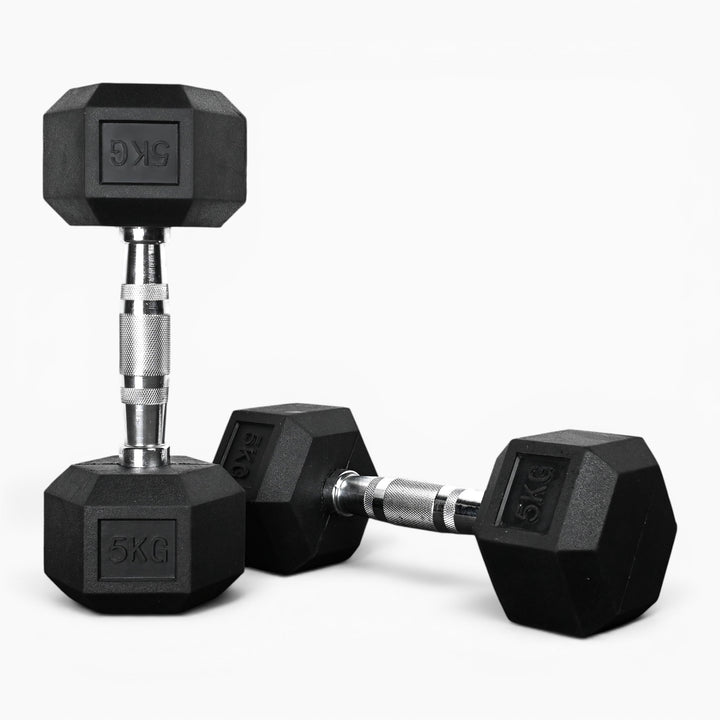
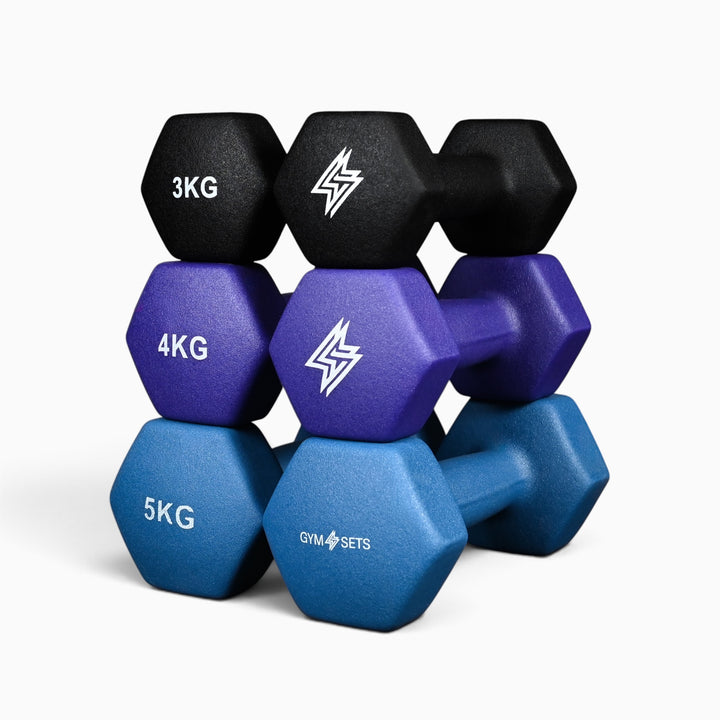
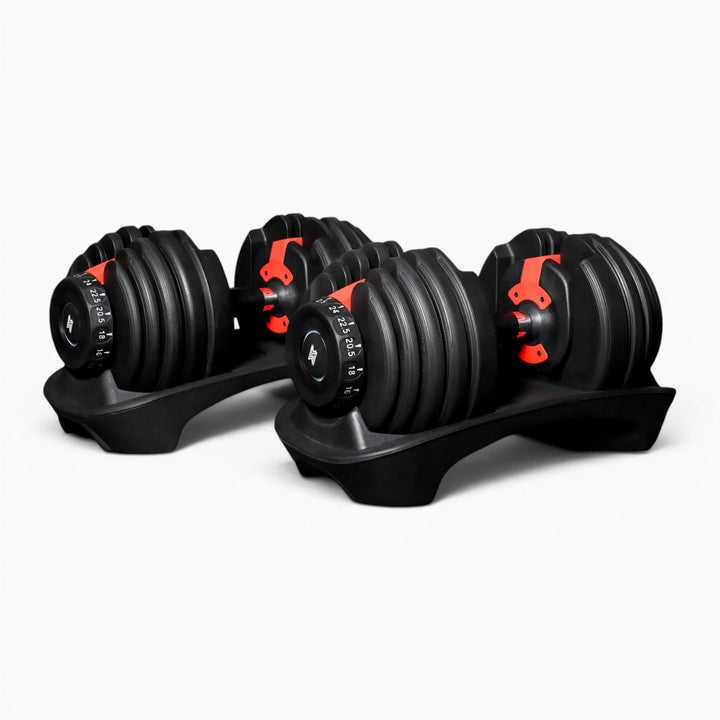
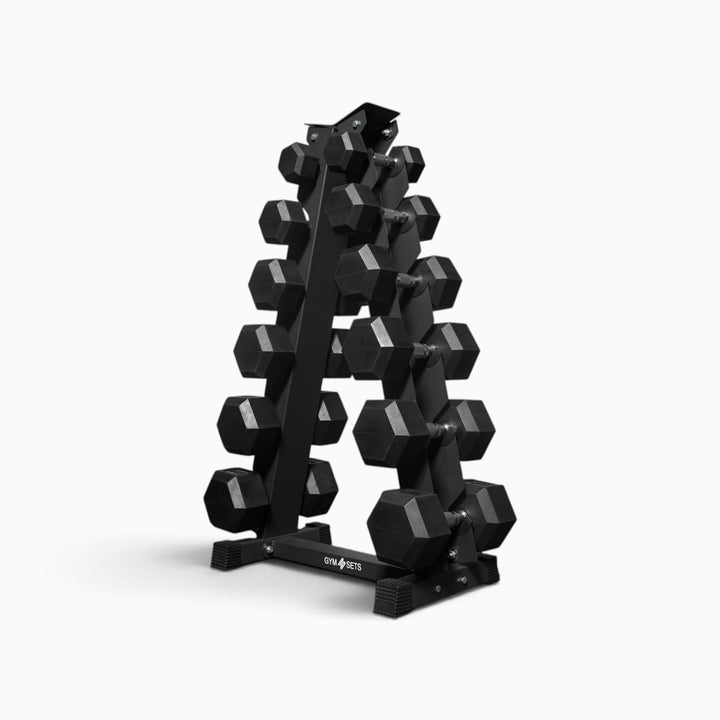
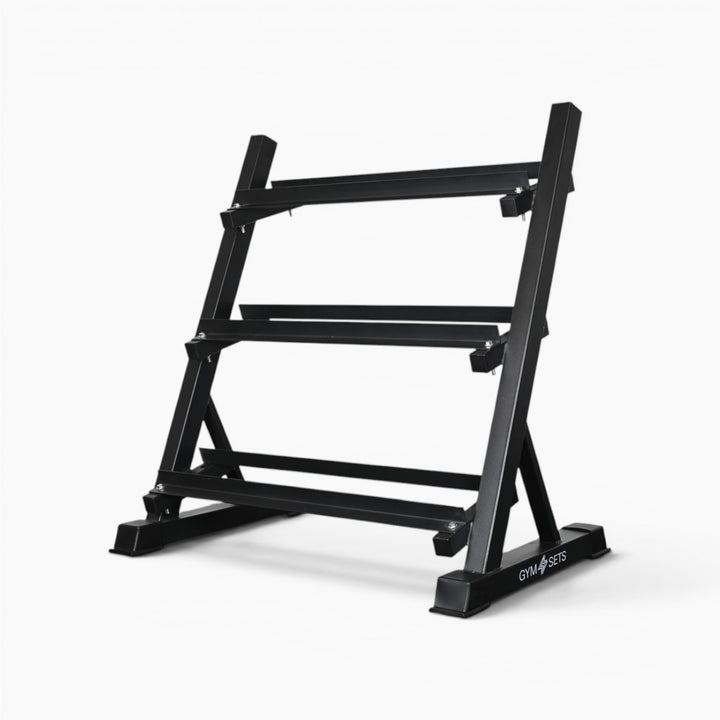
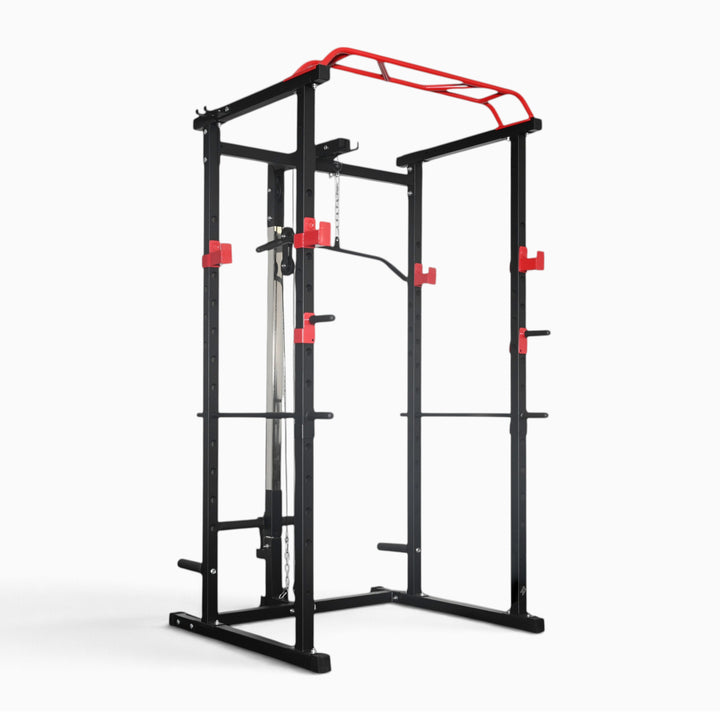
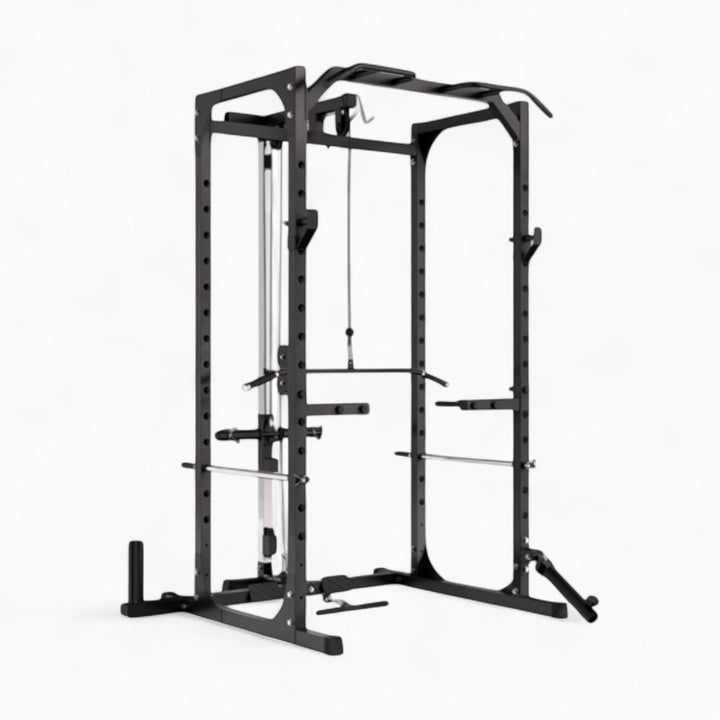
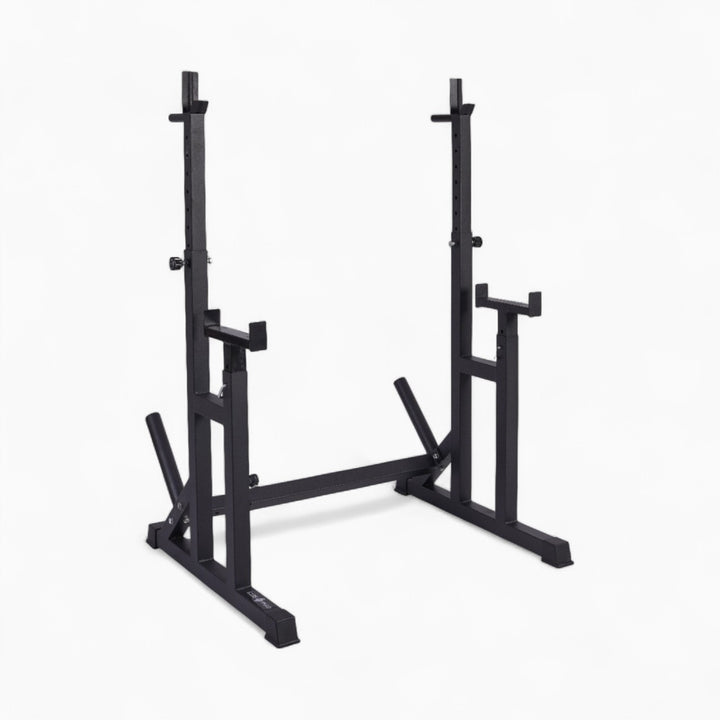
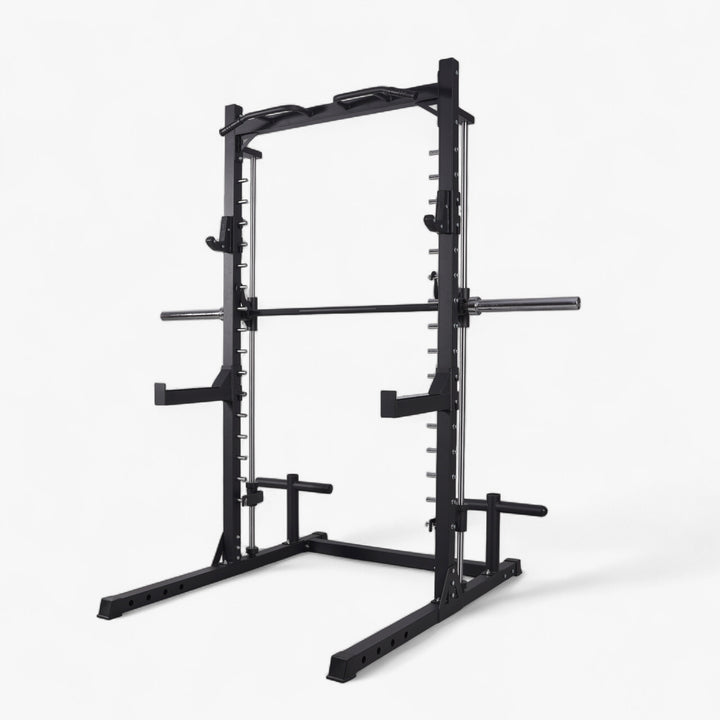
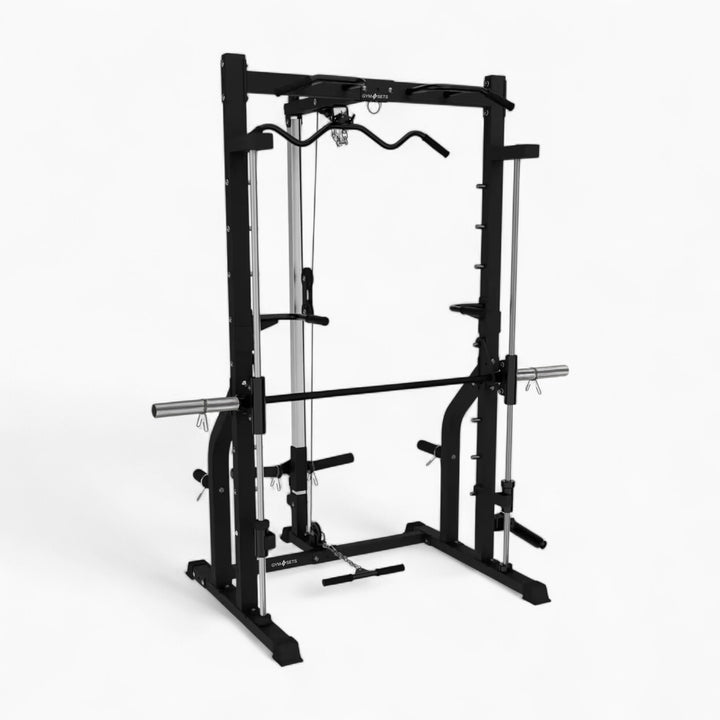
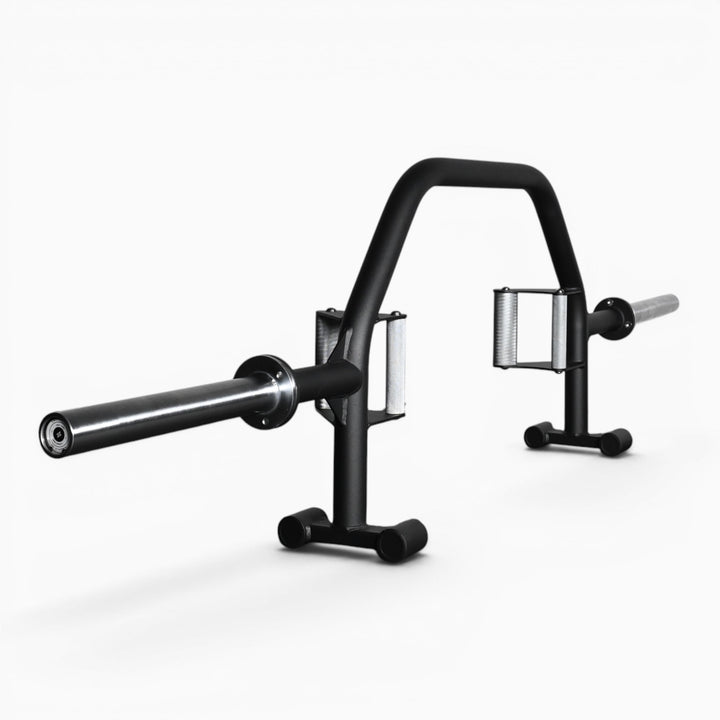
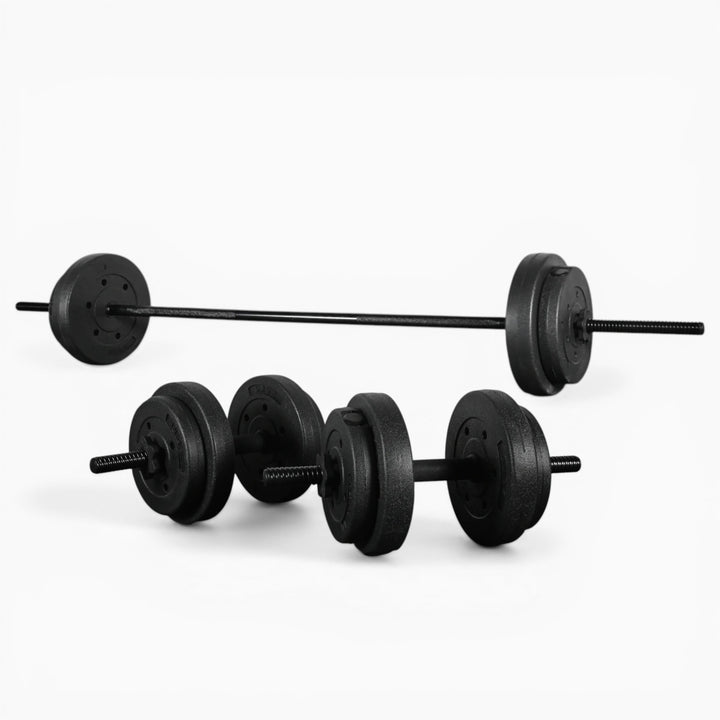
Home Gym Essentials: You don't need a squat rack. A single kettlebell or a set of resistance bands tucked under the sofa removes the "I can't get to the gym" excuse.
-
Digital Access: Have a "Go-To" YouTube playlist or app ready so you aren't spending 10 minutes deciding what to do.
4. Master the "Stow-and-Go" Workout
For many UK professionals, the commute is the biggest time-sink. Transforming this from "dead time" into "active time" is the holy grail of fitness.
-
Cycle to Work: With the Cycle to Work scheme, getting a bike is more affordable than ever. It turns your commute into a cardiovascular session.
-
The Rucksack Secret: If you have to walk, wear a slightly weighted rucksack. This is called "Rucking." It increases the heart rate and builds functional strength without requiring extra time.
5. Habit Stacking: Making Exercise Automatic
In his book Atomic Habits, James Clear discusses "Habit Stacking." This is the process of pairing a new habit (exercise) with a current one.
-
Boiling the Kettle? Do 20 air squats.
-
Watching the 10 O'Clock News? Spend that time on a foam roller or doing mobility stretches.
-
Brushing your teeth? Practice balancing on one leg to improve core stability and proprioception.
By stacking exercise onto things you already do, you remove the need for willpower.
6. The Role of Nutrition for the Busy Person
You cannot out-train a bad diet, especially when you are too busy to train intensely. When asking how do I fit exercise into a busy life?, you must also ask how do I fuel a busy life?
Quick Wins:
-
Protein-First Breakfast: Stops the mid-morning slump that kills your motivation to move at lunch.
-
Hydration: Fatigue is often just dehydration in disguise. Carry a 1-litre bottle and aim to finish it twice.
-
Batch Cooking: If you aren't cooking every night, you reclaim 45 minutes of your evening. Use that time for a jog or a yoga flow.
7. Social Fitness: Killing Two Birds with One Stone
Loneliness is an epidemic, and so is physical inactivity. Why not solve both?
Instead of meeting a friend for a pint or a coffee, suggest a "catch-up walk." Many UK cities now have "Social Run Clubs" which allow you to network and exercise simultaneously.
8. Managing Stress and Recovery
Ironically, when we are at our busiest, we need exercise the most to manage stress—yet it’s the first thing we cut.
If you are genuinely red-lining at work, a HIIT session might actually be counter-productive by spiking your cortisol further. On these days, "exercise" should look like:
-
20 minutes of Yin Yoga.
-
A slow walk in a local park (Green space is proven to lower heart rate).
-
Deep breathing exercises.
Movement is medicine, not a punishment for what you ate or how busy you've been.
9. Setting Realistic Expectations
Let’s be real: you might not get a "six-pack" working out 15 minutes a day. But you will:
-
Improve your cardiovascular health.
-
Increase your bone density.
-
Boost your mood and cognitive function.
-
Set a healthy example for your family.
Success in fitness isn't about the intensity of a single workout; it’s about the consistency of your efforts over months and years.
Summary: Your 3-Step Action Plan
If you’ve read this far, you’re serious about making a change. Here is how to start tomorrow:
-
The 10-Minute Rule: Commit to just 10 minutes of movement tomorrow. No matter what.
-
Pack the Bag: Put your kit out tonight.
-
The Calendar Invite: Block out a "Non-Negotiable" 20-minute slot in your work calendar. Treat it with the same respect you’d give a meeting with your boss.
Frequently Asked Questions
How do I fit exercise into a busy life with kids?
Involve them! Active play, family bike rides, or even "living room discos" count. If they are young, use the pram for "power walking" intervals.
Is 15 minutes of exercise enough?
Yes. It is infinitely better than 0 minutes. Science shows that even short bouts of vigorous exercise significantly reduce the risk of chronic disease.
What if I’m too tired after work?
Switch to morning workouts. You’ll find that exercise actually generates energy rather than depleting it.
Final Thoughts
Fitting exercise into a busy life isn't a matter of magic; it’s a matter of prioritisation and systems. By breaking down the barriers to entry, using micro-workouts, and habit-stacking, you can maintain peak physical health without ever feeling like the gym is a second job.
Stop waiting for the "perfect time" to start. The perfect time is a myth. The best time is right now, in the small gaps of your already vibrant, busy life.
Ready to get started? Grab your trainers and give us 10 minutes. You’ve got this.