




The Truth About Six Pack Abs and Shedding Stubborn Belly Fat
The quest for reducing belly fat and gaining a six-pack is arguably the most common fitness goal in the UK, yet it remains one of the most misunderstood. There is a persistent myth that you can simply crunch your way to a flat stomach, but the reality is far more nuanced. Achieving that defined look requires a delicate balance of nutritional discipline, strategic resistance training, and a fundamental understanding of how your body stores and burns energy. It is not just about doing hundreds of sit-ups every morning; it is about creating an environment where your body has no choice but to reveal the muscle lying beneath the surface.
Understanding the Science of Spot Reduction
Before you start planning your daily routine at the local commercial gym, we need to address the biggest lie in the fitness industry: spot reduction. You cannot choose where your body loses fat. Performing a thousand leg raises will certainly make your hip flexors and abdominals stronger, but it will do absolutely nothing to burn the specific layer of fat covering them. When you create a caloric deficit, your body mobilised fat stores from all over your body based on your genetics and hormonal profile. For many men, the lower belly is the last place to lean out, while for many women, it might be the hips or thighs. Understanding that fat loss is a systemic process rather than a localised one will save you months of frustration. You have to lower your overall body fat percentage until the abdominal wall becomes visible.
The Role of Nutrition in Revealing Your Abs
There is an old saying that abs are made in the kitchen, and while it sounds like a cliché, it is mathematically accurate. You can have the most developed abdominal muscles in the world, but if they are hidden under a layer of adipose tissue, nobody will ever see them. To reduce belly fat, you must be in a consistent, manageable caloric deficit. This does not mean starving yourself or following a fad diet that lasts three days before you cave and buy a kebab. It means prioritising high-protein foods that keep you satiated and preserve muscle mass while you lose weight. Lean meats, fish, eggs, and plant-based proteins should form the bedrock of your plate. When you combine this with high-fibre vegetables and complex carbohydrates, you create a sustainable way of eating that fuels your workouts without stalling your progress.
Why Heavy Lifting Beats Hours of Cardio
While many people head straight for the treadmill when they want to lose weight, the most effective tool for changing your body composition is actually resistance training. Building lean muscle tissue increases your basal metabolic rate, meaning you burn more energy even when you are sitting on the sofa watching the football. When you visit a commercial gym, your focus should be on big, compound movements like squats, deadlifts, and overhead presses. These exercises require immense core stability and burn significantly more calories than isolated abdominal exercises. By focusing on getting stronger across your entire body, you create a metabolic furnace that makes fat loss significantly easier over the long term. Cardio is a fantastic tool for heart health and extra calorie expenditure, but it should be the accessory to your lifting, not the main event.
Building a Commercial Gym Environment at Home
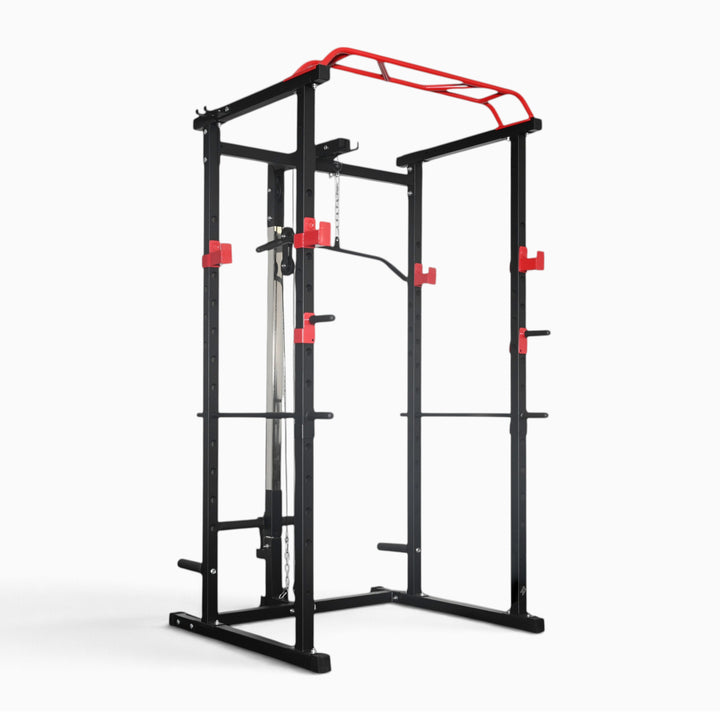
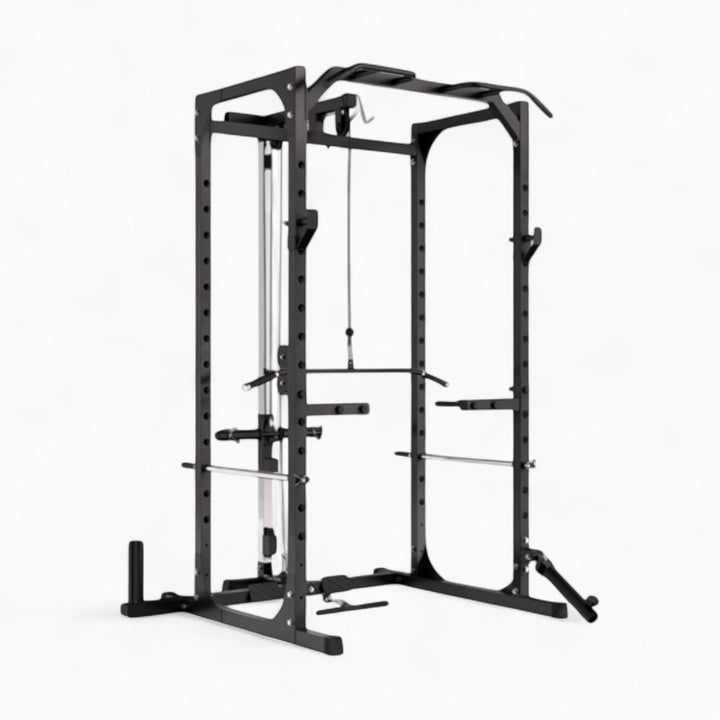
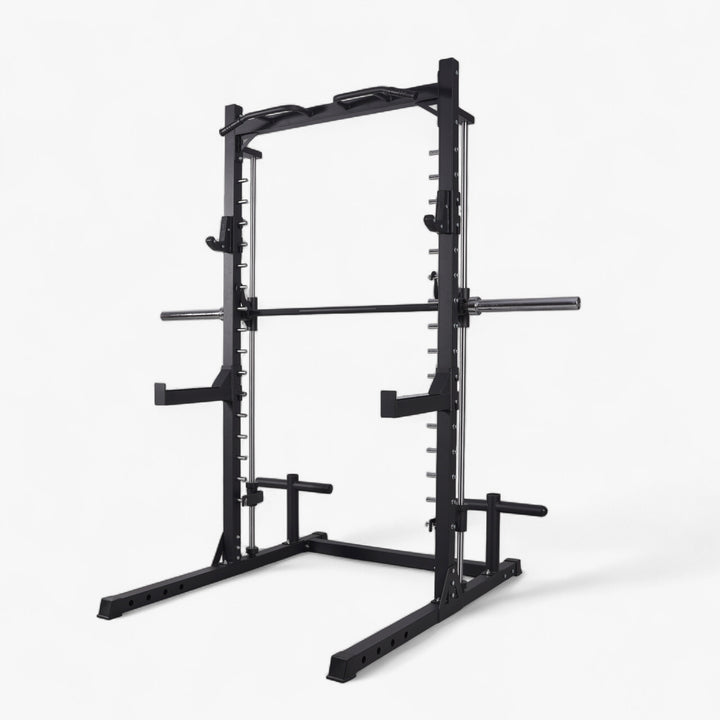
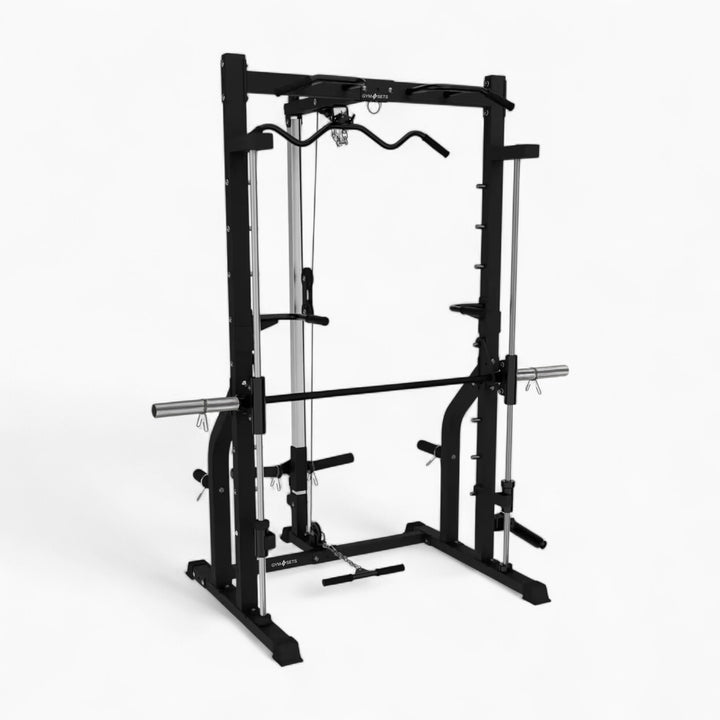
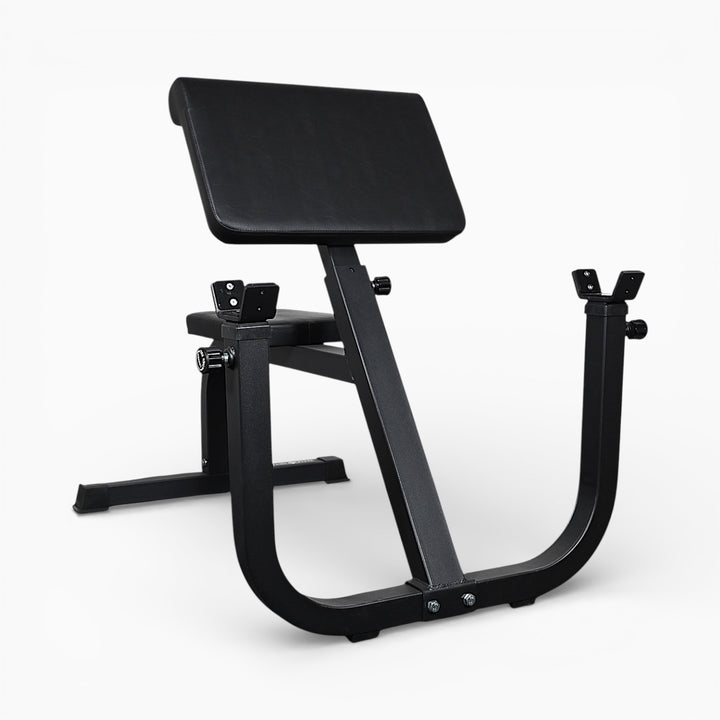
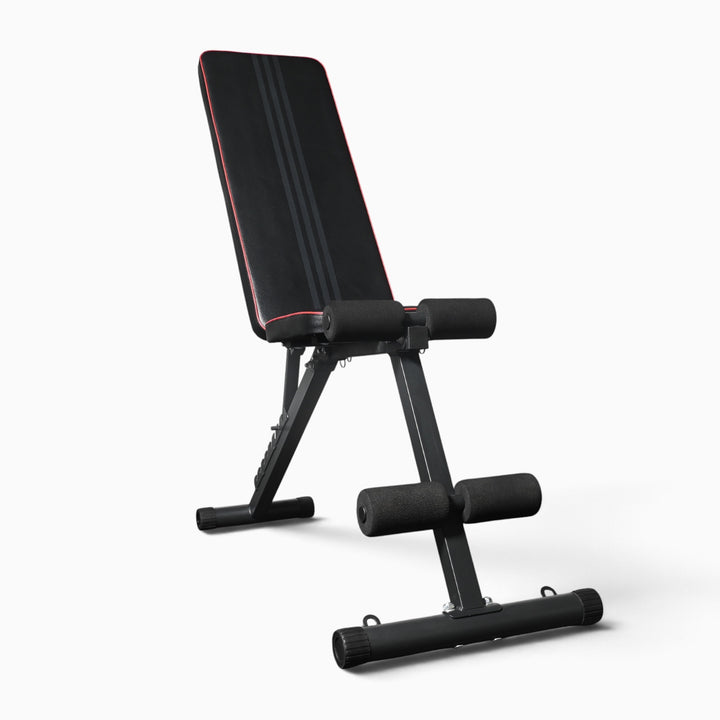
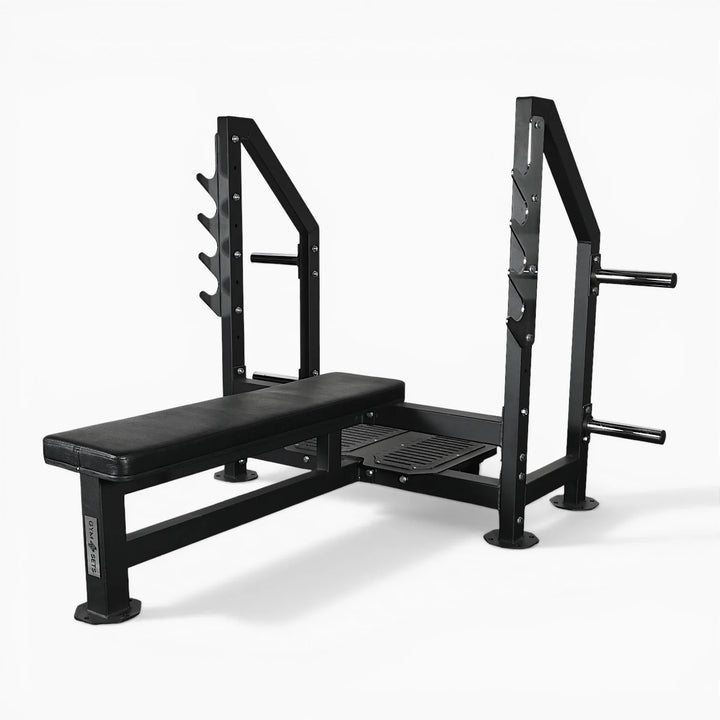
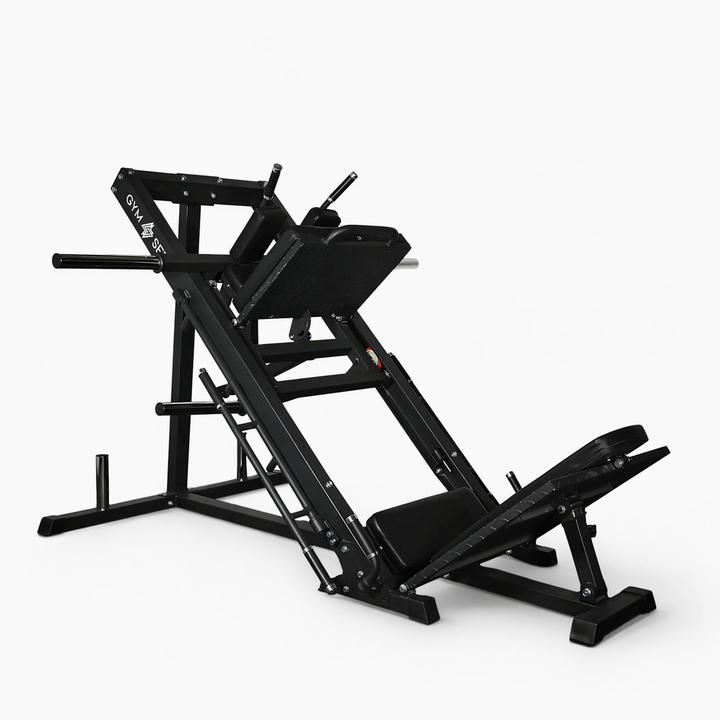
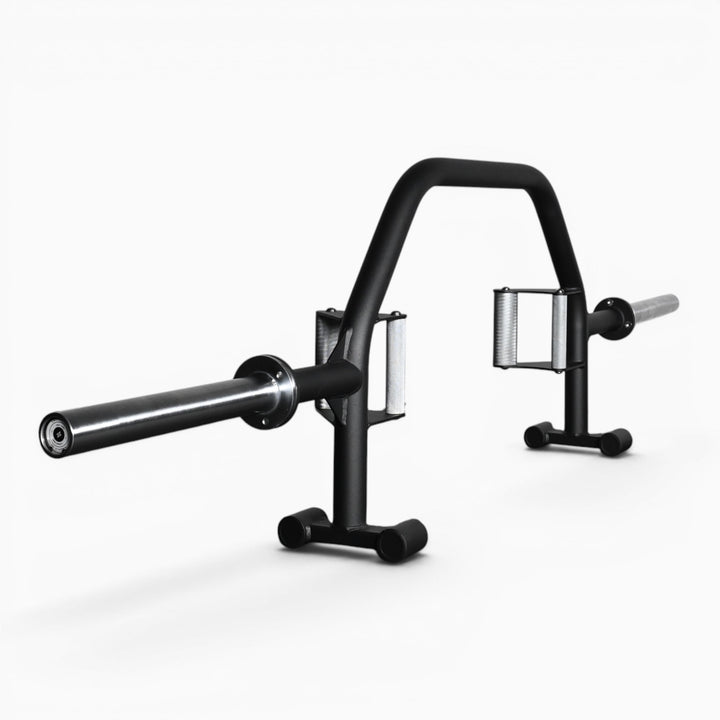
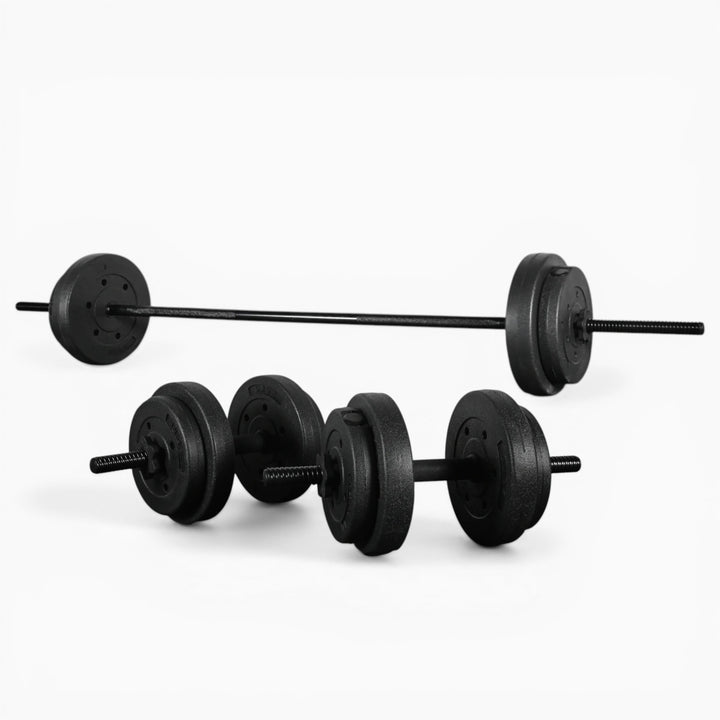
For those who find the atmosphere of a public fitness centre intimidating or simply cannot find the time to commute, building a commercial gym in your own garage or spare room has become an increasingly popular alternative. When you are building a commercial gym space for personal use, you have the luxury of selecting equipment that specifically targets your goals. You do not need fifty different machines; you need a high-quality power rack, a solid barbell, and plenty of weight plates. The psychology of having a dedicated, professional-grade space at home cannot be overstated. It removes the barriers to entry and allows you to train with the same intensity and equipment quality you would find in a high-street facility. Investing in your own infrastructure is often the turning point for people who have struggled with consistency in the past.
The Importance of Functional Core Training
Once you have your nutrition and overall strength training in check, you can start looking at specific abdominal work. However, instead of traditional crunches which can put undue stress on your lower back, you should focus on functional movements that the core was designed for. The primary job of your abdominals is not to flex the spine but to stabilise it. Exercises like the hollow body hold, planks, and Pallof presses teach your muscles how to resist movement and transfer power between your upper and lower body. When you incorporate these into your sessions at a commercial gym, you are building a core that is not only aesthetically pleasing but also structurally sound. This prevents injuries and ensures that when your body fat drops low enough, the muscles looking back at you are thick and well-defined rather than thin and flat.
Managing Stress and Sleep for Fat Loss
One of the most overlooked factors in reducing belly fat is the impact of cortisol and sleep deprivation. If you are chronically stressed and only sleeping five hours a night, your body will cling to fat, particularly in the midsection. High cortisol levels encourage fat storage in the abdominal region and can lead to increased cravings for high-calorie, sugary foods. You can have the perfect workout plan and a pristine diet, but if your recovery is non-existent, your results will suffer. Prioritising seven to nine hours of quality sleep and finding ways to manage daily stress—whether through walking, meditation, or simply unplugging from your phone—is just as important as any exercise you perform. A rested body is a body that is willing to change.
The Myth of Six Pack Supplements
The supplement industry spends millions of pounds trying to convince you that a "fat burner" pill is the secret to a six-pack. Let us be very clear: there is no legal pill or powder that will cause significant fat loss in the absence of a caloric deficit. Most fat burners are simply overpriced caffeine pills that might give you a slight energy boost but do very little for your actual metabolism. Instead of wasting money on these products, invest that capital into high-quality whole foods or better equipment if you are building a commercial gym at home. Supplements like whey protein or creatine can be helpful tools to support your training, but they are the final five percent of the puzzle. The other ninety-five percent is hard work, patience, and consistency.
Consistency Over Intensity
The biggest mistake people make is going too hard, too soon. They decide they want a six-pack and suddenly they are training six days a week and eating nothing but chicken and broccoli. This approach almost always leads to burnout within a month. The person who goes to a commercial gym three times a week for a year will always see better results than the person who goes every day for three weeks and then quits. You need to find a rhythm that fits into your actual life. This journey is a marathon, not a sprint. Your body fat didn't appear overnight, and it won't disappear overnight either. Celebrate the small wins, like your clothes fitting better or being able to lift a heavier weight, rather than obsessing over the daily fluctuations on the weighing scales.
Understanding Genetic Limitations and Body Type
It is important to have a healthy dose of realism when it comes to your physical appearance. Everyone’s abdominal structure is genetically determined. Some people have a symmetrical four-pack, some have a staggered six-pack, and some have eight. No amount of training can change the shape of your muscle bellies or where your tendons attach. Furthermore, some people naturally carry more fat in their extremities, while others carry it in their torso. Comparing yourself to fitness influencers who may have elite genetics (or even chemical assistance) is a recipe for unhappiness. Focus on being the leanest, strongest version of yourself rather than trying to replicate someone else’s anatomy.
Long Term Maintenance of a Lean Physique
Getting a six-pack is one thing, but maintaining it is another challenge entirely. Many people reach their goal and then immediately revert to their old habits, leading to the dreaded "yo-yo" effect. To stay lean, you need to transition from a weight-loss mindset to a lifestyle mindset. This involves finding a balance where you can enjoy social events and occasional treats without derailing your progress. It means making the commercial gym a permanent part of your weekly routine rather than a temporary punishment. If you have taken the route of building a commercial gym in your home, you have already made a long-term commitment to your health that makes this maintenance phase much easier to navigate.
The Role of Hydration in Muscle Definition
Water intake plays a surprisingly large role in how your abdominals look on a day-to-day basis. When you are dehydrated, your body can actually hold onto "water weight" under the skin, which creates a soft, blurred appearance. Drinking enough water helps your kidneys flush out excess sodium and keeps your muscles looking full and hydrated. It also aids in digestion and can help prevent the bloating that often makes a flat stomach look distended. Aim for three to four litres of water a day, especially if you are training intensely. It is the simplest and cheapest "bio-hack" for improving your physical appearance and your energy levels simultaneously.
Tracking Progress Beyond the Scale
If you only use the scales to measure your success, you are going to get discouraged. Weight can fluctuate wildly based on water retention, glycogen levels, and even the time of day. Instead, use a variety of metrics. Take progress photos every two weeks in the same lighting. Use a tape measure to track your waist circumference. Pay attention to how your strength is progressing in the gym. Often, you will see your body shape changing and your muscles becoming more defined even if the number on the scale isn't moving as fast as you would like. This is because you are likely losing fat and gaining muscle at the same time—the "holy grail" of body transformation.
Adapting Your Training as You Get Leaner
As you drop to lower levels of body fat, your energy levels might start to dip. This is where your programming needs to become more intelligent. You might find that you cannot recover from the same volume of training you did when you were heavier. This is the time to focus on intensity over quantity. Make every rep count in the commercial gym. Ensure your form is perfect and that you are still pushing to maintain your strength levels. Protecting your hard-earned muscle becomes the priority when your body is in a lean state. Listen to your body and don't be afraid to take an extra rest day if you feel truly depleted.
The Psychological Impact of Physical Transformation
Finally, it is worth noting that while a six-pack is a great goal, it won't magically solve all of your problems. Many people reach their "dream body" only to find they feel the same as they did before. The real value of this journey is the discipline, resilience, and self-respect you build along the way. The person who has the dedication to transform their physique is a person who can apply that same work ethic to their career, their relationships, and their personal growth. Whether you are training in a busy commercial gym or you have invested in building a commercial gym for your own use, the habits you form are the true reward.
Final Thoughts on Your Fitness Journey
Reducing belly fat and revealing a six-pack is a straightforward process, but that doesn't mean it is easy. It requires you to ignore the "quick fixes" and commit to the basic principles of biology and physics. Eat in a deficit, prioritise protein, lift heavy weights, and get plenty of sleep. If you do these things consistently for months rather than weeks, the results will inevitably follow. Don't get distracted by the noise of the fitness industry. Stick to the plan, trust the process, and remember that the best time to start was yesterday, but the second best time is right now. Your journey to a stronger, leaner version of yourself starts with the very next meal you eat and the very next workout you complete. You have the tools and the knowledge; now all that remains is the execution.