




It’s the ultimate fitness frustration. You’ve swapped the biscuits for broccoli, you’re hitting your step count, and you’ve even started turning down the Friday night takeaway. Yet, when you step on the scales, the needle hasn’t budged. Or worse, it’s gone up.
If you feel like you’re doing everything "right" but you're not losing weight, you aren’t alone. Weight loss is rarely a linear path, and "eating well" is a surprisingly subjective term.
In this guide, we’re going to peel back the layers on why the weight isn’t dropping and how your environment—from your kitchen to your local commercial gym—plays a role in your success.
1. The "Healthy Food" Halo Effect
One of the most common pitfalls is the "Healthy Food Halo." Just because a food is nutritious doesn't mean it’s calorie-free.
- Avocados: Packed with healthy fats, but a single large one can contain 300+ calories.
- Nut Butters: A staple of "clean eating," but two tablespoons can easily clock in at 200 calories.
- Olive Oil: Essential for heart health, but a "glug" in the pan can add 120 calories per tablespoon.
If you are eating high-quality, whole foods but still consuming more energy than you burn, you won't lose weight. This is the fundamental law of thermodynamics.
2. Underestimating Liquid Calories
You might be eating like a saint, but what are you drinking? Liquid calories are the "silent killers" of a weight loss journey because they don't trigger the same fullness signals as solid food.
| Drink Type | Average Calories |
| Large Flat White (Whole Milk) | 180 kcal |
| Fresh Orange Juice (250ml) | 110 kcal |
| "Healthy" Fruit Smoothie | 250 - 400 kcal |
| Glass of Red Wine (175ml) | 160 kcal |
If you’re grabbing a latte on the way to work and a smoothie after your session at the commercial gym, you could be adding 500 calories to your day without even feeling like you’ve "eaten."
3. The Role of Exercise (and Overestimating it)
Many people start a new routine and think, "I worked out today, I can afford this extra snack." This is known as compensatory eating.
The reality is that most fitness trackers overestimate how many calories we burn during a workout. You might spend an hour sweating in a high-tech commercial gym, but if you reward yourself with a protein bar and a sports drink, you’ve likely cancelled out the entire deficit you just created.
Why Your Gym Choice Matters
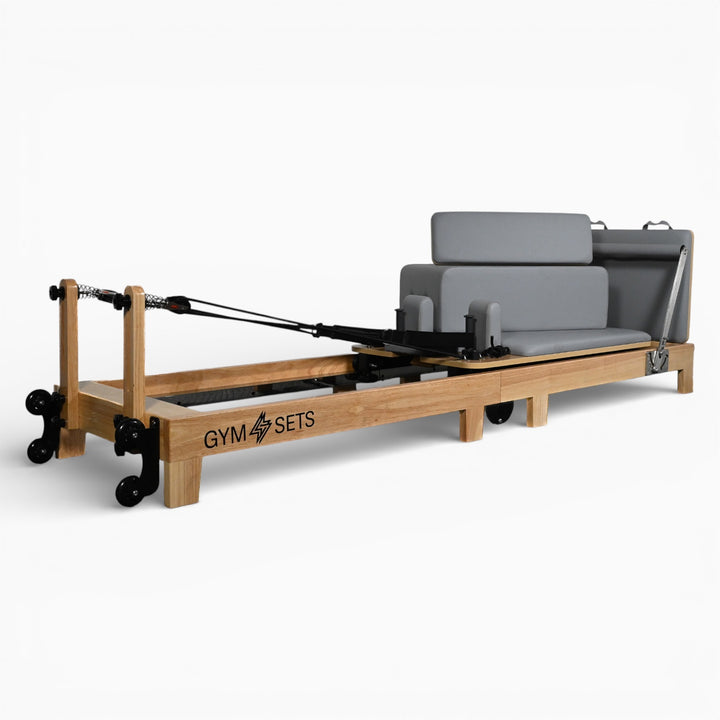
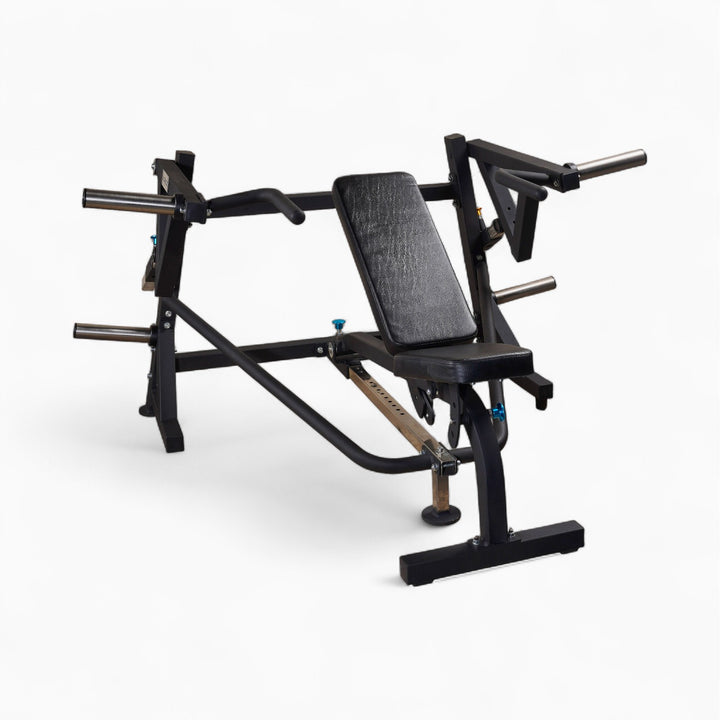
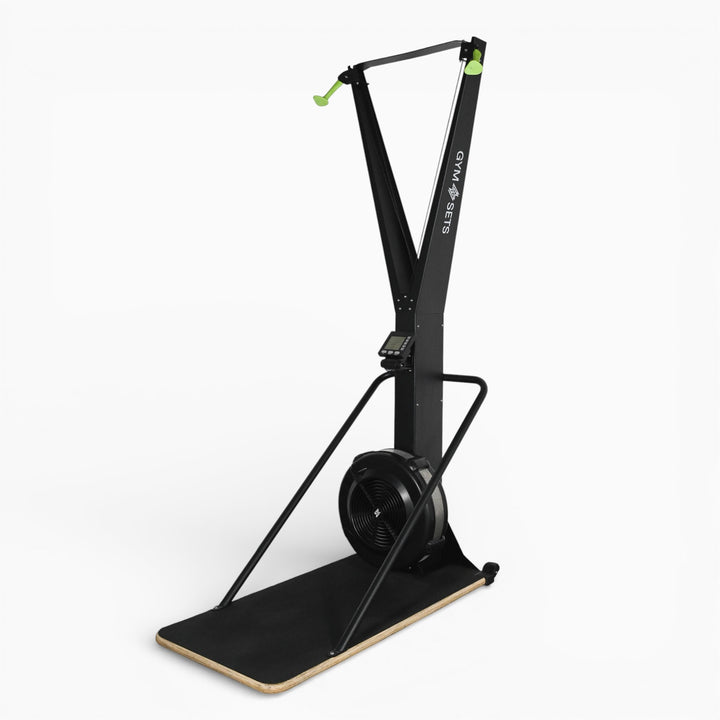
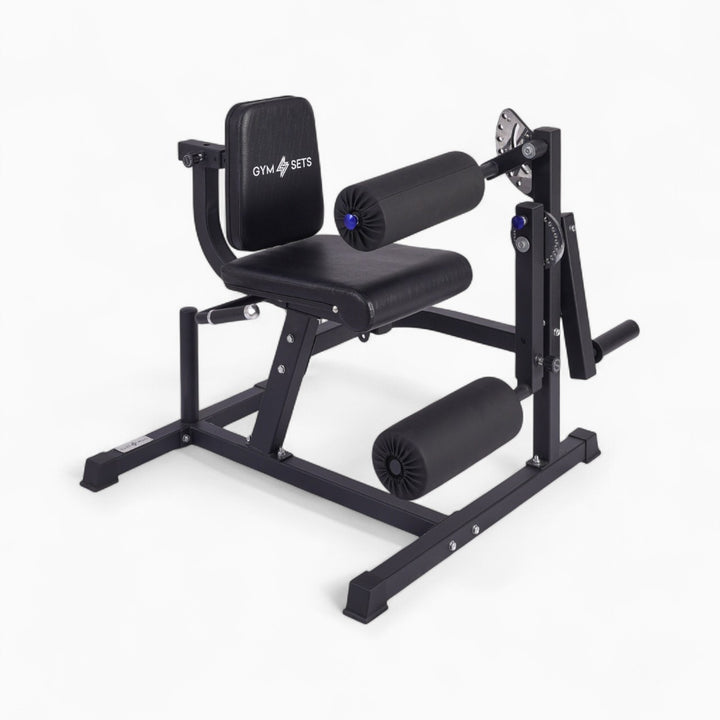
The environment in which you train can dictate your intensity. A well-equipped commercial gym offers variety—rowers, lifting platforms, and resistance machines—that help you maintain a high metabolic rate. If you find your current routine is stale, it might be time to look for a facility that prioritises building a commercial gym environment focused on functional movement and progressive overload, rather than just rows of treadmills.
4. You’re Not Eating Enough Protein
Protein is the most "expensive" macronutrient for your body to process. This is known as the Thermic Effect of Food (TEF). Your body uses more energy to break down steak or lentils than it does to break down white bread or pasta.
Furthermore, protein is vital for muscle retention. If you lose weight without eating enough protein, you'll lose muscle mass along with fat. This lowers your Basal Metabolic Rate (BMR), meaning you burn fewer calories at rest—making it even harder to keep the weight off.
5. Stress and the Cortisol Connection
You can have a perfect diet and a dedicated gym routine, but if your stress levels are through the roof, your body might hold onto fat for dear life.
When we are chronically stressed, our bodies produce cortisol. High cortisol levels are linked to:
- Increased cravings for high-fat, high-sugar foods.
- Increased abdominal fat storage.
- Poor sleep quality (which further disrupts hunger hormones).
If you’re juggling a high-pressure job and three kids, your "lack of progress" might not be a diet issue—it might be a recovery issue.
6. The "Weekend Warrior" Syndrome
Many people are incredibly disciplined from Monday to Friday. They hit their macros, they visit the commercial gym, and they track every calorie.
Then, Saturday arrives.
A few drinks on Friday night, a brunch on Saturday, and a Sunday roast can easily add up to 3,000+ extra calories over the weekend. This effectively wipes out the small 300-calorie deficit you worked so hard to maintain during the week. To the scale, it looks like you aren't losing weight, but in reality, your weekly average is simply at "maintenance."
7. Lack of NEAT (Non-Exercise Activity Thermogenesis)
NEAT refers to the energy expended for everything we do that is not sleeping, eating, or sports-like exercise. It includes walking to the bus, typing, fidgeting, and cleaning the house.
If you spend an hour at the commercial gym but then sit at a desk for eight hours and on the sofa for four, your total daily energy expenditure (TDEE) will be surprisingly low. We often "protect" ourselves after a hard workout by moving less the rest of the day.
Tip: Aim for 10,000 steps a day in addition to your gym sessions. This keeps your metabolism humming consistently.
8. Hidden Ingredients in "Eating Well"
Eating out or ordering "healthy" takeaways is a minefield. Restaurants prioritise taste above all else, which usually means adding butter, oils, and sugar to dishes that sound healthy on paper.
A "Superfood Salad" at a café can often contain more calories than a burger once you account for the candied walnuts, feta cheese, and oil-heavy dressing. If you aren't seeing results, try preparing your own meals for two weeks to see if "hidden" calories were the culprit.
9. Muscle Gain vs. Fat Loss
If you have recently started a strength training program at a commercial gym, you might be experiencing body recomposition.
Muscle is much denser than fat. You could be losing fat and gaining muscle simultaneously. In this scenario, the number on the scale stays the same, but your body composition is changing for the better.
How to check:
Are your clothes fitting differently?
Do you have more energy?
Are you getting stronger in your lifts?
Do your measurements (waist, hips) show a decrease?
If the answer is yes, ignore the scale. You are making progress.
10. The Evolution of the Gym Environment
The way we exercise is changing. In the past, building a commercial gym meant filling a room with as many cardio machines as possible. Today, the focus has shifted toward strength and conditioning.
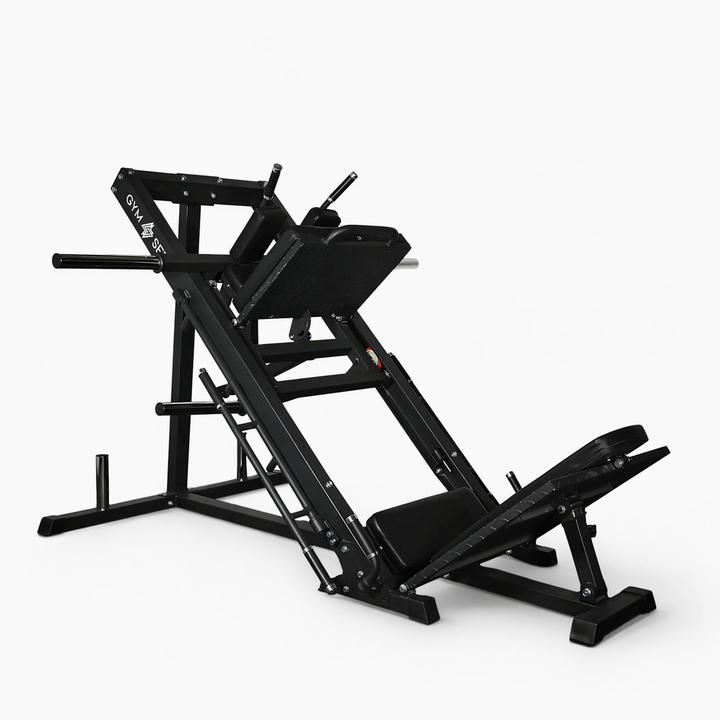
Modern facilities are designed to help you build lean tissue, which is the ultimate "fat-burning" engine. If your current gym feels like a museum of 1990s leg press machines, it might be hindering your ability to train with the intensity required to see real change.
Summary: What Should You Do Next?
If your weight loss has stalled, don't panic and don't drop your calories to dangerously low levels. Instead, try these steps:
- Track Everything for One Week: Use an app to log every bite, including oils and drinks. You might be surprised.
- Increase Protein: Aim for 1.6g to 2.2g of protein per kilogram of body weight.
- Prioritize Sleep: Aim for 7–9 hours to keep cortisol and hunger hormones (ghrelin/leptin) in check.
- Audit Your Gym Routine: Ensure you are lifting weights at your commercial gym at least 3 times a week to protect your muscle mass.
- Be Patient: Real, sustainable fat loss takes time. Aim for 0.5kg to 1kg per week.
Weight loss is a marathon, not a sprint. By understanding the nuances of "eating well" and ensuring your environment—both in the kitchen and the gym—supports your goals, you'll finally start to see the results your hard work deserves.
How long have you been following your current routine, and have you noticed any changes in your energy levels or how your clothes fit?