

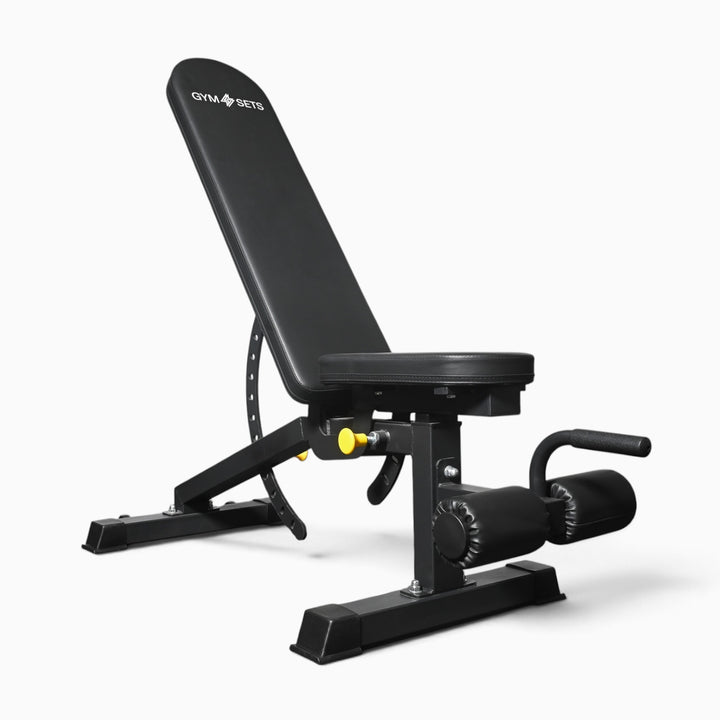

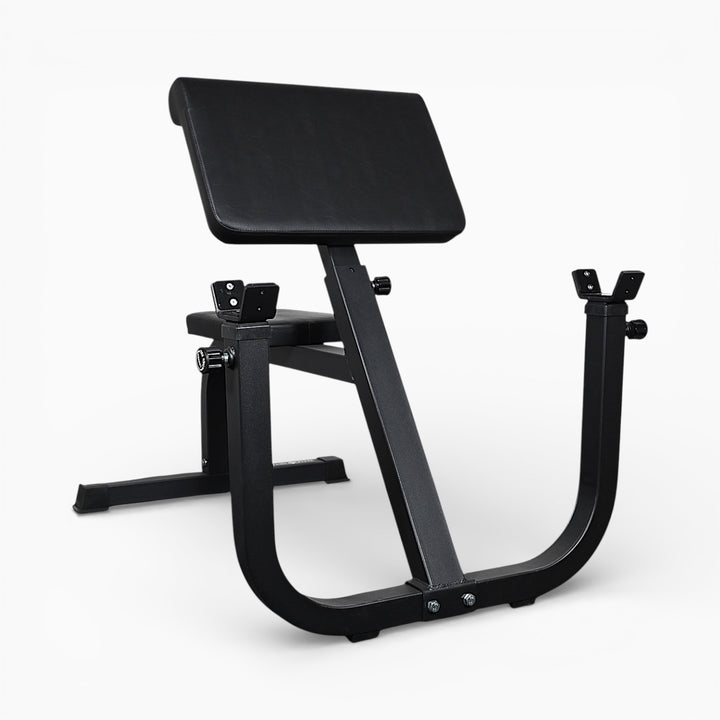

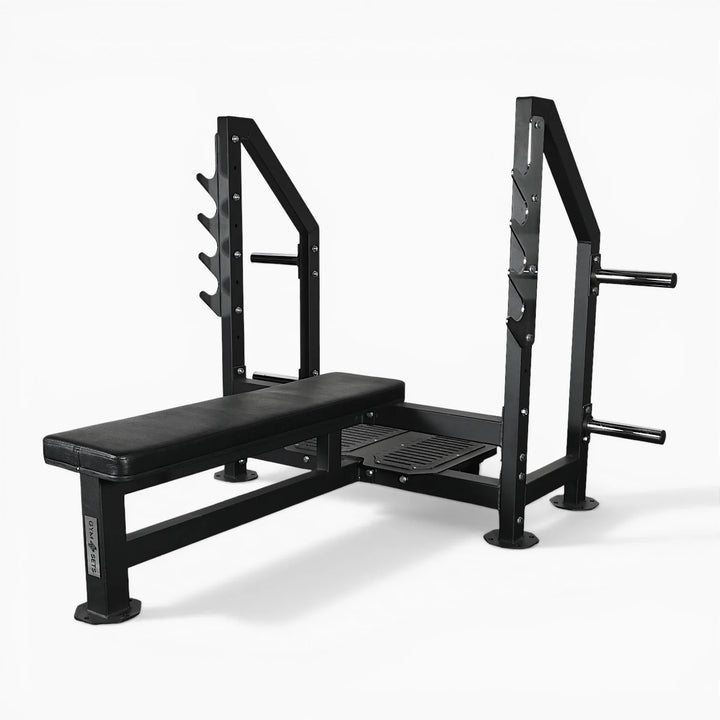


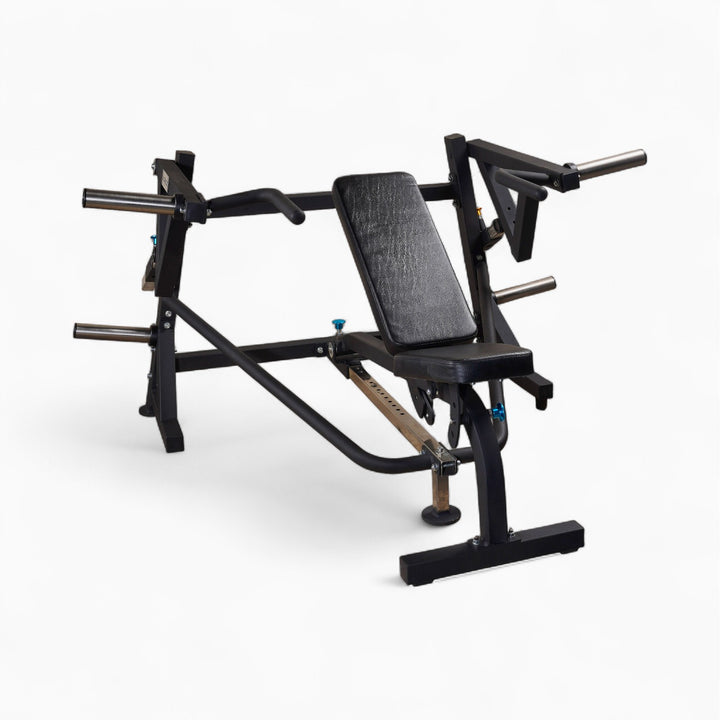







Designing my weekly workout plan for gaining muscle requires balancing progressive overload, hitting each muscle group two to three times per week, and scheduling dedicated recovery days. A structured four-to-five-day split focused on heavy compound lifts is the most efficient way to stimulate optimal muscle hypertrophy.
Introduction
Taking control of your fitness journey starts with building a routine that actually delivers results rather than leaving you exhausted without any progress. Walking into the gym without a clear strategy is one of the most common reasons people fail to see the physical changes they want.
In this comprehensive guide, we are going to walk through the exact steps required for designing my weekly workout plan for gaining muscle. We will cover the science of muscle growth, how to structure your training days, choose the right exercises, and manage your recovery so you can build your ideal physique sustainably.
The Core Principles of Muscle Growth
Before picking up a single weight, it is vital to understand the physiological triggers that actually force your body to build new lean muscle tissue. Muscle hypertrophy does not happen by accident; it is an adaptive response to a specific type of physical stress.
If you keep lifting the exact same weights for the exact same repetitions every single week, your body has absolutely no reason to grow. Your workout blueprint needs to be built around core mechanical principles that consistently challenge your muscle fibers over time.
Progressive Overload Explained
-
Progressive overload means gradually increasing the total demand placed on your musculoskeletal system during your training sessions over time.
-
You can achieve this by adding a small amount of weight to the bar, performing more repetitions, or reducing your rest periods between sets.
-
Keeping a detailed training log is incredibly useful for ensuring that you are actually progressing rather than just guessing your weights each day.
Frequency and Volume
-
Training each major muscle group two to three times per week provides significantly better growth signals than training them only once.
-
Total weekly training volume, calculated as sets multiplied by reps multiplied by weight, needs to hit a sweet spot to spark growth without causing systemic burnout.
-
Aiming for roughly ten to twenty high-quality working sets per muscle group each week is generally the golden standard for most lifters.
Choosing Your Ideal Weekly Split
There is no single perfect workout split that works for absolutely everyone, as the best routine is always the one you can consistently stick to. Your schedule, recovery capacity, and personal preferences should dictate how you organize your training week.
We want to maximize our time in the gym while giving our bodies plenty of time to repair and rebuild outside of it. Let us look at the three most effective weekly splits you can use when designing your new routine.
The Upper and Lower Split
-
This classic four-day routine divides your training sessions evenly between your upper body and your lower body muscles.
-
It allows you to hit every single muscle group twice per week with plenty of rest days spaced out in between.
-
A typical layout involves training on Monday and Tuesday, taking Wednesday off, and training again on Thursday and Friday.
The Push, Pull, Legs Routine
-
This highly popular five-day split organizes your exercises based on the mechanical movement patterns of your muscles.
-
Push days target your chest, shoulders, and triceps, while pull days focus heavily on your upper back, lats, and biceps.
-
Dedicated leg days ensure your quadriceps, hamstrings, and calves get the focused attention they need to grow symmetrically.
Selecting the Best Exercises for Mass
Not all gym exercises are created equal when it comes to packing on lean, functional muscle mass efficiently. Your plan should be built around heavy compound movements that recruit multiple joints and large muscle groups simultaneously.
Isolation movements definitely have their place for shaping and detailing specific muscles, but they should act as the finishing touches. Let us explore how to choose the right movements to form the absolute foundation of your routine.
Master the Compound Lifts
-
Exercises like the barbell squat, conventional deadlift, overhead press, and bench press should always be the absolute priority in your workouts.
-
These heavy movements recruit the maximum amount of muscle fibers and trigger a much larger natural hormone response in the body.
-
Perform these taxing compound exercises at the very beginning of your session when your energy levels and focus are at their highest.
Smart Isolation Work
-
Bicep curls, tricep extensions, and lateral raises are brilliant tools for targeting smaller areas that compound lifts might miss.
-
Use higher repetition ranges and focus heavily on the mind-muscle connection during these lighter accessory movements.
-
These exercises allow you to accumulate valuable extra training volume without putting excessive stress on your central nervous system.
Structuring an Individual Training Session
Knowing which exercises to do is only half the battle; you also need to know how to arrange them within a single session. A chaotic workout with random ordering will severely limit your strength potential and increase your risk of injury.
Every single training session should follow a logical flow that prepares your joints, maximizes performance, and finishes with focused hypertrophy work. Let us look at how to structure a perfect daily workout from start to finish.
The Warm-Up Protocol
-
Spend five to ten minutes doing light cardiovascular work to raise your core body temperature and increase blood flow to your muscles.
-
Follow this with dynamic mobility movements like arm circles and bodyweight lunges to prepare your joints for heavy loads.
-
Perform a few lighter warm-up sets of your first major exercise to prime your nervous system before tackling your heavy working weight.
Sets, Reps, and Rest Times
-
Keep your heavy compound movements in the lower repetition range of five to eight reps to build a solid foundation of raw strength.
-
Transition to the traditional hypertrophy range of eight to twelve repetitions for your secondary variations and machine movements.
-
Give yourself a full two to three minutes of rest between heavy sets to ensure your muscles recover enough to lift with maximum power.
Nutrition Strategy for Hypertrophy
You can design the most flawless weekly training routine in the world, but your muscles simply will not grow if you do not provide them with fuel. Training acts as the architect that draws the blueprints, but food is the actual brick and mortar that builds the house.
To gain significant muscle tissue, you need to support your hard work in the gym with a structured approach to your daily nutrition. Eating aimlessly usually results in either fat gain or staying completely stuck at the exact same body weight.
Calculating Your Caloric Surplus
-
To build new tissue efficiently, you need to consume slightly more calories than your body burns on a daily basis.
-
A modest surplus of two hundred to five hundred calories above your maintenance level is perfect for lean muscle gains without excess fat accumulation.
-
Monitor your body weight weekly and adjust your food intake slightly if the scale is not moving upwards at a slow, steady pace.
Prioritizing Your Protein Intake
-
Protein provides the essential amino acids required to repair the microscopic muscle tears caused by intense weight lifting.
-
Aim to consume roughly two grams of protein per kilogram of body weight spread evenly across four to five daily meals.
-
Clean sources like chicken breast, lean beef, eggs, tofu, fish, and quality whey protein should form the core of your daily diet.
The Role of Recovery and Sleep
Muscles do not actually grow while you are working out in the gym; they are actually being broken down and damaged during that time. The actual growth process occurs entirely while you are resting, relaxing, and sleeping deeply at night.
If you skimp on your recovery, your performance will rapidly decline, your hormones will shift unfavorably, and your risk of injury will skyrocket. Treat your rest days with the exact same respect and dedication that you give to your heaviest lifting sessions.
Sleep for Muscle Repair
-
Deep sleep is the peak window for your body to release natural growth hormone and repair damaged muscle tissue.
-
Aim for seven to nine hours of high-quality, uninterrupted sleep every single night to maximize your physical recovery.
-
Keep your bedroom entirely dark and cool, and avoid looking at bright phone screens for an hour before heading to bed.
The Necessity of Deload Weeks
-
Every eight to twelve weeks of hard training, schedule a structured deload week to give your joints and nervous system a break.
-
Reduce your lifting weights by roughly forty percent or cut your total training sets in half for the duration of this week.
-
Taking a planned deload prevents chronic overuse injuries and sets you up for a massive surge of new progress when you return to heavy lifting.
Adjusting Your Plan Over Time
A great workout routine is a living document that needs to evolve alongside your physical adaptations and changing lifestyle needs. What worked brilliantly for you during your first three months might completely stall out as you become more advanced.
You should regularly review your progress indicators to determine if your current plan is still serving your long-term muscle-building goals. Let us look at how to make smart, data-driven adjustments to your routine without ruining your consistency.
When to Change Exercises
-
Stick with the same selection of exercises for at least eight to twelve weeks to allow your body to build real strength in those movements.
-
Swap an exercise out if it starts causing persistent joint discomfort or if you have hit a complete strength plateau for several weeks.
-
Replace it with a similar movement pattern, such as swapping a barbell bench press for a heavy dumbbell incline press to target the fibers differently.
Tracking Real Progress
-
Do not rely solely on the bathroom scale to measure your success, as muscle growth is a slow process that shifts your body composition.
-
Take consistent progress photos in the same lighting every month and track changes in your tape measurements around your arms, chest, and thighs.
-
Celebrate the fact that your gym shirts are fitting tighter across the shoulders and that you are feeling stronger during your daily activities.
Conclusion
Designing my weekly workout plan for gaining muscle is an empowering step that transitions you from exercising randomly to training with genuine purpose. By focusing on progressive overload, choosing compound movements, and prioritizing your nutrition and recovery, you guarantee long-term physical transformations.
Be patient with the process, keep showing up even on the days you feel less motivated, and let your habits compound over time. Choose your favorite split today, write down your starting weights, and commit to executing your new blueprint with absolute consistency.