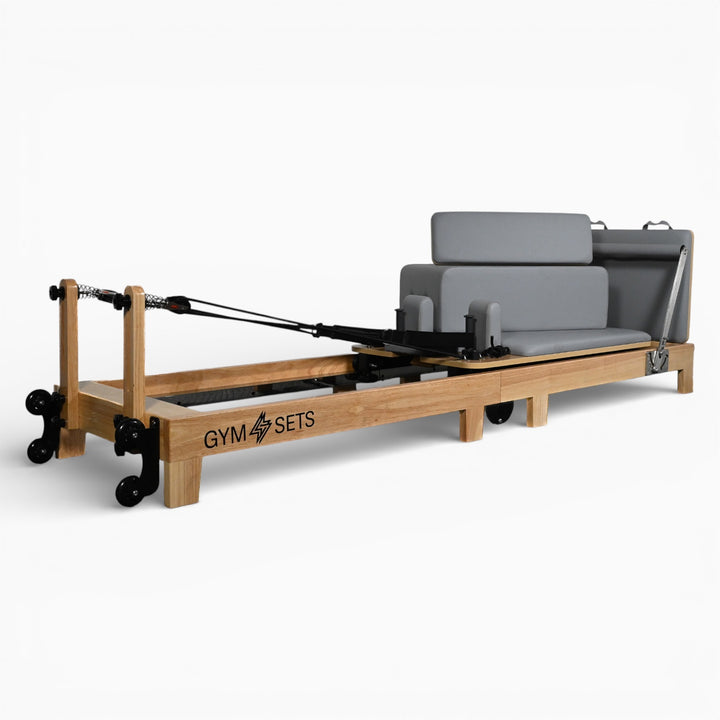
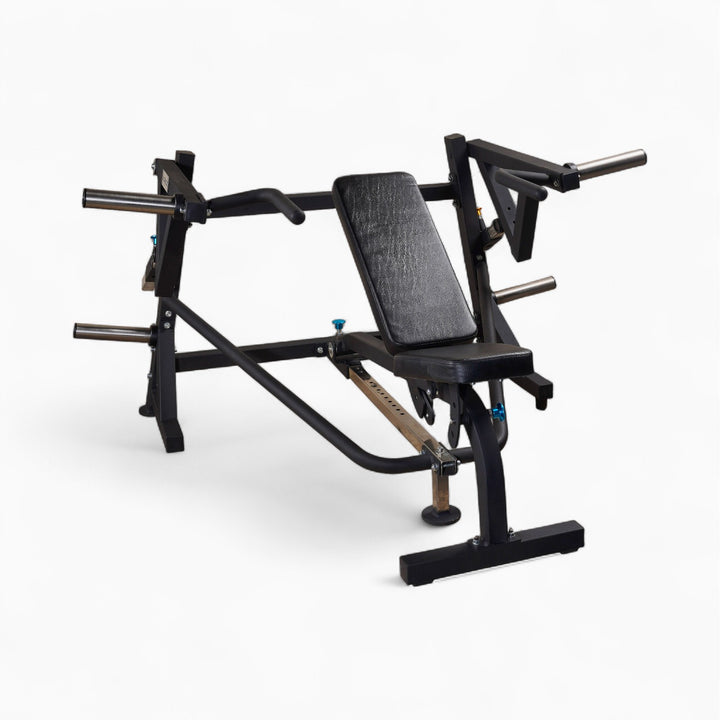
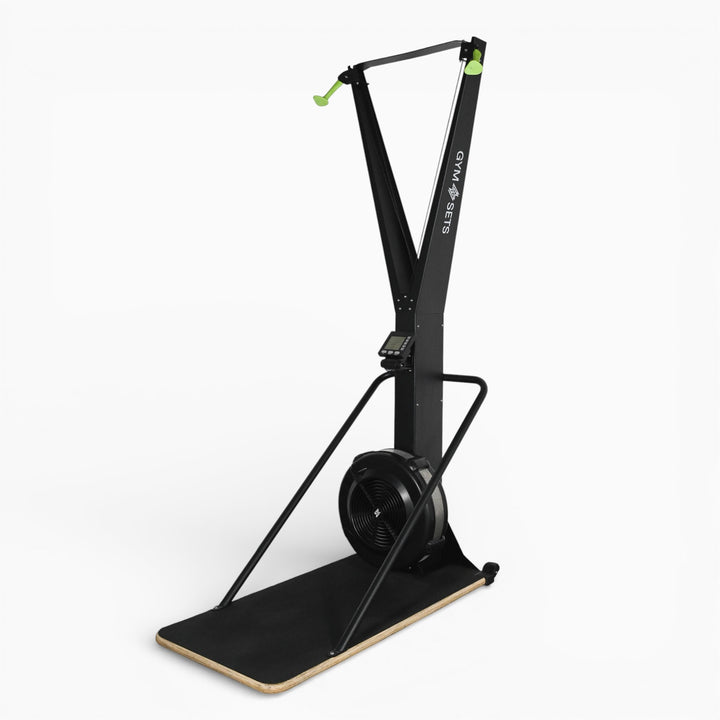
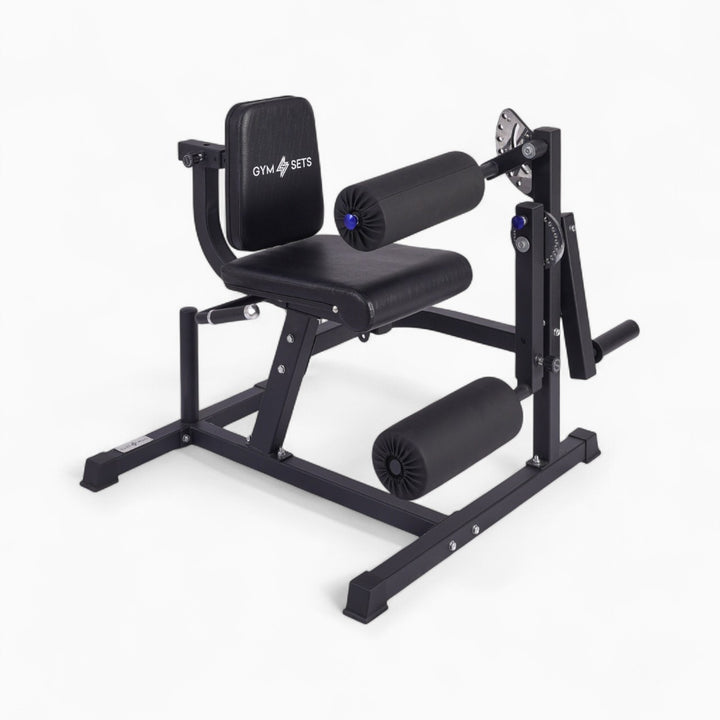





When you step into a commercial fitness facility or browse online stores to design your ideal home gym setup, the sheer volume of training gear can feel entirely overwhelming. You will find massive resistance machines with complex pulley cables, biometric digital consoles, and rows of heavy steel bars. Yet, despite decades of high-tech engineering breakthroughs, the most effective tools for changing your body composition and boosting physical strength remain the simplest ones.
If you are beginning your fitness journey, you have almost certainly come across the term during your research and asked yourself: what are free weights?
Understanding exactly what these versatile strength tools are, how they contrast with fixed gym machines, and how to safely implement them into your lifestyle is the ultimate foundation for workout success. This in-depth guide covers everything you need to know about setting up a comprehensive routine with free weights, maximising your safety, and making informed purchases for your home training space.
What Are Free Weights?
To answer the fundamental question—what are free weights?—we need to look at how the object moves through space during a workout.
A free weight is defined as any training implement that is not attached to a fixed machine, a guide track, or a pulley system. When you pick up a piece of free weight equipment, its movement path is determined entirely by your hands, your skeletal structure, and your own muscular control. The object is completely "free" to move in any direction: upwards, downwards, forwards, backwards, and sideways.
Because the object is not supported by an external steel cage or track, your body must work continuously to balance, guide, and stabilise the load against the constant downward pull of gravity. This contrasts sharply with resistance machines, where the weight stack is securely locked within a rigid metal track, forcing you to move along a pre-determined, single-plane path.
The Core Types of Free Weights Explained
The universe of free weights is incredibly diverse. While they all share the same defining characteristic of unconstrained movement, different tools serve different structural roles within a well-rounded fitness plan.
1. Dumbbells
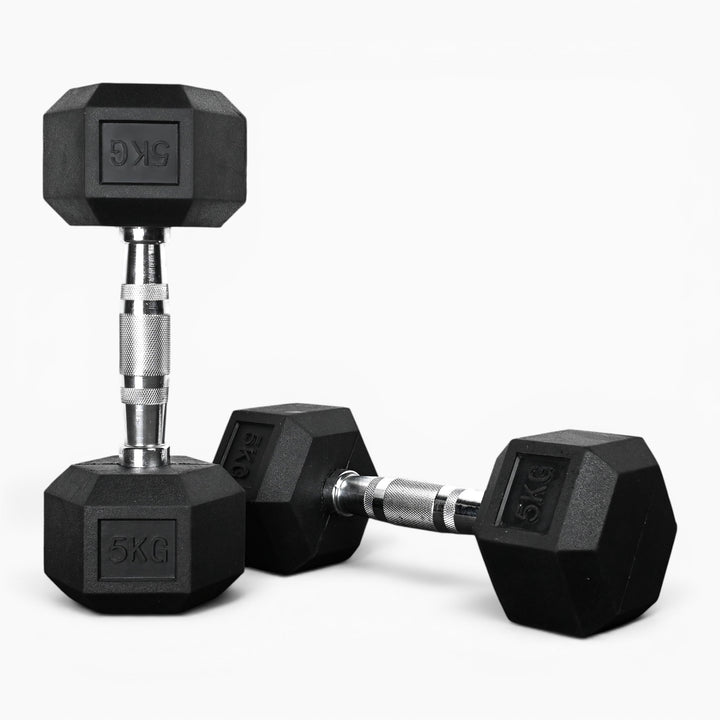
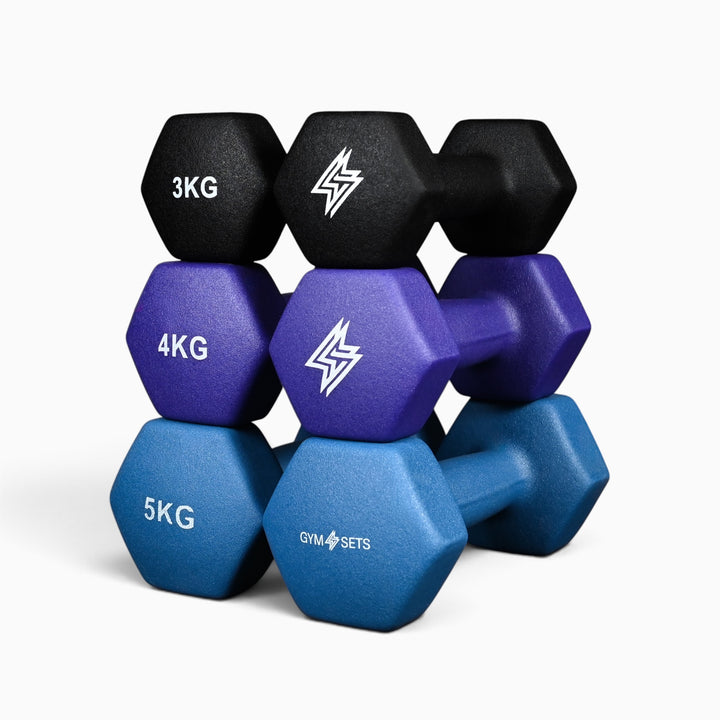
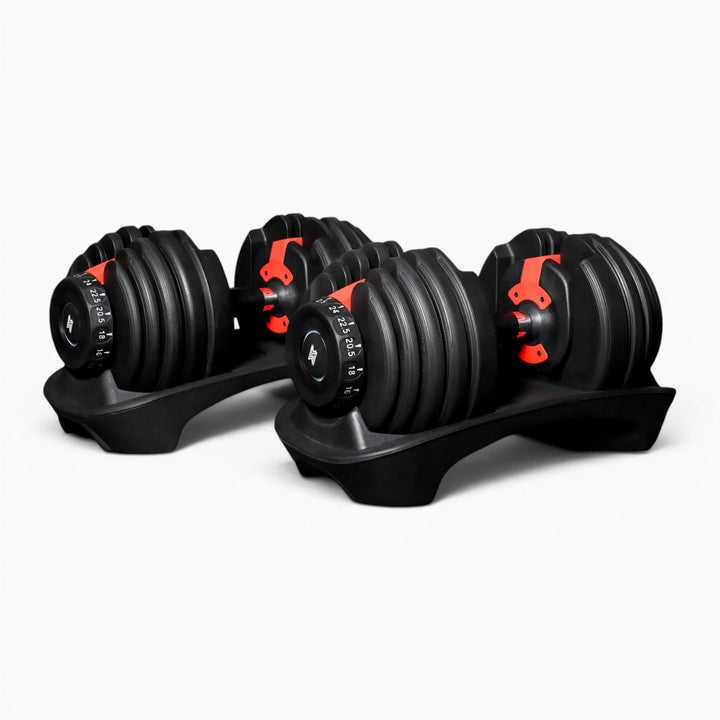
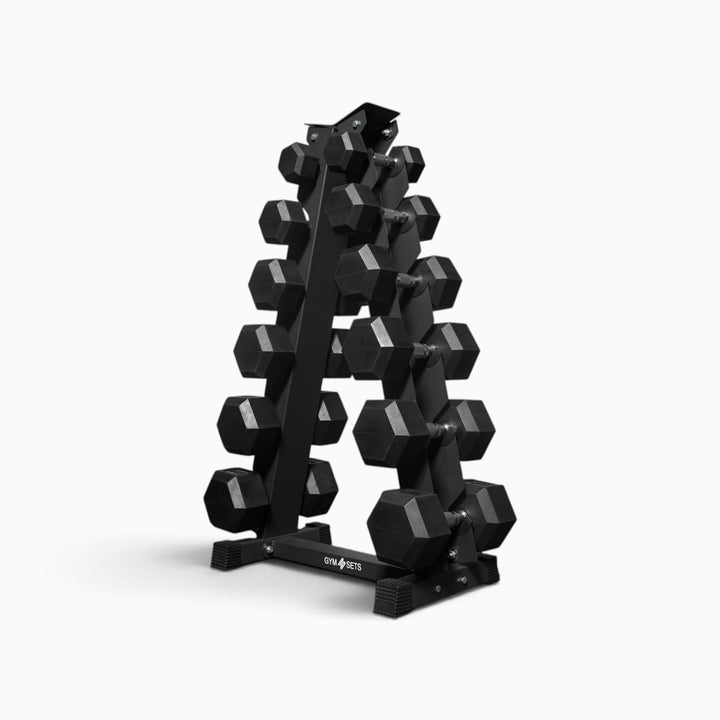
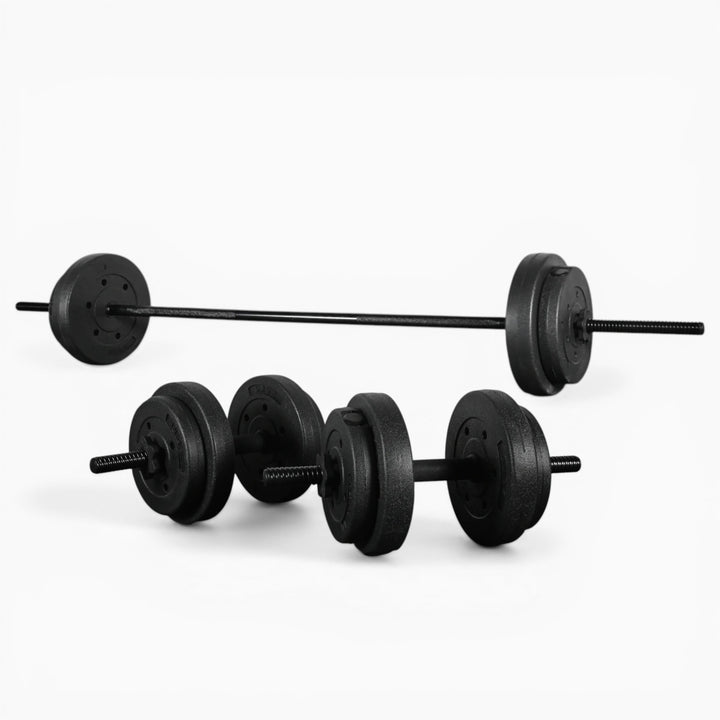
Dumbbells are short bars with equal weight blocks balanced on either end, designed to be held in a single hand. They are typically used in pairs but can be utilised individually for unilateral training (working one side of the body at a time). Dumbbells come in fixed designs, where the rubber, chrome, or cast-iron mass is permanently welded to the handle, or adjustable designs, which allow you to manually swap weight plates using dials, clips, or screw collars.
2. Barbells
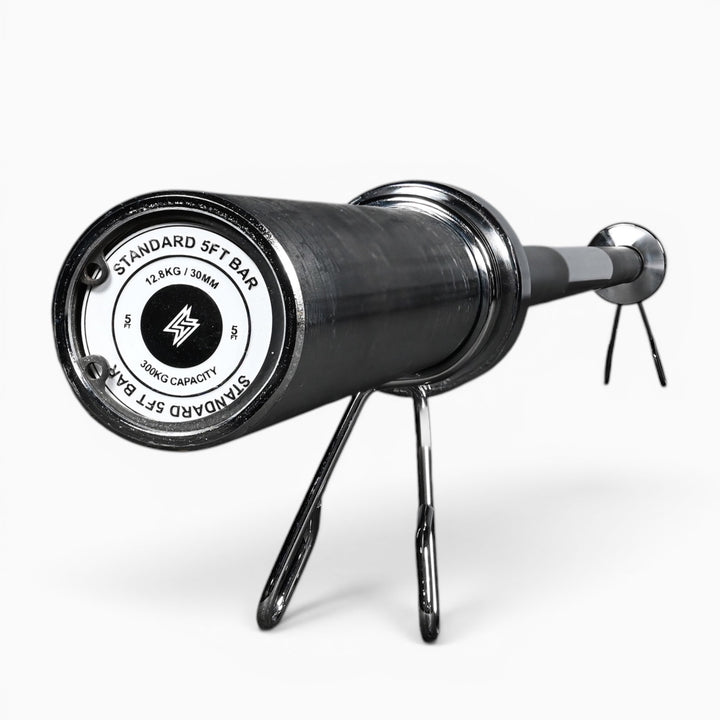
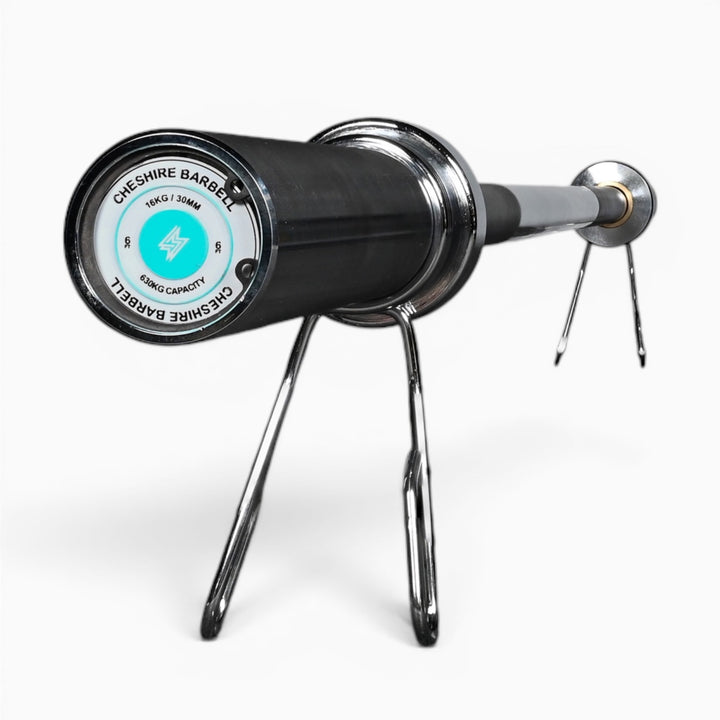
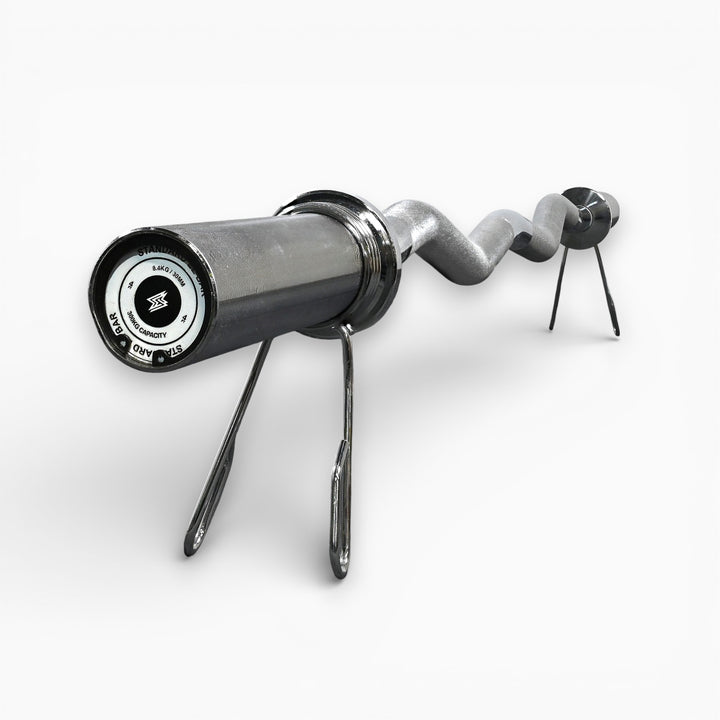
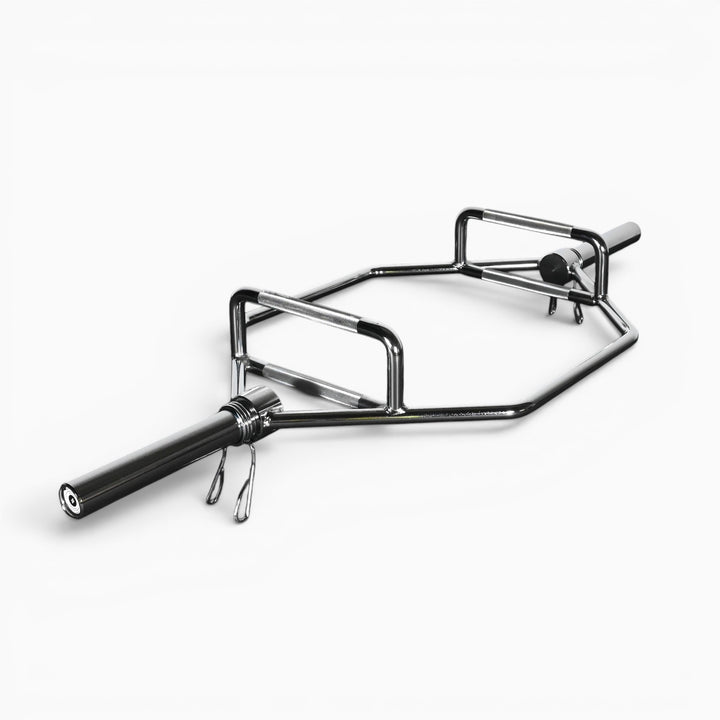
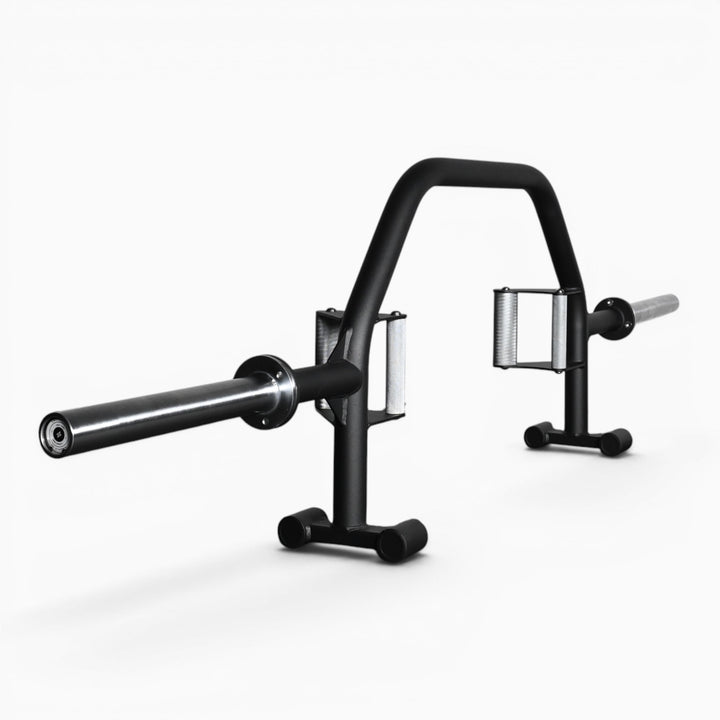
A barbell consists of a long steel rod (typically ranging from five to seven feet in length) designed to be held with both hands. Heavy weight plates are loaded onto the outer sleeves of the bar and secured tightly with locking collars. Because you use both arms to control a single bar, barbells are the absolute gold standard for lifting maximum loads during massive compound movements like deadlifts, squats, and overhead presses.
3. Kettlebells
Originating as traditional trade counterweights, kettlebells are cast-iron or steel spheres with a prominent, loop-shaped handle attached to the top. Unlike a dumbbell, where the center of mass rests neatly within your palm, a kettlebell's mass sits several inches outside your hand grip. This unique offset weight distribution makes them perfect for explosive, dynamic swinging motions that build core strength and cardiovascular endurance simultaneously.
4. Medicine Balls and Slam Balls
These are heavy, weighted spheres filled with sand, gel, or dense rubber compounds. They allow you to safely perform high-velocity, athletic movements such as rotational wall throws, floor slams, and loaded carrying variations. They bridge the gap between traditional raw strength training and explosive, sports-performance power development.
5. Weight Plates and Sandbags
While weight plates are primarily designed to slide smoothly onto barbells, they can also be held independently to add resistance to core twists, lunges, and setups. Similarly, heavy canvas sandbags act as an unstable free weight, shifting their internal mass continuously as you lift them, which forces your deep stabilizer muscles to work incredibly hard.
Free Weights vs. Resistance Machines: The Real Difference
To fully appreciate why coaches worldwide advocate for free weights, it is helpful to look at how your nervous system and musculature react compared to using fixed gym machines.
| Feature | Free Weights | Resistance Machines |
| Movement Path | Determined entirely by the lifter | Fixed along an internal steel track |
| Stabilizer Activation | Exceptionally high across the whole body | Minimal, as the machine balances the load |
| Functional Carryover | Replicates natural day-to-day movements | Isolates specific, single muscles |
| Risk of Injury | Higher if lifting with incorrect technique | Lower, due to the guided safety track |
| Space Requirements | Very compact and highly portable | Large, heavy, and permanently fixed |
The Scientific Benefits of Training with Free Weights
If you want to achieve the absolute best return on your time investment in the gym, free weights offer a distinct set of physiological advantages that machines simply cannot replicate.
1. Superior Muscle Activation and Stabilisation
When you perform a chest press using a fixed machine, the track ensures the handles move perfectly straight. Your chest muscles do the pushing, but you do not need to balance the weight. If you perform that same press with a pair of dumbbells, you must instantly engage your rotator cuffs, your upper back, and your core just to stop the weights from drifting outward or shaking. This high recruitment of stabilizer muscles develops comprehensive, real-world structural integrity.
2. True Functional Fitness Carryover
Think about how you lift objects in everyday life—whether picking up a heavy box of deliveries off the porch, lifting a child into a car seat, or carrying heavy grocery bags up a flight of stairs. None of those real-world tasks occur along a perfectly smooth, guided track. Training with free weights teaches your nervous system how to coordinate multiple joint segments together, lowering your overall risk of injury during day-to-day activities.
3. Correcting Structural Muscle Imbalances
It is incredibly common for one side of the body to be slightly stronger or more dominant than the other. When you use a standard two-handed chest press machine or a fixed bar, your dominant side will subtly take over, pulling harder to complete the movement. This masks the weakness on your non-dominant side. Using independent tools like dumbbells forces each arm to carry its own weight entirely, exposing and correcting those imbalances before they cause chronic joint pain.
4. Unlimited Freedom of Joint Movement
Every human body possesses completely unique structural geometry. The exact angle of your collarbones, the length of your forearm bones, and the depth of your hip sockets dictate how your joints naturally want to rotate. Fixed machines force everyone into an identical, rigid movement track, which can cause repetitive stress issues over time. Free weights allow your wrists, elbows, and shoulders to naturally rotate along the exact path that feels most comfortable for your specific anatomy.
Essential Exercises for a Beginner Free Weight Routine
If you want to build a highly effective workout program using free weights, you should focus your energy on foundational compound movements. These are exercises that recruit multiple joints and large muscle groups at the exact same time.
The Goblet Squat (Targeting Quads, Glutes, and Core)
-
Hold a single dumbbell or kettlebell vertically against your chest, cupping the top weight with both hands.
-
Position your feet slightly wider than hip-width apart, pointing your toes outwards slightly.
-
Take a deep breath, brace your core, and lower your hips down and back as if sitting into a chair.
-
Keep your chest upright and your back flat, allowing your elbows to track inside your knees.
-
Push firmly through your whole foot to drive back up to the starting position, exhaling at the top.
The Dumbbell Row (Targeting Upper Back, Lats, and Bicep Muscles)
-
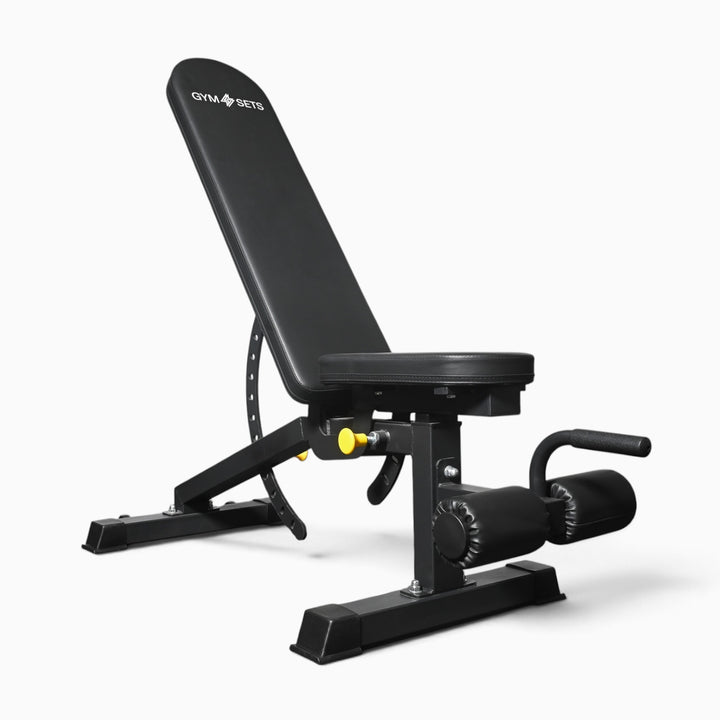
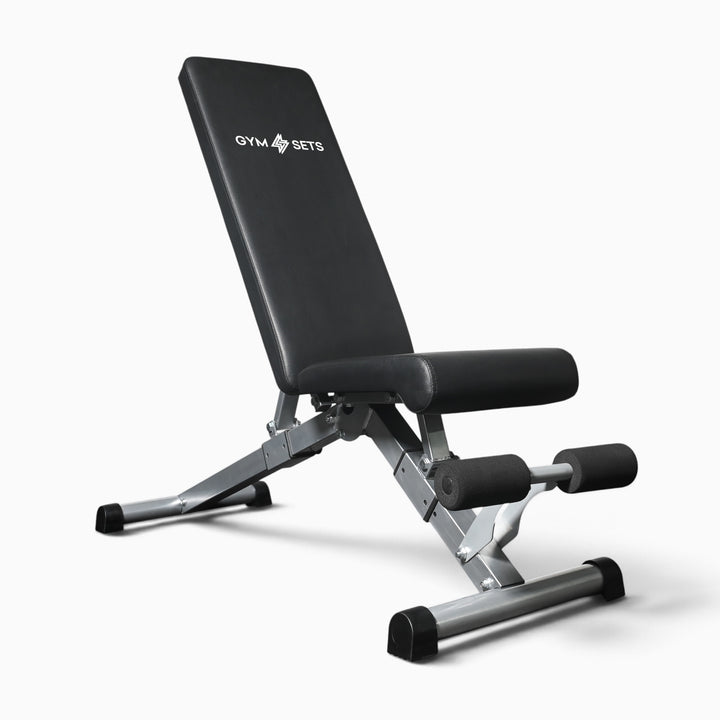
Place your right knee and right hand firmly on a flat workout bench for structural support.
-
Keep your spine perfectly neutral, parallel to the floor, holding a dumbbell in your left hand hanging straight down.
-
Row the weight up towards your lower hip, pulling your elbow backward while keeping your arm tight to your side.
-
Squeeze your shoulder blade inward at the top peak of the movement.
-
Slowly lower the weight back down under full control until your arm is fully extended.
The Overhead Press (Targeting Shoulders, Triceps, and Upper Chest)
-
Stand tall with your feet hip-width apart, holding a pair of dumbbells at shoulder height with your palms facing forward.
-
Press the weights directly overhead in a smooth path until your arms are fully extended without locking your elbows.
-
Keep your core tight and avoid arching your lower back as the weights go up.
-
Lower the dumbbells back down slowly to the starting position under complete control.
How to Stay Completely Safe While Lifting
Because free weights rely entirely on your ability to control the path of the load, implementing strict safety protocols is absolutely crucial to avoid unwanted sprains or dropped equipment.
Prioritise Perfect Form Over Heavy Loads
The single biggest mistake beginners make is chasing heavy weight numbers too early. This ego-driven lifting inevitably leads to swinging your body, arching your spine, and using momentum rather than muscle tissue to move the load. Always start with a weight you can control comfortably for ten to twelve clean repetitions. If your form breaks down on the final reps, the weight is simply too heavy.
Invest in Essential Safety Collars
Whenever you are utilizing a barbell system, always slide safety collars or spring clips onto the ends of the sleeves. As you fatigue during a heavy set, the barbell can tilt slightly to one side. Without secure collars, the heavy iron plates can slide right off the end of the bar, causing the barbell to violently flip sideways in your grip.
Set Up Clear Training Boundaries
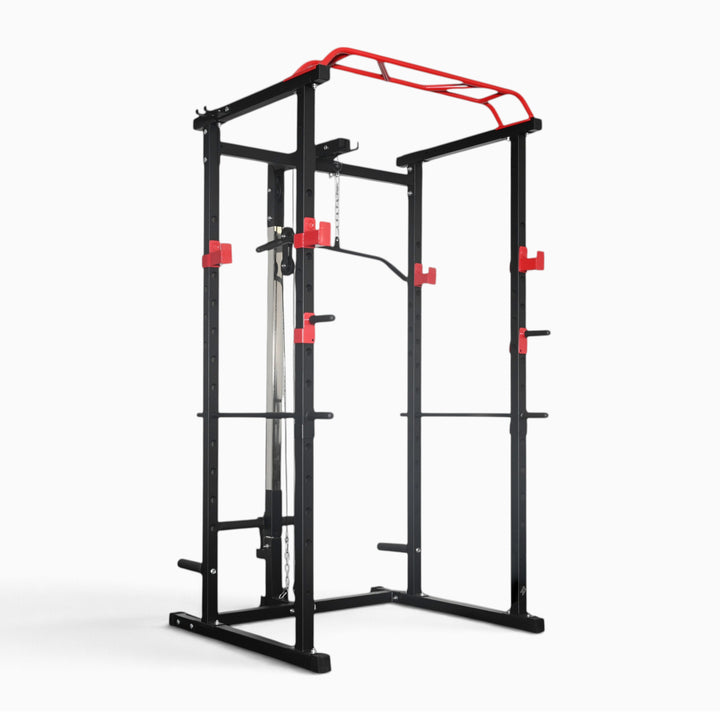
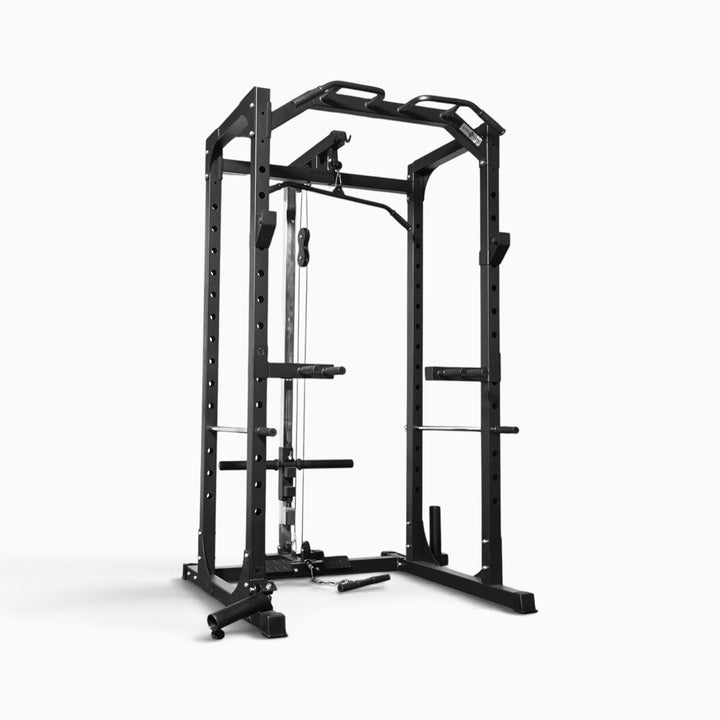
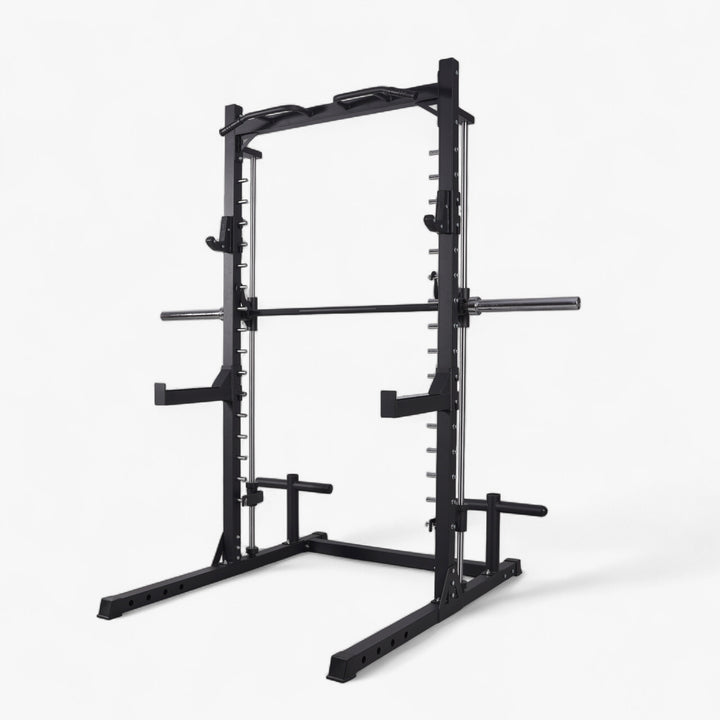
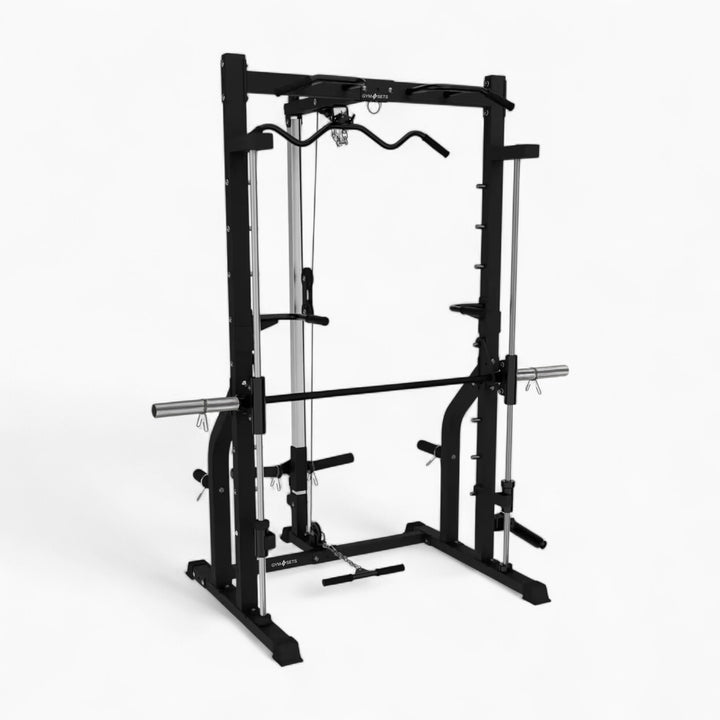
Always make sure your immediate workout environment is completely clear of clutter before picking up any weights. Remove stray water bottles, resistance bands, or foam rollers from your floor space. If you are lifting heavy overhead or squatting with a barbell, ensure you have a clear exit path and consider utilizing a heavy-duty power rack with adjustable steel safety spotter arms to catch the bar if you reach complete muscular failure.
What to Look for When Buying Free Weights for Home Use
If you are looking to purchase equipment for a home gym on a Shopify storefront, making the right material and design choices early will save you significant money and frustration in the long run.
Cast Iron vs. Rubber Coating
Traditional cast-iron weights are highly durable and offer a classic look, but they can be incredibly loud when set down and can easily scratch laminate or hardwood flooring. For home environments, looking for weights coated in premium virgin rubber or clean polyurethane is highly recommended. These protective coatings deaden noise impacts significantly and keep your floors looking pristine.
Hexagonal vs. Round Designs
When browsing dumbbells, you will typically choose between round plates and hexagonal blocks. Hexagonal weights feature flat sides that completely prevent the dumbbell from rolling across the floor when you set it down. This is an incredible benefit for home gyms, and it allows you to safely use the dumbbells as stable handles for floor exercises like renegade rows or push-ups.
Final Thoughts on Your Strength Journey
Answering the question—what are free weights?—is the first major milestone in your long-term fitness transformation. By choosing tools that challenge your stability, respect your body's natural joint mechanics, and scale smoothly over time via progressive overload, you are setting yourself up for incredible physical results.
Whether you start out with a simple, budget-friendly pair of dumbbells in your bedroom or build out a premium garage setup with custom barbells and bumper plates, free weights remain the ultimate investment in your long-term health, strength, and structural vitality.


