




When stepping into the world of home fitness, the sheer variety of strength training equipment can feel overwhelming. You are faced with a massive array of materials, shapes, and weight ranges, each claiming to be the absolute best choice for your personal health journey. If you have been browsing fitness sites or checking out online store listings, you have undoubtedly come across bright, colourful hand weights and wondered: what are vinyl dumbbells?
For anyone looking to tone muscle, burn calories, or build foundational strength without turning their living room into a cold, clunky commercial weight room, these specific tools are an exceptional option.
In this ultimate guide, we will explore exactly what vinyl dumbbells are, look closely at how they are manufactured, dissect their unique benefits, and provide you with actionable advice on how to integrate them into your home training routine for maximum results.
What Are Vinyl Dumbbells?
To answer the core question simply—what are vinyl dumbbells?—we need to look at their construction. A vinyl dumbbell is a solid, fixed-weight fitness tool that consists of a solid iron or sand-and-cement core completely encased in a smooth, durable polyvinyl chloride (PVC) exterior coating.
Unlike the traditional metallic weights you typically see in bodybuilding gyms, these tools are explicitly designed with home users in mind. The external vinyl skin creates a highly protective barrier around the raw metal interior. This coating serves a dual purpose: it protects your household floors from chips and scratches during a workout, and it shields the underlying metal from moisture, humidity, and the natural oils on your hands, completely preventing rust.
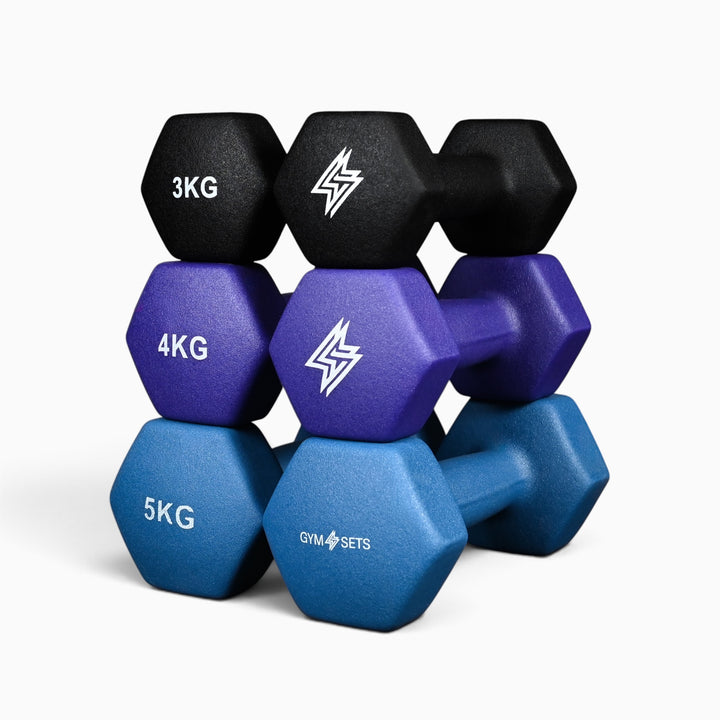
These weights are almost always colour-coded by mass. This allows you to visually identify your required weight increment instantly across a room without having to read tiny stamped numbers mid-workout. They are incredibly popular choice for studio classes, rehabilitation settings, and fast-paced home workout routines.
The Anatomy and Manufacturing of a Vinyl Weight
To truly understand why these weights perform the way they do, it helps to understand how they are put together in the factory.
The Core Material
Beneath that smooth, colourful exterior lies a solid core that provides the actual mass. High-quality models utilize a single piece of solid cast iron that is precision-molded to the exact target weight. Budget-friendly alternatives sometimes use a composite core made from a dense mixture of sand, cement, and iron filings. While the cast iron core variants are slightly more expensive, they are significantly more compact and vastly more durable over long-term use.
The Dipping Process
Once the core is cast and cleaned, it undergoes a specialised chemical dipping process. The raw metal is dipped into a liquid polyvinyl chloride solution. This liquid plastic adheres tightly to the metal contours, filling in any micro-gaps or rough edges on the iron. As the liquid cools, it cures into a thick, slightly pliable, seamless plastic shell that completely seals the core away from the outside world.
The Distinct Benefits of Vinyl Weights for Home Gyms
Choosing the right material for your fitness kit is essential. When placed side-by-side with raw iron, chrome, or heavy-duty rubber-hex alternatives, vinyl-coated hand weights present several unique advantages that make them a standout choice for home environments.
Floor and Furniture Protection
The absolute biggest worry when working out at home is accidentally damaging your property. Dropping a raw iron dumbbell onto hardwood flooring, laminate, or ceramic tiles can result in an incredibly expensive repair bill. The slightly soft, forgiving nature of a thick vinyl shell acts as an excellent shock absorber. If you set the weight down a bit too forcefully on your lounge floor, the plastic cushion minimises the risk of scuffing, denting, or cracking the surface.
Superior Hygiene and Easy Cleaning
Traditional steel handles feature cross-hatched texturing called knurling. While knurling provides an excellent grip, those tiny grooves act like a magnet for dead skin cells, dried sweat, and household dust over time. Vinyl is completely non-porous and entirely seamless. This means bacteria and sweat cannot sink into the material. Cleaning them takes seconds; you simply wipe the smooth surface down with a damp cloth and mild soapy water after your session to keep them perfectly hygienic.
No Cold Metal Hands
If you train in a garage, a conservatory, or a spare room during the chilly UK winter months, raw iron weights can become painfully cold to the touch. Gripping freezing steel at six o'clock in the morning is a massive deterrent to getting your workout done. The vinyl coating acts as a thermal insulator, meaning the handles remain comfortable to hold regardless of the ambient temperature of your training space.
Anti-Roll Hexagonal Shapes
Almost all premium vinyl weights are designed with flat, hexagonal edges rather than perfectly round bells. This geometric design choice prevents the weights from rolling away across the floor when you set them down between training circuits. Furthermore, the stable flat edges mean you can safely use the dumbbells as stable platform handles on the floor for advanced movements like renegade rows or push-ups.
How Do They Compare to Other Popular Materials?
To help you place vinyl weights in the broader context of fitness equipment, it is useful to see how they stack up directly against the other two dominant materials on the market: neoprene and cast iron.
| Feature | Vinyl Dumbbells | Neoprene Dumbbells | Cast Iron Dumbbells |
| Exterior Finish | Smooth, glossy, and non-porous | Matte, textured, and slightly fabric-like | Raw metal or painted enamel |
| Moisture Resistance | Complete waterproof barrier | Absorbs sweat slightly over time | Highly prone to rust if exposed to sweat |
| Grip Texture | Smooth but gets slick when very wet | Highly tactile and naturally slip-resistant | Aggressive metal knurling |
| Best Used For | Aerobics, toning, high-rep circuits | Studio classes, high-sweat cardio | Traditional heavy bodybuilding |
Who Benefits the Most From Using Vinyl Weights?
While these weights are incredibly versatile, they are tailored specifically toward certain styles of training and fitness demographics.
High-Repetition Cardio and Aerobic Trainers
If your fitness regime revolves around fast-paced, high-repetition workouts like body pump, Zumba, step aerobics, or indoor walking intervals, vinyl hand weights are unmatched. Because these sessions involve continuous movement, you need light, comfortable weights that you can securely hold for twenty to forty minutes at a time without straining your joints or losing your grip.
Fitness Beginners and Lifters Re-Entering Training
If you are just beginning your strength journey, jumping straight into heavy, intimidating iron bars can increase your risk of injury. Vinyl models typically start at very accessible increments, often beginning at just 0.5kg or 1kg. This allows beginners to practice movement patterns, build up tendon strength, and perfect their lifting form with total confidence before moving on to heavier loads.
Physical Therapy and Post-Injury Rehabilitation
Following a muscle tear, joint sprain, or surgery, physical therapists frequently prescribe targeted, low-resistance movements to restore proper mobility and blood flow. The exact, lightweight scaling of color-coded vinyl sets makes them a staple in clinical environments, allowing patients to track their physical recovery increments with total precision.
Essential Exercises to Do with Vinyl Hand Weights
Because these weights are incredibly maneuverable, they excel at targeting smaller, stabilising muscle groups across your entire body. Here are four foundational movements you can master right at home.
1. The Goblet Squat (Lower Body)
Hold a single vinyl dumbbell vertically against your chest, cupping the top weight bell with both hands. Keep your feet shoulder-width apart, push your hips back, and lower yourself down into a deep squat position while keeping your chest upright. Drive firmly through your heels to return to a standing position. This targets your quads, glutes, and core muscles simultaneously.
2. The Lateral Raise (Shoulders)
Stand tall with a lighter weight in each hand, arms resting naturally at your sides. Keeping a very slight, soft bend in your elbows, slowly raise your arms outwards to the sides until they form a T-shape parallel to the floor. Pause for a split second at the top of the movement, then slowly lower the weights back down under strict control. This isolates the lateral head of your deltoid muscle to build beautifully toned shoulders.
3. The Overhead Tricep Extension (Arms)
Stand or sit comfortably on a chair while holding one dumbbell securely with both hands directly over your head. Keeping your upper arms locked completely still right next to your ears, slowly bend your elbows to lower the weight down behind your neck. Squeeze your tricep muscles firmly at the bottom, then extend your arms back up to the starting position.
4. The Dumbbell Deadbug (Core Stability)
Lie flat on your back on a fitness mat, extending both arms straight up toward the ceiling while holding a vinyl dumbbell in each hand. Raise your legs so your knees are bent at a strict ninety-degree angle. Slowly lower your right arm back toward the floor behind you while simultaneously extending your left leg straight out in front of you, hovering both just above the mat. Bring them back to the centre and alternate sides to build exceptional deep abdominal strength.
Potential Drawbacks and Considerations
To make sure you invest your money wisely, it is important to understand the natural limitations of the vinyl design framework.
Limited Heavy Weight Ceilings
Because vinyl weights are designed primarily for high-rep fitness, aerobic classes, and toning circuits, they generally max out at around 5kg or 10kg per individual dumbbell. If your fitness goals are heavily geared toward powerlifting, heavy compound muscle growth, or lifting massive amounts of weight on exercises like heavy chest presses or rows, you will eventually outgrow the available weight range.
Grip Slippage During Extreme Sweat Sessions
The smooth, glossy finish of cured vinyl looks incredible and cleans up effortlessly, but it does behave differently than textured materials when wet. If your hands sweat heavily during an intense workout, the smooth handle can become slightly slick. If you tend to sweat heavily, pairing your vinyl weights with a pair of lightweight fitness gloves or keeping a small gym towel nearby to wipe your palms down between sets is an easy fix.
How to Choose the Right Weight and Set for Your Goals
When shopping on an online fitness storefront, you will have to choose between buying individual pairs or purchasing a curated multi-weight set that includes a compact storage tree.
Determining Your Ideal Starting Mass
For absolute beginners, women focusing on aerobic conditioning, or individuals working through physical therapy, starting with a pair of 1kg or 2kg weights is usually ideal. For men starting a general fitness routine or individuals with some previous training history, a pair of 3kg or 5kg weights provides an excellent baseline resistance that will adequately challenge the arms and shoulders.
The Value of Multi-Pair Towers
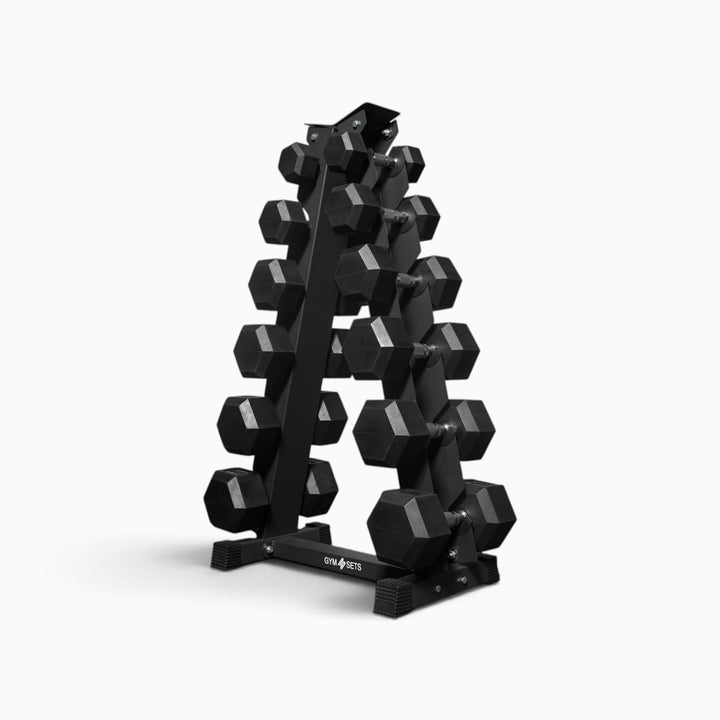
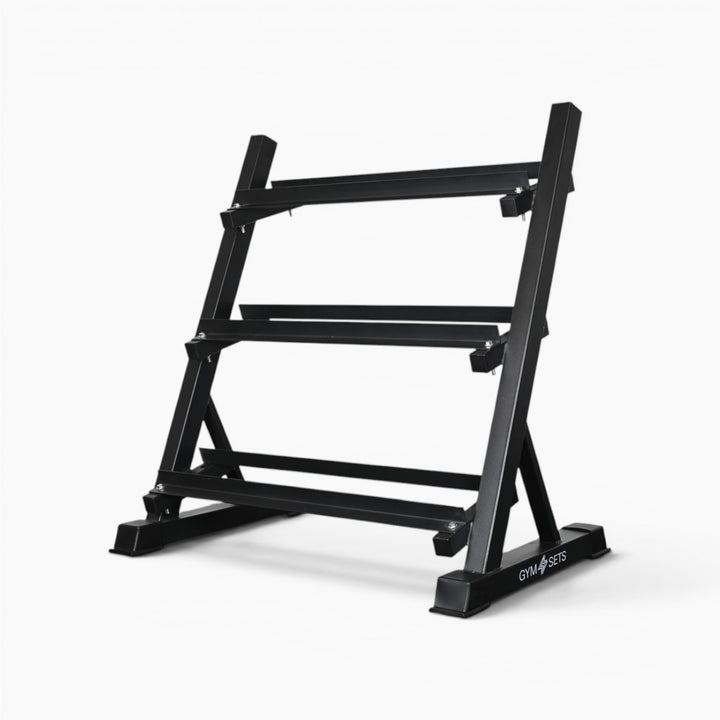
If your budget allows, opting for a three-tier or five-tier dumbbell tree tower is highly recommended. Your body is composed of muscles of vastly different sizes; your back and legs can naturally handle significantly more weight than your rear deltoids or triceps. A multi-pair set provides the exact tools you need to smoothly transition your resistance based on the specific exercise you are performing, ensuring you never stall your progress.
Maintenance and Care for Long-Lasting Equipment
Vinyl is an incredibly resilient material, but a tiny bit of basic upkeep will keep your weights looking brand new for a lifetime.
-
Keep Away from Direct Sunlight: Polyvinyl chloride can become brittle or fade in color if left baking under intense, direct UV sunlight for months at a time. Store your weights indoors, away from windows.
-
Avoid Harsh Chemical Solvents: When cleaning your weights, never use aggressive industrial solvents, bleach, or acetone. These harsh fluids can chemically degrade the smooth plastic outer skin, causing it to turn sticky or split open. Sticky soap and warm water are all that is required.
-
Store Off the Ground: Whenever possible, store your dumbbells neatly on a dedicated rack or inside a storage bin rather than scattered across a high-traffic floor where they could be kicked or tripped over.
Summary: The Ideal Home Fitness Solution
So, what are vinyl dumbbells? They are the ultimate user-friendly answer to home strength training. By combining a heavy, functional iron core with a protective, easy-to-clean, non-marking vinyl outer layer, they bridge the gap between heavy commercial gear and approachable home lifestyle wellness.
Whether you are looking to supercharge your home cardio sessions, tone up your upper body, or safely rehab an injury, adding a colorful set of vinyl weights to your home gym is a smart, durable, and highly cost-effective investment in your long-term health.


