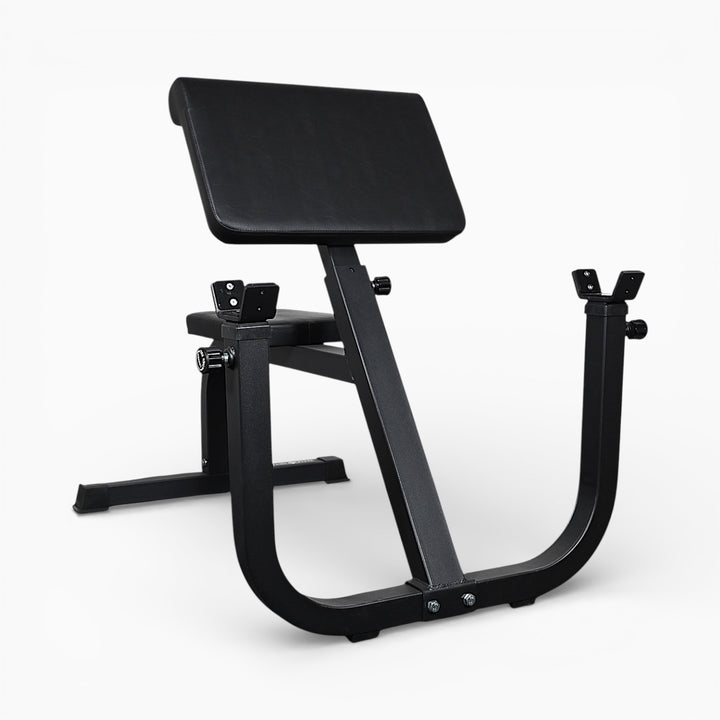
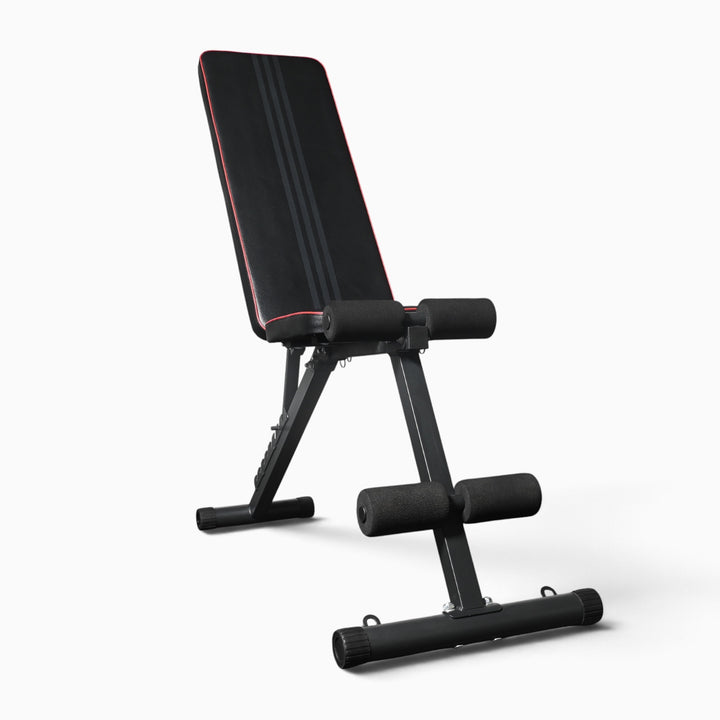
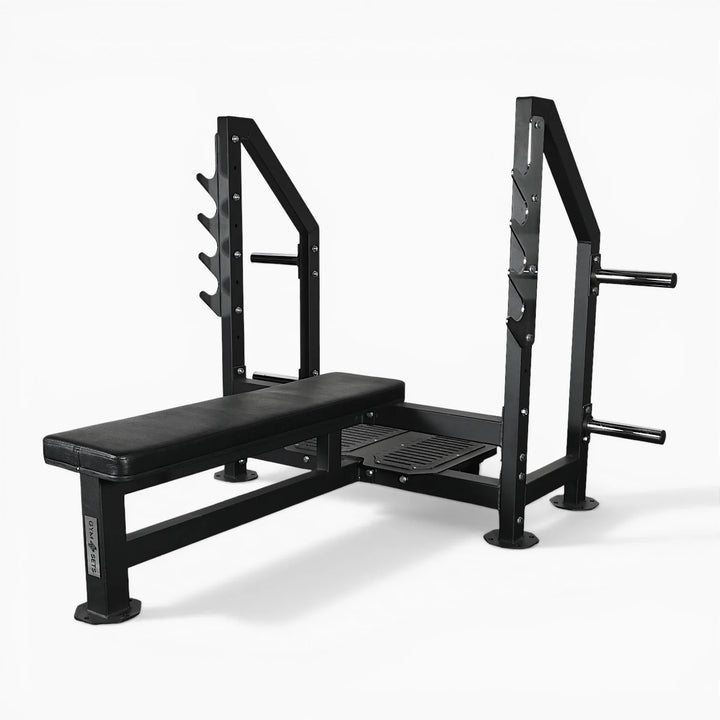
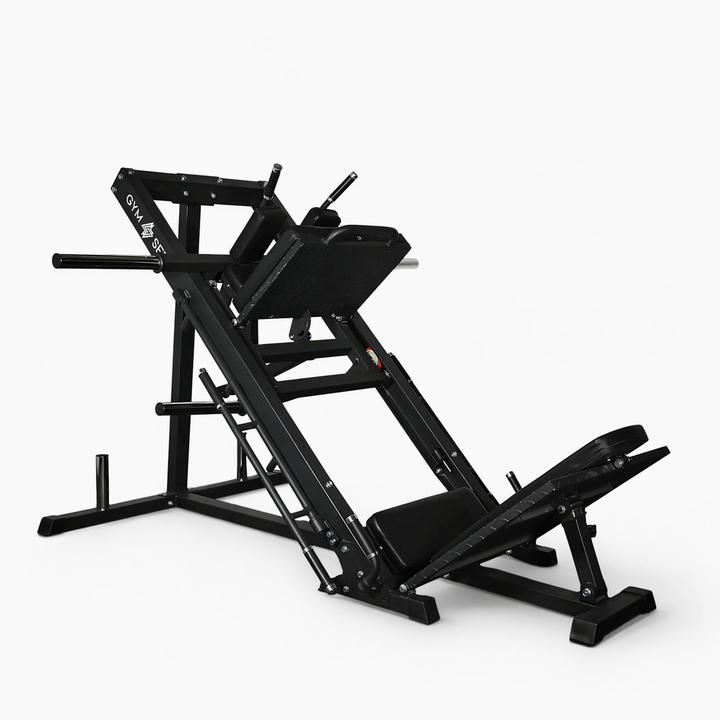





The average total cost of a home gym in the UK ranges from around £500 for a basic setup to £5,000 or more for a premium space. Most homeowners spend between £1,000 and £2,500 to create a well-equipped home gym that meets their fitness goals without paying for a gym membership.
Creating a home gym has become one of the most popular ways to stay fit while enjoying the convenience of exercising whenever it suits your schedule. Whether you have a spare bedroom, garage, garden room or simply a corner of your living space, building a home gym can be tailored to almost any budget.
In this guide, we'll explore what the average total cost of a home gym is, what factors affect the price, the equipment you'll need, and how you can create a high-quality workout space without overspending.
What is the average total cost of a home gym?
The average total cost of a home gym depends on the type of equipment you buy, the amount of available space, and the level of training you want to achieve. While some people spend less than £500 on essential equipment, others invest several thousand pounds to recreate the experience of a commercial gym.
For most people in the UK, a realistic budget falls somewhere between £1,000 and £2,500. This usually provides enough flexibility to purchase quality strength equipment, flooring, storage, and a selection of accessories that will last for many years.
Unlike a gym membership, a home gym is a long-term investment. Although the upfront cost may seem significant, many homeowners find it pays for itself over time through savings on monthly fees, fuel costs and travel time.
Home gym costs by budget
Budget home gym (£500–£1,000)
A budget-friendly home gym can still provide excellent workouts if you focus on versatile equipment.
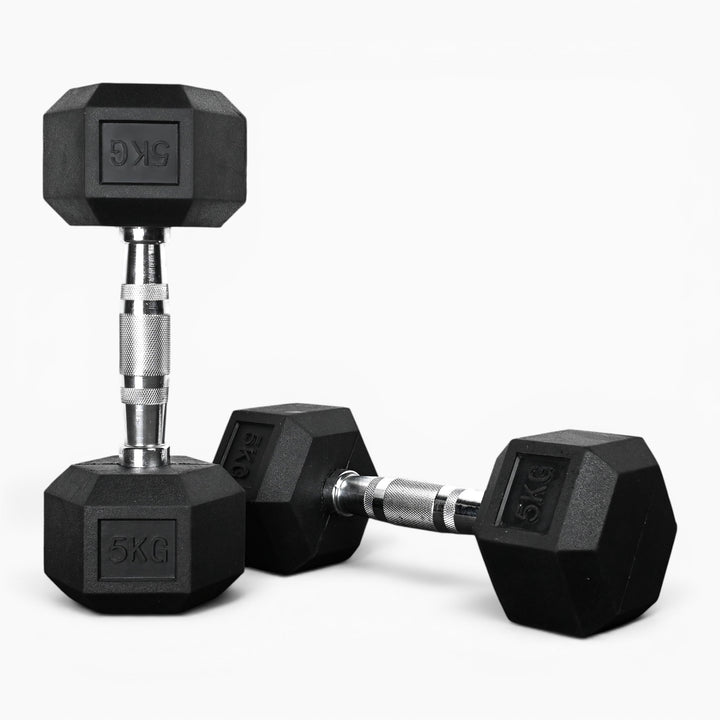
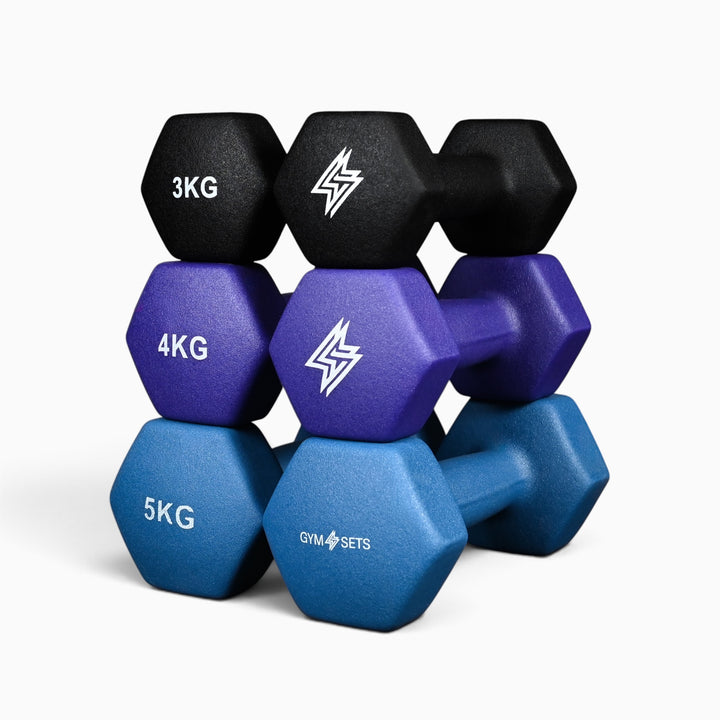
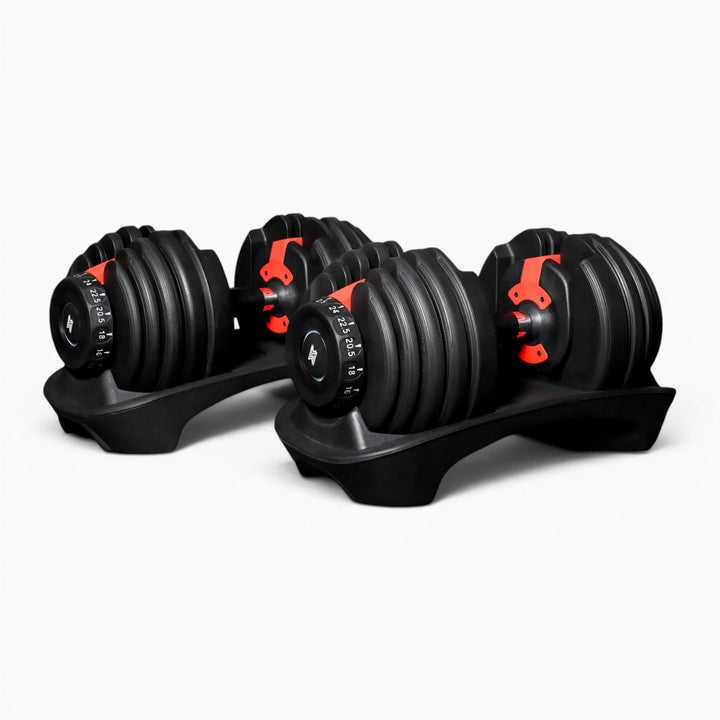
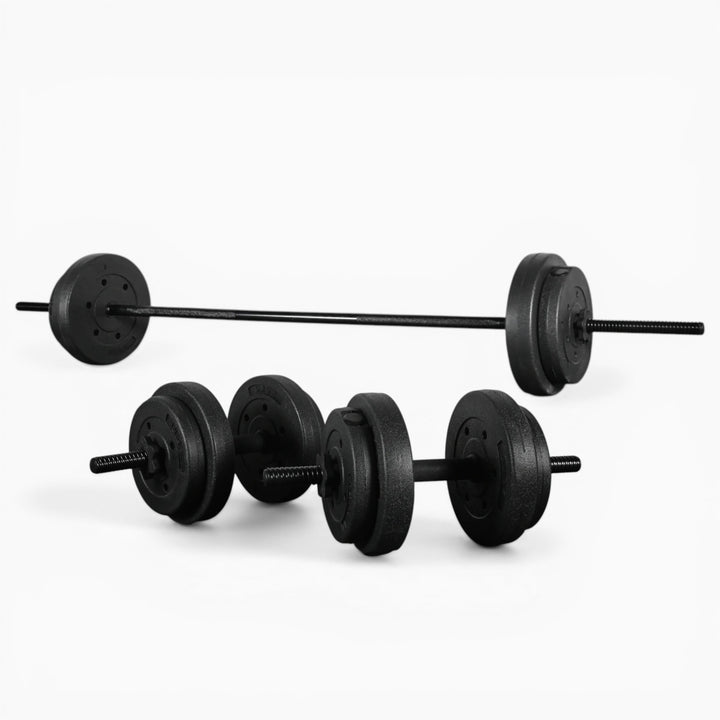
At this price point, many people purchase adjustable dumbbells, resistance bands, a weight bench, exercise mat and perhaps a kettlebell or pull-up bar. This combination supports hundreds of different exercises while taking up very little space.
If you're mainly interested in general fitness, weight loss or improving strength, this level of investment is often more than enough.
Mid-range home gym (£1,000–£2,500)
This is where most homeowners choose to invest.
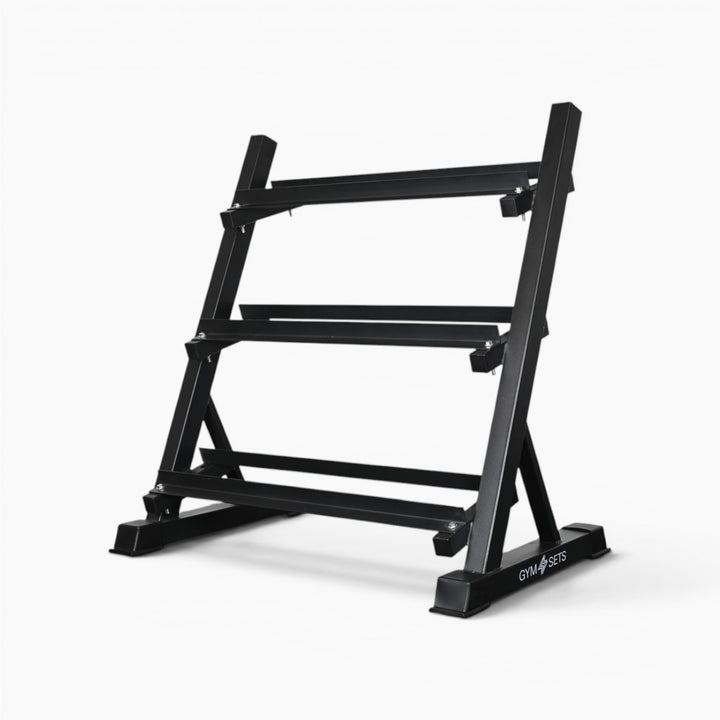
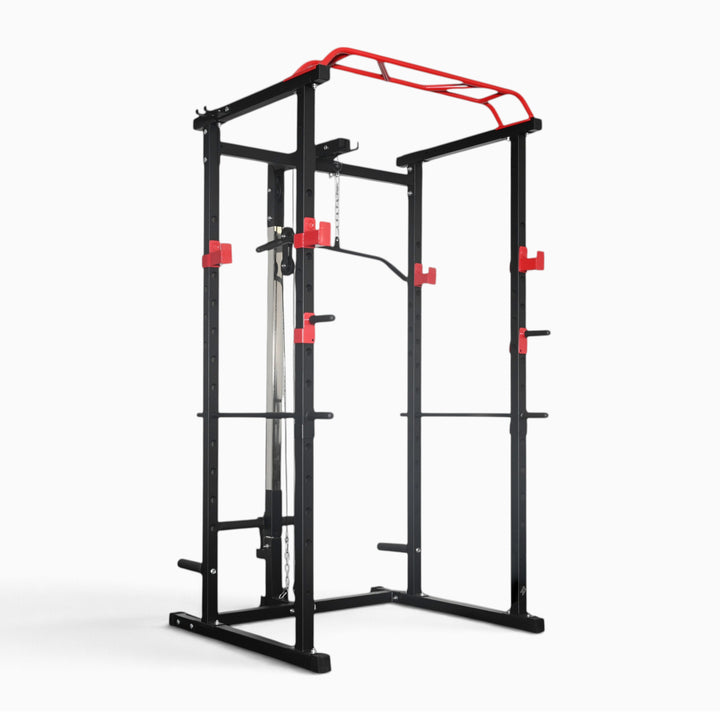
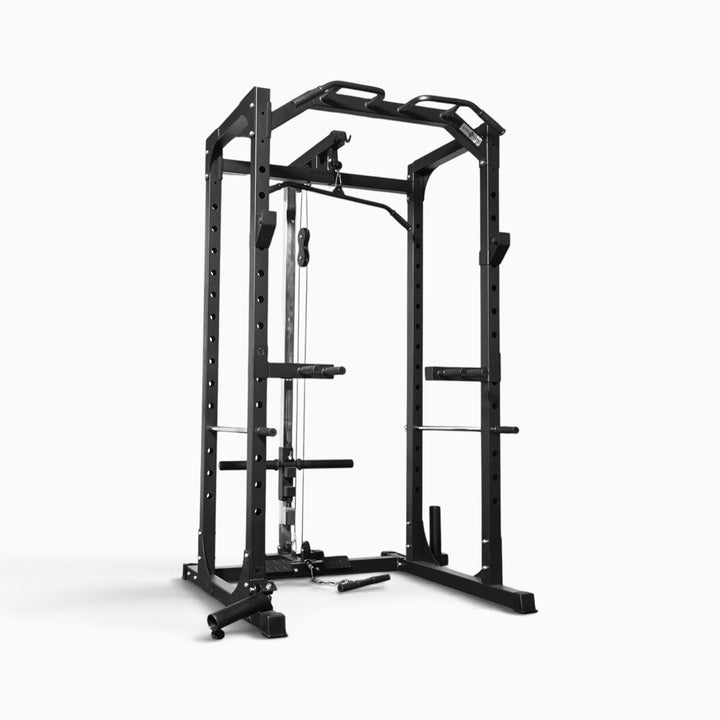
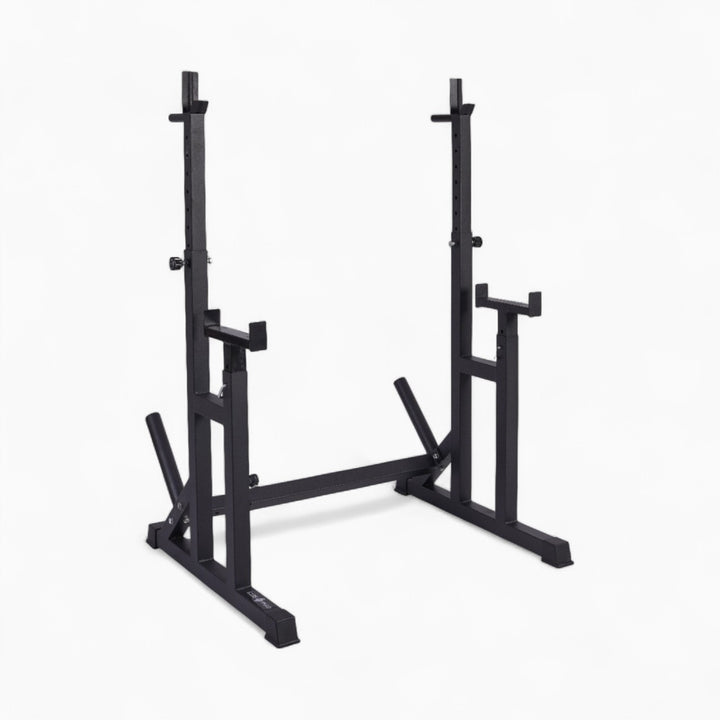
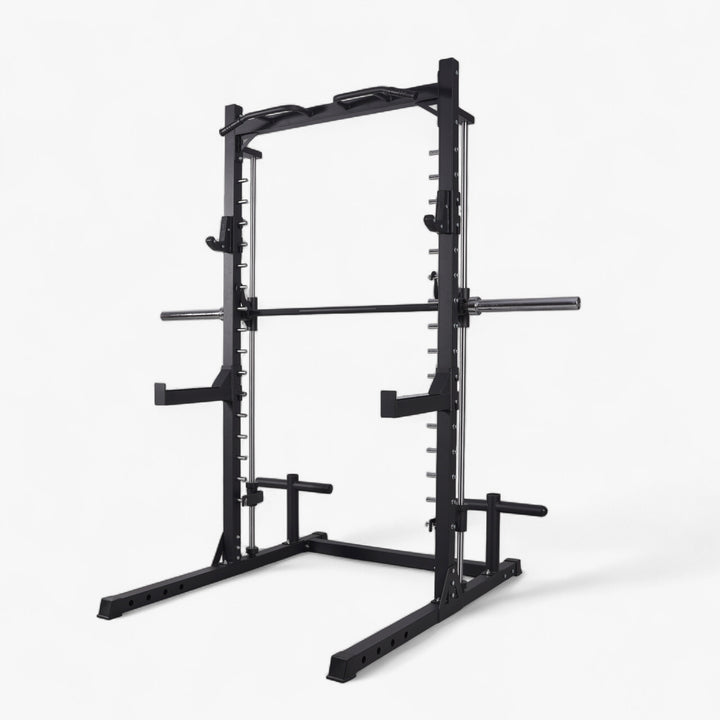
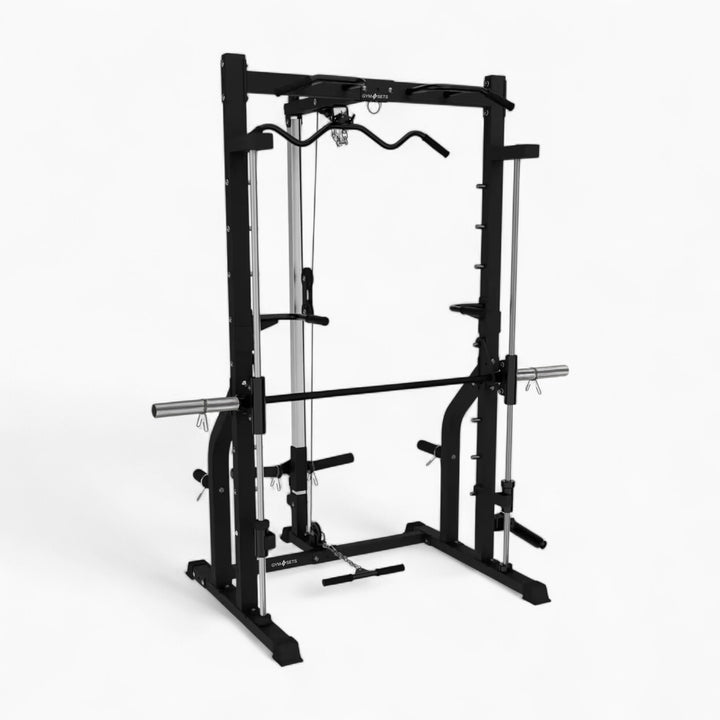
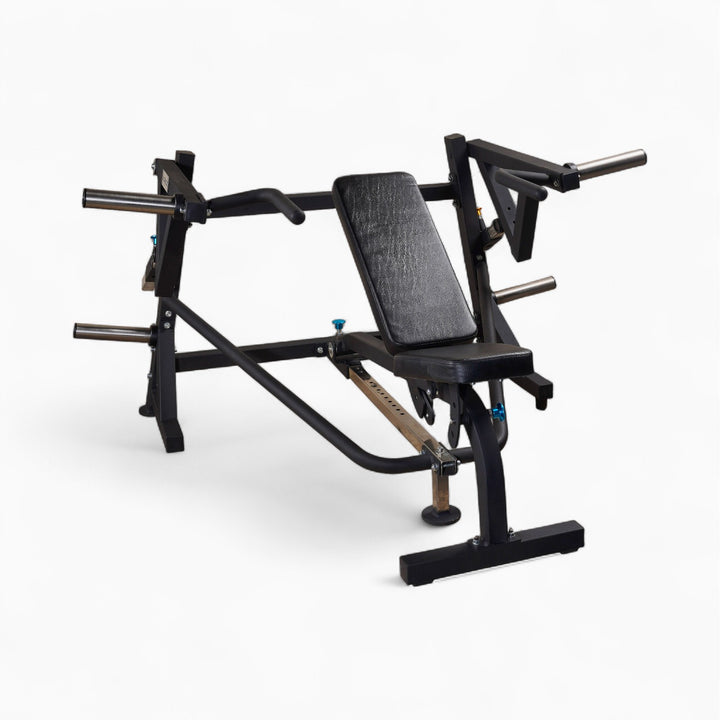
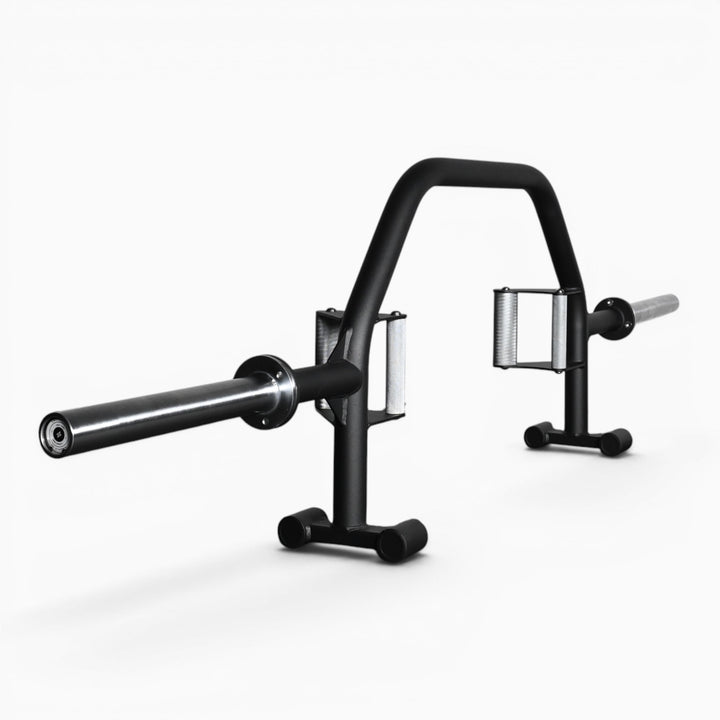
A mid-range setup often includes a power rack or squat rack, Olympic barbell, bumper plates, adjustable bench, flooring, storage solutions and additional accessories such as medicine balls or cable attachments.
With this equipment, you can comfortably perform full-body workouts from home and make consistent progress without feeling limited.
Premium home gym (£2,500–£5,000+)
A premium home gym aims to replicate the experience of a professional fitness facility.
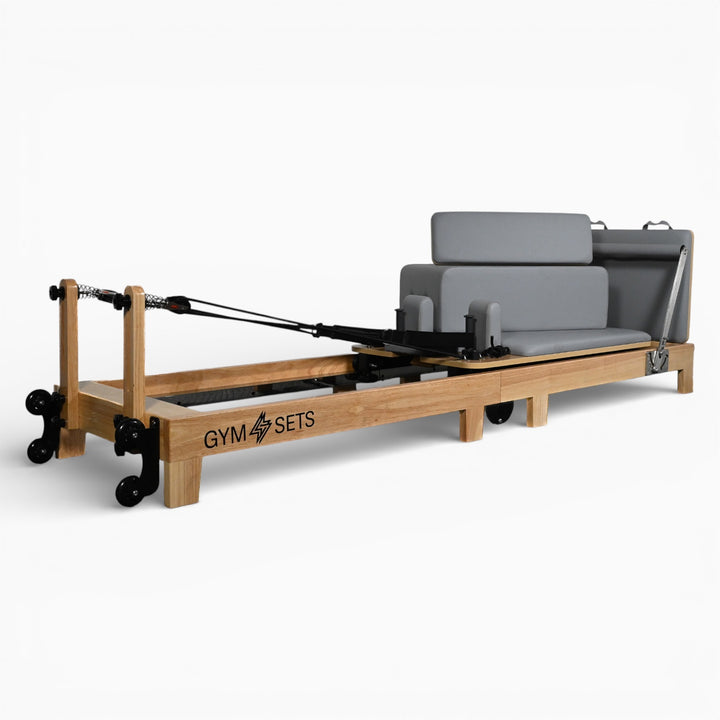
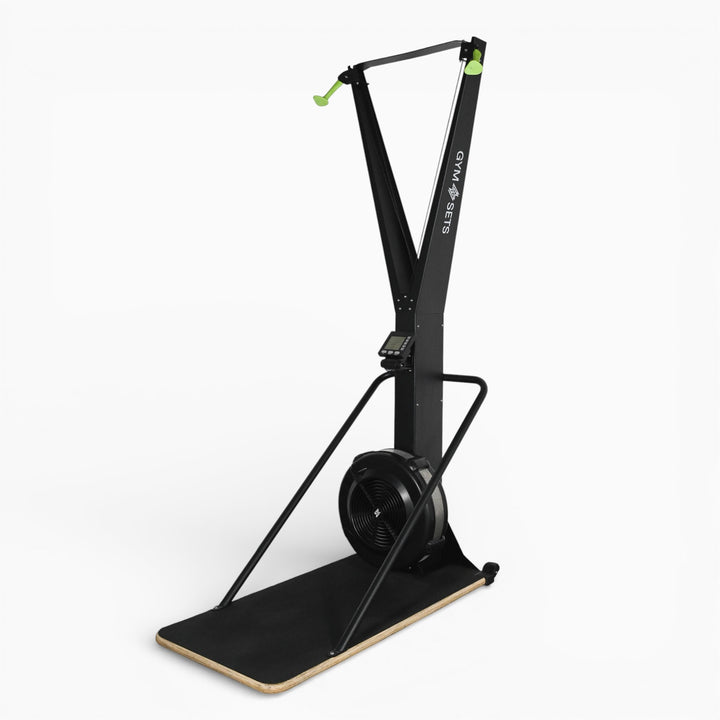
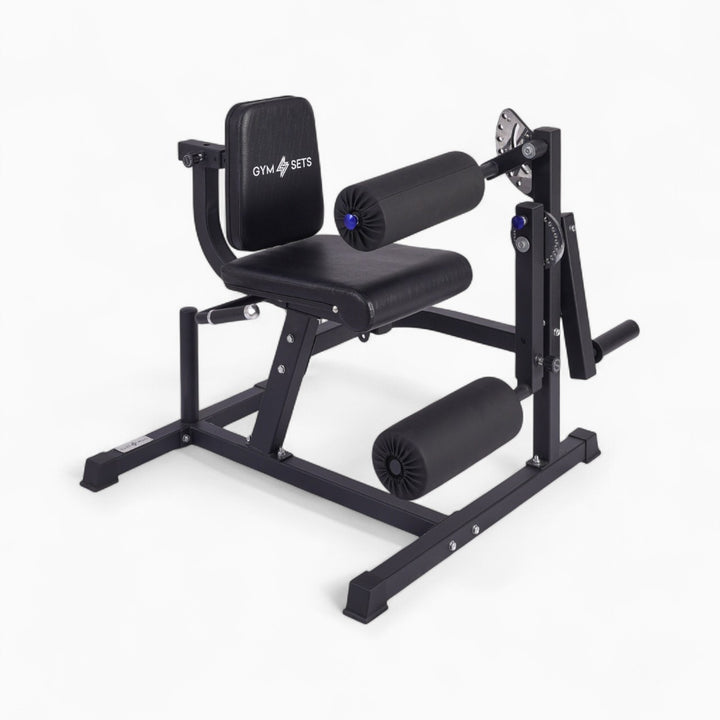
These spaces often feature commercial-grade strength equipment, specialist machines, cardio equipment such as rowing machines or treadmills, premium rubber flooring, mirrors, lighting, storage systems and customised layouts.
Although the initial investment is higher, the equipment is typically built to last for decades with proper maintenance.
The biggest factors that affect the cost
Several factors influence the total cost of building a home gym.
The biggest factor is equipment quality. Entry-level equipment is perfectly suitable for beginners, while commercial-grade products cost more because they are designed to withstand heavier use and greater weight capacities.
Available space also plays an important role. A small spare room requires less flooring and fewer storage solutions than converting an entire garage or outbuilding into a dedicated gym.
Your training goals also matter. Someone focusing on bodyweight training needs far less equipment than someone training for powerlifting or strength competitions.
Finally, installation costs may need to be considered. Rubber flooring, mirrors, lighting improvements and electrical work can all increase the overall budget if you're creating a dedicated fitness room.
Essential equipment and typical costs
When budgeting for your home gym, it's helpful to understand where your money is likely to be spent.
Adjustable dumbbells are one of the most versatile purchases and often cost between £150 and £400 depending on the weight range.
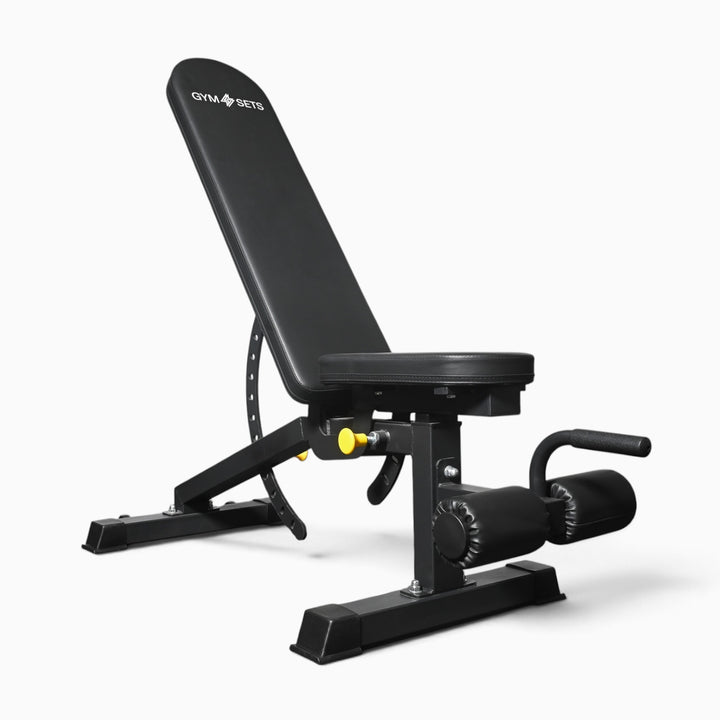
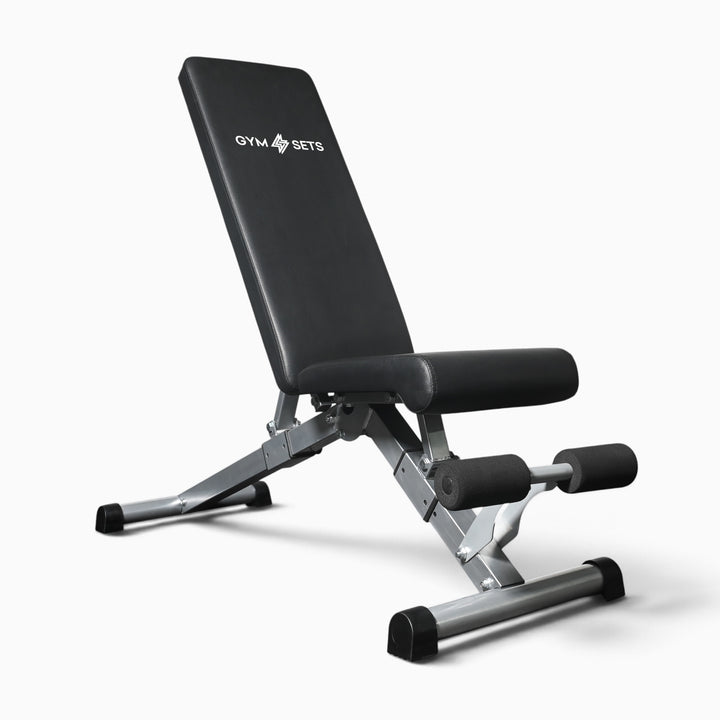
A quality adjustable bench usually costs between £150 and £350 and forms the foundation of countless strength exercises.
A squat rack or power rack can range from approximately £300 to well over £1,000 depending on its features, build quality and attachments.
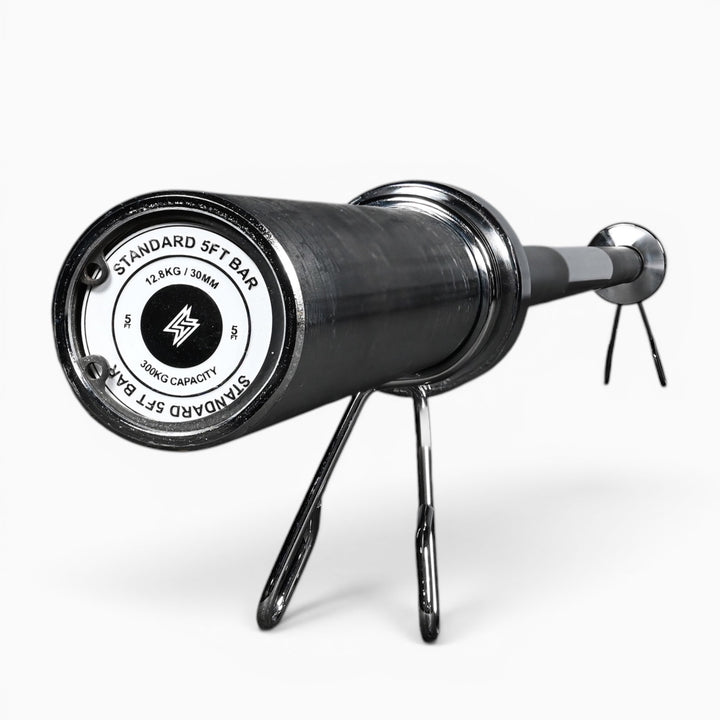
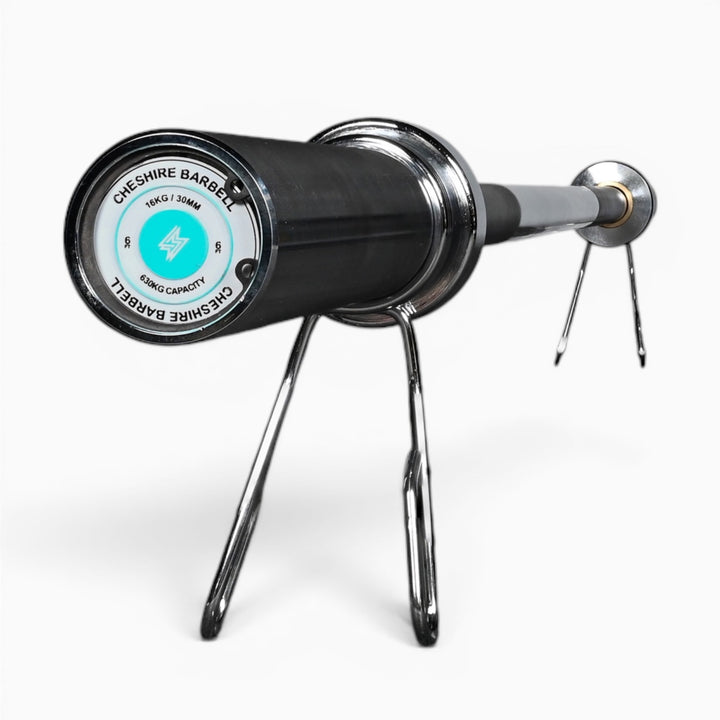
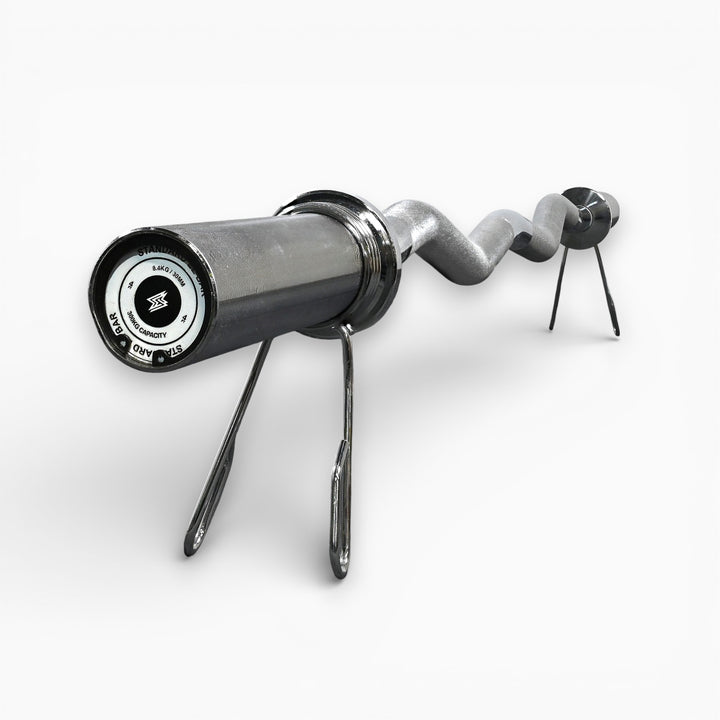
Olympic barbells generally cost between £150 and £400, while weight plates can add anywhere from £200 to over £1,000 depending on how much weight you require.
Rubber gym flooring usually costs between £20 and £50 per square metre. Although it can seem like an optional expense, it helps protect both your equipment and your flooring while reducing noise.
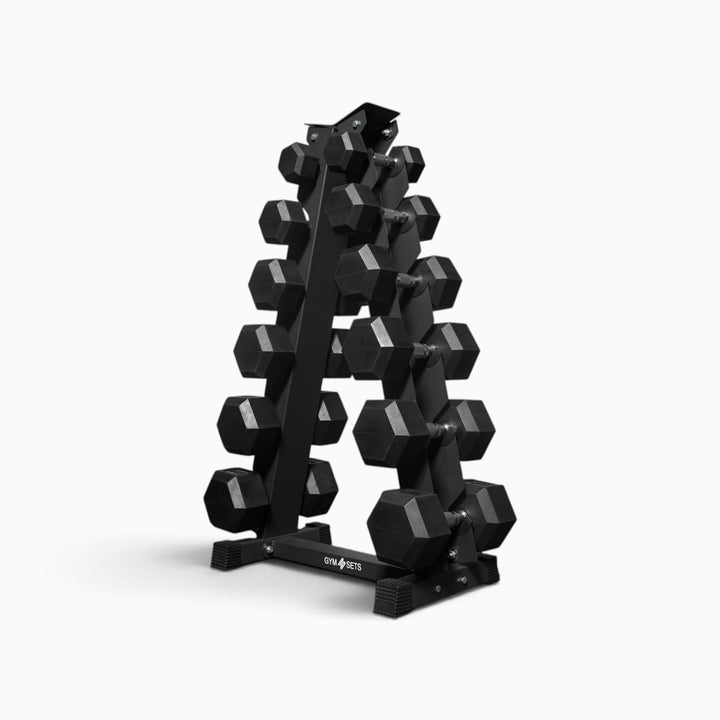
Accessories such as resistance bands, skipping ropes, kettlebells, foam rollers and storage racks can collectively add several hundred pounds to your total budget but significantly improve the functionality of your gym.
Is building a home gym cheaper than paying for a gym membership?
In many cases, yes.
A standard UK gym membership often costs between £25 and £70 per month, while premium gyms may charge considerably more.
If you spend around £1,800 creating a home gym and currently pay £50 each month for membership, your equipment could effectively pay for itself in around three years. If multiple members of the household use the gym, the savings become even greater.
Beyond the financial benefits, many people value the convenience of training whenever they like without travelling, waiting for equipment or adjusting their day around opening hours.
How to save money when building a home gym
Building a home gym doesn't have to happen all at once.
Many homeowners begin with a bench, adjustable dumbbells and resistance bands before gradually adding larger pieces of equipment as their fitness improves.
Prioritising multi-purpose equipment is one of the smartest ways to stretch your budget. A power rack with multiple attachments can replace several individual machines while taking up less space.
Buying durable equipment from the beginning often proves more cost-effective than replacing lower-quality products every few years.
It's also worth planning your layout before purchasing equipment. Measuring your available space helps prevent buying equipment that doesn't fit or leaves insufficient room for safe exercise.
Should you buy a complete home gym package?
For many people, purchasing a complete home gym package can offer excellent value.
Instead of sourcing individual items from different suppliers, a carefully selected package provides equipment that works well together and often includes everything needed to begin training immediately.
This approach can simplify the buying process, particularly for beginners who may not be familiar with choosing compatible equipment.
Packages also make budgeting easier because you know the total investment from the outset rather than adding unexpected costs along the way.
Hidden costs to consider
While equipment accounts for most of your budget, there are several additional costs that people sometimes overlook.
Delivery charges can vary depending on the size and weight of your order. Heavy strength equipment often requires specialist transport.
Protective flooring is another worthwhile investment that should be included in your budget from the beginning rather than treated as an optional extra.
Storage solutions can also make a noticeable difference. Keeping plates, barbells and accessories organised creates a safer, more enjoyable training environment while helping your equipment last longer.
If you're converting a garage, you may also wish to budget for insulation, heating or improved lighting to make the space comfortable throughout the year.
Is a home gym worth the investment?
For many households, the answer is yes.
A home gym removes many of the barriers that prevent people from exercising consistently. There's no commute, no waiting for machines and no pressure to fit your workouts around busy gym hours.
It also gives you complete control over your training environment. You can choose the equipment you enjoy using, play your own music and work out at your own pace.
High-quality gym equipment is designed to last for many years, making it a purchase that continues to deliver value long after the initial investment.
Frequently Asked Questions
What is the average total cost of a home gym?
The average total cost of a home gym in the UK is typically between £1,000 and £2,500, although basic setups can cost as little as £500 and premium gyms can exceed £5,000.
Can I build a home gym on a budget?
Yes. A functional home gym can be created for under £1,000 by focusing on versatile equipment such as adjustable dumbbells, a bench, resistance bands and quality flooring.
What equipment should I buy first?
Most people benefit from starting with adjustable dumbbells, an adjustable bench and resistance bands. As your training develops, you can add a squat rack, barbell and weight plates.
How much space do I need?
Many effective home gyms fit comfortably into a spare bedroom, garage or even a dedicated corner of a larger room. Careful planning is usually more important than having a large space.
Does a home gym increase property value?
While a home gym doesn't directly increase the value of every property, a well-designed garage conversion or flexible fitness space can make a home more appealing to some buyers.
Final thoughts
So, what is the average total cost of a home gym? For most people, budgeting between £1,000 and £2,500 provides the ideal balance between affordability, quality and long-term value.
The right investment depends on your goals, available space and preferred style of training. By choosing versatile, durable equipment and building your gym gradually if necessary, you can create a space that supports your fitness journey for years while potentially saving thousands of pounds compared with ongoing gym membership fees.