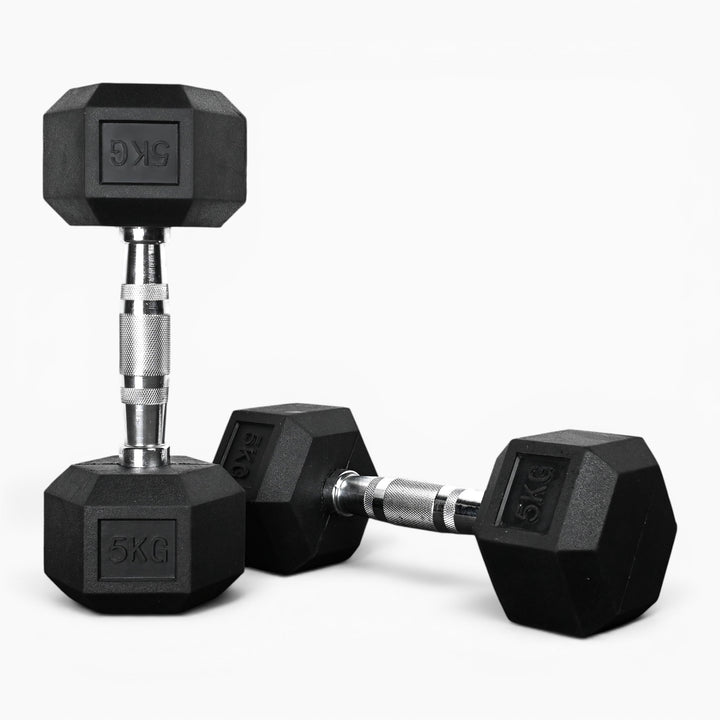
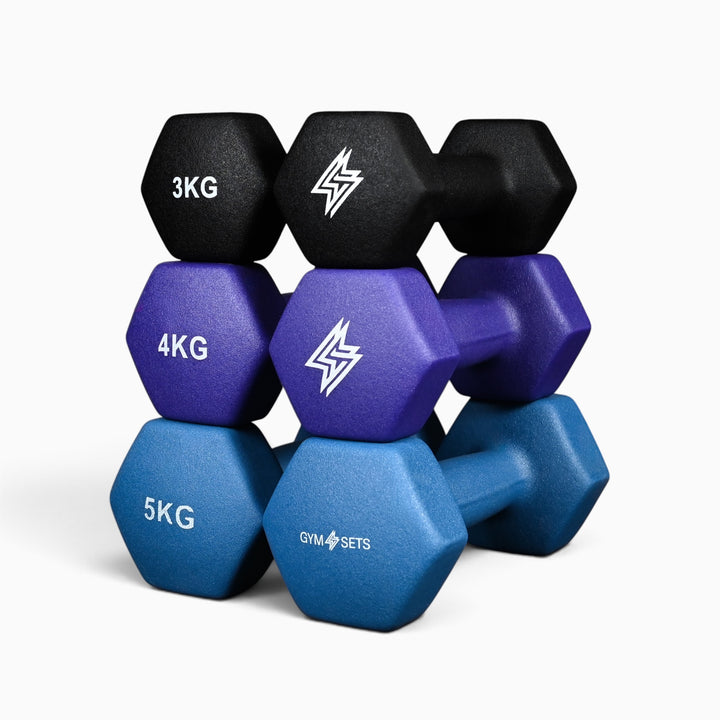
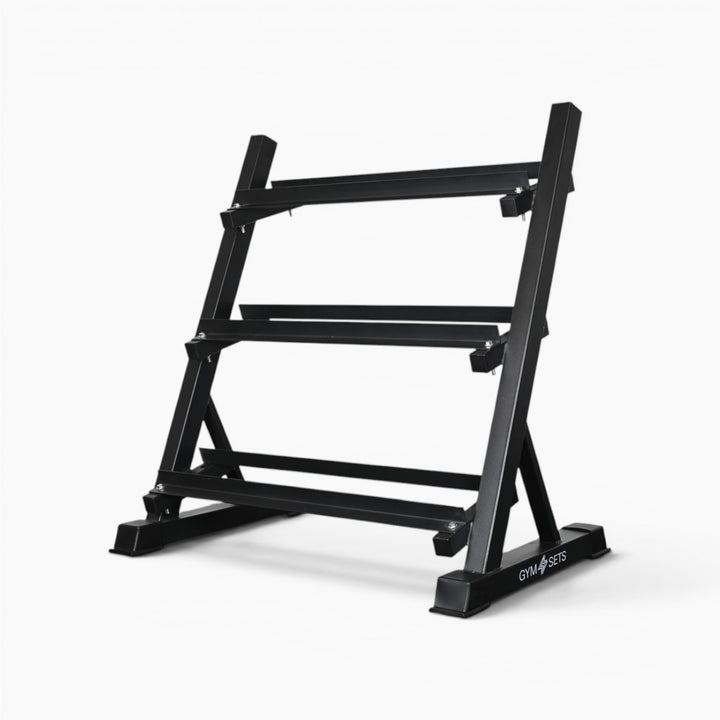
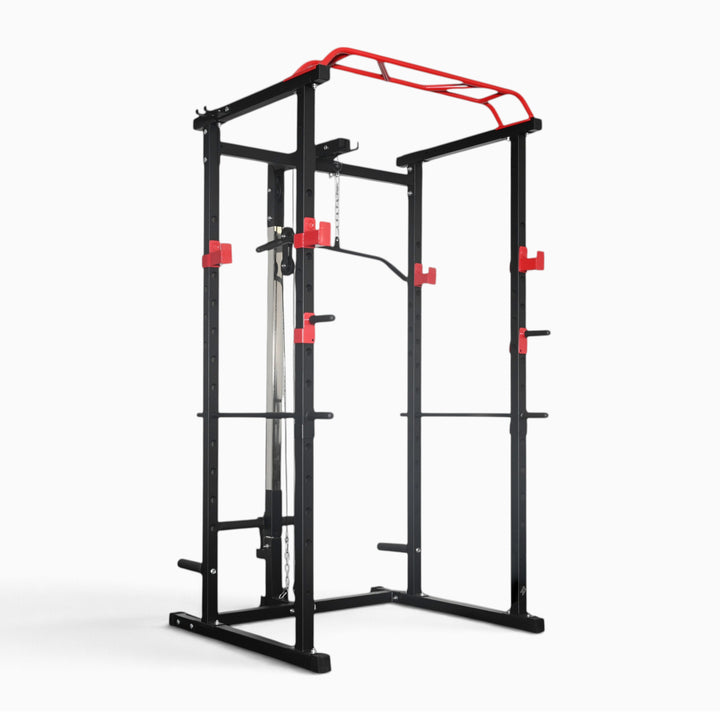
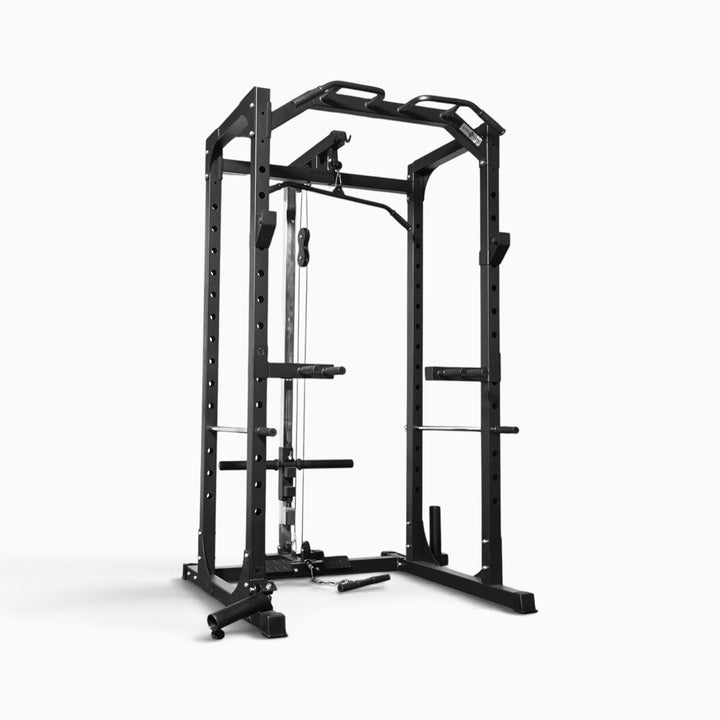
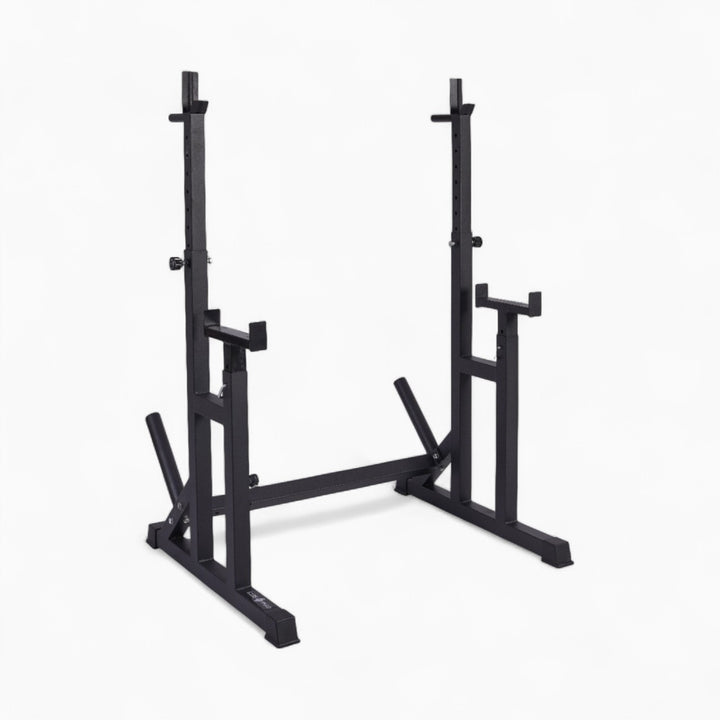



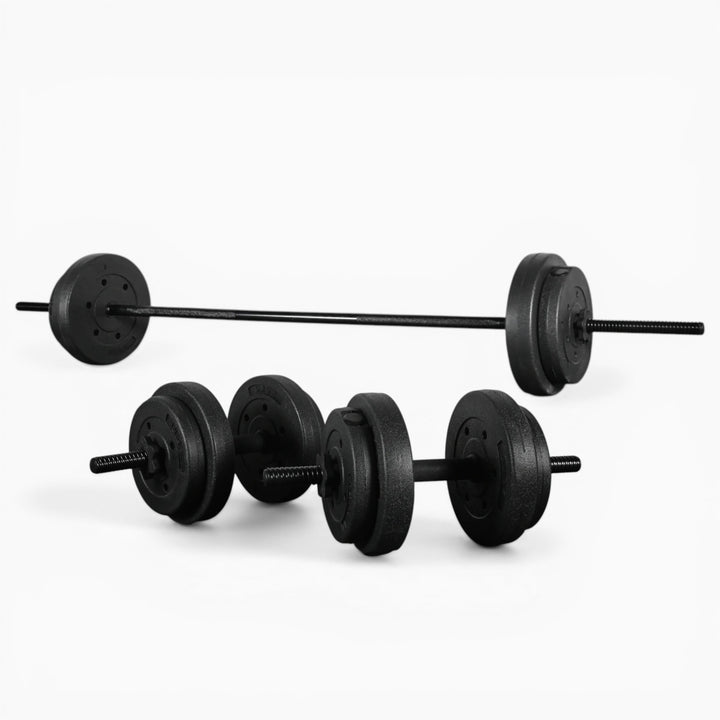


The best place to store dumbbells is somewhere dry, stable and easy to access, while keeping them out of walkways and away from areas where they could cause damage. A dedicated dumbbell rack is ideal, but cupboards, storage rooms, garages and carefully organised home gym spaces can also work well.
If you have recently bought a set of dumbbells for your home gym, you may have discovered a small problem: where exactly are you supposed to put them when you are not using them?
Dumbbells are compact compared with many pieces of gym equipment, but a growing collection can quickly become difficult to organise. Leaving them on the floor can create a trip hazard, while simply putting them wherever there is space can make your home gym feel cluttered.
In this guide, we’ll look at the best places to store dumbbells at home, how to keep them organised, what to consider when choosing a storage solution and how to make the most of limited space.
Why is proper dumbbell storage important?
Dumbbells are heavy pieces of equipment, so where you put them matters. Good storage helps keep your workout area organised while reducing the chances of someone accidentally tripping over a weight or knocking equipment over.
A tidy training area is also much easier to use. Fitness guidance from the American Council on Exercise recommends putting dumbbells and other movable equipment away after use because weights left around a workout area can create avoidable hazards. (ACE Fitness)
There is another advantage that is easy to overlook: accessibility. If your dumbbells are stored neatly and you can quickly see the weights you need, you are more likely to spend your time exercising rather than searching around the room.
Where should I store dumbbells at home?
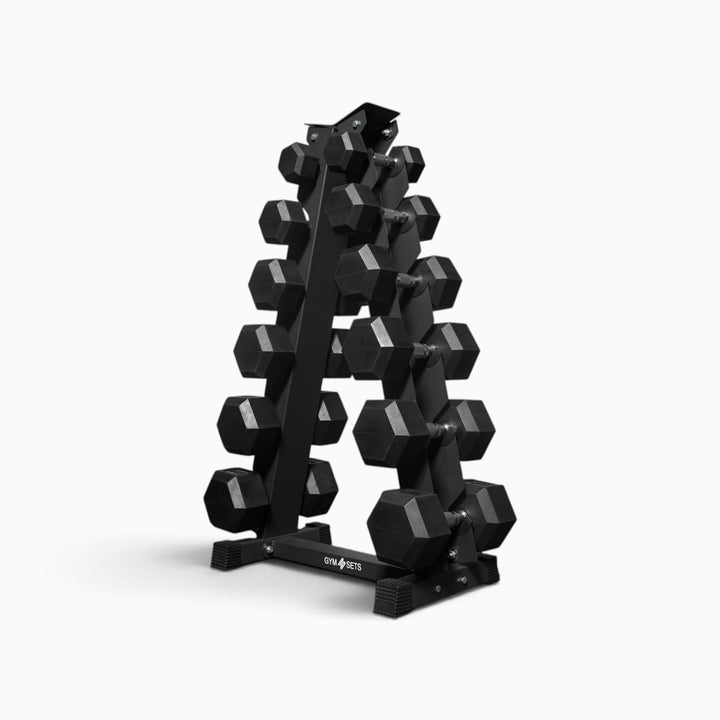
For most home gyms, the best place to store dumbbells is on a dedicated dumbbell rack positioned close to your main workout area. This keeps the weights off the floor, makes different sizes easy to identify and gives each dumbbell a designated place.
If you do not have a dedicated rack, a sturdy storage area such as a cupboard, garage or utility room can work well. The important thing is that the surface is stable, the weights cannot easily roll or fall and the storage location does not obstruct normal movement around the home.
Think about how you actually use your dumbbells before choosing a location. If you train several times a week, storing them somewhere convenient is likely to work better than putting them in a cupboard at the other end of the house.
Should dumbbells be stored on a rack?
A dumbbell rack is one of the simplest ways to organise a home weight collection. Instead of having several pairs spread across the floor, you have one dedicated place where each weight can be returned after your workout.
A rack can also make your training area look considerably tidier. Rather than treating dumbbells as something that needs to be hidden away, you can make them part of an organised home gym setup.
This is particularly useful if you have several different weights. When each dumbbell has its own position, you can quickly identify what you need before starting an exercise.
What are the benefits of a dumbbell rack?
The biggest benefit is organisation. A good rack gives your dumbbells a clear home, which means you do not have to leave them on the floor or stack them in random places.
It can also help you make better use of the available floor space. Instead of spreading weights across a large area, you can store them vertically or in a compact footprint, depending on the design.
A rack can also make your workout area safer. Keeping free weights out of walking routes helps reduce potential trip hazards, which is particularly important in smaller rooms where your training area may also be used for other activities. (ACE Fitness)
Can I store dumbbells on the floor?
You can store dumbbells on the floor, but it is generally better to have a dedicated storage solution if you have enough equipment to justify one.
A small pair of dumbbells sitting neatly against a wall is unlikely to cause much of an issue. However, as your collection grows, several pairs can quickly spread into the area where you need to walk, stretch or perform exercises.
If you do need to store dumbbells on the floor, choose a stable location away from doorways and main walkways. Avoid placing them somewhere where they can easily roll underneath furniture or into the path of someone walking through the room.
Where should I store dumbbells in a small room?
Small rooms require a little more planning, but you do not necessarily need a large home gym to store dumbbells effectively.
One option is to use vertical space. A suitable rack can keep multiple dumbbells organised without requiring a large amount of floor area, allowing you to keep more of the room available for your actual workouts.
Another approach is to store your dumbbells against one wall and keep a clear central area for exercising. This creates a simple distinction between your storage zone and your training zone.
Try to avoid putting weights directly beside the area where you perform floor exercises. You want enough room to move comfortably without having to step around equipment.
Can I store dumbbells in a cupboard?
Yes, a cupboard can be a practical option for smaller dumbbells or a limited home gym collection, provided the shelves are strong enough to support the weight.
It is important not to assume that every household cupboard is suitable for storing heavy gym equipment. Check that the shelving and fixings are designed to carry the load, particularly if you are storing several pairs together.
A cupboard can be particularly useful if you want your home gym equipment hidden away when it is not being used. Just make sure the weights are easy to remove without having to lift or move other heavy items first.
Is a garage a good place to store dumbbells?
A garage can be a useful location for dumbbell storage because it keeps your gym equipment separate from the main living areas of your home.
However, garages can experience significant changes in temperature and humidity, so you should consider the environment before storing your equipment there for long periods. Metal equipment should be kept as dry as reasonably possible to help reduce the risk of corrosion.
It is also worth thinking about the floor. A dedicated storage rack can help keep weights organised and prevent them from being left in areas where vehicles, tools or other items could interfere with your workout equipment.
If your garage doubles as a workshop or general storage area, keep your training equipment in a clearly defined section. This makes the space easier to use and reduces the chance of gym equipment becoming a trip hazard.
Can I store dumbbells in a bedroom?
There is no reason why you cannot store dumbbells in a bedroom if you have limited space elsewhere.
The main consideration is keeping them somewhere that does not interfere with normal movement. Placing weights beside your bed, directly behind a door or in the middle of a walkway is unlikely to be practical.
If you train in your bedroom, consider creating a small dedicated fitness area. A compact rack or organised storage zone can make the equipment feel like part of the room rather than something that has simply been left there.
Can dumbbells be stored vertically?
Vertical storage can be an excellent way to save floor space, particularly in a smaller home gym.
Depending on the type of rack and dumbbells you own, a vertical arrangement can allow several weights to occupy a relatively compact area. This can leave more usable space for exercises such as lunges, squats, presses and floor-based movements.
Always use storage equipment designed for the weights you own. The rack needs to be stable and capable of supporting the total load, and the dumbbells should sit securely rather than being balanced precariously.
How should I organise different dumbbell weights?
If you own several dumbbells, organise them in a logical order. You might arrange them from lightest to heaviest, for example, so you can immediately find the pair you need.
This sounds like a small detail, but it can make your workouts much smoother. You do not want to spend the first few minutes of every session searching behind furniture for the right weight.
Keeping pairs together is also useful. If you regularly use two dumbbells for an exercise, storing them together means you can pick up both at once and return them to the same location when you finish.
Should heavier dumbbells go on the bottom?
If your storage system has multiple levels, placing heavier dumbbells on lower levels can be a sensible arrangement.
Keeping the heaviest equipment lower can make the storage system easier to manage and reduces the need to lift very heavy weights from a high position. Lighter dumbbells can then occupy higher positions where they are easier to reach.
The exact arrangement will depend on the design of your storage rack, so always follow the manufacturer's instructions for loading and positioning your equipment.
How much space do I need to store dumbbells?
The amount of space you need depends on how many dumbbells you own and whether they are fixed-weight or adjustable.
A single pair of dumbbells requires very little storage space. A complete collection of fixed weights, however, can take up considerably more room, particularly if you want to keep each pair accessible rather than stacked on top of one another.
Before buying storage, measure the area you have available. Consider not only the width and depth of the storage unit but also the space needed to stand in front of it and comfortably pick up or return the weights.
This is particularly important in smaller home gyms. A storage unit that technically fits into a room may still make the space difficult to use if there is not enough clearance around it.
Where should dumbbells not be stored?
Avoid leaving dumbbells in doorways, hallways or other areas where people regularly walk.
You should also avoid placing them somewhere where they could fall from a height. A heavy dumbbell dropping from an unsuitable shelf could damage the equipment, flooring or surrounding furniture, as well as potentially causing an injury.
Do not store weights in a position where you have to move other heavy equipment every time you want to access them. Your storage system should make your workout easier, not turn getting your equipment out into a workout of its own.
Should dumbbells be kept off the carpet?
There is nothing inherently wrong with keeping dumbbells on a carpeted floor, but dedicated storage can still be beneficial.
The bigger issue is usually organisation and accessibility rather than the carpet itself. Heavy dumbbells can leave marks or compress flooring over time, particularly if they are repeatedly dropped rather than carefully placed down.
If you are using dumbbells in a carpeted room, consider using a suitable exercise mat in your training area. This can create a defined workout zone and give you a suitable surface for exercises performed on the floor.
What about storing dumbbells on wooden floors?
If you have wooden flooring, it is worth taking extra care with heavy weights. Dropping or repeatedly placing dumbbells down heavily can potentially mark or damage the surface.
A dedicated rack can help because the weights remain in one location rather than being repeatedly placed directly onto the floor.
You can also consider suitable protective flooring or mats in the workout area. The exact solution will depend on the type of flooring and the equipment you are using.
How can I make dumbbell storage look tidy?
The easiest way to make dumbbell storage look tidy is to give everything a designated place.
Instead of having one area for light weights and another for heavier weights, create a simple system that makes sense. Arrange your dumbbells in order, keep pairs together and return them to the same position after every workout.
You can also position your storage alongside your other gym equipment. Keeping the dumbbell rack next to benches or other strength equipment can create a natural home gym layout while keeping the centre of the room open.
The goal is not to make your home gym look like a commercial fitness facility. It is simply about creating an environment where everything is easy to find and easy to put away.
What is the best dumbbell storage solution for a home gym?
For a dedicated home gym with several pairs of dumbbells, a purpose-built dumbbell rack is usually the most straightforward solution.
For a smaller collection, a sturdy and appropriate storage cupboard or compact storage area may be all you need. If space is particularly limited, look for ways to use vertical space while keeping your weights secure and accessible.
There is no single storage solution that works for every home. The right choice depends on how many dumbbells you own, how frequently you use them, how much room you have and whether your gym equipment needs to be put away after every workout.
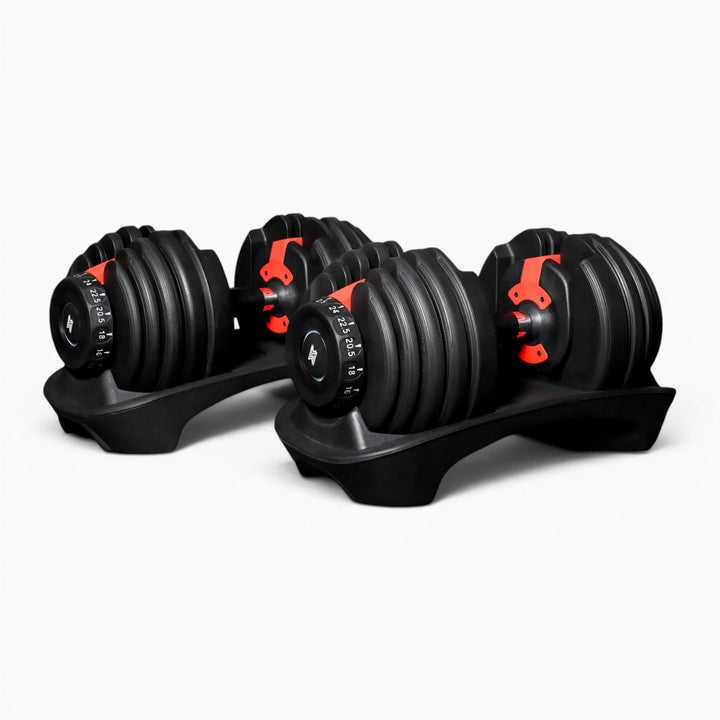
How should I store adjustable dumbbells?
Adjustable dumbbells can be particularly convenient in a home gym because one set can provide several different resistance levels.
Because of their design, however, it is important to store them according to the manufacturer's instructions. Some adjustable dumbbells are designed to sit in specific trays or cradles, which should be used rather than leaving the weights wherever there is room.
Keep the adjustment mechanism clean and avoid storing the dumbbells somewhere they could be knocked over. A dedicated storage tray can also make it much easier to change weights during a workout.
Should I clean dumbbells before storing them?
Giving your dumbbells a quick clean after use is a simple habit that can help keep your equipment in good condition.
Sweat and moisture can accumulate on gym equipment during exercise, so wiping down the handles and surfaces after a workout is sensible. The exact cleaning method should depend on the manufacturer's recommendations and the materials used in your dumbbells.
Once they are clean, return them to their designated storage position rather than leaving them on the floor. This keeps your workout area ready for your next session.
How can I keep my home gym safe?
A well-organised home gym should have enough clear space for you to perform your exercises without constantly working around equipment.
Think about the path between your storage area and your workout space. You should be able to pick up your dumbbells, use them and return them without crossing through an awkward or cluttered area.
It is also sensible to regularly check your equipment and storage. Fitness guidance recommends maintaining equipment appropriately and addressing damaged equipment rather than continuing to use it. (ACE Fitness)
What if I keep moving my dumbbells around?
If you find yourself moving your dumbbells from room to room, that may be a sign that your current storage system is not working for you.
Try creating one permanent storage location. Even if you exercise in different areas of the house, keeping your dumbbells together means you always know where to find them.
You could also create a small mobile setup if your circumstances require it. The important thing is to avoid leaving weights in temporary locations where someone could trip over them or where they could be knocked into furniture.
Make dumbbell storage part of your home gym
Good dumbbell storage does not need to be complicated. The basic principle is simple: keep your weights secure, organised and out of the way when you are not using them.
For a dedicated home gym, a dumbbell rack is a practical way to keep multiple weights accessible while making better use of your available floor space. For smaller collections, a suitable cupboard, garage storage area or clearly defined section of a room may be enough.
The most important thing is to choose a location that works with your routine. If your dumbbells are easy to access and easy to put away, keeping your home gym tidy becomes much less of a chore.
Final thoughts: where should I store dumbbells?
So, where should I store dumbbells? Ideally, keep them on a stable, purpose-built dumbbell rack in a dry area close to your workout space, with the weights arranged so they are easy to identify and safely return after use.
If you do not have room for a rack, a sturdy cupboard, garage storage area or dedicated section of your home gym can work just as well, provided the surface can safely support the weight and the dumbbells are kept away from walkways.
The best storage solution is ultimately the one that keeps your equipment organised without getting in the way of your training. Store your dumbbells properly, keep your workout area clear and you will have a home gym that is easier, safer and more enjoyable to use.


