




The best place to start when building a home gym is by defining your fitness goals, available space and budget before buying equipment. Start with the essentials you will use regularly, then build your home gym gradually as your training needs develop.
Building a home gym can be exciting, but it can also feel a little overwhelming. With so much fitness equipment available, it is easy to wonder what you actually need and where your money is best spent.
The good news is that you do not need to create a fully equipped commercial gym overnight. A well-planned home gym can start with a few versatile pieces of equipment and grow alongside your fitness routine.
In this guide, we will look at where to start when building a home gym, including choosing the right space, setting a realistic budget, deciding which equipment you need and creating a setup that you will genuinely enjoy using.
Where to start when building a home gym?
Start by thinking about what you want your home gym to help you achieve. Your goals should influence almost every decision that follows, from the equipment you buy to the amount of space you need.
If your main goal is building strength and muscle, your priorities will be different from someone who wants to improve cardiovascular fitness, lose weight or simply become more active.
You may also want a combination of strength and cardio training. Understanding this from the beginning helps prevent you from buying equipment that looks impressive but spends most of its time unused.
Think about the types of exercise you already enjoy. If you prefer lifting weights, focus your budget around strength equipment, while someone who enjoys running may get more value from investing in a treadmill or another form of cardio equipment.
Decide where your home gym will go
Before buying anything, identify the space you are going to use. Your home gym could be a spare bedroom, garage, shed, basement, dedicated gym room or even part of a larger living space.
The amount of available space will have a major impact on what equipment makes sense. Measure the room carefully and consider not just the floor area, but also ceiling height, doors, windows and access points.
Remember that equipment needs more space than its footprint alone. You need enough room to move safely around it and enough clearance to perform exercises without hitting walls, furniture or other equipment.
If you are using a garage or outbuilding, think about practical factors such as temperature, ventilation, lighting and flooring. A space that feels comfortable and inviting is much more likely to encourage regular workouts.
Set a realistic home gym budget
Once you know your goals and available space, decide how much you are comfortable spending. Having a budget before you start shopping can help you prioritise equipment instead of buying things simply because they look useful.
You do not have to spend a fortune to create an effective home gym. In many cases, buying a smaller selection of good-quality, versatile equipment is more useful than filling the room with machines you rarely use.
It can also make sense to build your gym in stages. Start with the equipment you need most, use it regularly and then add to your setup when you know what is missing from your workouts.
Think about your budget as a long-term investment rather than a single shopping trip. A home gym can evolve over several months or even years as your training becomes more advanced.
Choose your essential home gym equipment
Once your goals, space and budget are clear, you can start choosing equipment. The right starting point will vary from person to person, but versatility is usually worth prioritising.
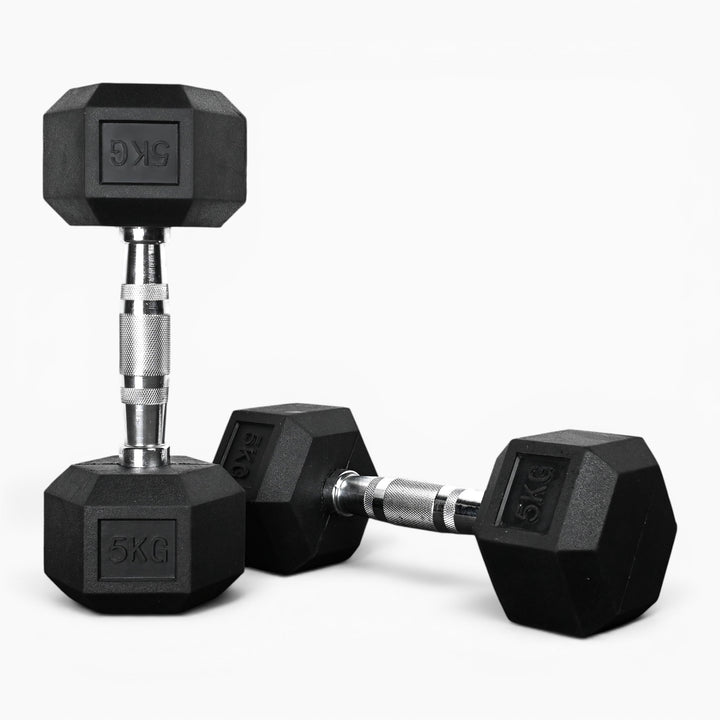
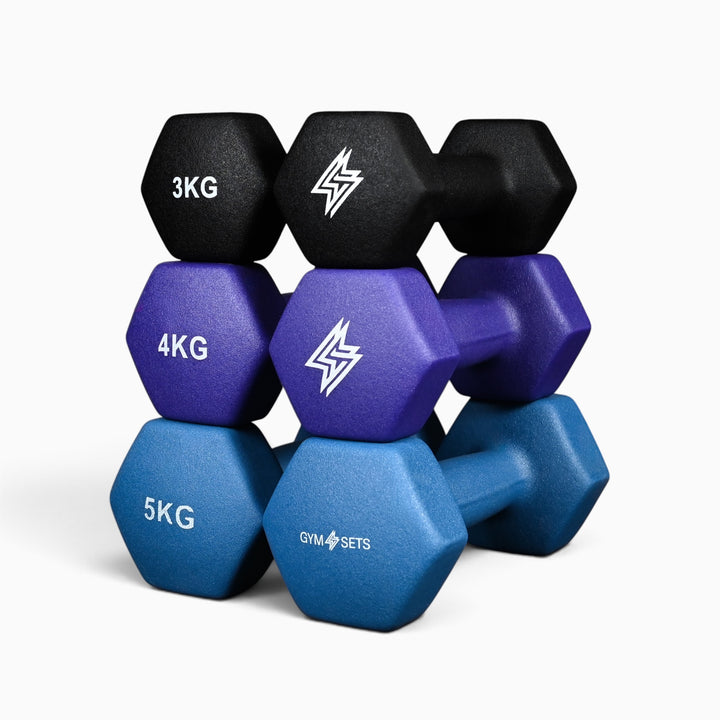
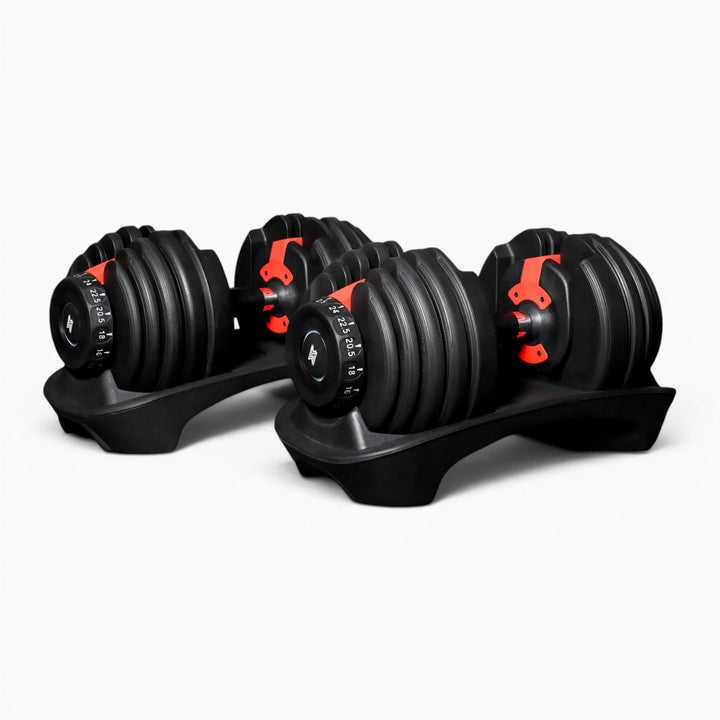
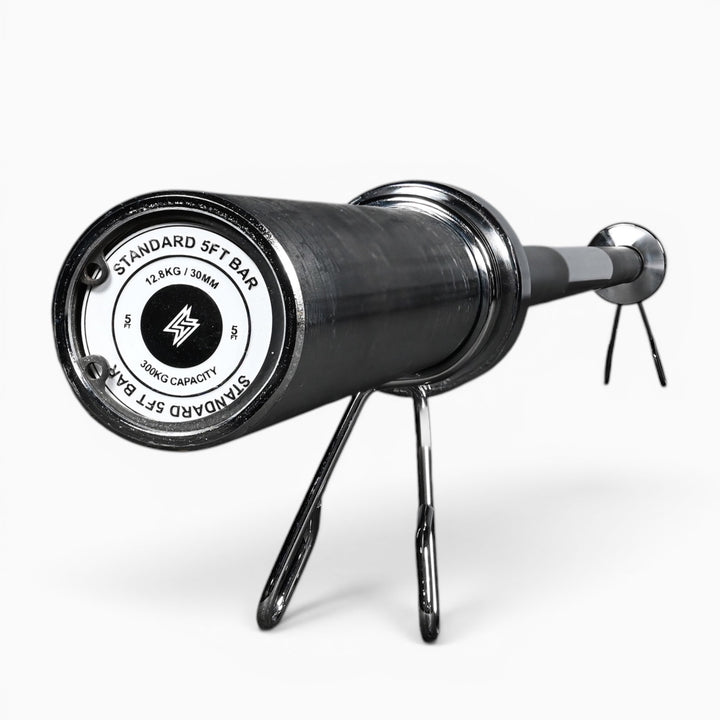
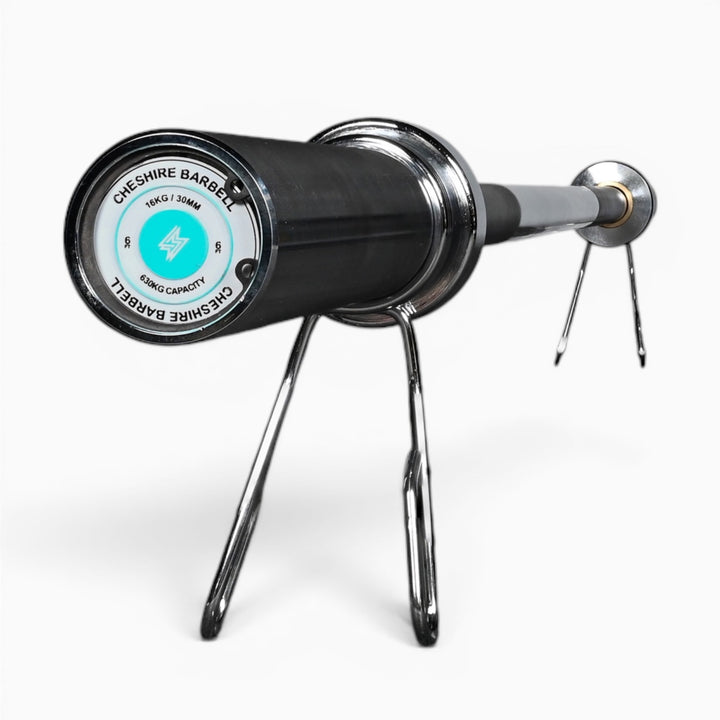
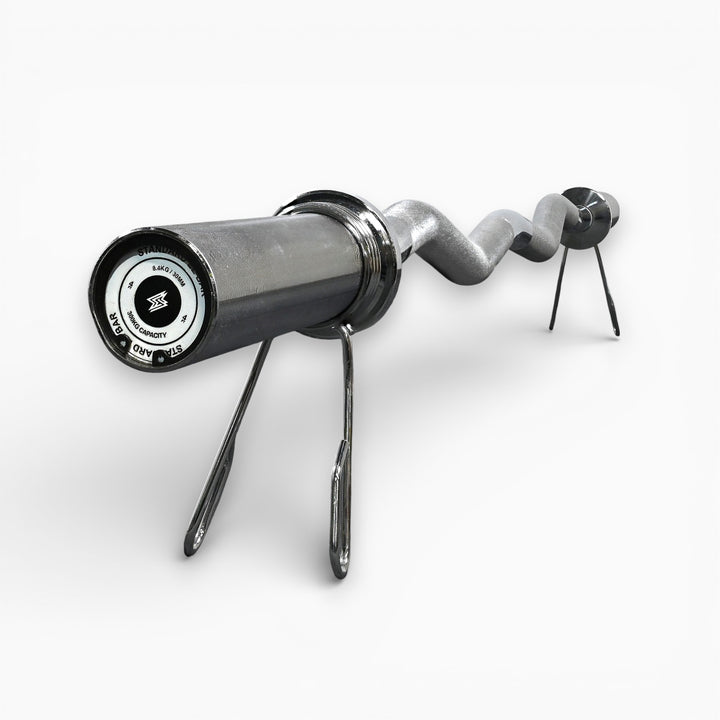
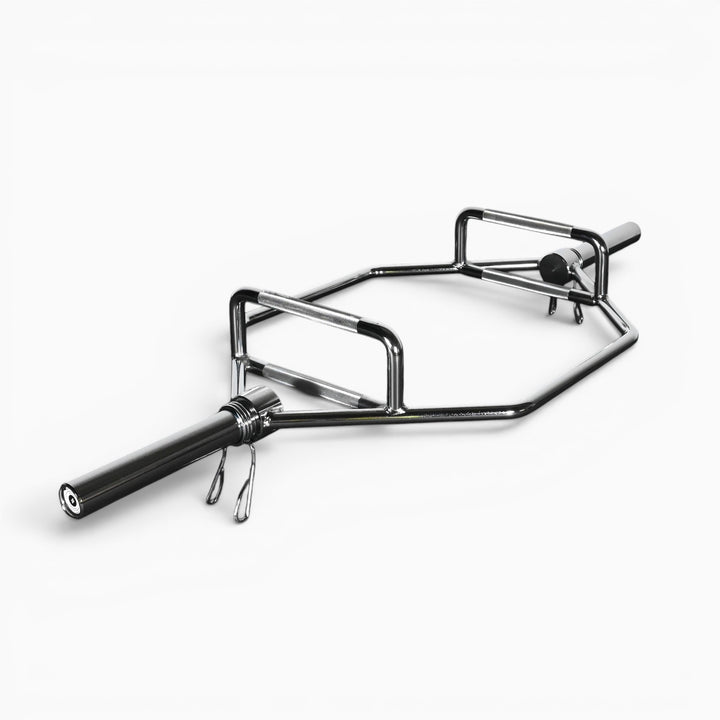
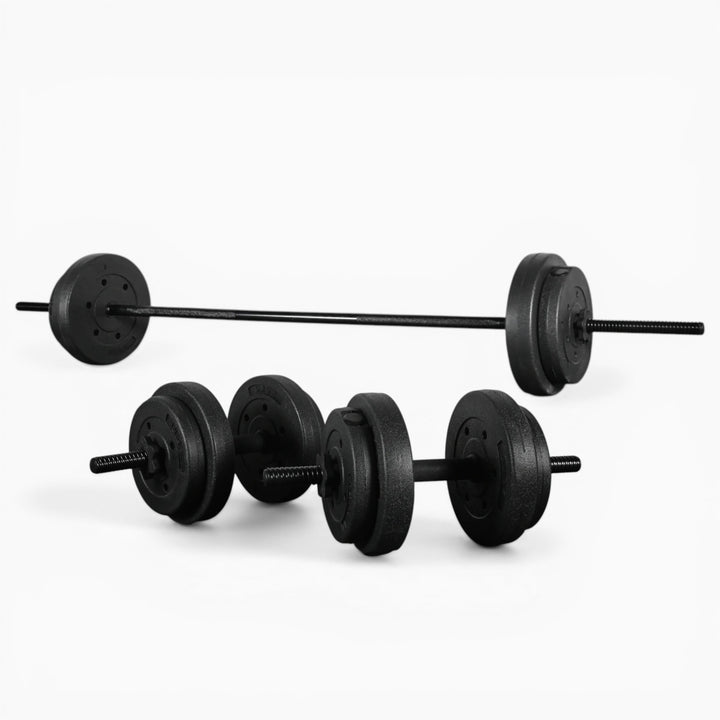
For a general home gym, free weights can provide an excellent foundation. Dumbbells, adjustable dumbbells, a barbell and weight plates can all be used for a wide variety of exercises.
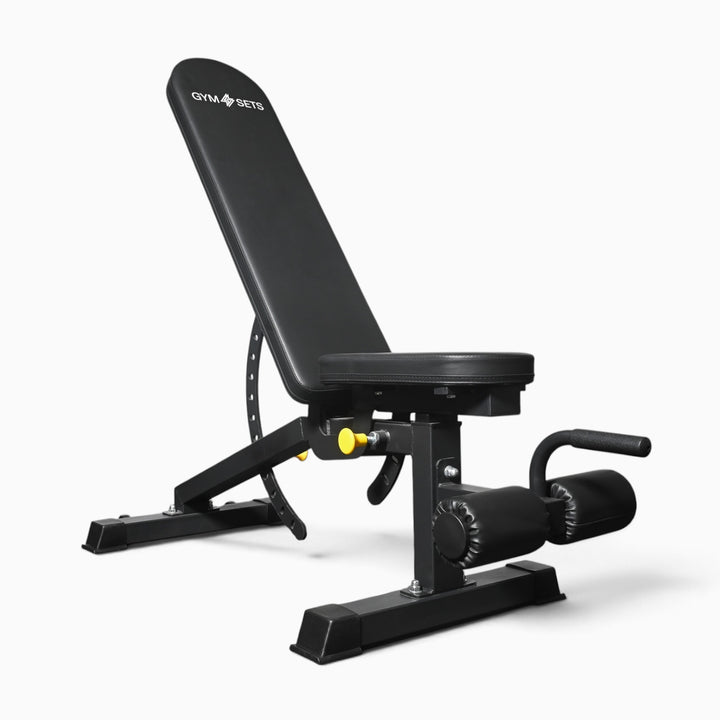
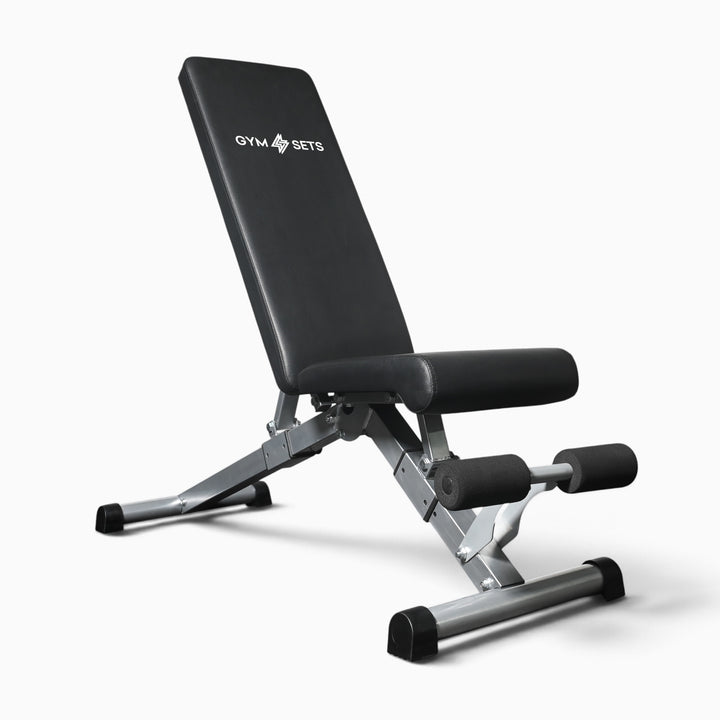
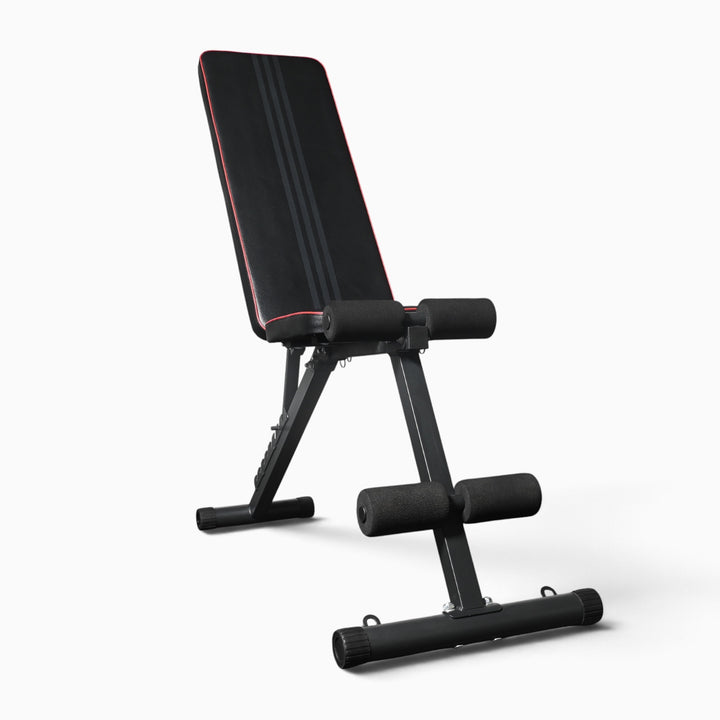
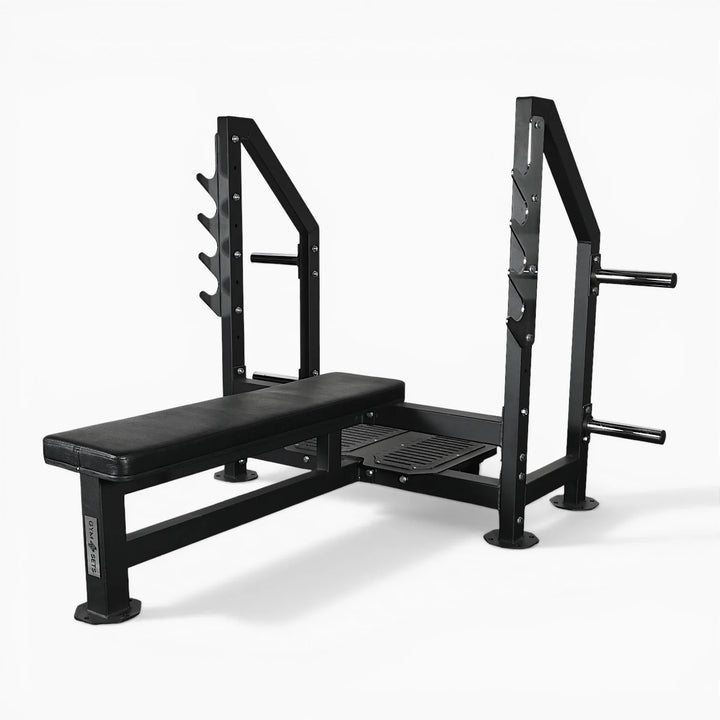
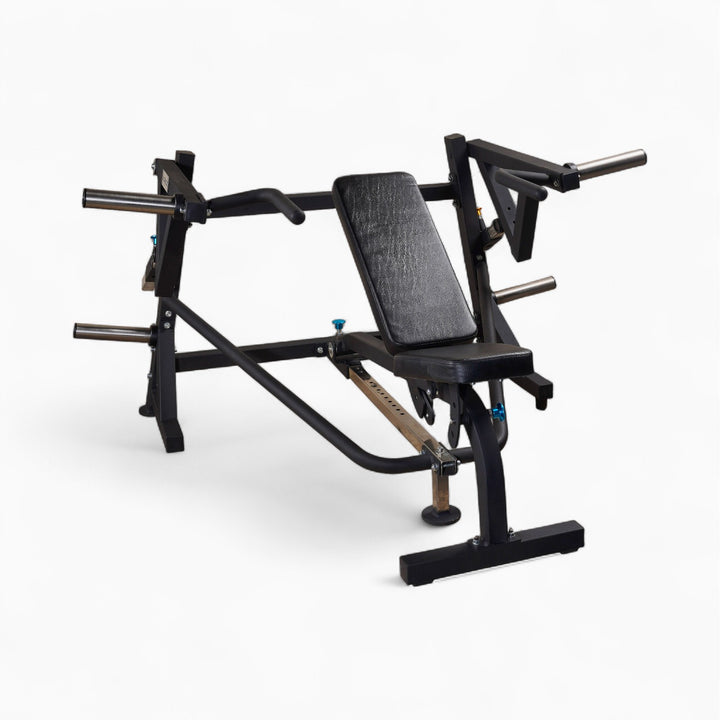
A suitable bench can expand your exercise options further. You can use it for pressing movements, rows, seated exercises and a range of dumbbell workouts.
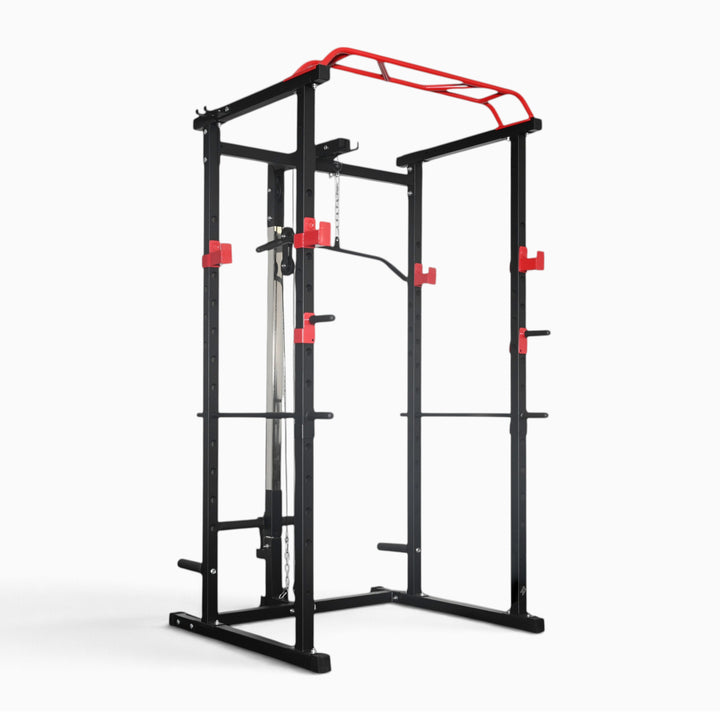
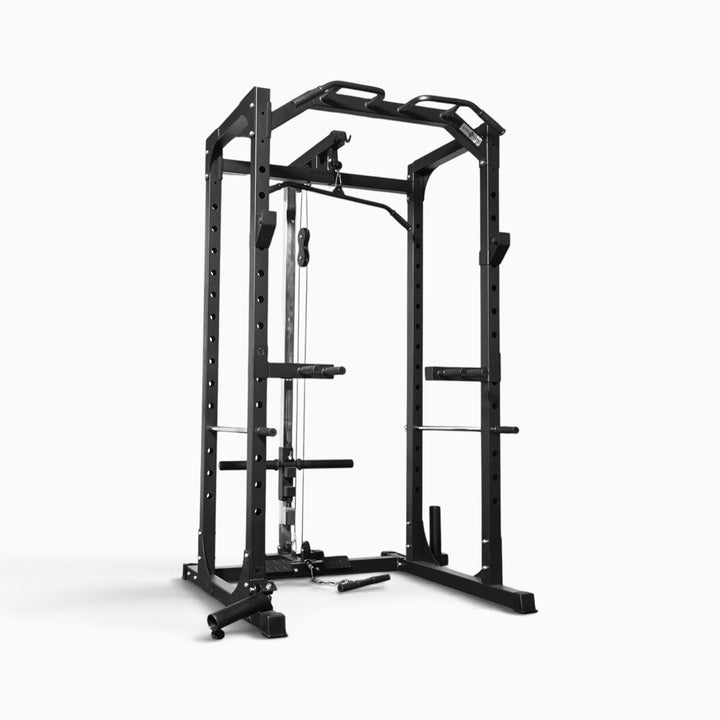
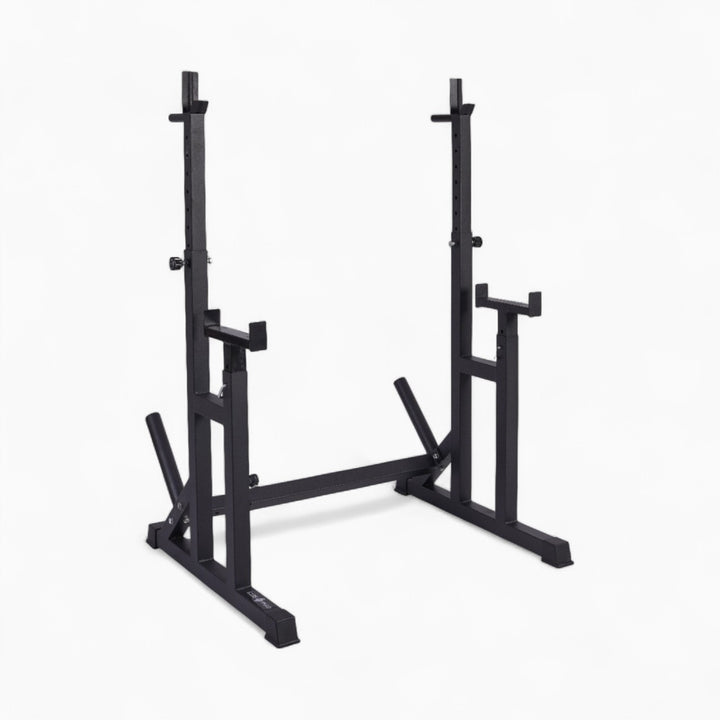
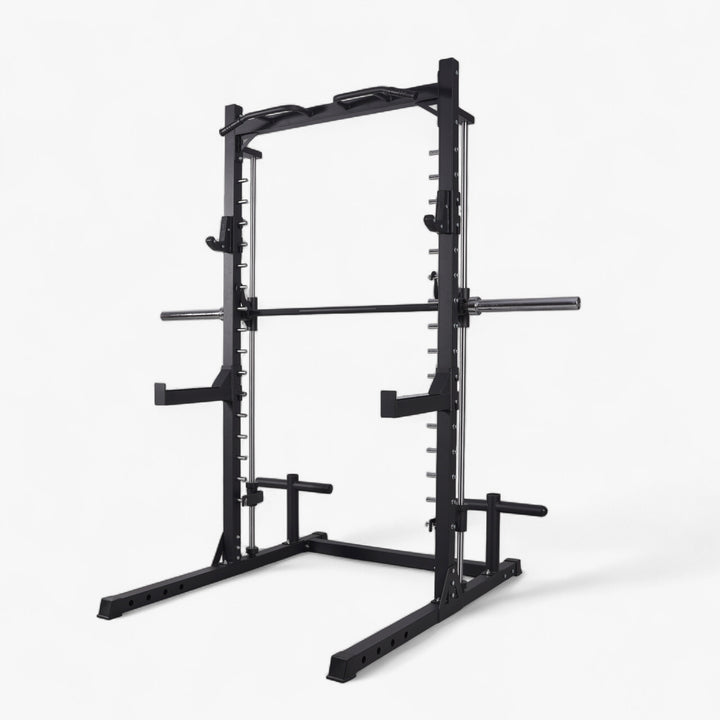
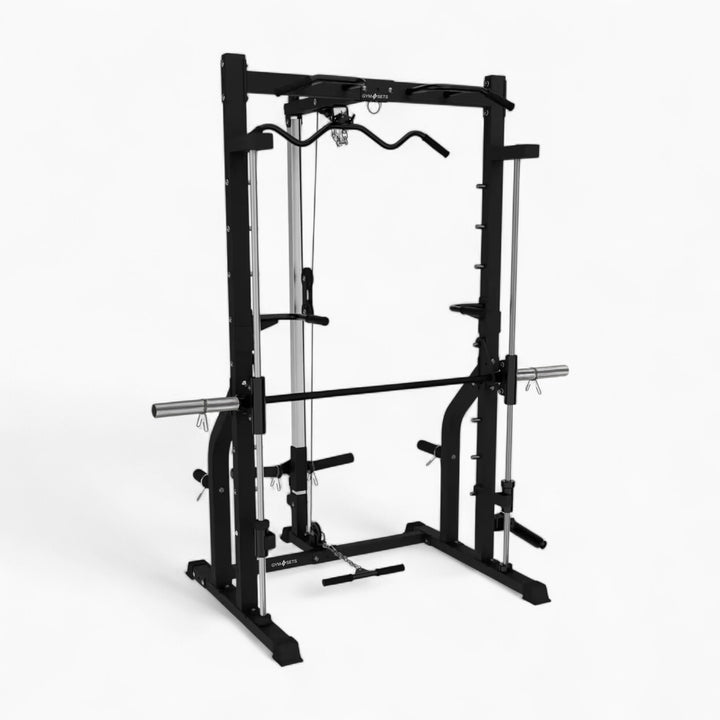
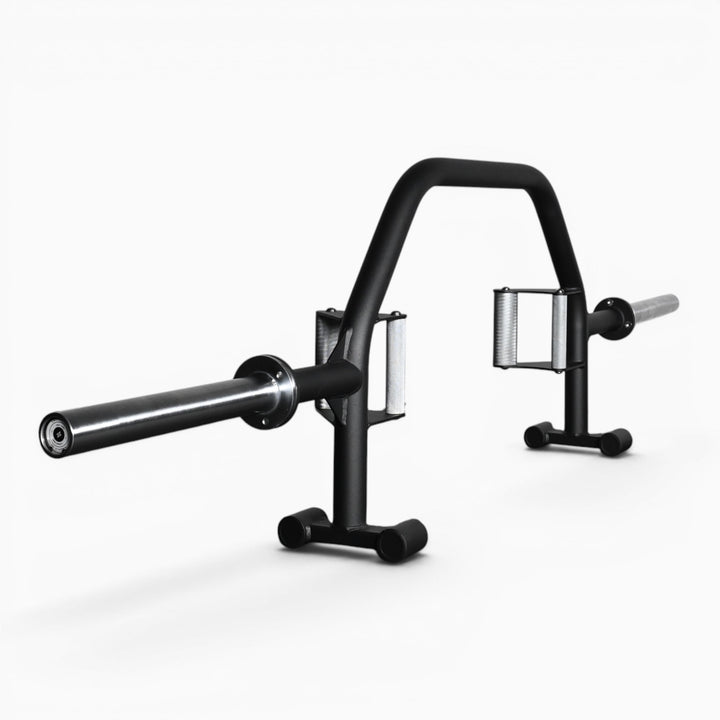
If you have enough space and strength training is a major priority, you could then consider adding a rack or a more comprehensive weight training system. The important thing is to build around the exercises you actually intend to perform.
Think about cardio equipment
Strength training is only one part of a balanced fitness routine. If you enjoy cardiovascular exercise, consider whether your home gym would benefit from a dedicated cardio machine.
A treadmill can be a practical option for walking, jogging and running, while an exercise bike can provide another convenient way to get your heart rate up. Cross trainers and rowing machines can also add variety to your cardio sessions.
You do not necessarily need several cardio machines. Choose the type of exercise you enjoy and are most likely to do consistently.
For example, if you already enjoy walking or running, a treadmill could become the centrepiece of your cardio setup. If cycling is more appealing, an exercise bike may make more sense.
Consider multi-functional equipment
When space is limited, multi-functional equipment can be particularly useful. Instead of buying separate pieces for every exercise, look for equipment that allows you to train several muscle groups.
A versatile bench, adjustable weights or a suitable rack can significantly increase the number of exercises you can perform without requiring an enormous amount of floor space.
This approach can also help you make your budget go further. One well-chosen piece of equipment that you use regularly can provide more value than several specialist items that only have one or two uses.
Before buying something, ask yourself a simple question: how many exercises can I realistically perform with this equipment? If the answer is only one or two, it may not be the best place to spend your initial budget.
Do not forget your home gym flooring
Flooring is one of the less exciting parts of building a home gym, but it is worth considering early. The right flooring can make your training area more comfortable and can provide protection for both your floor and equipment.
Rubber gym flooring is a popular choice because it provides a durable surface for many types of training. It can also help reduce noise and provide additional grip during exercise.
The type and thickness of flooring you need will depend on your workouts. Someone doing bodyweight workouts will have different requirements from someone regularly lifting heavy weights.
Good flooring can also help define the gym area, particularly if you are creating a workout space within a larger room.
Make safety a priority
A home gym should be somewhere you can exercise confidently and safely. Before using your equipment, make sure you understand how it works and that it is suitable for your level of training.
Leave enough room around equipment for safe movement and keep walkways clear. Weights, resistance bands and smaller accessories should have a designated storage area rather than being left across the floor.
If you are lifting heavier weights, consider the appropriate safety equipment for your setup. Depending on what you are training with, this could include safety bars, collars or suitable spotting arrangements.
It is also worth checking the manufacturer's instructions for every piece of equipment. Correct assembly, maintenance and use can help keep your equipment functioning properly and reduce avoidable risks.
Think about storage
Storage becomes increasingly important as your home gym grows. A few dumbbells and a bench may not take up much room, but additional weights, bars and accessories can quickly create clutter.
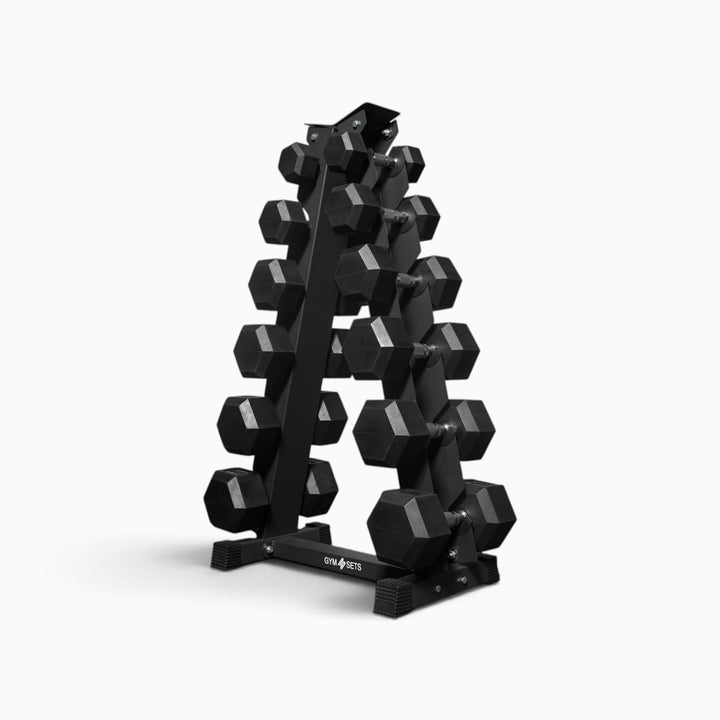
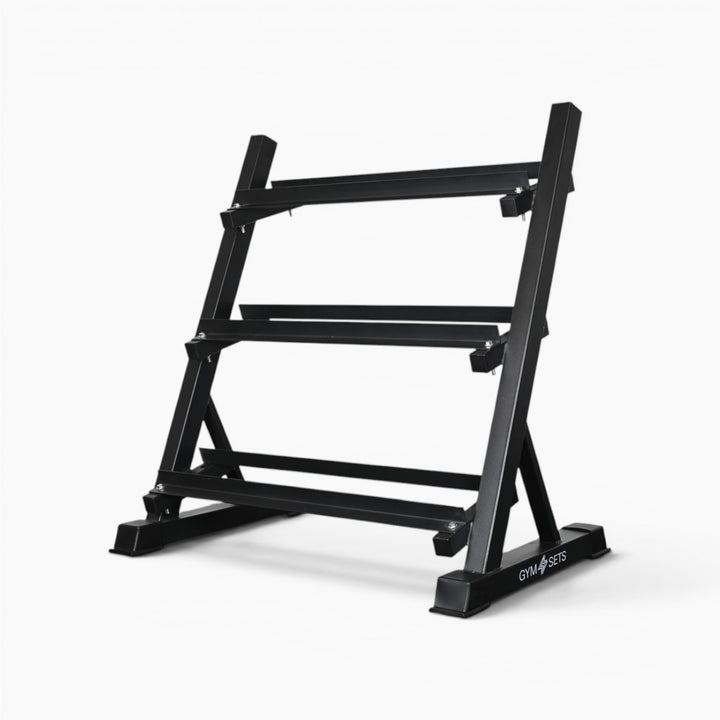
Planning storage from the beginning can help keep your gym organised. Weight racks, shelving and dedicated storage solutions can make it easier to put equipment away after every session.
An organised gym is also a more enjoyable gym. If you can find everything quickly and have a clear space to train, there is less friction between deciding to work out and actually getting started.
Create a gym you want to use
The most expensive home gym in the world is not much use if you do not enjoy spending time in it. Think about how you can make your training space somewhere you genuinely want to be.
Good lighting can make a surprisingly big difference, particularly if your gym is in a garage or room without much natural light. Ventilation is also important, especially during harder workouts.
You might also want to consider a speaker, television or phone holder if you enjoy listening to music, watching workouts or following training programmes. These are optional extras, but they can make your sessions more enjoyable.
The goal is to create an environment that encourages you to train. It does not need to look like a professional gym; it simply needs to work for you.
Build your home gym around your routine
Your equipment should support the way you actually train. If you only have 30 minutes available on weekday mornings, there is little point creating a setup that requires a long preparation period before every session.
Consider how often you expect to train and what a typical workout might look like. If you are planning full-body workouts several times a week, versatile equipment can be particularly valuable.
If you prefer separate cardio and strength days, you can divide your equipment accordingly. Planning your routine before buying equipment can make your purchasing decisions much clearer.
Start small and build gradually
One of the biggest mistakes people can make when creating a home gym is trying to buy everything at once. You may start with a long wish list only to discover that half of the equipment is rarely used.
Instead, start with the basics. Give yourself time to establish a routine and learn which types of training you enjoy most.
You can then add equipment based on a genuine need. If you find that you are consistently limited by the equipment you already own, that is a good indication that it is time to expand.
This approach can also make the process more affordable. Rather than making one large purchase, you can spread the cost over time while gradually creating a gym that is tailored to you.
Think about the future
Although you should avoid buying equipment you do not need, it is still worth thinking about how your fitness goals might change. Your home gym should ideally have some room for progression.
For example, if you are starting strength training, you may initially need relatively light weights. As you become stronger, you will probably want access to heavier loads.
Likewise, someone starting with regular walks may eventually want to introduce jogging or running. Choosing equipment with suitable adjustment options can help ensure that your setup remains useful as you progress.
You do not need to predict exactly where your fitness journey will take you. Just leave yourself enough flexibility to make your home gym evolve with you.
How much equipment do you really need?
There is no fixed answer to how much equipment a home gym needs. The ideal setup depends on your goals, available space, budget and preferred training style.
A basic setup could be surprisingly simple. A set of weights, a bench and some space to move can provide the foundation for many strength workouts, while adding a treadmill or another cardio machine can broaden your training options.
The key is not the number of machines in the room. It is whether the equipment helps you perform the exercises you want to do and supports a routine you can maintain.
Common mistakes to avoid when building a home gym
Buying equipment before planning your space is one common mistake. It is frustrating to discover that a machine does not fit properly after you have already bought it.
Another mistake is prioritising appearance over practicality. A piece of equipment might look impressive, but that does not necessarily mean it is useful for your particular goals.
It is also easy to underestimate the importance of maintenance and storage. Your home gym should be easy to clean, equipment should be stored safely and moving parts should be checked according to the manufacturer's recommendations.
Finally, do not feel pressured to create your perfect gym immediately. The best home gym is one that develops around your habits and training needs.
A simple way to plan your home gym
If you are wondering where to start when building a home gym, use a straightforward process. First, establish your goals, then measure your space and decide how much you want to spend.
Next, choose the exercises and types of training you want to focus on. From there, select equipment that allows you to perform those exercises while giving you enough room to progress.
Once your essential equipment is in place, consider flooring, storage and a few extras that will make the space more comfortable. You can then add equipment over time as your routine develops.
Final thoughts
Knowing where to start when building a home gym does not have to be complicated. Begin with your goals, space and budget, then choose versatile equipment that supports the workouts you actually want to do.
You do not need a huge room or an enormous equipment collection to create an effective training environment. A carefully planned setup can give you the convenience of exercising at home while allowing you to build strength, improve fitness and develop a routine around your lifestyle.
Most importantly, give yourself time. Start with the essentials, use your equipment consistently and let your home gym grow as your fitness journey progresses.
When you approach your home gym this way, every new piece of equipment has a purpose. Instead of simply filling a room with fitness equipment, you are creating a space designed around your goals, your routine and the way you want to train.