



If you're new to the gym, start with equipment that is simple, safe, and effective. Cardio machines, resistance machines, free weights, and functional training equipment all help you build confidence, improve fitness, and develop proper technique without feeling overwhelmed.
Starting your fitness journey can feel exciting and intimidating at the same time. Walking into a gym full of unfamiliar machines and equipment often leaves beginners wondering where to begin and which equipment will actually help them reach their goals.
This guide explains which gym equipment should I use as a beginner, what each piece of equipment does, and how to use it safely. By the end, you'll understand which equipment deserves your attention, which mistakes to avoid, and how to create a beginner-friendly workout routine that builds confidence from day one.
Why Choosing the Right Gym Equipment Matters
One of the biggest mistakes beginners make is trying everything at once. With so many machines, weights, and accessories available, it's easy to become overwhelmed before you've even started your workout.
The best approach is to focus on versatile equipment that teaches good movement patterns while allowing you to gradually build strength and fitness. Starting with beginner-friendly equipment reduces your risk of injury and makes every gym session feel more productive.
Remember that consistency is far more important than using complicated equipment. Simple exercises performed regularly will always deliver better results than advanced routines you struggle to stick with.
Which Gym Equipment Should I Use as a Beginner?
If you're asking which gym equipment should I use as a beginner?, the answer depends on your goals, but most beginners benefit from using a combination of cardio equipment, resistance machines, free weights, and bodyweight training.
These pieces of equipment provide a balanced workout that improves cardiovascular fitness, builds muscle, strengthens joints, and develops coordination. Together, they create the perfect foundation for long-term progress.
Start with Cardio Machines
Cardio equipment is one of the easiest places to begin because it's simple to use and helps improve your overall fitness.
Treadmill
The treadmill is one of the most beginner-friendly machines in any gym. You can start with a comfortable walking pace before gradually increasing the speed or incline as your fitness improves.
Walking on a treadmill also helps warm up your muscles before strength training, reducing stiffness and preparing your body for exercise.
Exercise Bike
Stationary bikes are ideal for beginners because they're low impact and easy on the knees and hips.
Cycling improves cardiovascular endurance while strengthening the legs. You can easily adjust the resistance to suit your fitness level without worrying about balance.
Cross Trainer
Cross trainers, also known as elliptical trainers, provide a full-body cardio workout while placing less stress on your joints than running.
Because your arms and legs move together, you'll burn calories while improving coordination and endurance at the same time.
Rowing Machine
Many beginners overlook the rowing machine, but it's one of the most effective pieces of cardio equipment available.
Rowing works your legs, back, core, shoulders, and arms simultaneously, making it an excellent full-body exercise that also improves cardiovascular fitness.
Resistance Machines Are Perfect for Learning
Resistance machines are specifically designed to guide your movement, making them an excellent choice for beginners.
Unlike free weights, machines help maintain proper form throughout each repetition, allowing you to focus on learning the movement rather than balancing the weight.
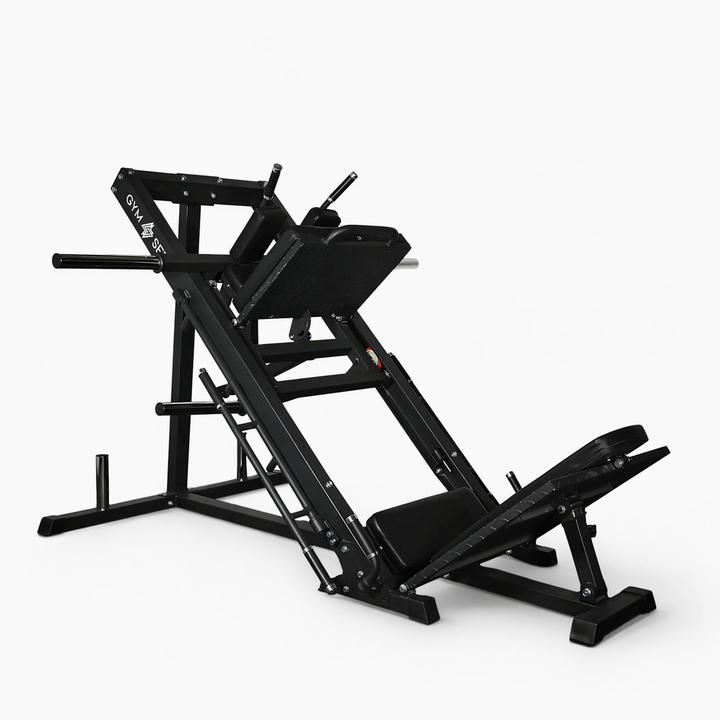
Leg Press
The leg press strengthens your quadriceps, hamstrings, glutes, and calves.
Because you're seated with back support, it's much easier to learn than traditional barbell squats while still developing lower-body strength.
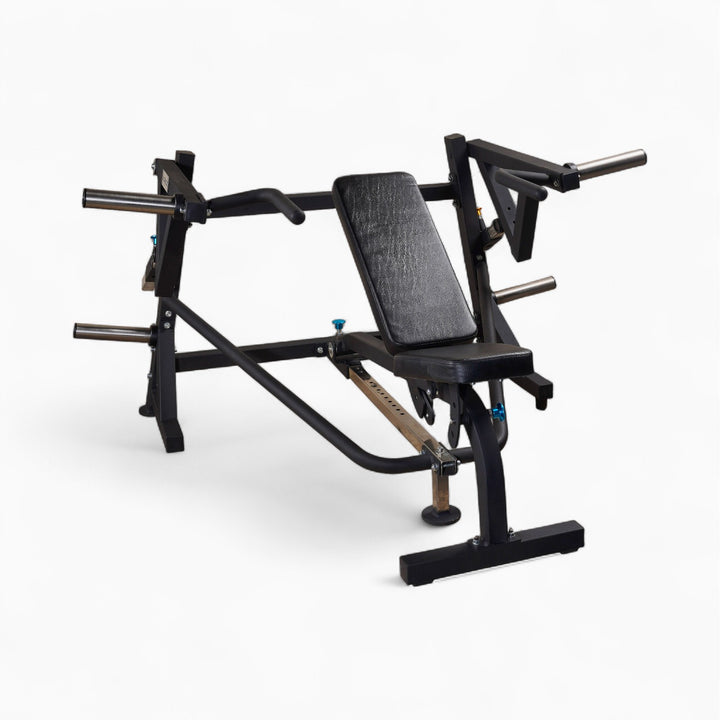
Chest Press
The chest press machine targets your chest, shoulders, and triceps.
The guided movement helps beginners understand proper pressing technique before progressing to dumbbells or barbells.
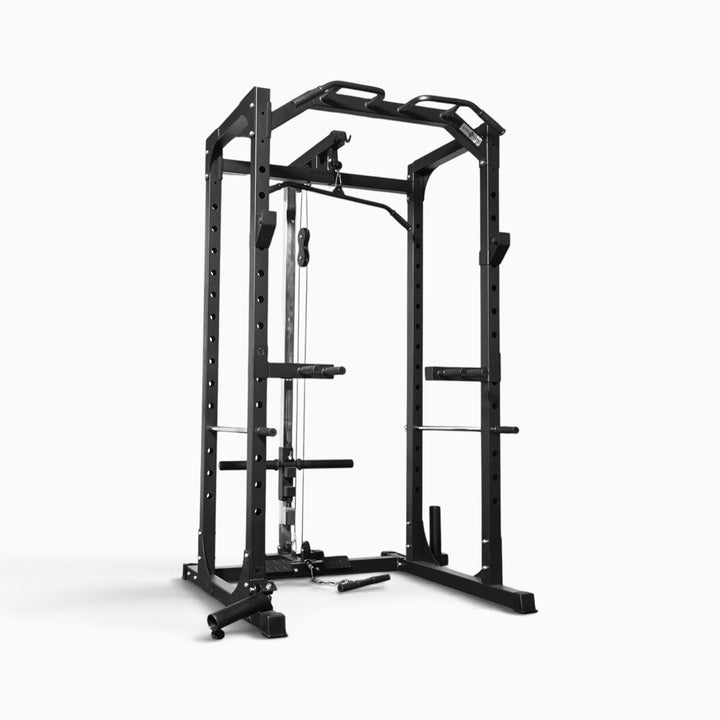
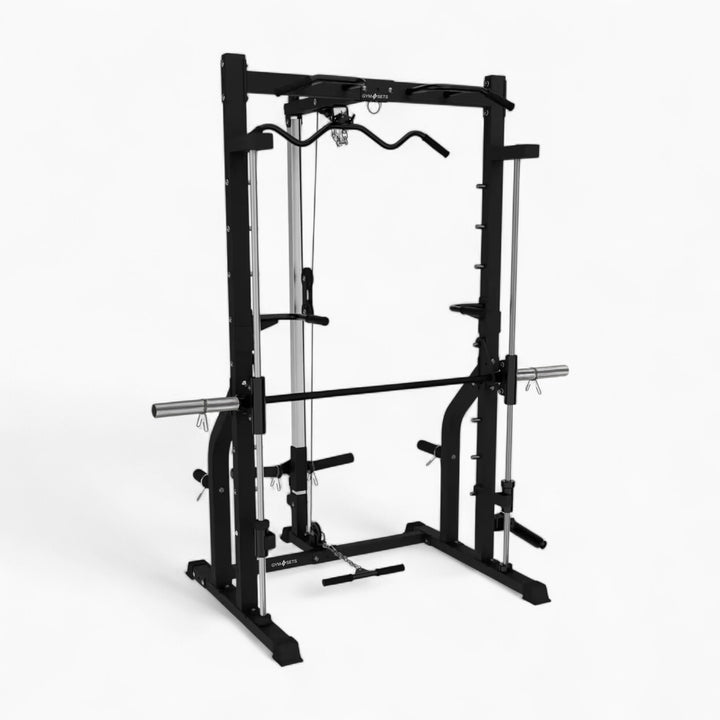
Lat Pulldown
The lat pulldown strengthens your upper back and improves posture.
Many people spend long hours sitting at desks, making upper-back exercises particularly valuable for correcting muscle imbalances.
Seated Row
Seated rows improve posture while strengthening your back, shoulders, and arms.
Learning to pull correctly helps balance pushing exercises like the chest press and supports healthier shoulder function.
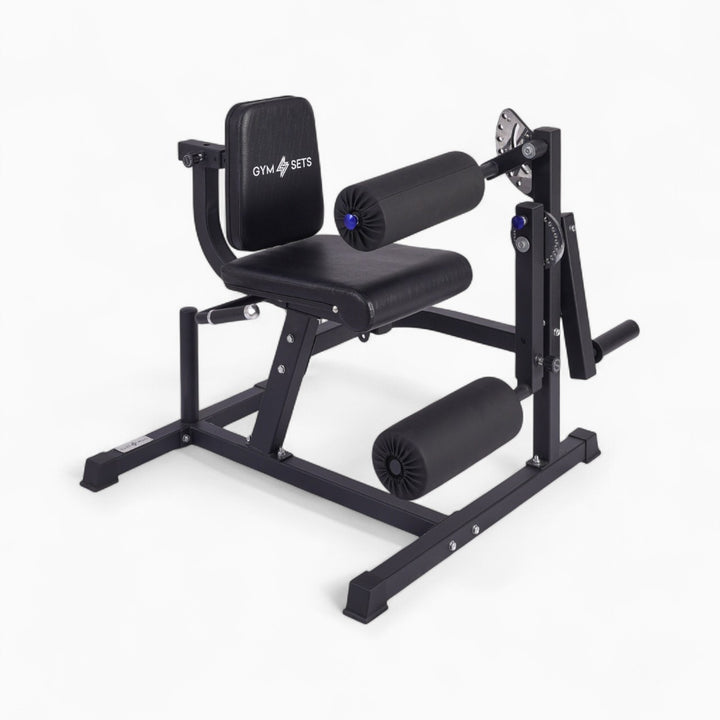
Leg Curl and Leg Extension
These machines isolate the muscles at the front and back of your thighs.
Although they shouldn't replace compound exercises, they're useful additions when learning lower-body strength training.
When Should Beginners Start Using Free Weights?
Free weights often look intimidating, but they're incredibly valuable once you've learned the basics.
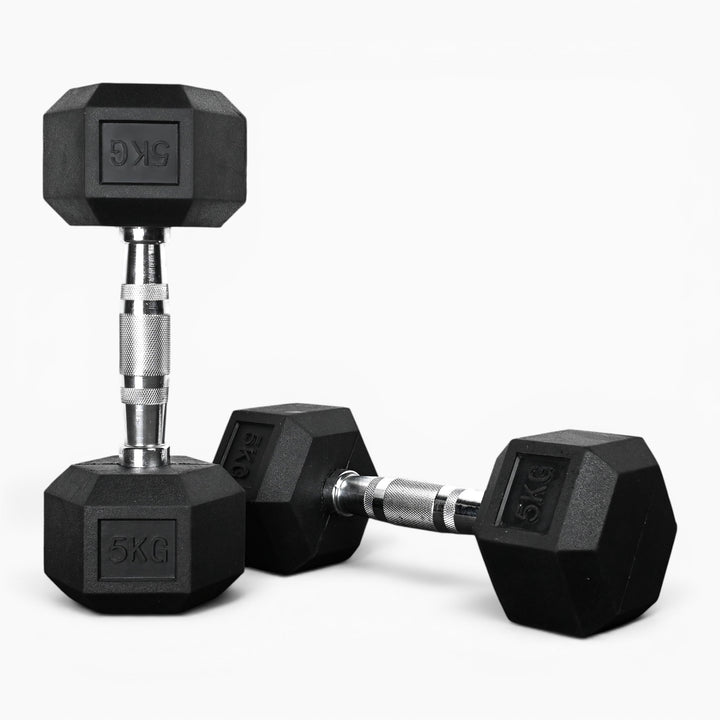
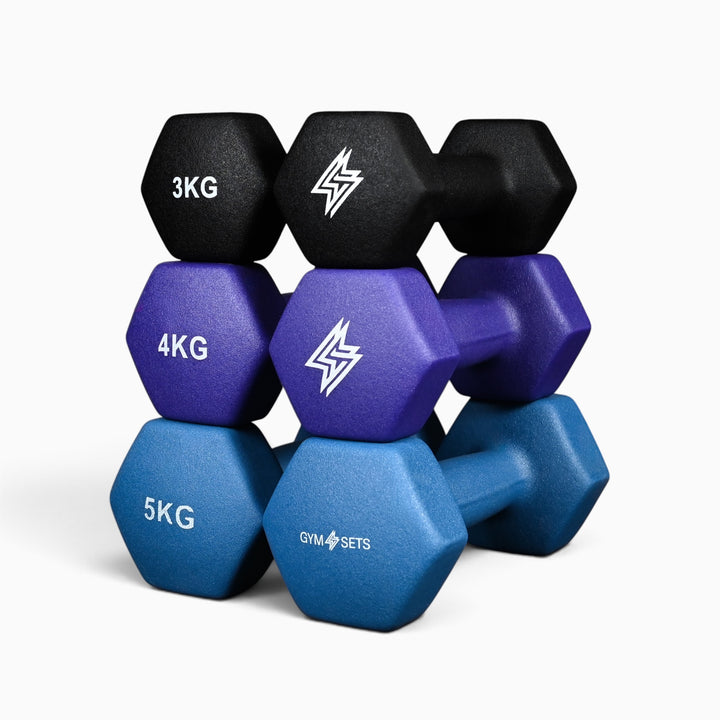
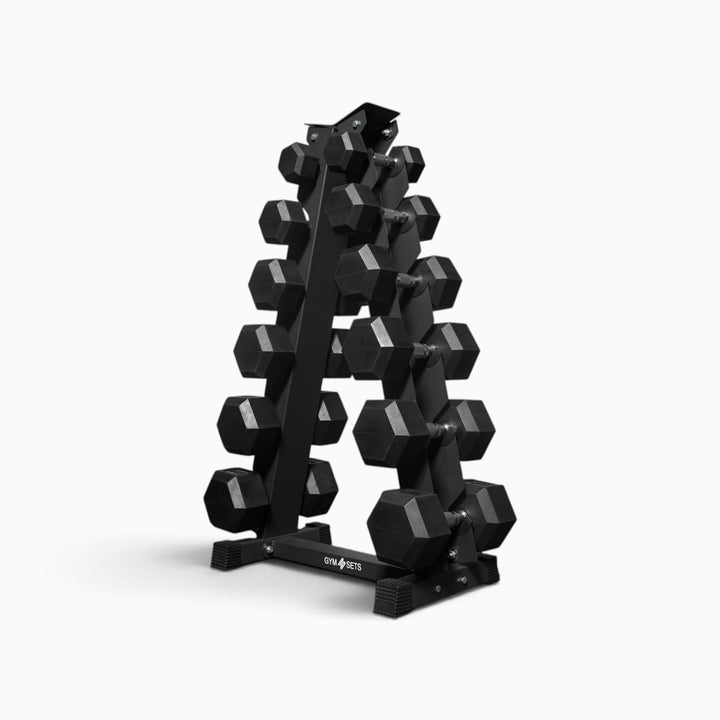
Dumbbells allow your stabilising muscles to work harder than machines, helping improve balance, coordination, and functional strength.
Rather than jumping straight into heavy lifting, begin with light dumbbells and focus on perfect technique.
Some excellent beginner exercises include goblet squats, dumbbell shoulder presses, dumbbell rows, lunges, and Romanian deadlifts.
As your confidence grows, you can gradually increase the weight while maintaining good form.
Should Beginners Use Barbells?
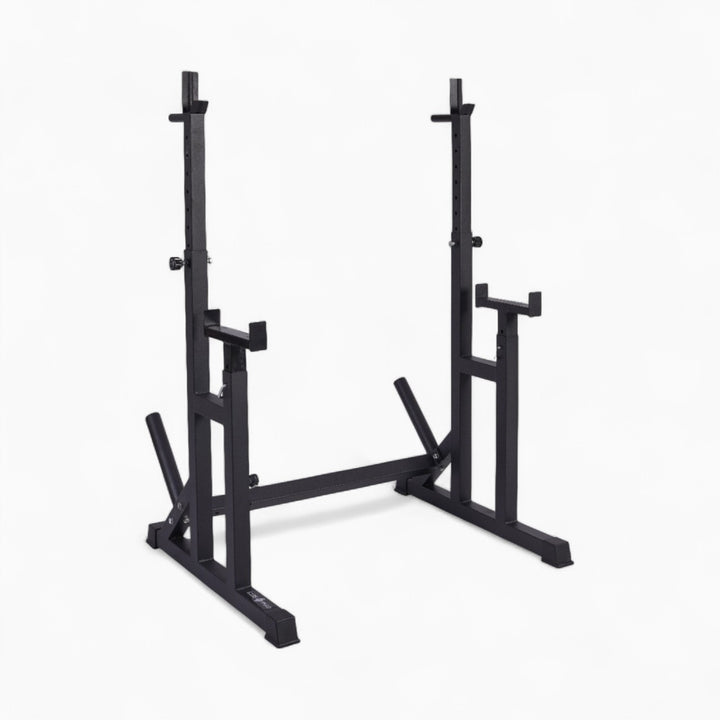
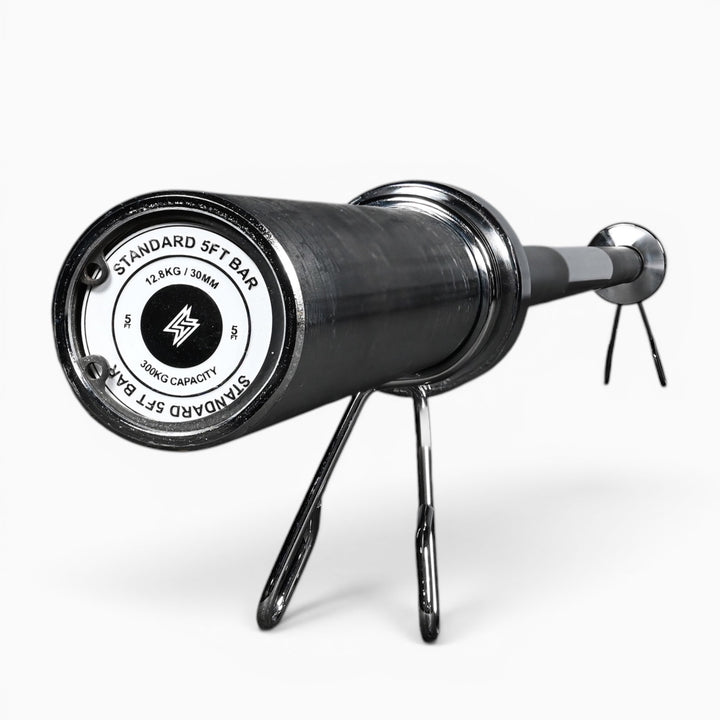
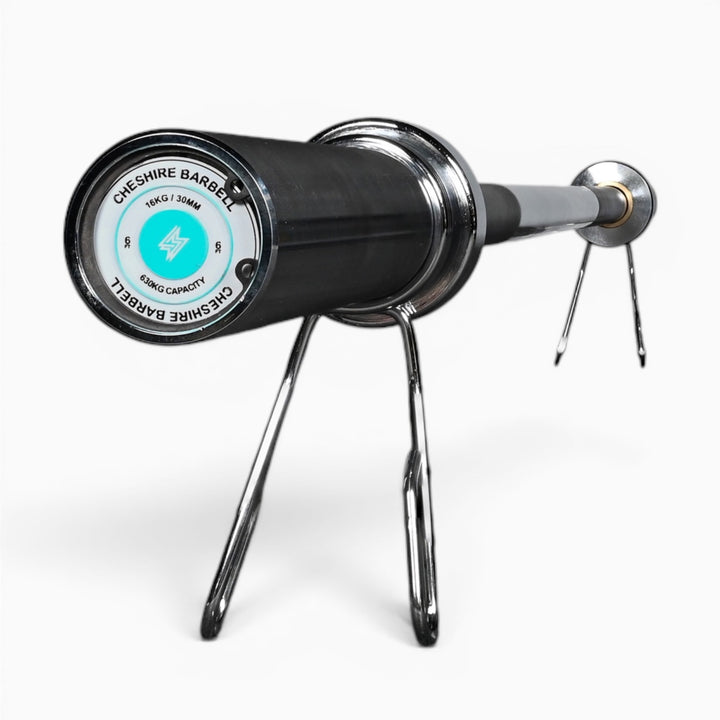
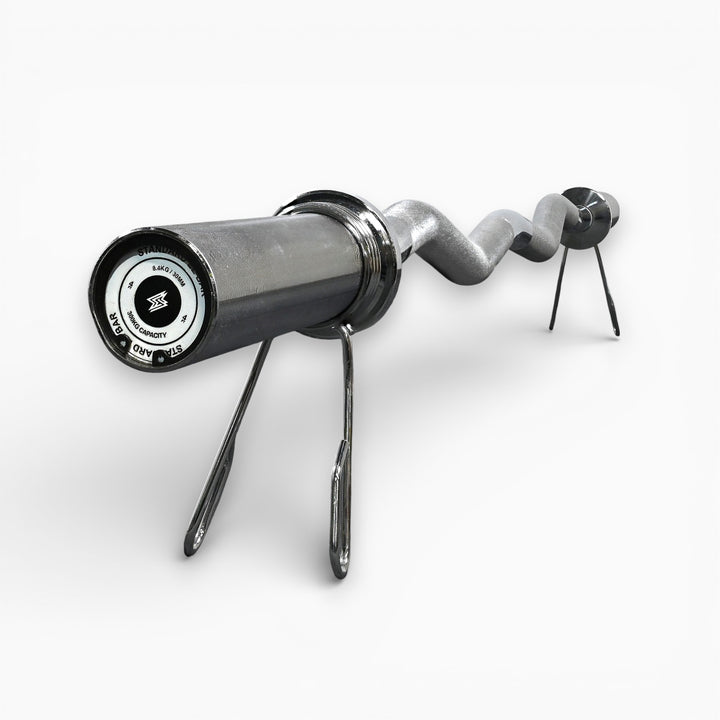
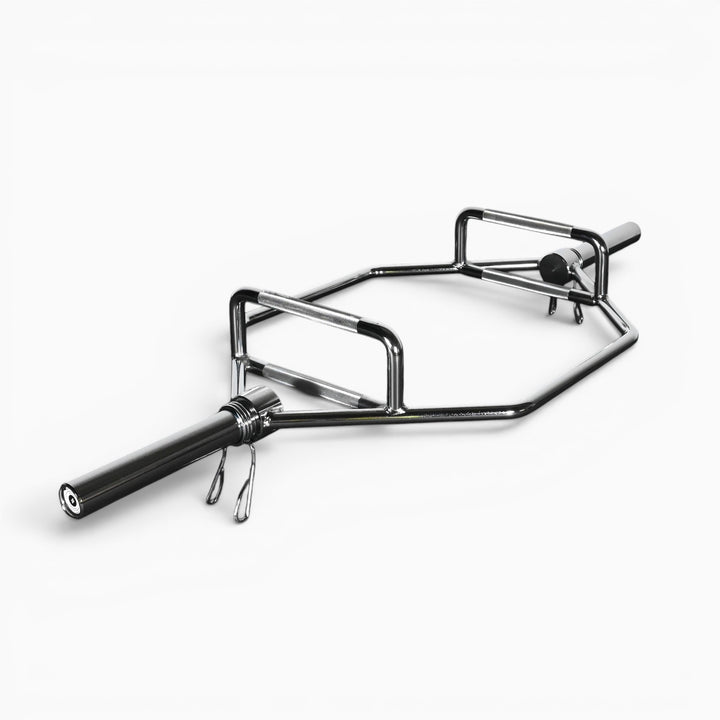
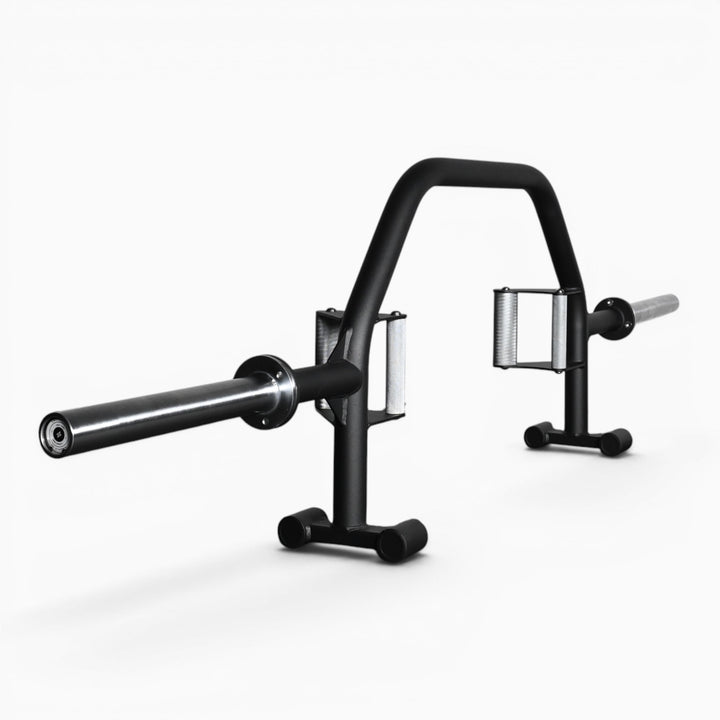
Barbells can be introduced once you've developed confidence with machines and dumbbells.
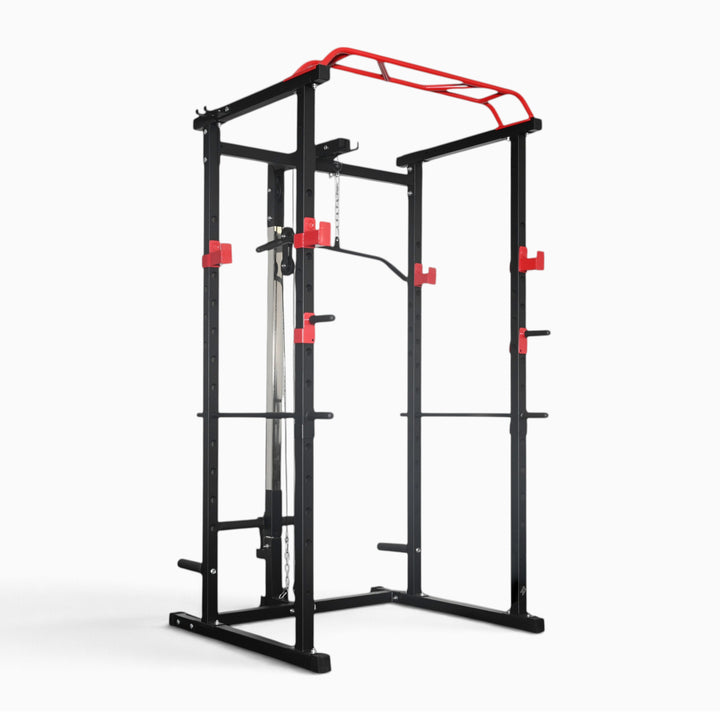
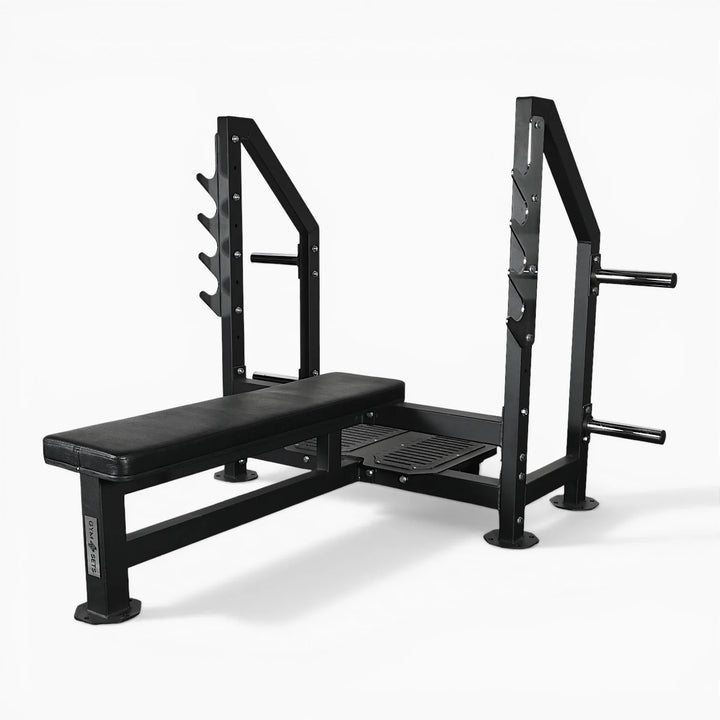
Exercises like squats, deadlifts, bench presses, and overhead presses are highly effective, but they require proper technique to perform safely.
If you're new to barbells, don't hesitate to ask a gym instructor for guidance. Learning correct form early will benefit you for years to come.
Don't Ignore Functional Training Equipment
Functional fitness equipment often gets overlooked by beginners, despite offering enormous benefits.
These tools improve stability, coordination, mobility, and overall movement quality.
Examples include:
-
Resistance bands
-
Kettlebells
-
Medicine balls
-
Suspension trainers
-
Balance trainers
-
Foam rollers
Resistance bands are particularly useful because they help improve mobility, activate muscles before workouts, and add extra resistance to bodyweight exercises.
Kettlebells introduce dynamic movements that strengthen the entire body while improving coordination and endurance.
Foam rollers don't build muscle directly, but they support recovery by reducing muscle tightness and improving mobility between workouts.
The Importance of Bodyweight Exercises
You don't need expensive equipment to become stronger.
Bodyweight exercises teach movement control while developing strength and balance that carries over into every other exercise.
Some of the best beginner bodyweight exercises include:
-
Squats
-
Push-ups
-
Glute bridges
-
Planks
-
Bird dogs
-
Walking lunges
These exercises can be performed almost anywhere and provide an excellent foundation before progressing to heavier equipment.
How Much Weight Should a Beginner Lift?
One of the most common questions beginners ask is how heavy they should lift.
The answer is simple. Choose a weight that allows you to complete around 10 to 15 repetitions while maintaining excellent form. The final few repetitions should feel challenging, but you should never lose control of the movement.
Progress gradually by increasing the weight only when your current weight begins to feel comfortable.
Common Beginner Mistakes to Avoid
Many beginners slow their progress by making simple mistakes that are easy to avoid.
Skipping warm-ups is one of the biggest errors. Spending five to ten minutes warming up increases blood flow, prepares your muscles for exercise, and reduces injury risk.
Using too much weight too soon is another common problem. Lifting heavier doesn't always mean better results. Good technique should always come before increasing resistance.
Copying advanced gym users can also be discouraging. Everyone starts somewhere, and your routine should match your own fitness level rather than someone else's.
Finally, avoid constantly changing your workout. Following a structured routine for several weeks allows your body to adapt and become stronger.
How Often Should Beginners Go to the Gym?
Most beginners achieve excellent results by training three times each week.
This schedule provides enough exercise to stimulate progress while allowing adequate recovery between sessions.
As your body adapts, you may gradually increase your training frequency depending on your goals and recovery.
A Simple Beginner Gym Routine
A balanced full-body workout is one of the most effective ways to begin.
Start with five to ten minutes on a treadmill, bike, or cross trainer to warm up.
Continue with the leg press, chest press, seated row, lat pulldown, dumbbell shoulder press, and bodyweight squats. Finish with a plank and gentle stretching.
This routine trains every major muscle group while keeping workouts manageable and easy to follow.
How Long Does It Take to See Results?
Most beginners notice improvements in energy levels and confidence within the first few weeks.
Visible physical changes usually begin to appear after six to eight weeks when exercise is combined with good nutrition and adequate sleep.
The key is consistency rather than perfection. Small improvements each week soon add up to significant long-term progress.
Should You Buy Gym Equipment for Home?
Many beginners eventually decide to create a home workout space.
Starting with versatile equipment allows you to perform hundreds of exercises without needing an entire commercial gym.
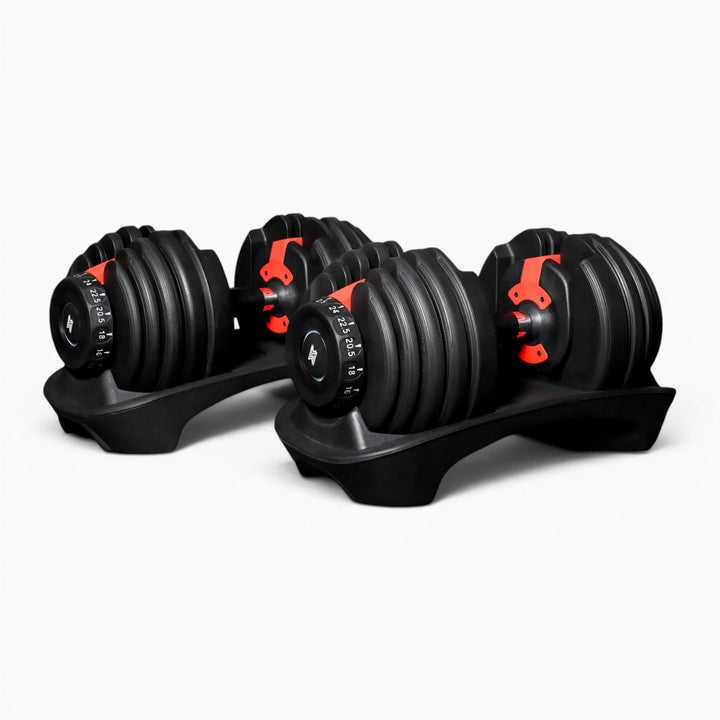
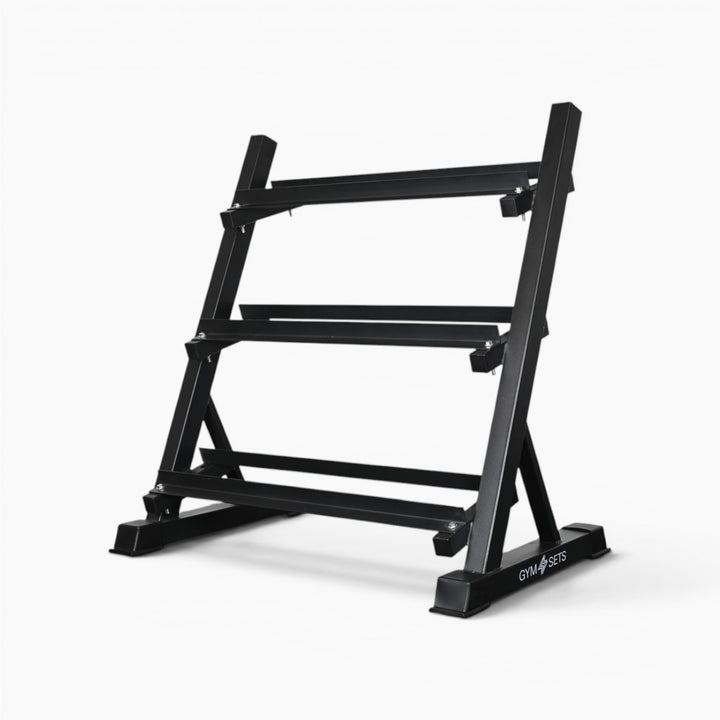
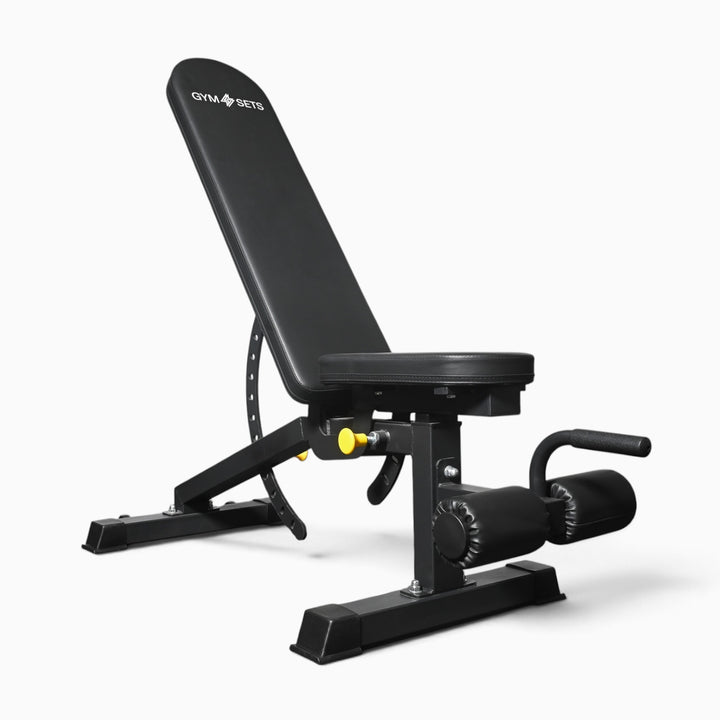
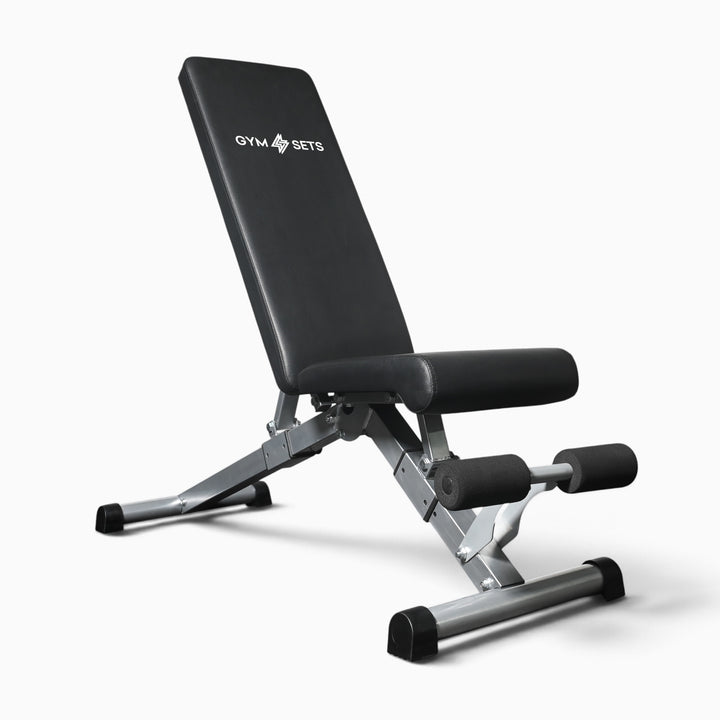
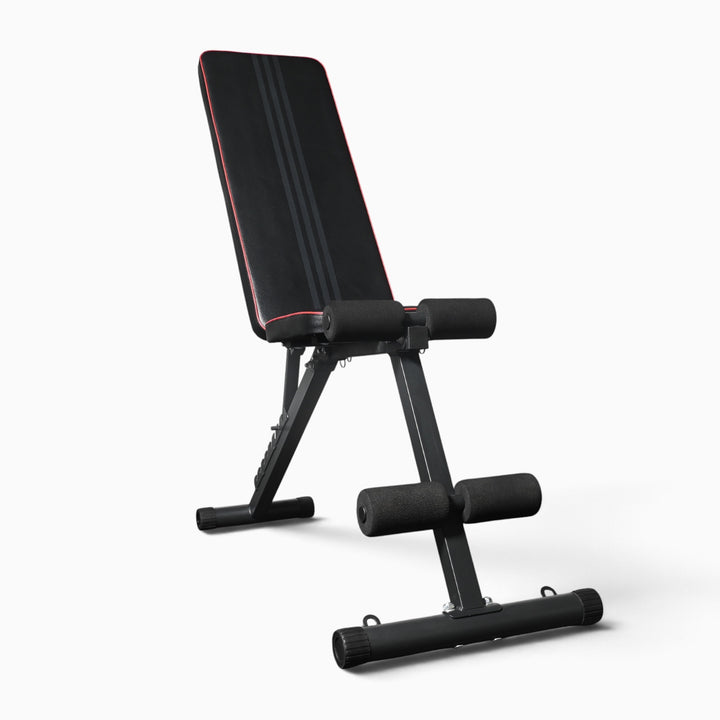
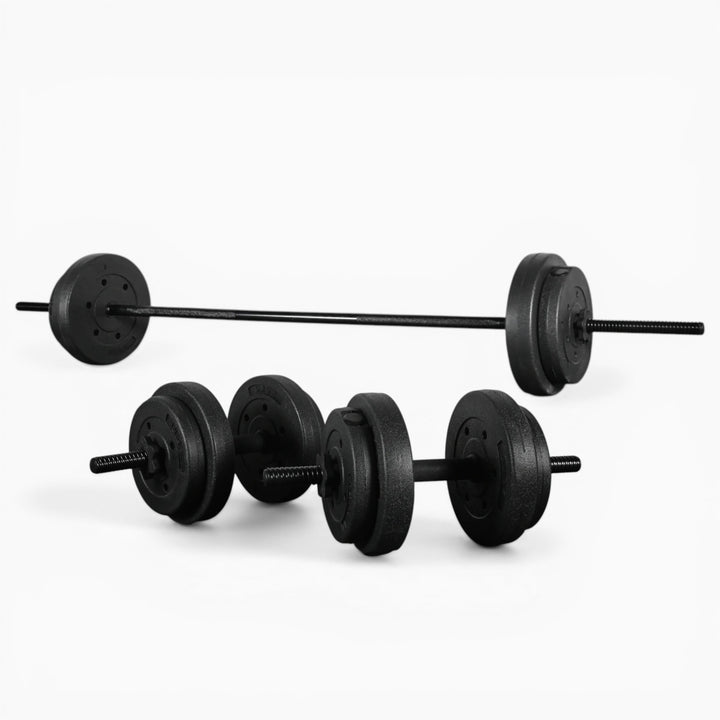
Some of the best home gym essentials include adjustable dumbbells, resistance bands, kettlebells, adjustable benches, and quality weight plates. Choosing durable equipment means you'll continue benefiting from it as your strength improves.
Whether you're exercising at home or in a commercial gym, investing in reliable equipment supports safer workouts and long-term progress.
Final Thoughts
If you've been asking which gym equipment should I use as a beginner?, the answer is simpler than you might think. Focus on mastering the basics before worrying about advanced equipment or complicated workout programmes.
Start with cardio machines to improve your fitness, use resistance machines to learn proper movement patterns, introduce dumbbells to build functional strength, and include bodyweight exercises to develop stability and coordination.
The most effective gym equipment isn't necessarily the newest or most advanced. It's the equipment you'll use consistently while maintaining good technique and enjoying your workouts. By building a strong foundation now, you'll set yourself up for lasting fitness success and continue progressing with confidence for years to come.