




Choosing the right barbell is one of the most important decisions when building a strength training setup. Whether you’re creating a garage gym, upgrading a PT studio, fitting out a commercial gym or expanding a functional training space, the barbell you choose affects performance, safety, durability and long-term value.
One of the most common questions lifters and gym owners ask is: what’s the difference between a standard barbell and an Olympic barbell?
The simple answer is this: standard barbells are usually lighter, smaller and suited to basic training, while Olympic barbells are stronger, more versatile and better suited to serious home and commercial gym use.
At GymSets UK, we supply strength equipment designed for real training environments, from compact home gyms to busy commercial facilities. In this guide, we’ll compare standard vs Olympic barbells and help you choose the right option for your space.
What Is a Standard Barbell?

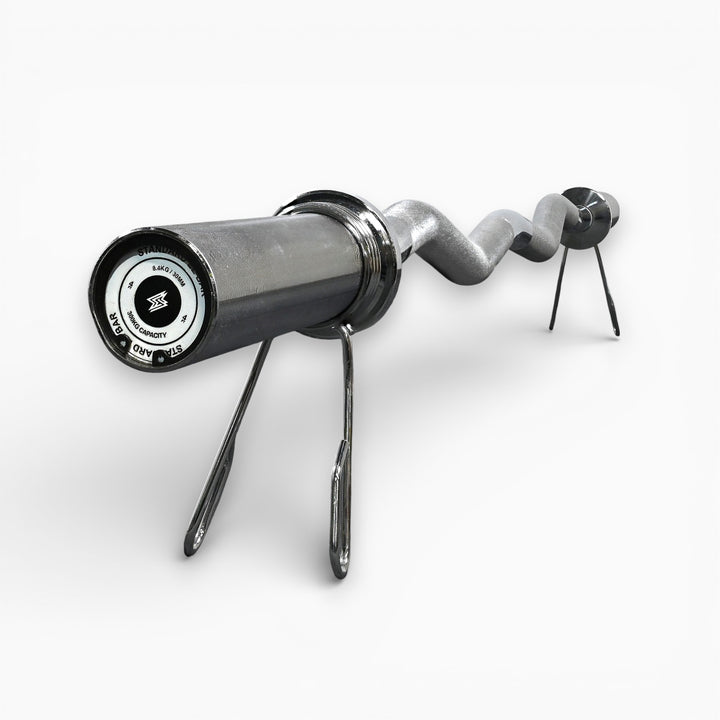
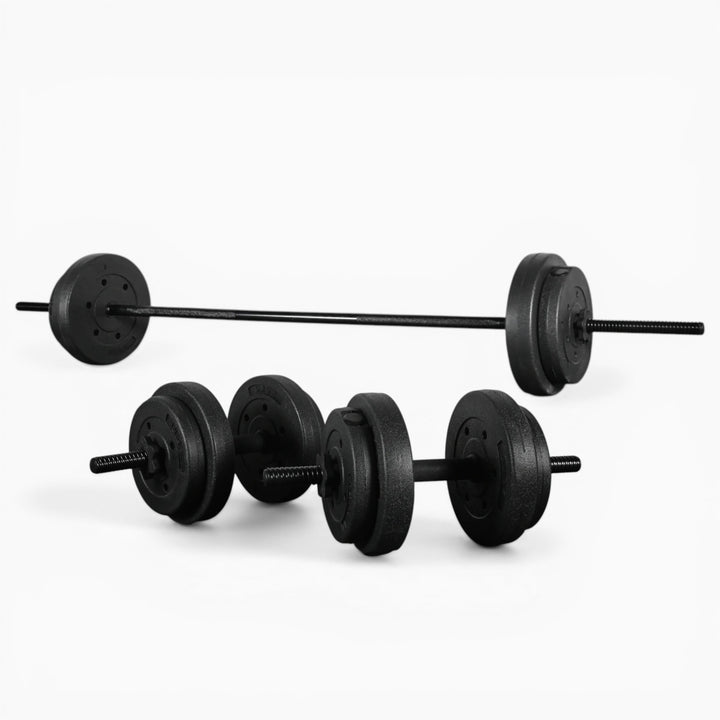
A standard barbell usually has a smaller sleeve diameter, commonly around 1 inch, and is used with standard weight plates. These bars are typically lighter, shorter and more affordable than Olympic barbells.
Standard barbells are often used for:
- Beginner home workouts
- Light bench press
- Bicep curls
- Shoulder press
- Bent-over rows
- General fitness training
For home users, a standard barbell can be a low-cost starting point. For commercial gyms, however, standard barbells are usually less suitable because they are not designed for heavy, repeated use across multiple members.
What Is an Olympic Barbell?

An Olympic barbell uses 2 inch sleeves and is designed for use with Olympic weight plates. Olympic bars are built for heavier lifting, better plate compatibility and more demanding training environments.
Olympic barbells are commonly used for:
- Squats
- Deadlifts
- Bench press
- Overhead press
- Olympic lifting
- Powerlifting
- Functional fitness
- Strength and conditioning
- PT studio programming
- Commercial gym free-weight zones
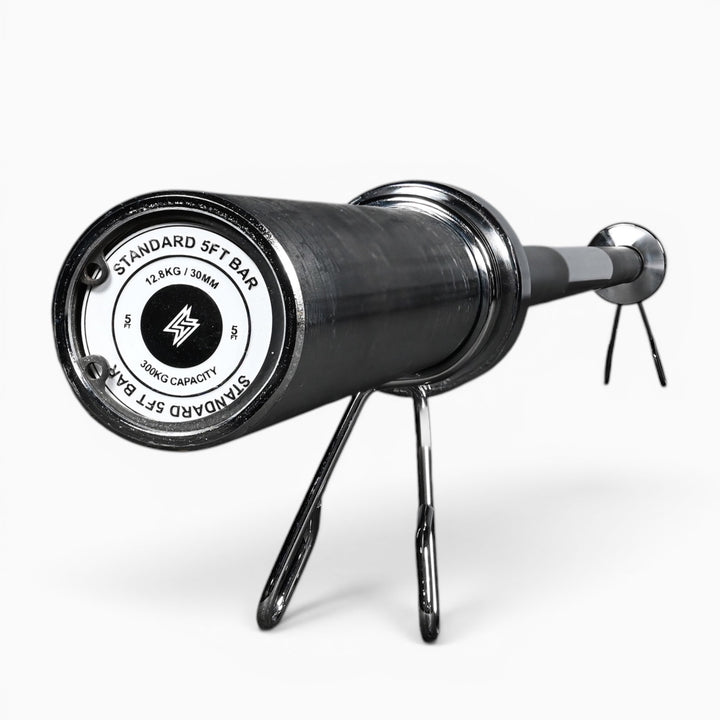
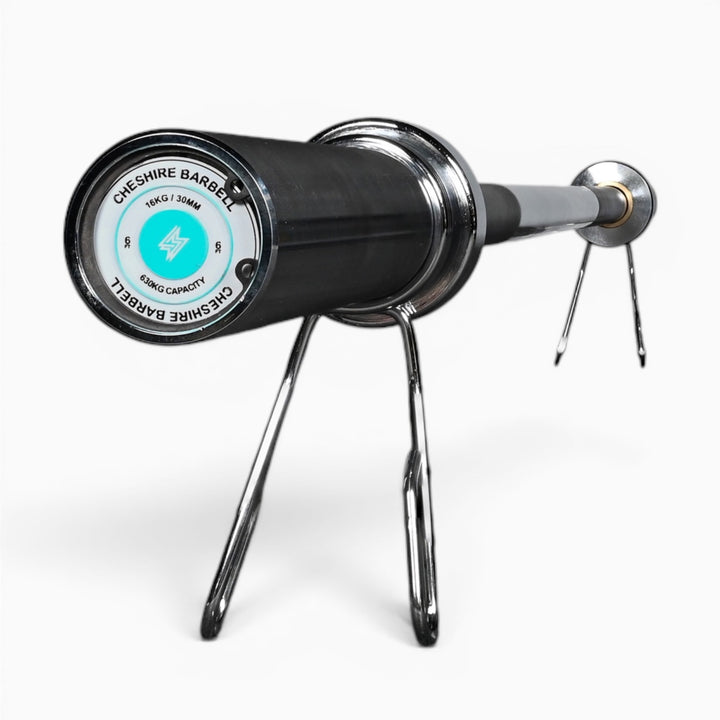
The GymSets Olympic 2" Barbell is designed as a versatile bar for different training styles, including Olympic lifting, powerlifting and accessory exercises. With length options including 4ft, 5ft, 6ft and 7ft, it can suit both compact home gyms and larger commercial strength areas.
Standard vs Olympic Barbell: Key Differences
| Feature | Standard Barbell | Olympic Barbell |
|---|---|---|
| Sleeve diameter | Usually 1 inch | 2 inches |
| Plate compatibility | Standard plates | Olympic plates and bumper plates |
| Best use | Light home training | Home, PT studio and commercial gym training |
| Weight capacity | Usually lower | Usually higher |
| Durability | Better for occasional use | Better for frequent, heavy use |
| Sleeve rotation | Usually fixed | Often rotating sleeves |
| Training style | Basic exercises | Strength, powerlifting, Olympic lifting and functional fitness |
| Long-term value | Limited upgrade path | Better long-term investment |
The biggest difference is compatibility. A standard barbell works with standard plates, while an Olympic barbell works with 2 inch Olympic plates. For most home gym owners, PT studios and commercial gyms, Olympic equipment offers far better long-term flexibility.
Is a Standard Barbell Good for Home Gyms?
A standard barbell can work well for a beginner home gym, especially if you only plan to lift light weights or already own standard plates.
A standard barbell may suit you if:
- You’re just starting strength training
- You have limited space
- You only need light weights
- You mainly train curls, rows and basic presses
- You want a budget-friendly setup
However, many lifters outgrow standard barbells quickly. Once you start squatting, deadlifting, bench pressing heavier weights or using a rack, an Olympic barbell becomes the better choice.
Is a Standard Barbell Suitable for Commercial Gyms?
For most commercial gyms, a standard barbell is not the best choice.
Commercial fitness spaces need equipment that can handle frequent use, different strength levels and a wide range of training styles. Standard barbells are generally better suited to occasional home use rather than high-traffic gym environments.
Commercial gyms, PT studios and strength facilities usually benefit more from Olympic barbells because they offer:
- Better durability
- Higher training capacity
- Greater member appeal
- Compatibility with Olympic plates
- More exercise options
- A more professional free-weight setup
If you’re fitting out a commercial gym, Olympic bars are usually the standard choice.
Why Olympic Barbells Are Better for Commercial Gyms
Commercial gyms need equipment that works for beginners, intermediate lifters and advanced athletes. An Olympic barbell gives members the flexibility to train safely and progressively.
1. Built for Heavy, Repeated Use
Olympic barbells are better suited to daily use in commercial environments. Whether members are deadlifting, bench pressing or squatting, Olympic bars are designed for more demanding training.
2. Better Plate Compatibility
Most serious gym setups use Olympic plates. Choosing Olympic barbells helps keep your equipment consistent across racks, benches, lifting platforms and plate-loaded machines.
3. More Professional Appearance
A free-weight area with Olympic barbells looks and feels more professional. This matters for commercial gyms, PT studios and boutique strength facilities where equipment quality reflects your brand.
4. Suitable for More Members
Olympic barbells support a wider range of users, from beginners learning the basics to experienced lifters training for strength, sport or performance.
5. Better Long-Term Investment
For commercial gyms, buying cheaper standard bars may cost more in the long run if they need replacing or if members outgrow them. Olympic barbells provide better long-term value.
Why Olympic Barbells Are Also Ideal for Home Gyms
Olympic barbells are not only for commercial gyms. They are also one of the best investments for home gym owners who want to train properly and progress over time.
For home gyms, Olympic barbells offer:
- Better strength progression
- Compatibility with bumper plates
- More exercise variety
- A more complete gym setup
- Less need to upgrade later
- Options for compact or full-size spaces
A full 7ft Olympic bar is ideal for rack work, squats, bench press and deadlifts. Shorter Olympic bars, such as 4ft, 5ft or 6ft options, can be useful for smaller rooms, accessory work or compact home gym layouts.
What Size Olympic Barbell Do You Need?
The right size depends on your training space and intended use.
4ft Olympic Barbell
Best for compact home gyms, accessory work, curls, rows and smaller training areas.
5ft Olympic Barbell
A good choice for limited spaces, PT studios and accessory stations where full-length bars are not required.
6ft Olympic Barbell
A versatile middle-ground option for home gyms, small studios and functional training areas.
7ft Olympic Barbell
The classic choice for serious strength training, commercial gyms, squat racks, bench press stations, deadlifts and powerlifting-style training.
For commercial gyms, 7ft Olympic bars are usually the best choice for main lifting stations, while shorter bars can be useful for accessory areas or smaller training zones.
Best Barbell for Different Gym Setups
Best Barbell for a Beginner Home Gym
An Olympic barbell is still the better long-term option if you plan to progress. A standard barbell can work for light beginner training, but an Olympic bar will last longer as your strength improves.
Best Barbell for a Garage Gym
A 7ft Olympic barbell is ideal if you have space for a rack and bench. If space is limited, a 5ft or 6ft Olympic bar can be a practical alternative.
Best Barbell for a PT Studio
Olympic barbells are best for PT studios because they suit a wide range of clients and exercises. Shorter Olympic bars can also help maximise floor space.
Best Barbell for a Commercial Gym
A 7ft Olympic barbell is the best choice for most commercial strength areas. It provides the durability, compatibility and professional feel members expect.
Best Barbell for Functional Fitness
Olympic barbells are ideal for functional training, strength circuits, Olympic lifting movements and conditioning workouts.
Standard vs Olympic Barbell: Which Should You Buy?
Choose a standard barbell if:
- You only train at home
- You lift light weights
- You already own standard plates
- You want a basic starter setup
- You do not plan to lift heavy
Choose an Olympic barbell if:
- You want better long-term value
- You are building a home gym
- You run a PT studio
- You are fitting out a commercial gym
- You need equipment for multiple users
- You want to squat, deadlift and bench press properly
- You want compatibility with Olympic plates
- You want a more professional strength setup
For most users, especially anyone building a serious home or commercial gym, an Olympic barbell is the better choice.
Final Verdict: Standard or Olympic Barbell?
When comparing a standard vs Olympic barbell, the best choice depends on how the equipment will be used.
A standard barbell can be suitable for light home training and basic beginner workouts. But for long-term progress, heavier lifting, commercial durability and a more complete strength setup, an Olympic barbell is the clear winner.
For home gyms, an Olympic bar gives you room to grow.
For PT studios, it offers versatility across client programmes.
For commercial gyms, it delivers the durability and performance members expect.
If you’re building or upgrading your strength space, choose a barbell that can keep up with your training.
Explore GymSets UK Olympic barbells and build a stronger setup for your home gym, PT studio or commercial facility.