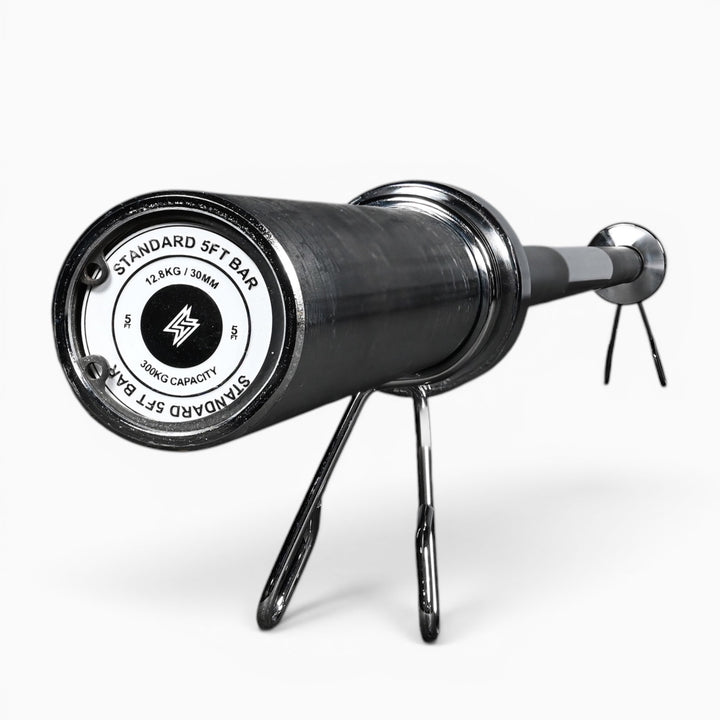
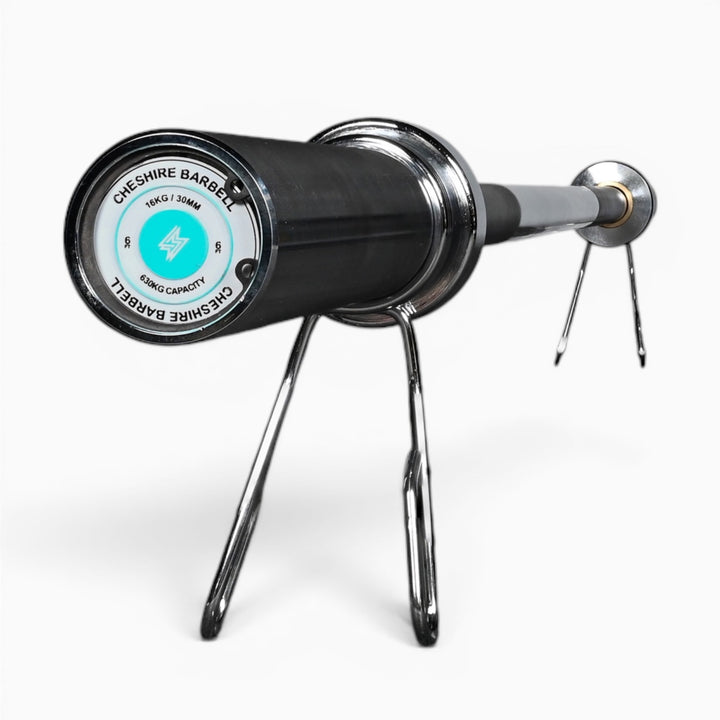
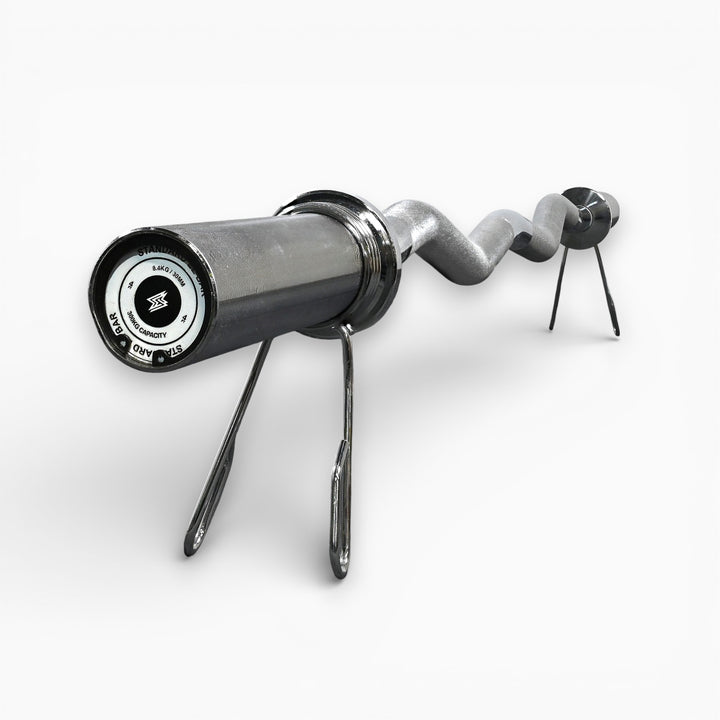
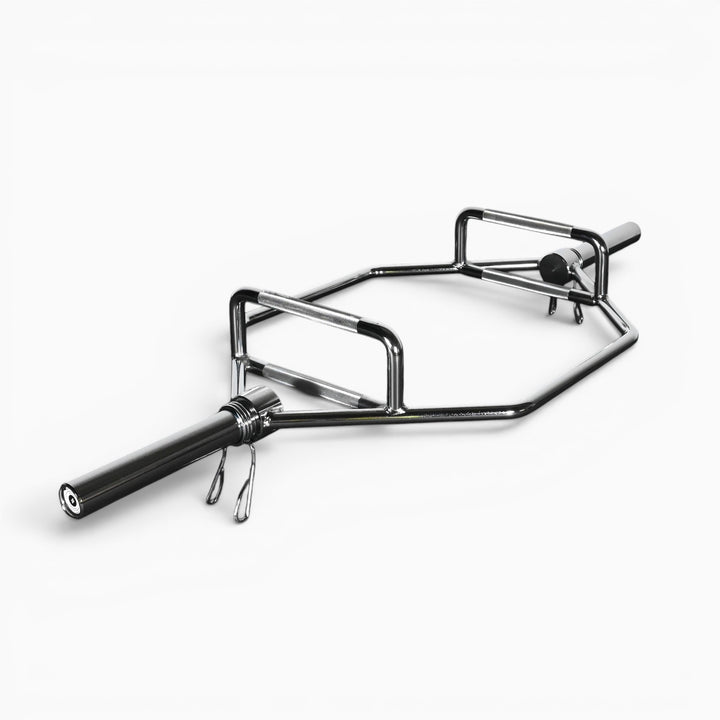
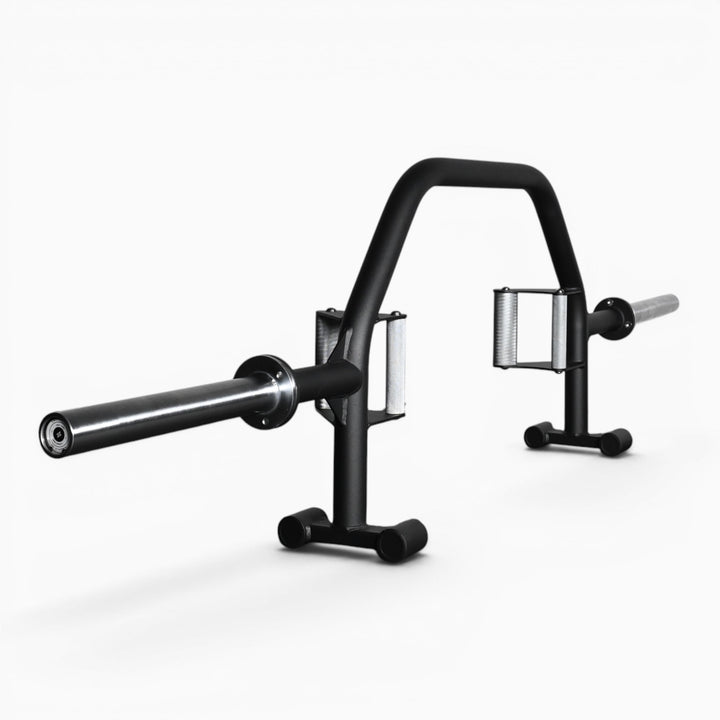



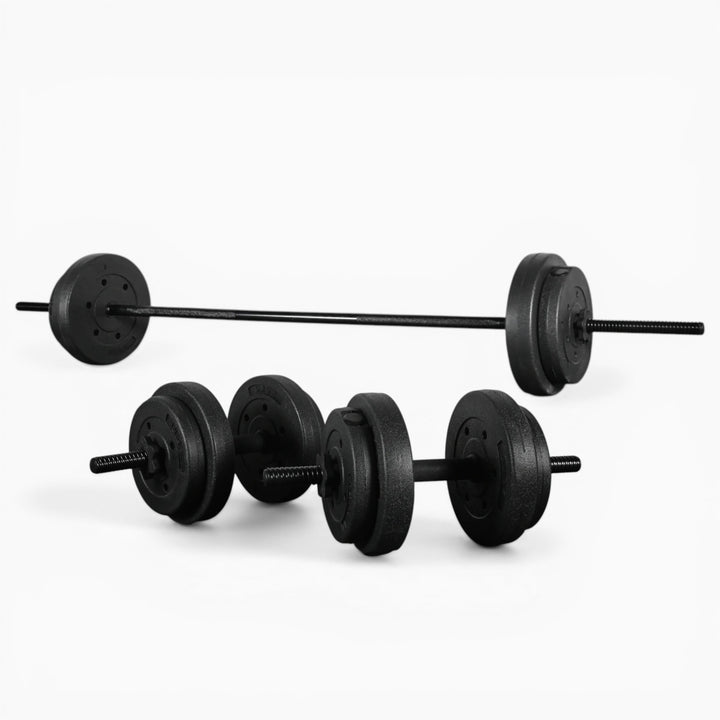


Walk into any commercial gym, fitness studio or home garage setup, and you will see a familiar sight. Amidst all the high-tech cable setups, flashing digital displays on treadmills and complex selectorised machines, one tool remains the undisputed king of the weight room. It is a simple, heavy metallic rod. The Olympic barbell.
For decades, sports scientists, powerlifters, bodybuilders and casual gym-goers have reached for the barbell to transform their physical capabilities. But if you are staring at that empty bar wondering how to maximise your time in the gym, you are likely asking the golden question: what are the best barbell exercises?
The honest truth is that you do not need fifty different movements to build a powerful, lean and resilient physique. You need a core selection of highly efficient, multi-joint movements that give you the biggest return on your physical investment. These are called compound exercises, and they target multiple muscle groups at the same time.
In this comprehensive guide, we will break down the top barbell movements you should be prioritizing, look at the physiological science behind why they work so well, and provide you with actionable training frameworks to help you rank up your strength.
Why the Barbell Remains the King of Free Weights
Before we unpack the actual movements, it is vital to understand why the barbell outperforms almost every machine in the gym when it comes to raw strength development and muscular hypertrophy (building muscle size).
When you use a fixed machine, the track or path of the weight is completely determined for you. The machine balances the load, meaning your smaller stabiliser muscles can effectively go to sleep.
The barbell demands total control. It forces your core, hips, shoulders and ankles to work in perfect harmony to balance a heavy object moving through free space. This builds what trainers call functional strength—the kind of physical capability that carries over into carrying heavy groceries, shifting furniture or sprinting for a train.
Furthermore, barbells allow for progressive overload in a way that dumbbells and kettlebells cannot always match. Progressive overload is the gradual increase of stress placed upon the body during exercise training. With a barbell, you can add tiny micro-plates to the sleeves, increasing the total load by as little as one kilogramme at a time. This consistent, measurable progression is the primary fuel for long-term body composition changes.
The Top Five Barbell Exercises Explained
If you want to design a minimalist yet incredibly effective workout routine, these five movements should form the absolute bedrock of your programming. They cover every major human movement pattern: squatting, hinging, pushing and pulling.
1. The Barbell Back Squat
Commonly referred to as the king of all leg exercises, the back squat is a total-body movement disguised as a lower-body one. While your quadriceps, glutes and hamstrings are doing the heavy lifting to push you out of the bottom of the squat, your entire upper back, core and erector spinae (the muscles running along your spine) are working statically to keep you from folding in half under the weight of the bar.
To perform this safely and effectively, you want to rest the barbell across your upper trapezius muscles, not on your neck. Keep your chest proud, take a deep breath into your stomach to create intra-abdominal pressure, and break at your hips and knees simultaneously. Sit down as if you are lowering yourself into a low chair, ensuring your knees track inline with your toes. Drive the floor away to return to a standing position.
2. The Barbell Deadlift
If the squat is the king of pushing the earth away, the deadlift is the master of pulling things off it. The deadlift is a hip hinge movement, meaning the primary action occurs at your hips rather than your knees. This shifts the focus of the exercise to your posterior chain—the massive network of muscles on the backside of your body, including your glutes, hamstrings, lats and lower back.
The beauty of the deadlift is its simplicity, but that simplicity requires strict respect for form. The bar starts completely stationary on the floor. You step up so the bar splits your feet in half, bend at the waist to grip the steel, drop your hips slightly until your shins touch the bar, flatten your back, and pull. You are not using your arms to lift the weight; you are driving through your heels and pushing your hips forward until you are standing completely tall.
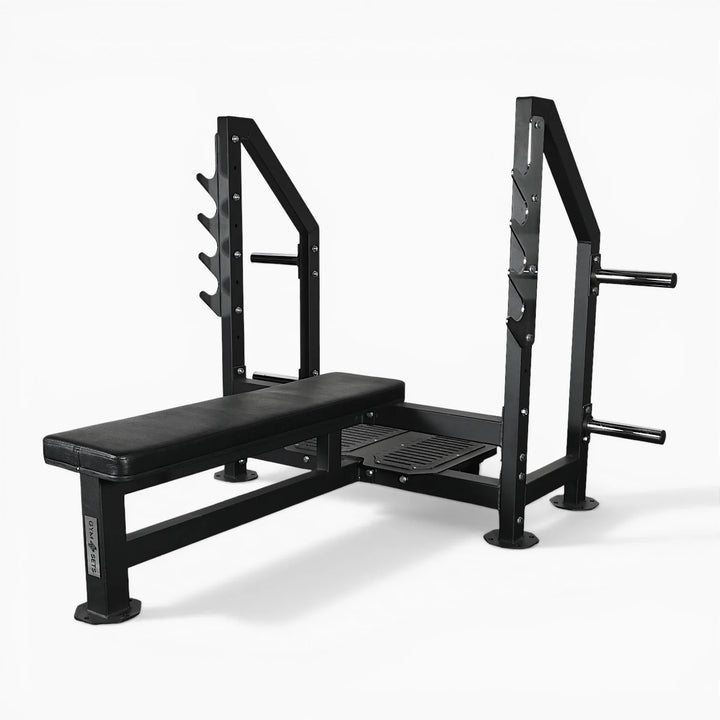
3. The Barbell Bench Press
When people want to know how strong your upper body is, this is usually the movement they ask about. The bench press is the ultimate horizontal pushing exercise, targetting your pectorals (chest), anterior deltoids (front of the shoulders) and triceps.
To get the most out of your bench press and protect your rotator cuff muscles, you must focus on your setup. Do not just lie flat on the bench like a wet noodle. Dig your shoulder blades back and down into the pad, create a slight arch in your lower back, and plant your feet firmly into the floor to establish a solid base of support. Lower the bar under strict control to your mid-chest, pause for a split second, and press the bar upward and slightly backward toward your face.
4. The Barbell Overhead Press
Also known as the strict press or military press, this is the purest test of upper body power available. Unlike the bench press, where the bench supports your spine, the overhead press requires you to stand on your own two feet while moving a heavy load directly over your skull.
This means your core, glutes and quadriceps have to lock out completely to create a rigid pillar of support. The primary movers here are your medial and anterior deltoids, upper chest and triceps. Grip the bar just outside shoulder width, squeeze your glutes tightly to protect your lower back, pull your chin back out of the way, and drive the bar straight up to arm's length.
5. The Barbell Bent-Over Row
An incredible physique cannot be built on pushing movements alone. For every pressing repetition you do, you need an equal amount of pulling to maintain structural balance around your shoulder joints. The bent-over row is an exceptional tool for building a wide, thick upper back, targetting the latissimus dorsi, rhomboids, rear deltoids and traps.
To execute the row, you must hold a static hip hinge position throughout the set. Soften your knees, hinge forward at the hips until your torso is roughly at a forty-five-degree angle to the floor, and let the bar hang at arm's length. Pull your elbows up and back, driving them toward the ceiling, and squeeze your shoulder blades together at the top of the movement before lowering the weight with control.
Secondary Barbell Movements Worth Your Time
While the big five movements should receive the vast majority of your energy and heavy loading, there are several highly effective variations that can help patch up specific weak spots or provide targeted hypertrophy.
The Barbell Hip Thrust
If your primary goal is to build powerful, athletic glutes, the hip thrust actually outperforms the traditional squat. By placing the barbell directly across your hips while your upper back rests on a bench, you subject the glutes to maximum tension at their fully shortened position (the top of the movement). This is a fantastic accessory exercise for athletes looking to improve their sprinting speed or powerlifters looking to improve their deadlift lockout power.
The Romanian Deadlift (RDL)
Unlike the conventional deadlift which starts from the floor, the Romanian deadlift begins from a standing position. You lower the bar slowly by pushing your hips as far back as possible, keeping your shins completely vertical. You stop lowering once you feel a profound stretch in your hamstrings, then contract those same muscles to pull yourself back up. This eccentric (lowering) control makes the RDL one of the finest movements for hamstring growth and injury prevention.
The Front Squat
By shifting the barbell from your back to the front of your shoulders, you dramatically alter the mechanics of the squat. The front squat forces your torso to stay incredibly upright, which shifts a massive amount of the mechanical tension away from your hips and directly onto your quadriceps. It also places a profound demand on your thoracic extension (your upper back's ability to stay upright under load).
How to Structure Your Training Sessions
Knowing what the best barbell exercises are is only half the battle; the real magic happens when you organize them into an intelligent, repeatable training framework. Below are two popular methods for integrating these movements into a weekly routine.
The Full-Body Training Split
This approach is highly favored by beginners and busy individuals because it trains every major muscle group in a single session, maximizing efficiency.
-
Monday: Barbell Back Squats, Barbell Bench Press, Barbell Bent-Over Rows.
-
Wednesday: Barbell Deadlifts, Barbell Overhead Press, Romanian Deadlifts.
-
Friday: Front Squats, Close-Grip Barbell Bench Press, Barbell Hip Thrusts.
The Push-Pull-Legs Training Split
This is a more advanced routine that groups exercises by their functional movement patterns, allowing for higher training volume per muscle group.
-
Day One (Push): Barbell Bench Press, Barbell Overhead Press, Incline Barbell Press.
-
Day Two (Pull): Barbell Conventional Deadlifts, Barbell Bent-Over Rows, Barbell Biceps Curls.
-
Day Three (Legs): Barbell Back Squats, Barbell Hip Thrusts, Romanian Deadlifts.
Common Faults and How to Fix Them
Lifting heavy weights on a barbell carries an inherent risk if form is neglected. To ensure you stay injury-free and consistent with your training, avoid these common mistakes.
Mistake One: Sacrificing Range of Motion for Weight
This is often called "ego lifting." You see it frequently on the squat rack—someone loads up several heavy plates but only lowers themselves a few inches before standing back up. Partial reps produce partial results. It is far better to lower the weight on the bar, focus on getting your thighs parallel to the floor, and subject the target muscles to a full, deep stretch.
Mistake Two: Allowing the Lower Back to Round
Whether you are deadlifting, rowing or performing Romanian deadlifts, a curved spine under heavy load is an invitation for injury. Your spine should remain in a neutral, straight line from your skull down to your sacrum. If you find your back rounding like an angry cat, it is usually a sign that the weight is too heavy, or that you lack the hip mobility required to get into the correct starting position.
Mistake Three: Forgetting About Core Bracing
Your core is not just your abdominal muscles; it is a muscular corset that wraps entirely around your midsection. Before every heavy lift, you should take a deep breath into your belly, push your stomach outward against your waistband, and tighten your core as if someone is about to punch you in the stomach. This creates a pressurized capsule that stabilizes your spine from the inside out.
Essential Equipment to Support Your Barbell Training
While all you truly need to get started is a bar and some weights, investing in a few key pieces of supportive gear can dramatically improve your performance and comfort during heavy training sessions.
Weightlifting Shoes
If you are currently squatting in soft, cushioned running shoes, you are actively leaking power. Running shoes are designed to absorb impact, which is the exact opposite of what you want when trying to drive force into the floor. A dedicated weightlifting shoe features a completely flat, hard rubber or wooden sole that ensures maximum power transfer, alongside a raised heel that helps individuals with tight ankles squat deeper.
A Quality Lifting Belt
A lifting belt does not magically fix bad form, nor does it structural weaken your core. Instead, it provides a hard, unyielding wall for your abdominal muscles to push against when you brace. This significantly increases your intra-abdominal pressure, allowing you to lift heavier loads with a much lower risk of spinal deviation.
Frequently Asked Questions
Can I build a complete physique using only barbell exercises?
Yes, you absolutely can. Because the barbell allows you to train every major movement pattern with heavy, progressive loads, you can build an elite level of muscular mass and overall strength without ever touching another piece of gym equipment. However, adding in some dumbbell or cable work can be helpful for isolating smaller muscle groups like the side deltoids or biceps.
How often should I train with a barbell each week?
For the majority of natural lifters, training three to four times per week strikes the perfect balance between stimulating muscular growth and allowing your nervous system to fully recover. Remember, you do not grow muscle while you are actively working out in the gym; you grow muscle when you are resting, sleeping and consuming adequate protein at home.
Are barbell exercises safe for older adults?
Far from being dangerous, barbell training is one of the most effective interventions available for combating age-related muscle loss and declining bone mineral density. Under proper supervision and with a focus on sensible progression, older adults can benefit immensely from modified barbell exercises like elevated deadlifts and box squats.
Final Thoughts on Maximising Your Barbell Training
At the end of the day, the answer to what are the best barbell exercises always comes down to the foundational compound movements that have stood the test of time. The squat, the deadlift, the bench press, the overhead press and the row are the five pillars of physical transformation.
They are not always flashy, they require a high degree of mental focus, and they demand hard physical effort. But if you commit to mastering the mechanics of these lifts, track your progress meticulously, and eat to support your recovery, the physical changes you achieve will far outlast any passing fitness trend. Step up to the platform, set your grip, and start shifting some steel.


