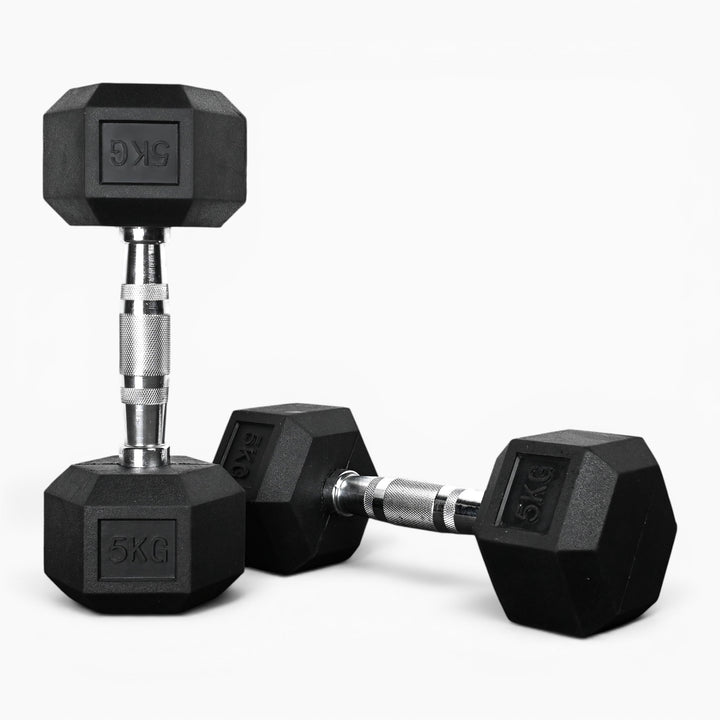
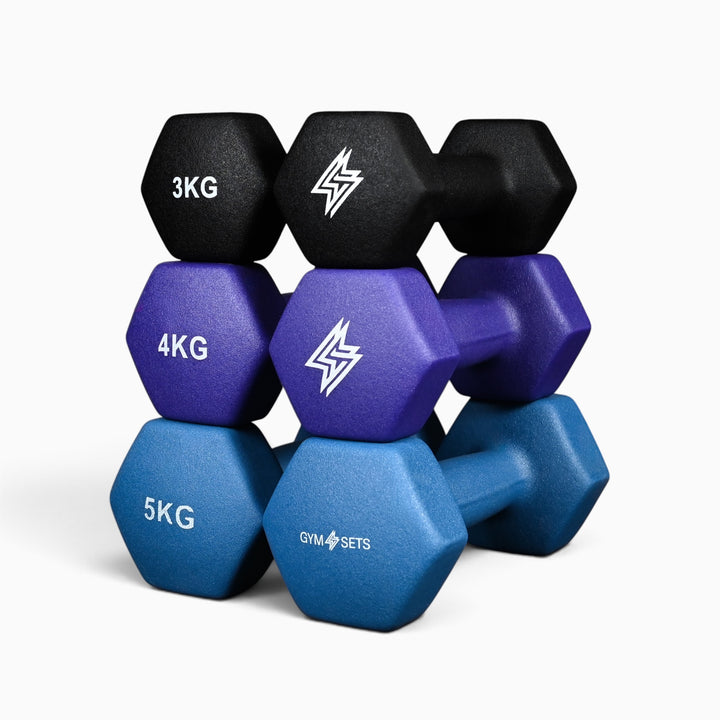
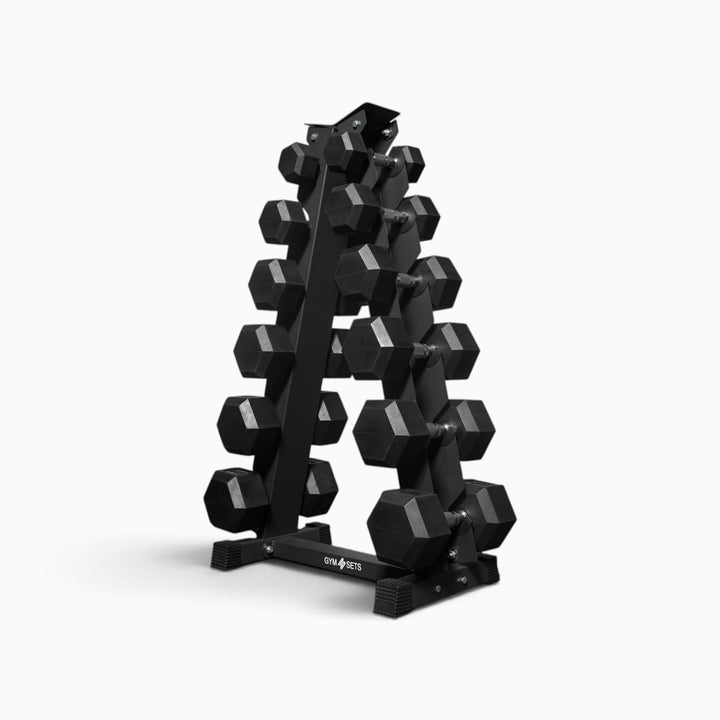



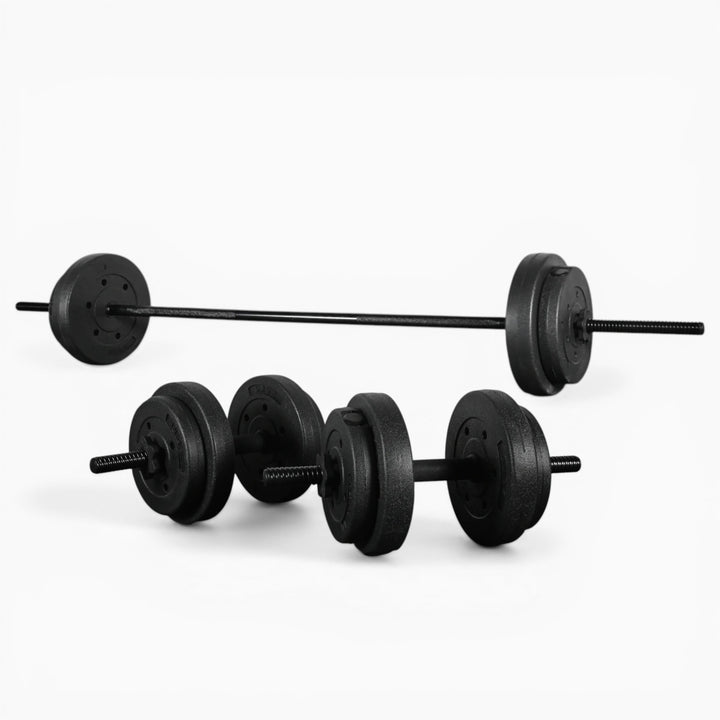


If you could only choose one piece of fitness equipment to build a strong, lean, and functional body from the comfort of your own home, it should be a pair of dumbbells.
While massive commercial gym machines look impressive, they lock your body into fixed, rigid pathways. Dumbbells do the exact opposite. They force your muscles to stabilise the weight through a natural range of motion, correcting strength imbalances between your left and right sides while rapidly building real-world strength.
But walking into your workout space and staring at a pair of iron weights can feel overwhelming. With hundreds of possible movements, it raises a critical question for your fitness journey: what are the best dumbbell exercises?
To get the absolute most out of your home workouts without wasting hours on inefficient movements, you need to focus on compound exercises. These are multi-joint movements that recruit several large muscle groups at the same time, giving you the biggest metabolic and muscle-building return on your time investment.
This comprehensive guide breaks down the absolute best dumbbell movements based on biomechanics, human movement patterns, and sports science. We will explore how to perform each exercise safely, why they deserve a permanent spot in your routine, and how to structure them into an elite weekly workout plan.
Why Dumbbells Are Superior For Total Body Training
Before diving into the movements, it is vital to understand why free weights, specifically dumbbells, are so incredibly effective for your body.
When you use a barbell, your stronger side can easily overcompensate for your weaker side. If your right shoulder is stronger than your left, it will silently take over a substantial portion of the load during a barbell overhead press. Over time, this creates asymmetrical muscle growth and uneven joint wear.
Dumbbells eliminate this issue completely. Because each arm or leg must move its own independent load, your body cannot cheat. This uncovers hidden weaknesses and builds symmetrical, balanced physical power. Furthermore, dumbbells demand massive activation from your smaller stabiliser muscles, particularly around the shoulder and hip joints, which significantly lowers your risk of everyday injuries.
The Best Lower Body Dumbbell Exercises
Your legs and glutes contain the largest, most metabolically active muscle groups in your entire body. Training them with weights burns an immense amount of calories, spikes your natural growth hormone production, and builds a robust physical foundation.
1. The Goblet Squat
The goblet squat is widely considered by strength coaches to be the gold standard for lower body dumbbell training. It targets your quadriceps (front of thighs), glutes (buttocks), hamstrings (back of thighs), and your entire core.
-
Hold a single dumbbell vertically against your chest, cupping the top weight plate with both hands like a large goblet.
-
Position your feet slightly wider than shoulder-width apart, pointing your toes outwards at roughly fifteen degrees.
-
Inhale deeply, brace your stomach muscles as if someone is about to punch you, and initiate the movement by pushing your hips back.
-
Lower your body under strict control until your thighs are at least parallel to the floor, ensuring your knees drive outwards in line with your toes rather than collapsing inwards.
-
Push hard through your heels to return to the starting position, exhaling as you reach the top.
By keeping the weight loaded on the front of your chest, the goblet squat forces your torso to stay upright. This drastically reduces the shearing stress placed on your lower back compared to a traditional back squat, making it an incredibly safe option for home lifters.
2. The Dumbbell Romanian Deadlift (RDL)
While the squat dominates the front of your legs, the Romanian Deadlift is the undisputed king for the posterior chain, which includes your hamstrings, glutes, and lower back.
-
Stand upright holding a dumbbell in each hand in front of your thighs, keeping your feet hip-width apart.
-
Soften your knees slightly, but keep them completely static throughout the movement; this is a hinge, not a squat.
-
Push your hips straight back towards the wall behind you, allowing the dumbbells to slide down the front of your legs.
-
Keep your spine perfectly flat and your shoulders pulled back; stop lowering the weights the exact moment your hips stop moving backwards.
-
Drive your hips forward forcefully and squeeze your glutes at the top of the movement to return to a standing position.
Most modern lifestyles involve hours of sitting at a desk, which causes the glutes to switch off and the hamstrings to become weak and lengthened. The RDL directly counteracts this, building exceptional posture and protective lower back strength.
3. The Bulgarian Split Squat
If you want to challenge your balance, torch your quadriceps, and rapidly develop single-leg power, the Bulgarian split squat is unmatched. It isolates each leg individually, forcing your hip stabilisers to work overtime.
-
Stand roughly two feet in front of a sturdy bench, chair, or sofa, holding a dumbbell in each hand.
-
Reach one foot back and rest the top of your foot flat on the elevated surface behind you.
-
Keep your torso upright and lower your back knee down towards the floor under strict control.
-
Descend until your front thigh is parallel to the ground, ensuring your front knee stays tracked directly over your foot.
-
Drive through the heel of your front foot to return to the starting position, completing all repetitions before switching legs.
The Best Upper Body Pushing Exercises
Upper body pushing movements primarily focus on your chest, anterior deltoids (front of the shoulders), and triceps (back of the arms). Using dumbbells here allows your hands to rotate naturally, which is far kinder to your joints than using a rigid barbell.
4. The Dumbbell Floor Press or Flat Bench Press
If you have access to a fitness bench, use it. If not, the floor press is an exceptional variation that builds massive chest and tricep strength while naturally protecting your shoulders from over-rotation.
-
Lie flat on your back on a bench or the floor, holding a dumbbell in each hand directly over your chest with straight arms.
-
If on the floor, bend your knees and place your feet flat on the ground to stabilise your lower back.
-
Lower the weights slowly by bending your elbows, angling them at roughly forty-five degrees relative to your torso.
-
Avoid flaring your elbows straight out to the sides, as this places immense, unnecessary pressure on your rotator cuff tendons.
-
Touch your elbows lightly to the floor (or lower the weights to chest level if using a bench), then press the dumbbells back up to the starting position.
5. The Seated or Standing Shoulder Press
This movement isolates the shoulders while demanding structural stability from your upper back and core muscles.
-
Hold a pair of dumbbells at shoulder height with an overhand grip, keeping your elbows tucked slightly forward.
-
If standing, squeeze your glutes and tighten your core to prevent your lower back from arching excessively.
-
Press the dumbbells straight up into the air over your head, extending your arms fully without locking out your elbows completely.
-
Lower the weights back down under complete control until they touch the tops of your shoulders.
The Best Upper Body Pulling Exercises
To build a balanced upper body and prevent the rounded-shoulder posture that comes from looking at phones and computers all day, you must balance your pushing with plenty of pulling movements. These target your latissimus dorsi (large back muscles), rhomboids (upper back), rear deltoids, and biceps.
6. The Three-Point Dumbbell Row
Using a bench or a stable household object for support allows you to isolate the large muscles of your back with heavy weights without overloading your lumbar spine.
-
Place your left knee and your left hand flat on a bench, creating a stable, tabletop position with your torso parallel to the ground.
-
Keep your right foot planted firmly on the floor for lateral stability, holding a dumbbell in your right hand with a straight arm.
-
Pull the dumbbell up towards your hip, focusing on driving your elbow up into the ceiling rather than simply lifting the weight with your arm.
-
Squeeze your shoulder blade tightly at the top of the movement, then lower the dumbbell smoothly until your arm is fully extended.
7. The Dumbbell Chest-Supported Row
If you find that your lower back fatigues quickly during standing rows, the chest-supported row on an inclined bench is the perfect solution. By resting your body weight against the bench, you eliminate momentum and isolate the upper back completely.
-
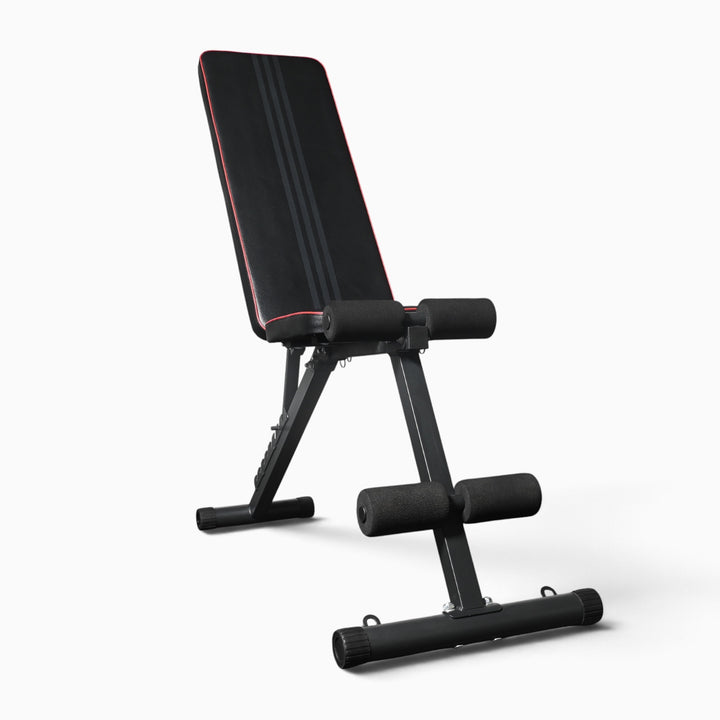
Set an adjustable fitness bench to a thirty-degree incline.
-
Lie face down on the bench with your chest resting securely against the pad, holding a dumbbell in each hand with your arms hanging straight down.
-
Row the weights up towards your lower ribs, pulling your elbows back and pulling your shoulder blades together.
-
Slowly lower the weights back down to the starting position, allowing your back muscles to stretch fully at the bottom.
Key Technical Factors for Dumbbell Success
To truly answer the question, what are the best dumbbell exercises?, you must also look at how you execute them. Lifting weights effectively requires strict adherence to three core principles:
-
The Mind-Muscle Connection: Avoid simply swinging a dumbbell from point A to point B. Focus intently on the specific muscle group that is supposed to be working. Control the lowering phase of every single repetition, taking two to three seconds to descend.
-
Progressive Overload: Your muscles will only grow and adapt if they are forced to do more work over time. You must regularly track your workouts. Try to add one extra repetition to your sets, or slightly increase the weight of your dumbbells every single week.
-
Full Range of Motion: Moving a heavy dumbbell through half of the distance does not provide a fraction of the benefit. Use a weight that allows you to stretch the muscle fully at the bottom and contract it fully at the peak of the movement.
How to Structure Your Dumbbell Workouts
Knowing the exercises is only half the battle; you need to organise them into a cohesive routine. The structure below represents a highly effective, full-body workout routine that you can perform three times per week with a single rest day between sessions.
Full-Body Workout Session Structure
-
Goblet Squat: Perform 3 sets of 8 to 12 repetitions. Rest for 90 seconds between sets.
-
Three-Point Dumbbell Row: Perform 3 sets of 10 repetitions per side. Rest for 60 seconds between sets.
-
Dumbbell Floor Press: Perform 3 sets of 8 to 12 repetitions. Rest for 90 seconds between sets.
-
Dumbbell Romanian Deadlift: Perform 3 sets of 10 to 12 repetitions. Rest for 90 seconds between sets.
-
Seated Shoulder Press: Perform 3 sets of 12 repetitions. Rest for 60 seconds between sets.
Frequently Asked Questions About Dumbbell Training
Can you build significant muscle using only dumbbells?
Yes, absolutely. Your skeletal muscle tissue cannot see the difference between a ten-thousand-pound commercial gym machine and a simple pair of home dumbbells. Your muscles only react to mechanical tension, metabolic stress, and muscle damage. As long as you lift heavy enough weights to challenge your body near structural failure, you can build a truly world-class physique at home.
How heavy should my dumbbells be?
The ideal weight depends entirely on your current strength levels and the specific exercise you are performing. Your legs are inherently much stronger than your shoulders. As a general rule of thumb, choose a weight that makes the last two repetitions of any given set feel highly challenging, while still allowing you to maintain perfect, safe technical form.
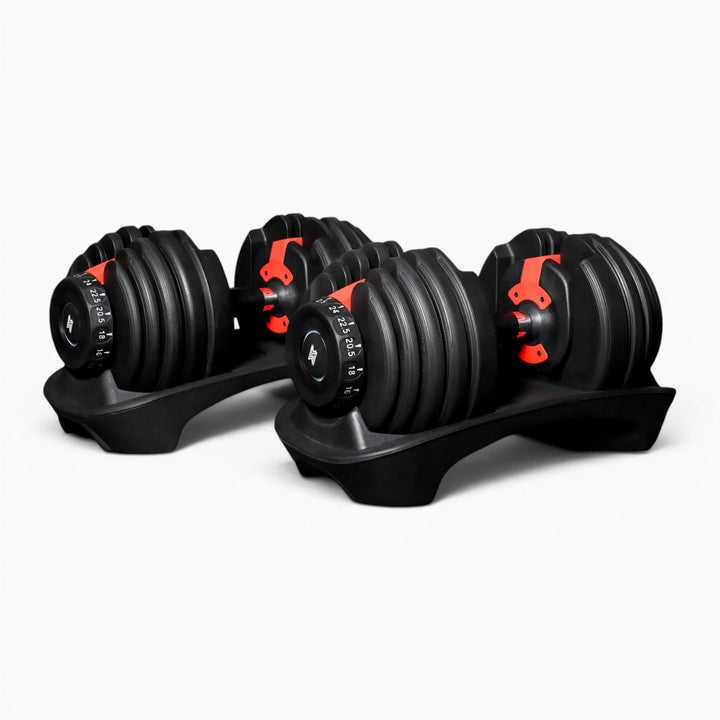
Should I buy adjustable dumbbells or a fixed set?
For home workouts, adjustable dumbbells are vastly superior. They save an immense amount of floor space and allow you to quickly alter the resistance to match the requirements of different exercises. A goblet squat might require twenty-five kilograms of resistance, whereas a shoulder press might only require ten kilograms. Adjustable models let you make those changes seamlessly.
Final Thoughts on Maximising Your Results
Consistency will always beat intensity. You do not need to train for two hours a day until you collapse from exhaustion. Instead, focus on performing the fundamental movements outlined in this guide with extreme precision, three times every week.
Combine this structured physical training with a protein-rich diet and high-quality sleep, and you will unlock the full potential of your home workout routine. Pick up your weights, focus on your form, and start building a stronger body today.