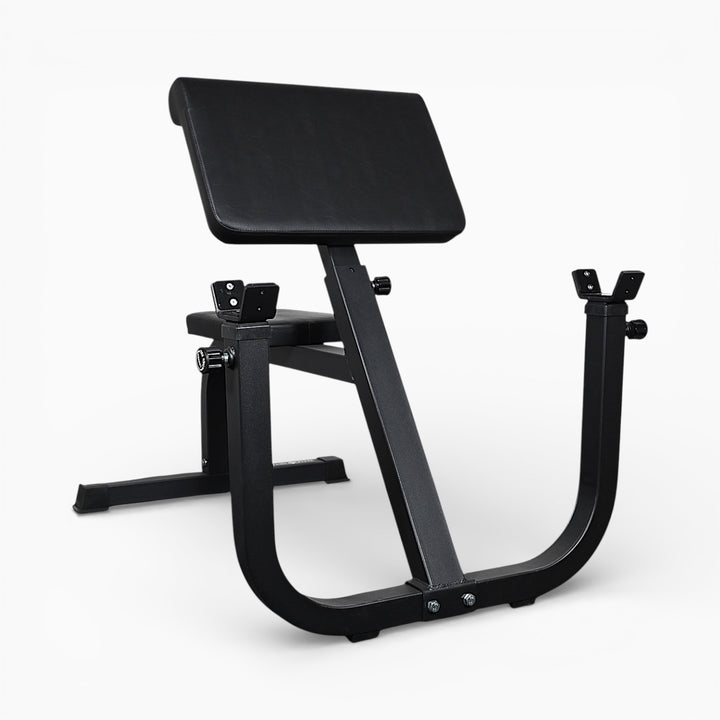
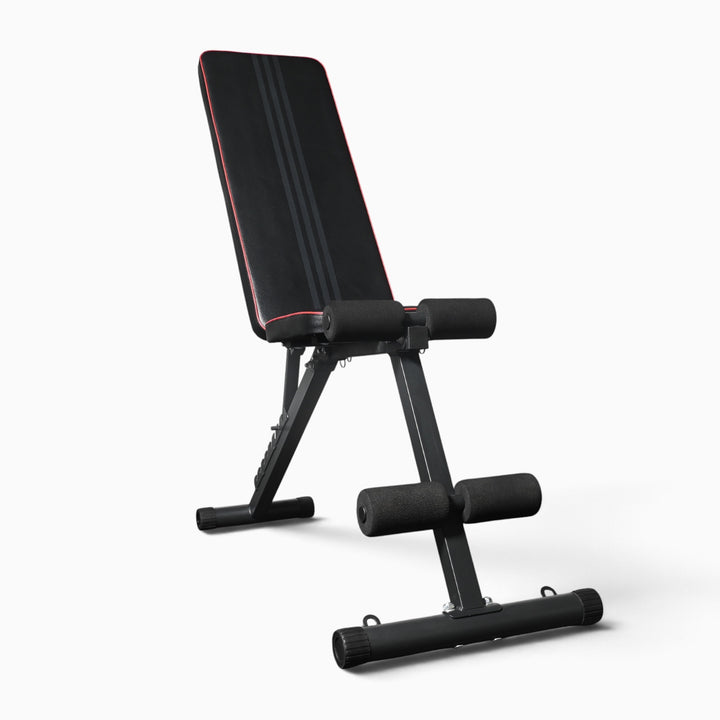
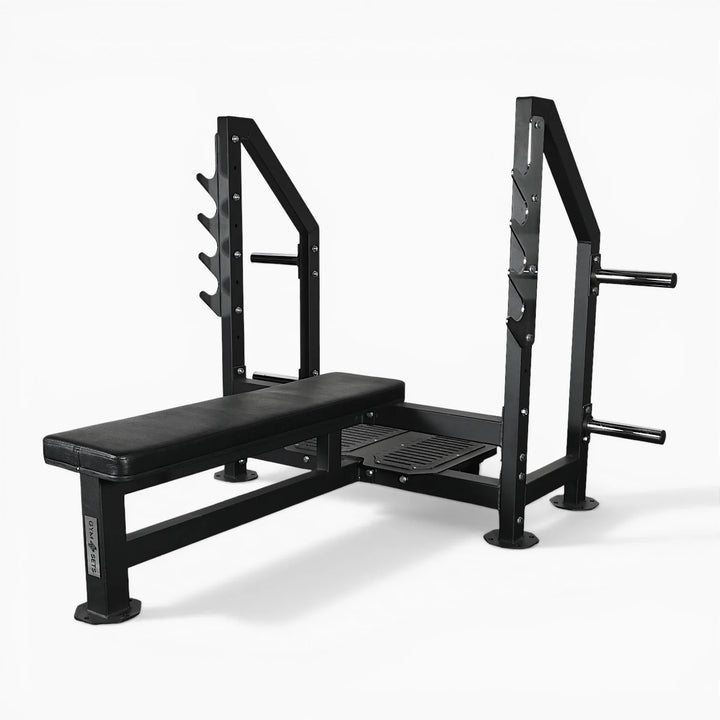
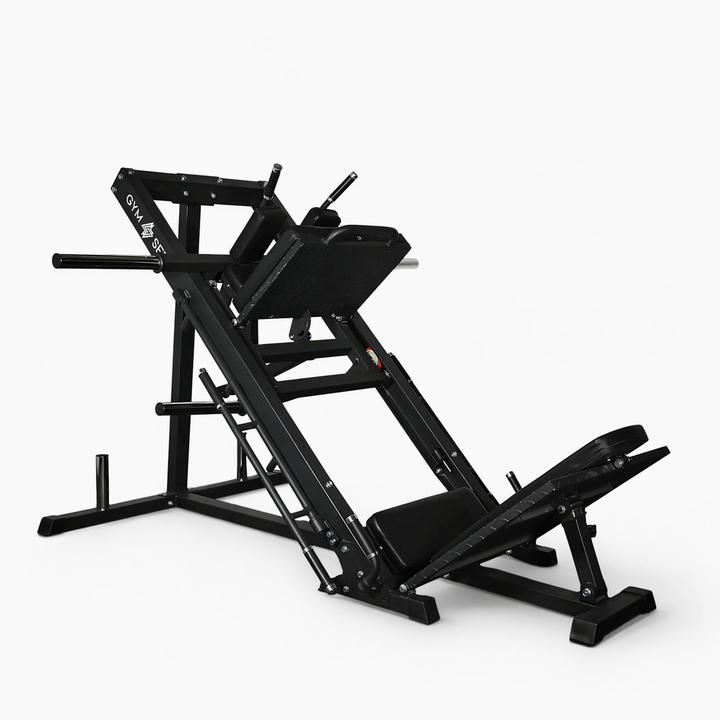





Let’s be real: almost everyone who walks into a gym for the first time has a similar goal. They want to build muscle and, specifically, they want to know how to get bigger arms. There is a certain pride that comes with filling out a shirt sleeve, but beyond the aesthetics, developing upper body strength is functional, empowering, and a hallmark of a dedicated fitness routine.
However, if you’ve been curling dumbbells for weeks without seeing a centimetre of growth, you aren’t alone. Building a physique isn’t just about "lifting heavy things"; it’s a delicate balance of biological science, consistent habit-forming, and strategic recovery.
In this comprehensive guide, we are going to break down the mechanics of hypertrophy (muscle growth), the specific anatomy of the arms, and the lifestyle changes required to turn those sticks into logs.
1. The Science of Hypertrophy: How Muscle Grows
Before we pick up a weight, we need to understand what we are trying to achieve. Muscle growth, or hypertrophy, occurs when the fibres of your muscles sustain micro-tears during exercise. When your body repairs these tears, it adapts by making the fibres thicker and stronger to handle future stress.
To trigger this, you need three things:
Mechanical Tension: Lifting weights that are heavy enough to challenge the muscle.
Metabolic Stress: That "burn" you feel when doing higher repetitions.
Muscle Damage: The actual breakdown of tissue (which requires rest to heal).
Pro Tip: You cannot build muscle in a deficit forever. If you want to get bigger, you generally need to be in a slight caloric surplus—eating more energy than you burn.
2. Anatomy of the Arms: It’s Not Just About Biceps
If you want to get bigger arms, you have to stop obsessing solely over the biceps. While the "gun pose" highlights the bicep, it is actually the smaller part of your arm.
The Triceps (The Real Size-Makers)
The triceps brachii make up roughly two-thirds of your upper arm mass. If you want girth, you must prioritise the triceps. They consist of three heads: the long, lateral, and medial heads.
The Biceps
The bicep brachii has two heads (short and long). To get that "peak," you need to target both through different angles and grips.
The Brachialis and Forearms
The brachialis sits underneath the bicep. When developed, it pushes the bicep up, making the arm look thicker from the side. Don't forget the forearms; thin wrists and forearms with massive upper arms look unbalanced.
3. The Best Exercises to Build Muscle
To build muscle effectively, your routine should be a mix of compound lifts (multiple joints) and isolation lifts (single joint).
Compound Lifts for Overall Mass
You won't get huge arms by doing curls alone. Big movements trigger a larger hormonal response and allow you to move heavier loads.
Weighted Chin-ups: Fantastic for bicep recruitment.
Close-Grip Bench Press: The king of tricep builders.
Dips: Hits the chest and the triceps intensely.
Rows: Essential for the "pulling" muscles that support arm growth.
Isolation Exercises for the "Pump"
Once the heavy work is done, use isolation moves to fatigue the specific muscles:
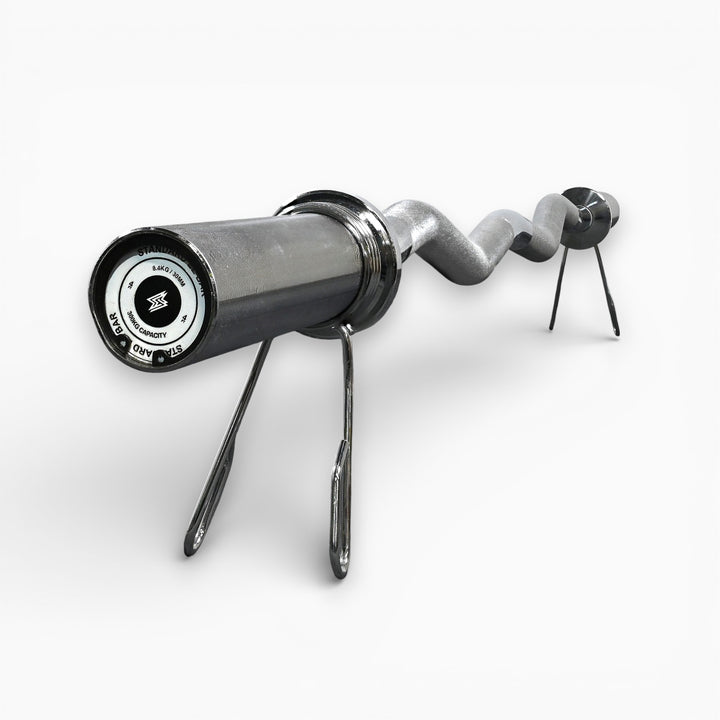
Barbell Curls: Great for overloading the biceps.
Hammer Curls: Targets the brachialis and forearms.
Overhead Tricep Extensions: Essential for hitting the "long head" of the tricep.
Cable Press-downs: Perfect for constant tension.
4. The Training Split: Frequency and Volume
How often should you train? If you only train arms once a week on a "bro-split," you might be leaving gains on the table.
Research suggests that muscle protein synthesis (the process of building muscle) stays elevated for about 36 to 48 hours after a workout. If you only hit arms on Monday, your muscles stop growing by Wednesday.
The Solution: Hit your arms 2–3 times per week. You can do this by:
Adding an arm finisher to your "Push" and "Pull" days.
Dedicated "Upper Body" days.
A specific Arm Day if you are an advanced trainee.
| Variable | Recommendation for Hypertrophy |
| Rep Range | 8–12 reps (for most sets) |
| Sets per Muscle | 10–20 sets per week |
| Rest Periods | 60–90 seconds |
| Intensity | 1–2 reps short of total failure |
5. Nutrition: Eating for Size
You can't build a house without bricks. To build muscle, your nutrition must be on point.
The Power of Protein
Protein provides the amino acids necessary for repair. Aim for roughly 1.6g to 2.2g of protein per kilogram of body weight.
Sources: Chicken, lean beef, eggs, Greek yoghurt, lentils, and whey protein.
Carbs are Your Friend
Don't fear carbohydrates. They provide the glycogen needed for high-intensity training. Without them, your workouts will suffer, and your muscles will look "flat."
The Caloric Surplus
To get bigger arms, you need to be in a surplus of about 250–500 calories above your maintenance level. This ensures your body has the "spare" energy to invest in new tissue.
6. Progressive Overload: The Golden Rule
If you lift the same 10kg dumbbell for the next year, your arms will stay the same size. Your body is efficient; it will only grow if it is forced to. This is Progressive Overload.
You can achieve this by:
Increasing weight: Adding 1kg or 2kg to the bar.
Increasing reps: Doing 12 reps instead of 10 with the same weight.
Improving form: Reducing momentum and controlling the "negative" (eccentric) phase.
Decreasing rest: Doing the same work in less time.
7. Recovery and Sleep
Muscle doesn't grow in the gym; it grows while you sleep. During deep sleep, your body releases growth hormones and repairs the damage done during your session.
Aim for 7–9 hours of quality sleep. If you are chronically stressed or under-slept, your cortisol levels will rise, which can actually inhibit muscle growth and encourage fat storage.
8. Common Mistakes to Avoid
Ego Lifting: Swinging the weights. If you have to swing your hips to finish a bicep curl, the weight is too heavy and your biceps aren't doing the work.
Neglecting the Triceps: We've said it once, we'll say it again—big triceps = big arms.
Overtraining: Doing 50 sets of arms in one day will just lead to inflammation and injury, not growth.
Lack of Consistency: You can’t go hard for a week and then take two weeks off.
9. Sample "Big Arm" Workout Routine
Try adding these two mini-sessions into your weekly routine.
Session A (Focus on Thickness)
Close-Grip Bench Press: 3 Sets of 6–8 reps.
Barbell Curls: 3 Sets of 8–10 reps.
Weighted Dips: 3 Sets to failure.
Hammer Curls: 3 Sets of 12 reps.
Session B (Focus on Shape/Peak)
Overhead Dumbbell Extension: 3 Sets of 10–12 reps.
Incline Dumbbell Curls: 3 Sets of 10–12 reps (great for the long head).
Tricep Rope Push-downs: 3 Sets of 15 reps (focus on the squeeze).
Reverse Curls: 3 Sets of 12 reps (for forearms).
10. Summary: The Path Forward
Learning how to build muscle and get bigger arms is a marathon, not a sprint. It requires a combination of heavy lifting, smart exercise selection, and a mountain of food.
Key Takeaways:
Prioritise the triceps for overall mass.
Apply progressive overload every single week.
Eat enough protein and maintain a caloric surplus.
Rest as hard as you train.
If you stay consistent for six months, following these principles, you won't just see a difference in the mirror—you'll feel the difference in your strength and confidence. Now, get to the gym and start lifting!