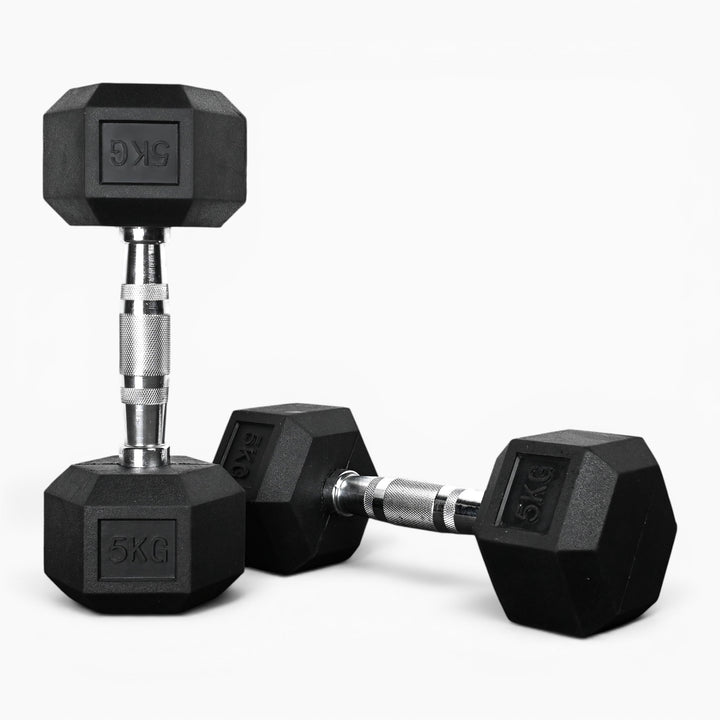
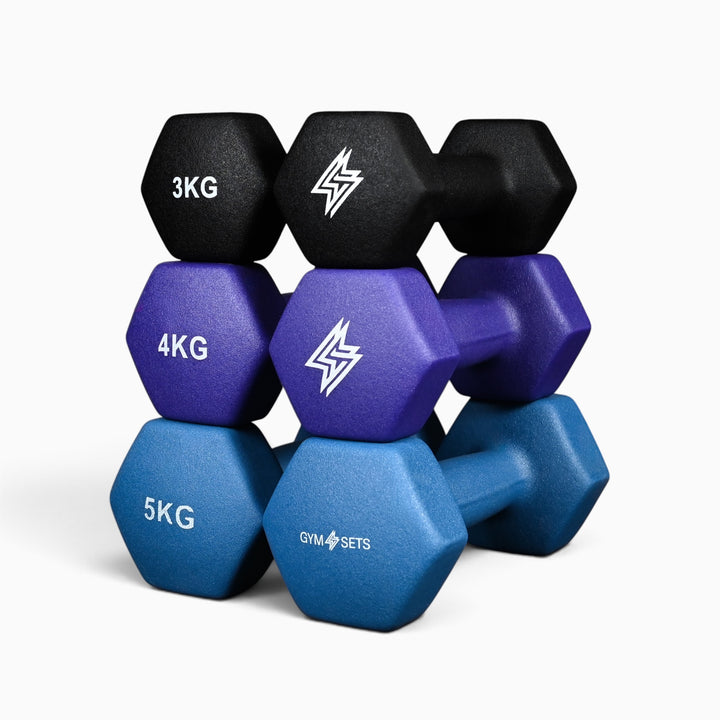
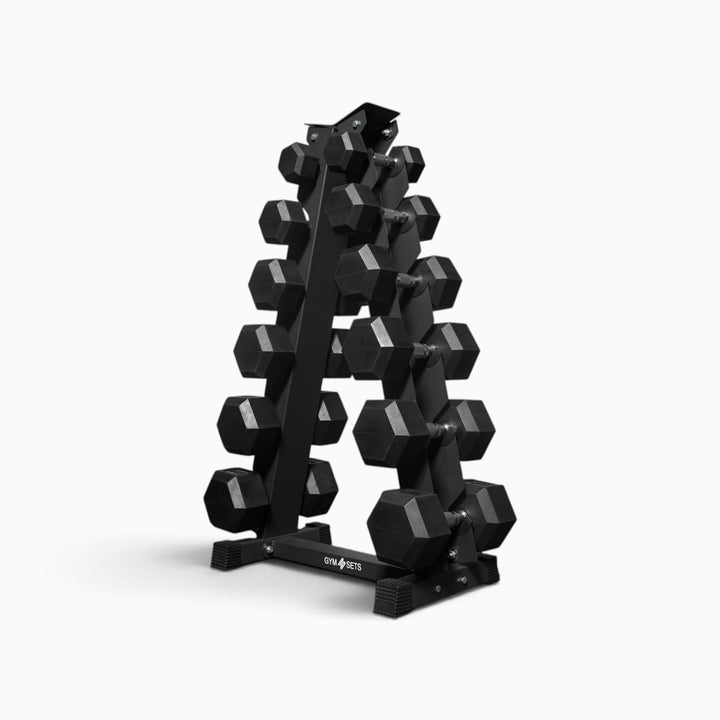
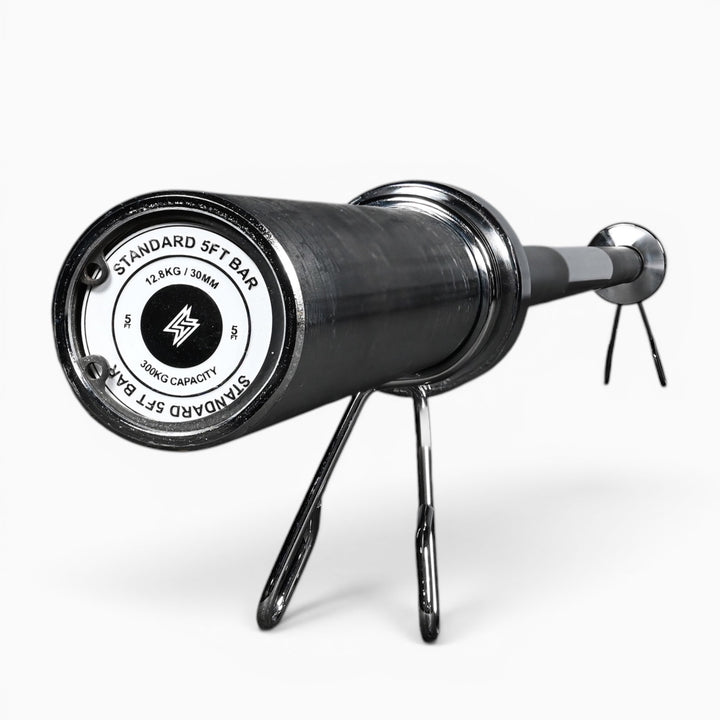
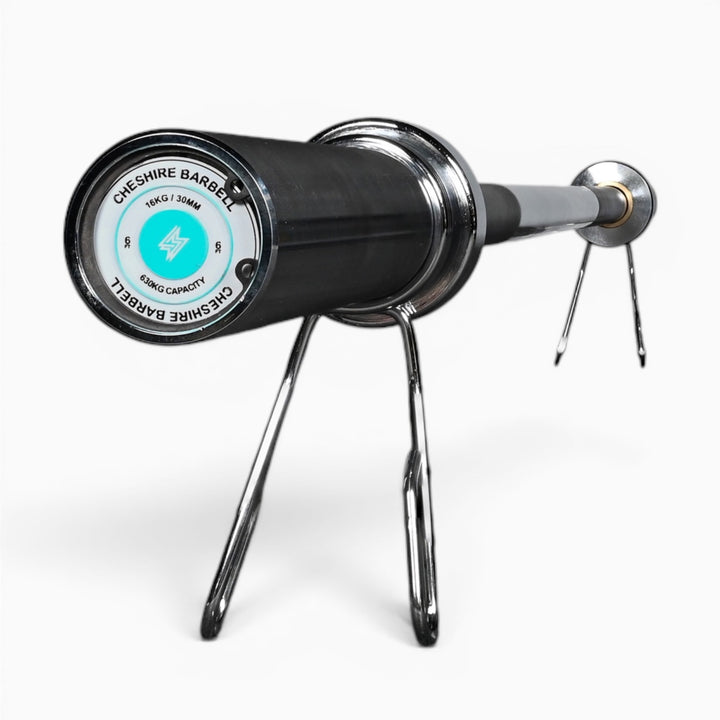
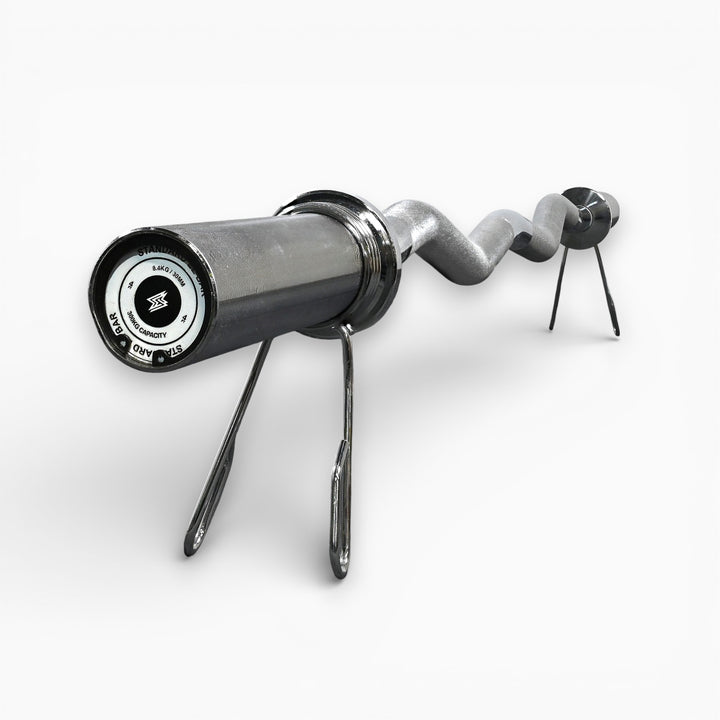
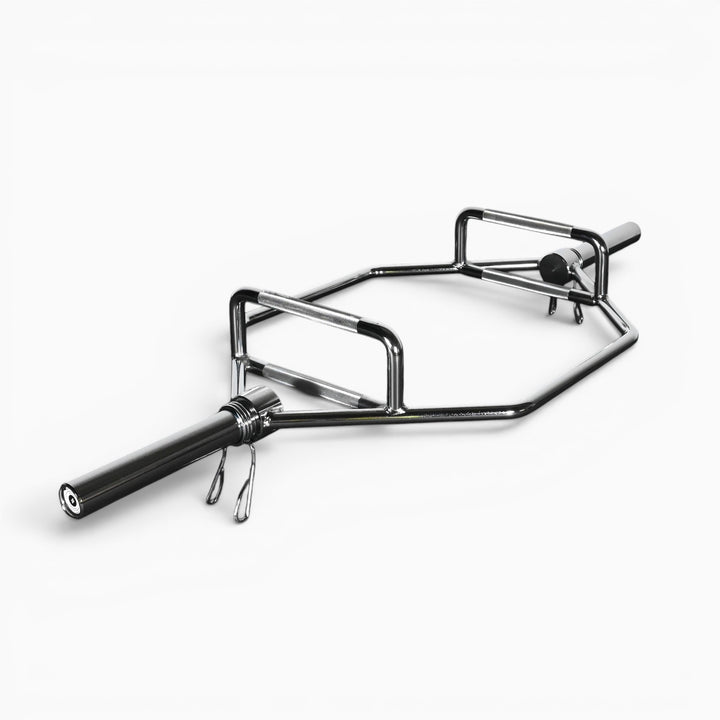
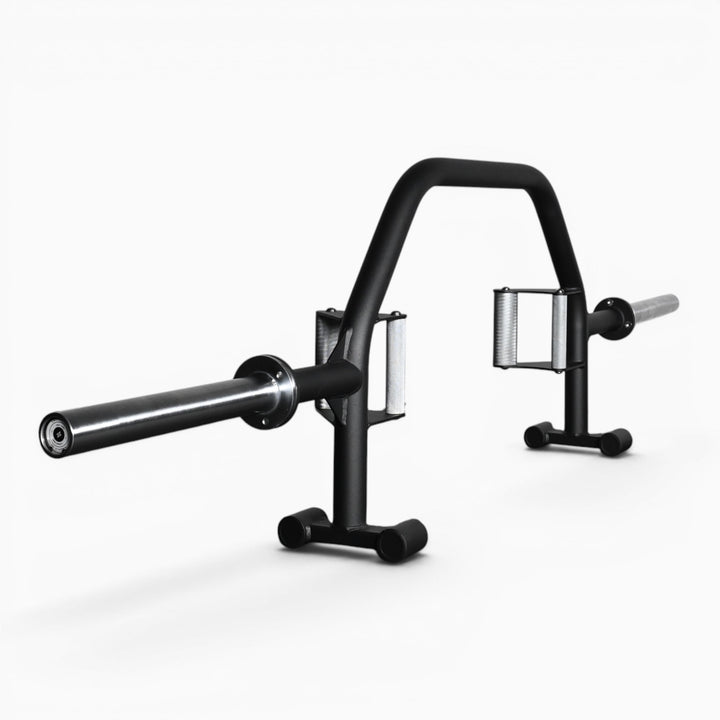



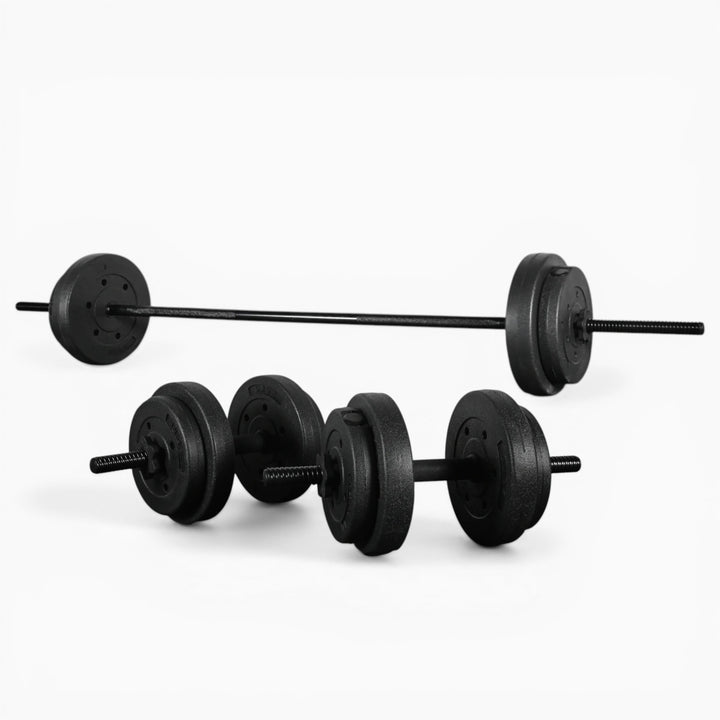


Are dumbbells or barbells best for arm day? The short answer is that neither is universally better. Dumbbells provide a greater range of motion, improve muscle balance, and increase stability, while barbells allow you to lift heavier weights and build strength more efficiently. The best arm workouts usually include both.
If you've ever wondered whether you should be reaching for dumbbells or barbells on arm day, you're not alone. Both pieces of equipment have earned their place in strength training, but they offer different benefits depending on your goals, experience level, and training style.
In this guide, we'll compare dumbbells and barbells for arm training, explain the advantages of each, look at which exercises work best, and help you decide which option deserves a place in your workout routine.
Why Your Choice of Equipment Matters
Arm day isn't just about chasing bigger biceps. Strong arms improve performance in almost every upper-body exercise, from bench presses and rows to pull-ups and shoulder presses. They also make everyday activities easier, whether you're lifting shopping bags or carrying heavy boxes.
The equipment you choose influences how your muscles are challenged. Different tools place your joints, muscles and stabilisers under slightly different demands, which affects both muscle growth and strength development.
Understanding these differences can help you build a more effective programme instead of relying on whichever weights happen to be free.
Are Dumbbells or Barbells Best for Arm Day?
The answer depends on your primary objective.
If your goal is building maximum strength, barbells usually come out on top. Their fixed design allows you to lift heavier loads safely, making progressive overload easier over time.
If your goal is improving muscle symmetry, increasing your range of motion, or correcting strength imbalances, dumbbells are often the better choice. Because each arm works independently, they force both sides of your body to contribute equally.
For most people, combining both will produce the best long-term results.
The Benefits of Using Dumbbells for Arm Day
Dumbbells are incredibly versatile and suitable for beginners and experienced lifters alike.
One of their biggest advantages is that each arm works independently. This prevents your stronger arm from compensating for your weaker side, helping create more balanced muscle development over time.
Dumbbells also allow a more natural movement path. Your wrists, elbows and shoulders are free to move into positions that feel comfortable for your body, which can reduce unnecessary joint stress.
Another benefit is the increased range of motion. During exercises such as bicep curls or overhead tricep extensions, dumbbells allow you to move further than a barbell, creating a stronger muscle contraction.
Because every repetition requires additional stabilisation, smaller supporting muscles are recruited throughout the movement. This contributes to improved coordination, control and overall functional strength.
The Benefits of Using Barbells for Arm Day
Barbells shine when your priority is lifting heavier weights.
The bar connects both arms into one movement, creating a stable lifting position that allows greater loads than most dumbbell exercises.
This makes barbells ideal for progressive overload, one of the most important principles for increasing muscle size and strength. Gradually increasing weight over weeks and months encourages muscles to adapt and grow.
Barbells also make it easier to maintain consistent technique. Since both hands remain fixed on the same bar, many lifters find movements like barbell curls more stable than heavy dumbbell curls.
If you're aiming to build overall arm strength alongside compound lifts such as bench presses and rows, barbell training naturally complements your programme.
Which Builds Bigger Arms?
This is where many people expect one clear winner.
In reality, muscle growth depends far more on training intensity, consistency, nutrition and recovery than on whether you're holding dumbbells or a barbell.
Dumbbells may produce greater muscle activation because of their increased range of motion and stabilisation demands. Meanwhile, barbells allow heavier loading, which also stimulates muscle growth.
Both methods are highly effective when performed correctly.
The best strategy is to combine heavy barbell movements with controlled dumbbell exercises that maximise muscle contraction and isolate each arm individually.
Dumbbells vs Barbells for Biceps
The biceps respond well to both types of equipment.
Barbell curls are excellent for building strength. Since both arms work together, you can generally lift more weight than with dumbbells, making them ideal as one of the first exercises in your workout.
Dumbbell curls offer greater variety. Alternating curls, hammer curls, incline curls and concentration curls all target the biceps slightly differently while helping improve balance between both arms.
The freedom to rotate your wrists throughout each repetition also allows a more natural movement pattern.
For complete bicep development, using both throughout the week is often the most effective approach.
Dumbbells vs Barbells for Triceps
The triceps make up roughly two-thirds of your upper arm, making them essential for increasing arm size.
Barbell exercises such as close-grip bench presses allow heavy loading while recruiting multiple muscle groups, making them excellent strength builders.
Dumbbells excel during isolation work. Overhead extensions, kickbacks and skull crushers performed with dumbbells allow each tricep to work independently while moving through a full range of motion.
Many lifters find dumbbells more comfortable on the elbows during these exercises, especially when adjusting hand position naturally.
Which Is Better for Beginners?
Beginners often feel more confident starting with dumbbells.
Lighter weights are easier to control, allowing you to learn movement patterns without worrying about balancing a long barbell.
Dumbbells also help develop coordination between both arms from the start, reducing the likelihood of one side becoming significantly stronger than the other.
That doesn't mean beginners should avoid barbells altogether.
Learning proper barbell technique early provides an excellent foundation for long-term strength training. Starting with manageable weights and focusing on good form is far more important than lifting as heavy as possible.
Which Is Better for Experienced Lifters?
Experienced lifters often benefit from using both tools strategically.
Heavy barbell curls and close-grip bench presses can build strength at the beginning of a workout when energy levels are highest.
Later in the session, dumbbell isolation exercises allow you to target muscles from different angles while increasing time under tension.
This combination provides the benefits of heavy loading alongside greater muscle activation and improved symmetry.
Common Mistakes During Arm Day
Choosing between dumbbells and barbells matters far less than avoiding common training mistakes.
Using excessive momentum reduces muscle engagement and shifts tension away from your arms. Controlled repetitions generally produce better results than swinging the weight.
Ignoring full range of motion limits muscle development. Whether you're using dumbbells or barbells, lowering the weight under control and achieving a complete contraction is essential.
Training only your biceps is another frequent mistake. Since the triceps make up the majority of the upper arm, neglecting them limits overall arm growth.
Finally, constantly changing exercises without following a structured progression makes it difficult to measure improvement. Sticking with key movements for several weeks allows consistent strength gains.
Can You Build Strong Arms Using Only Dumbbells?
Absolutely.
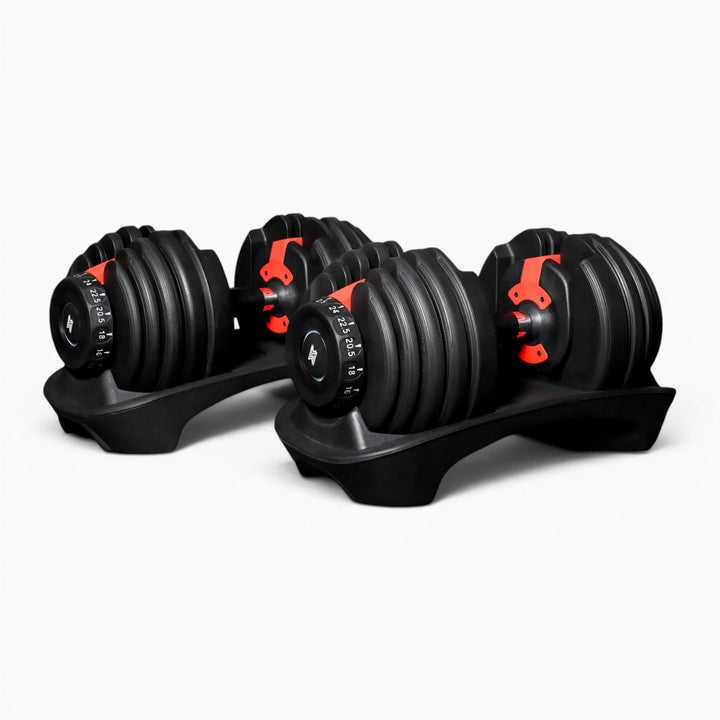
Many home gyms rely entirely on adjustable dumbbells, and they provide enough exercise variety for impressive arm development.
By progressively increasing weight, repetitions or training volume over time, you can continue building muscle without ever touching a barbell.
Exercises such as hammer curls, incline curls, concentration curls, overhead tricep extensions and dumbbell skull crushers offer everything needed for a complete arm workout.
For people training at home, dumbbells are often the most practical investment because they support hundreds of different exercises beyond arm day.
Can You Build Strong Arms Using Only Barbells?
Yes, although your exercise variety will be slightly more limited.
Barbell curls, reverse curls, close-grip bench presses and lying tricep extensions provide excellent strength-building exercises.
However, because both arms move together throughout every repetition, muscular imbalances can sometimes develop unnoticed.
Adding occasional unilateral exercises can help address this issue if your programme relies mainly on barbells.
Sample Arm Day Using Both
A balanced arm workout could include the following exercises.
- Barbell curls – 4 sets of 6 to 8 repetitions.
- Close-grip bench press – 4 sets of 6 to 8 repetitions.
- Incline dumbbell curls – 3 sets of 10 to 12 repetitions.
- Overhead dumbbell tricep extensions – 3 sets of 10 to 12 repetitions.
- Hammer curls – 3 sets of 12 repetitions.
- Dumbbell skull crushers – 3 sets of 12 repetitions.
This combination develops strength early in the session before finishing with higher-repetition isolation work for maximum muscle stimulation.
Recovery Is Just as Important
Even the best arm workout won't produce results without proper recovery.
Muscles grow during recovery rather than during training itself. Eating enough protein, getting quality sleep and allowing adequate rest between arm sessions all contribute to muscle development.
Training arms two or three times per week is generally sufficient for most people, provided overall training volume is managed appropriately.
Consistency over months will always outperform occasional high-intensity workouts followed by long breaks.
Frequently Asked Questions
Should I use dumbbells or barbells first on arm day?
If strength is your priority, start with barbells while you're fresh, then move to dumbbells for isolation exercises. If muscle balance is your main goal, beginning with dumbbells can also work well.
Are dumbbells safer than barbells?
Both are safe when used with correct technique. Dumbbells often allow more natural joint movement, while barbells provide additional stability during heavy lifts.
Can dumbbells build as much muscle as barbells?
Yes. When training close to muscular failure and progressively increasing resistance over time, dumbbells can build just as much muscle as barbells.
Is it better to alternate between dumbbells and barbells?
Yes. Alternating between both introduces exercise variety, challenges muscles differently and helps prevent training plateaus.
Final Thoughts
So, are dumbbells or barbells best for arm day? The reality is that both deserve a place in a well-rounded training programme.
Barbells are excellent for building strength, lifting heavier weights and progressing through overload. Dumbbells improve muscle balance, increase range of motion and create greater stability demands that support balanced arm development.
Rather than choosing one over the other, consider using both throughout your training. Heavy barbell exercises can provide the foundation for strength, while dumbbells refine muscle development and address imbalances. Together, they create a balanced approach that supports bigger, stronger and more defined arms over the long term.
Whether you're training at home or in the gym, focusing on consistent effort, proper technique and gradual progression will have a far greater impact than choosing one type of weight alone. Use each where it performs best, and your arm day will become more effective with every workout.


