





Building a well-developed, powerful upper body is a goal shared by gym-goers across the UK. Whether you are an experienced lifter or stepping onto the gym floor for the very first time, developing the pectoral muscles can completely transform your physique, improve your athletic performance, and boost your upper-body strength.
However, many people spend hours performing endless sets on the bench press without seeing the physical changes they desire. If you have been wondering how to get a big chest, the answer does not lie in simply training harder. It requires a strategic combination of anatomical understanding, targeted exercise selection, progressive overload, and optimised nutrition.
This comprehensive guide breaks down the exact science and practical training methods needed to stimulate serious muscle hypertrophy (growth) in your chest.
Understanding Chest Anatomy for Maximum Hypertrophy
To build a massive chest, you must first understand the layout of the muscles you are trying to grow. The chest is not just one single block of muscle. It is primarily made up of two distinct muscle groups that require different angles of stimulation to develop fully.
1. The Pectoralis Major
This is the large, visible muscle group that covers the front of your chest wall. It has two main sections, or heads, which are defined by where the muscle fibres attach to your skeleton:
-
Clavicular Head (Upper Chest): These muscle fibres originate at your collarbone and run downwards and outwards across your upper chest. Their primary role is shoulder flexion, which means lifting your arms up in front of your body.
-
Sternocostalis Head (Lower and Mid Chest): This is the largest part of the chest, originating along your breastbone (sternum) and ribs. These fibres run horizontally and are responsible for pulling your arms across your body, a movement known as horizontal adduction.
2. The Pectoralis Minor
This is a small, triangular muscle that sits entirely underneath the pectoralis major. While it does not directly contribute to the visible mass of your chest, it plays a vital role in stabilising your shoulder blades (scapulae). Keeping this muscle strong and healthy ensures your shoulders remain stable during heavy pressing movements, preventing injuries that could halt your progress.
The Three Golden Rules of Chest Hypertrophy
Before selecting your exercises, you must establish the training principles that dictate muscle growth. If you do not apply these three rules to your weekly routine, your chest growth will inevitably stall.
Rule 1: Progressive Overload
Your muscles will only grow if they are forced to adapt to a stress they have never experienced before. Progressive overload means making your workouts incrementally harder over time. You can achieve this by lifting heavier weights, performing more repetitions per set, adding extra sets to your training week, or improving your form so the target muscle does more of the actual work.
Rule 2: Mechanical Tension
Research consistently shows that mechanical tension is the single most important driver of muscle hypertrophy. This occurs when a muscle stretches and contracts under a heavy load. To maximise tension on the pectorals, you must control the weight during the lowering phase (eccentric portion) of an exercise, stretch the chest fully at the bottom, and drive the weight back up forcefully.
Rule 3: Training Close to Failure
To signal your body to build new muscle tissue, you need to recruit your high-threshold motor units. These are the powerful muscle fibres that only turn on when a movement becomes truly challenging. Your sets must be taken within one to three repetitions of technical failure—the point at which you can no longer perform another repetition with perfect form.
The Ultimate Chest Exercises for Mass
To build a balanced, symmetrical chest, your workout routine needs to include exercises that target both the upper and lower portions of the pectoralis major, alongside movements that place the muscle under a deep stretch.
Here are the most effective exercises you should include in your weekly training routine.
1. The Incline Dumbbell Press
If you want to know how to get a big chest that looks thick and full from top to bottom, you must prioritise your upper chest. The incline dumbbell press is arguably the best movement for this. Using dumbbells allows your hands to travel closer together at the top of the movement, which creates a stronger contraction than a rigid barbell.
-
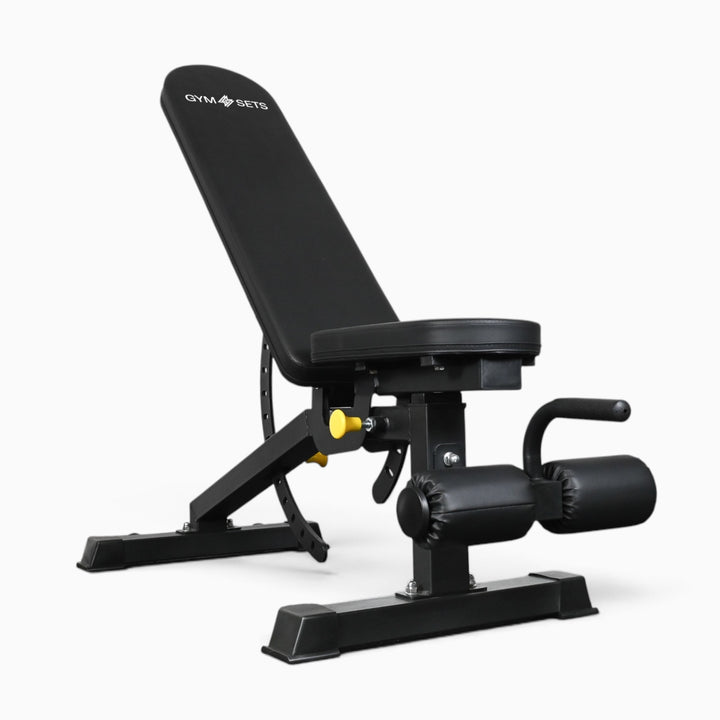
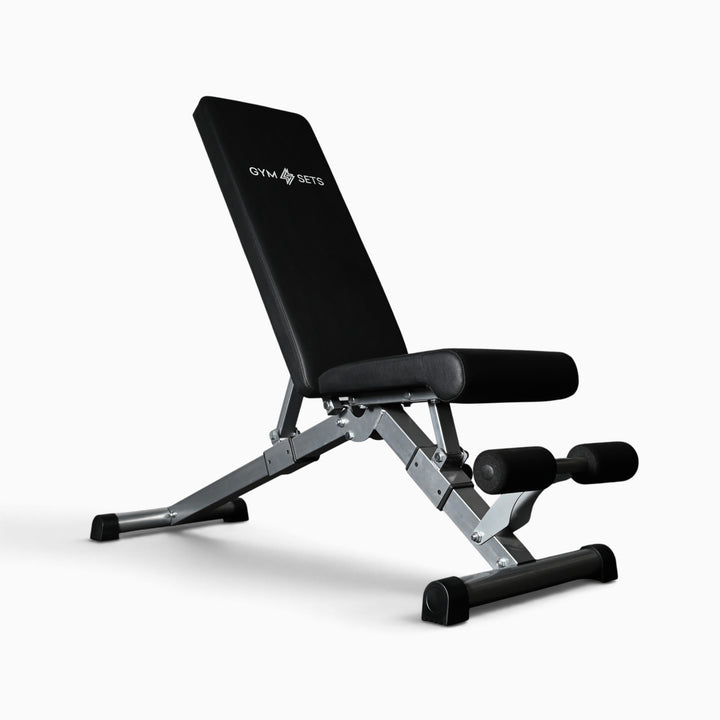
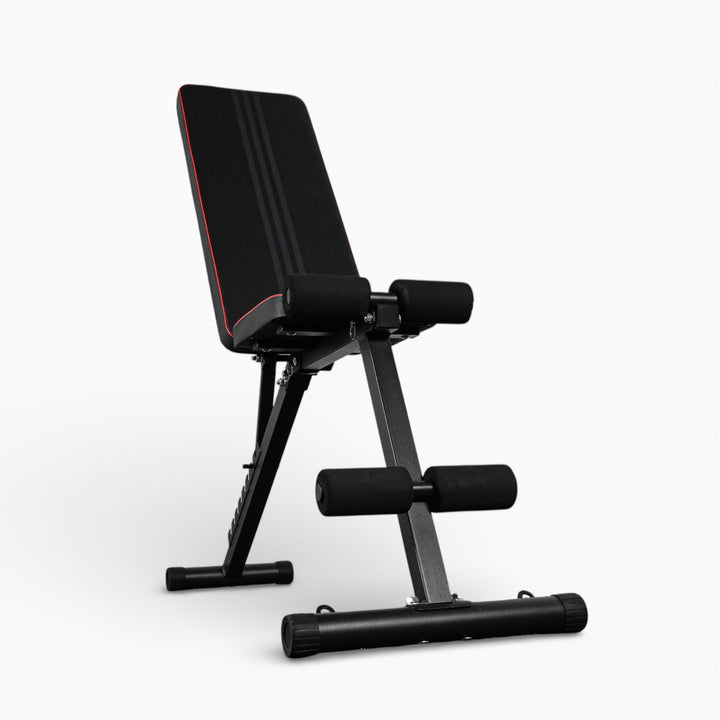
Set an adjustable bench to an angle of 30 degrees. Anything higher than 45 degrees shifts too much of the workload onto your front shoulders (anterior deltoids).
-
Sit back with a dumbbell in each hand, retract your shoulder blades, and press the weights directly over your upper chest.
-
Lower the weights under control until you feel a deep stretch across your collarbone area, then press them back to the starting position.
2. The Flat Barbell Bench Press
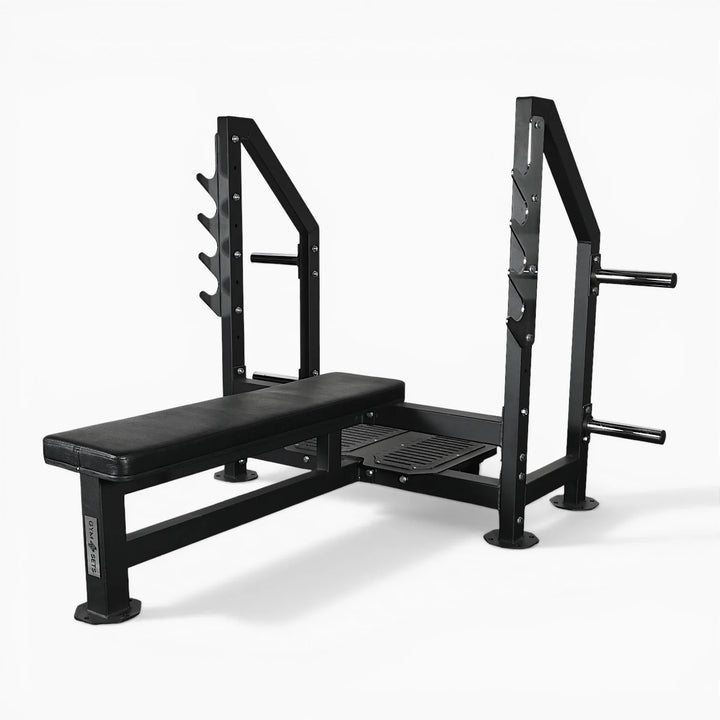
The classic bench press is a staple for a reason. It is a compound movement that allows you to load the pectoralis major with incredibly heavy weights, creating massive amounts of mechanical tension.
-
Lie flat on a bench, grip the barbell slightly wider than shoulder-width apart, and plant your feet firmly into the floor.
-
Pull your shoulder blades back and down into the bench to create a stable base and protect your rotator cuffs.
-
Lower the bar smoothly to your mid-chest, pause for a fraction of a second, and drive the bar upwards until your arms are straight.
3. Converging Machine Press
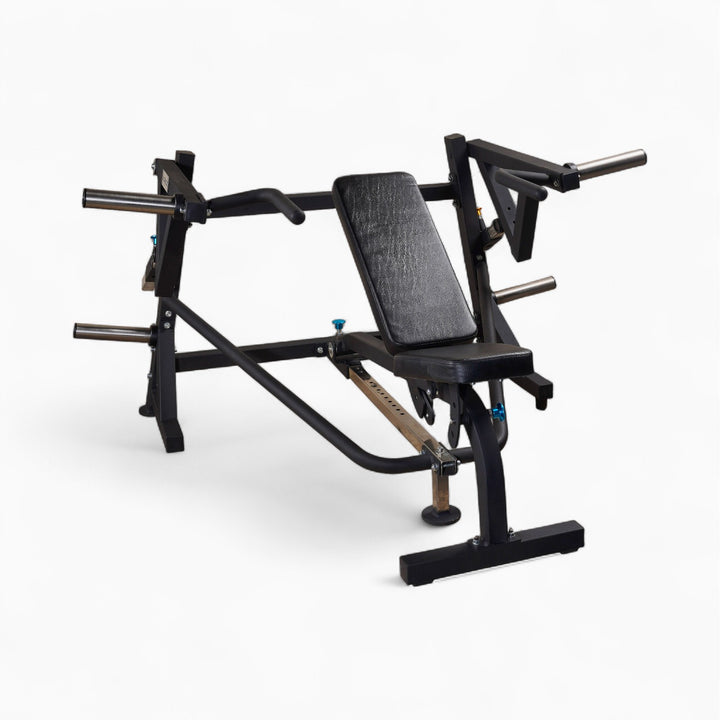
Free weights are incredible for building strength, but chest press machines offer a unique advantage: constant, stable tension. Because the machine guides the path of the weight, you do not have to waste energy stabilising the load. This allows you to push your chest muscles completely to failure with minimal risk of injury. Look for a machine where the handles move closer together at the top of the movement to match the natural anatomy of the pectoralis major.
4. Cable Flyes
Pressing movements are fantastic, but they lack a complete peak contraction because your arms cannot cross over the centre line of your body. Cable flyes solve this issue. The constant tension provided by the cables forces the chest to work hard throughout the entire range of motion, especially at the very top of the movement.
-
Set the cable pulleys to chest height and hold a handle in each hand.
-
Step forward to create tension on the cables, keeping a slight bend in your elbows.
-
Bring your hands together in an arching motion, squeezing your chest muscles as hard as possible as your hands meet in front of you.
How to Construct Your Chest Workout Routine
Knowing the best exercises is only half the battle. You also need to structure them into an efficient weekly routine that manages fatigue while providing enough stimulus to grow.
Optimal Training Frequency
Training your chest once a week (the traditional "bro-split") is highly inefficient for natural lifters. Muscle protein synthesis—the process by which your body repairs and builds muscle tissue—remains elevated for roughly 48 to 72 hours after a workout. To keep your body in an anabolic, muscle-building state, you should aim to train your chest twice per week. A Push/Pull/Legs split or an Upper/Lower body split works perfectly for this.
Optimal Set and Repetition Ranges
To build both strength and physical size, you should vary your repetition ranges across different movements. Use lower rep ranges for heavy, compound lifts and higher rep ranges for isolation movements.
-
Heavy Compound Presses (Barbell Bench Press): 3 to 4 sets of 6 to 8 repetitions. Rest for 2 to 3 minutes between sets.
-
Moderate Compound Presses (Incline Dumbbell Press): 3 sets of 8 to 12 repetitions. Rest for 90 seconds to 2 minutes between sets.
-
Isolation Movements (Cable Flyes): 3 sets of 12 to 15 repetitions. Focus heavily on the mind-muscle connection and rest for 60 to 90 seconds between sets.
The Nutrition Blueprint for a Bigger Chest
You can perform the perfect workouts every single day, but if you do not provide your body with the nutritional building blocks it needs, your chest will simply not grow. Muscle growth requires a combination of adequate energy and structural materials.
+------------------+------------------+------------------+
| Nutrient         | Purpose          | Target Amount    |
+------------------+------------------+------------------+
| Protein          | Muscle Repair    | 2.0g per kg of   |
|                  | & Synthesis      | bodyweight       |
+------------------+------------------+------------------+
| Carbohydrates    | Fuel for Heavy   | 4.0g to 6.0g per |
|                  | Workouts         | kg of bodyweight |
+------------------+------------------+------------------+
| Fats             | Hormone          | 1.0g per kg of   |
|                  | Production       | bodyweight       |
+------------------+------------------+------------------+
1. Establish a Caloric Surplus
To build new muscle tissue, your body requires more energy than it burns. This is known as a caloric surplus. Trying to gain significant muscle mass while in a calorie deficit is incredibly slow and difficult. Aim for a modest surplus of 200 to 300 calories above your daily maintenance level. This allows for clean, steady muscle gain while minimising excess body fat accumulation.
2. High Protein Intake
Protein contains amino acids, which are the literal building blocks of muscle tissue. When you train hard, you cause microscopic tears in your chest fibres. Protein is what repairs these tears, making the muscle thicker and stronger than before. For optimal chest growth, aim to consume roughly 2 grams of protein per kilogram of bodyweight every day, distributed evenly across 4 to 5 meals. Excellent sources include chicken breast, lean beef, turkey, eggs, white fish, tofu, and high-quality whey protein isolate.
3. Hydration and Electrolytes
Muscle tissue is roughly 75% water. If you are even slightly dehydrated, your strength levels will drop, your performance will suffer, and you will lose the ability to achieve a great muscle pump during your workouts. Aim to drink at least 3 to 4 litres of water per day, and consider consuming a carbohydrate and electrolyte drink during your workouts to maintain cellular hydration and workout intensity.
Common Mistakes holding Your Chest Growth Back
If your chest progress has ground to a halt, it is highly likely you are making one of these common training errors. Correcting these mistakes can trigger immediate, rapid muscle growth.
1. Flaring Your Elbows
When performing any type of bench press, flaring your elbows out at a strict 90-degree angle to your torso is a recipe for disaster. This position shifts the mechanical load away from your pectorals and directly onto your anterior deltoids and vulnerable rotator cuff tendons. To fix this, tuck your elbows inward slightly so they form a 45 to 60-degree angle with your body. This perfectly aligns the weight with the muscle fibres of your chest and keeps your shoulders safe.
2. Cheating the Range of Motion
Bouncing a heavy barbell off your chest or stopping a dumbbell press halfway down to lift a heavier weight might boost your ego, but it destroys your chest growth. Pectoral muscles grow best when they are trained through a full range of motion, particularly at long muscle lengths (the deep stretch position). Lower the weight completely under control, pause briefly at the bottom to eliminate momentum, and use your chest to drive the weight back up.
3. Neglecting Proper Scapular Retraction
If you do not pin your shoulder blades back and down before you press, your shoulders will naturally roll forward at the bottom of the movement. This sinks your chest inwards, meaning your shoulders end up doing the majority of the work. Before starting any pressing exercise, imagine trying to squeeze a tennis ball between your shoulder blades and hold that position tightly throughout the entire set.
Conclusion: Patience and Consistency Are Key
Learning how to get a big chest does not involve any closely guarded secrets or magical exercises. It is simply the result of applying proven physiological principles consistently over time.
By structuring your workouts around high-quality compound movements, tracking your weights to ensure progressive overload, and fueling your body with a nutrient-rich caloric surplus, you give your body no choice but to build a bigger, stronger, and more impressive chest.
Design your plan, head to the gym, track your lifts, and remain patient. Real, lasting physical changes take time, but the rewards are completely worth the effort.